

What Makes a Candle Hypoallergenic? The Ingredient Checklist Doctors Actually Recommend
What Makes a Candle Hypoallergenic? The Ingredient Checklist Doctors Actually Recommend
Your nose starts running the moment you strike a match. Your eyes water. Your chest feels tight by the time the wax starts pooling. If this sounds familiar, the candle is not just setting a mood. It is triggering a reaction. And the frustrating part? Most people blame the scent itself when the actual culprit is buried three ingredients deep in the wax formula.
This post breaks down exactly what makes a candle hypoallergenic, which ingredients are causing your symptoms, and what a genuinely allergy safe candle actually looks like from wax to wick to fragrance. If you have been searching for the best candles to burn for allergies, this is the checklist you need before you buy anything.
First, Let's Validate the Concern
Candle triggered symptoms are not in your head. Research published in the journal Atmospheric Environment confirmed that paraffin candles release measurable levels of benzene, toluene, and formaldehyde when burned indoors. The Cleveland Clinic has acknowledged that scented candles can act as triggers for asthma, migraines, and allergic rhinitis in sensitive individuals. CNN has covered indoor air quality studies showing that candles rank among the top contributors to particulate matter inside the home.
So yes. The candle on your nightstand might genuinely be the reason you wake up congested. The concern is legitimate, and it deserves a specific answer. Not just "buy natural candles" but a clear breakdown of what natural actually means, ingredient by ingredient.
The Problem Is Not Scented Candles. It Is Specific Ingredients.
This is where most allergy advice gets it wrong. The category is not the problem. The ingredients are. A scented beeswax candle with phthalate free fragrance is a fundamentally different product from a paraffin candle loaded with chemical dyes and petroleum derived scent compounds. They both get called "scented candles," but they have almost nothing in common from a chemistry standpoint.
Understanding the difference starts with four variables: the wax base, the wick material, the fragrance source, and the dyes. Each one can either contribute to your symptoms or leave your air quality completely intact.
Variable 1: The Wax Base
This is the biggest factor and the one most brands gloss over.
Paraffin Wax
Paraffin is a petroleum byproduct, full stop. It is derived from crude oil refining and when burned, it releases volatile organic compounds including benzene, toluene, and acrolein. These are not trace amounts under extreme conditions. A 2009 South Carolina State University study found that paraffin candles produced significantly more toxic compounds than plant based alternatives under normal indoor burn conditions. For anyone with asthma, allergic rhinitis, or chemical sensitivity, paraffin is a documented trigger.
Soy Wax
Soy is marketed as the clean alternative to paraffin, but the reality is more complicated. Most commercial soy candles use a soy paraffin blend, not pure soy. Even 100% soy wax is often hydrogenated and chemically processed, and the majority of soy grown in the US is from genetically modified crops that were treated with pesticide residue that may persist in the wax. Soy is better than paraffin for most people. It is not necessarily the cleanest option available.
Beeswax
Beeswax is the oldest candle material on record, used since approximately 5,000 BCE, and it remains the cleanest burning wax available. It is produced naturally by honeybees during honey production. No chemical processing. No petroleum inputs. No hydrogenation. When burned, pure beeswax emits primarily water vapor and carbon dioxide at levels considered safe for indoor air. Some studies suggest it may release negative ions that help neutralize airborne pollutants, though researchers note the evidence is still developing and many users report improved air quality anecdotally.
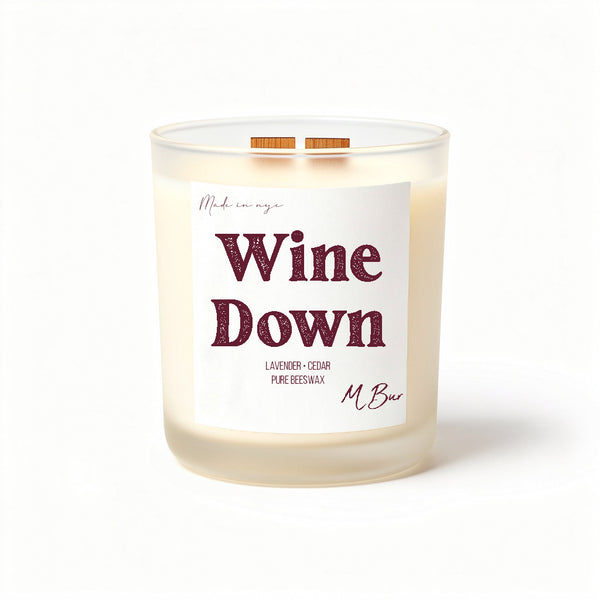
For the allergy safe checklist: the wax needs to be 100% beeswax or another single ingredient plant wax with no paraffin blending. Our pure beeswax candle collection uses a single ingredient wax formula with nothing added and nothing blended in.
Variable 2: The Wick
Cotton wicks sound harmless but many are coated in paraffin to stiffen them before pouring. Metal core wicks, which were once common in budget candles, may contain zinc or lead compounds that release toxic particulates when burned. The US Consumer Product Safety Commission banned lead core wicks in 2003, but older stock and unregulated imports still exist in the market.
The safest wick options are uncoated cotton or wood. Wooden wicks burn with a wide, even flame that reduces incomplete combustion and the carbon soot that comes with it. They also produce a soft crackling sound that, unlike the health benefits of the wax, delivers on its promise every single time.
"I have to order a big one next time. I love how the little candle looks so I'm coming for a bigger one. I love the crackle of the wooden wick, very soothing." Beatrice S., Sunday Reset Candle
Our candles use wooden wicks exclusively, which contributes to the even burn and minimal soot output that allergy sensitive customers consistently notice.
Variable 3: The Fragrance
This is where things get genuinely complicated, and where most "clean candle" brands cut corners they hope you will not notice.
The word "fragrance" on an ingredient label is a legal loophole. Under US law, manufacturers are not required to disclose the individual chemical compounds that make up a fragrance blend. A single fragrance entry can contain dozens of chemicals, including phthalates, which are endocrine disrupting plasticizers used to help scent stick to surfaces and last longer.
Phthalates have been linked in peer reviewed research to hormonal disruption, reproductive issues, and respiratory irritation. The European Union has restricted several phthalate compounds in consumer products. The US has not gone as far, which means plenty of candles sold in American stores still contain them.
A genuinely hypoallergenic candle uses fragrance that is explicitly phthalate free and formulated without known respiratory irritants. This is not the same as "essential oil fragrance" either. Many essential oils, including eucalyptus, pine, and certain citrus terpenes, are potent airborne allergens at high concentrations. The goal is not essential oil only fragrance. The goal is clean, tested, phthalate free fragrance at concentrations that do not overwhelm sensitive airways.
Every MBur candle uses phthalate free fragrance. That is non negotiable for us, not a selling point we added to a label.
One of our customers said it better than we could:
"I absolutely love these candles! I instantly notice the difference in the air quality, in comparison to the Bath and Body scented candles. I love Bath and Body's candles but I acknowledge that it caused a slight headache and other minor respiratory discomfort. Awesome products. Totally addicted." Jason H., Sunday Reset Candle
Variable 4: Chemical Dyes
Candle dyes are almost entirely decorative. They do not improve scent throw. They do not improve burn time. What they do is add petrochemical compounds to the wax that burn off into the air you are breathing.
Synthetic candle dyes are typically coal tar derivatives or azo dyes, both of which have documented sensitization potential in people with chemical allergies. For an allergy safe candle, dyes should be absent entirely. A candle that is naturally golden because it is made from beeswax is not undyed by default. It simply does not need dye because it already has a color worth keeping.
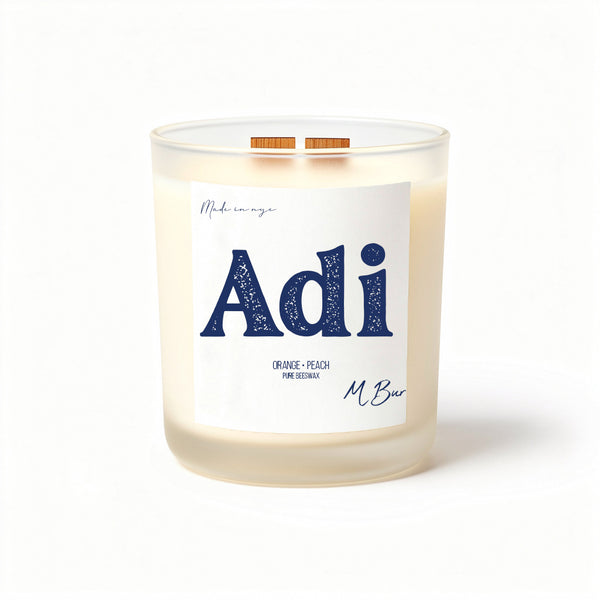
MBur candles contain no chemical dyes. The warm amber tone you see is the beeswax itself.
The Complete Hypoallergenic Candle Ingredient Checklist
Here is what an actually allergy safe candle looks like, broken down into a checklist you can use before purchasing from any brand:
- Wax: 100% beeswax or single ingredient plant wax with no paraffin content. The label should say "100%" not just "beeswax blend" or "natural wax."
- Wick: Uncoated cotton or wood. No metal cores. No paraffin coated cotton.
- Fragrance: Explicitly phthalate free. Ideally tested against a restricted substance list. Not just "essential oils" (which can be their own irritants at high concentration).
- Dyes: None. Zero. Naturally colored from the wax itself is the gold standard.
- Container: Food grade glass or ceramic preferred. Avoid low quality metal tins that may leach when heated.
- Additives: None. Stearic acid, UV inhibitors, vybar, and other common wax additives are unnecessary in quality beeswax and should not be present.
If a candle passes all six of these criteria, it qualifies as genuinely hypoallergenic by the standards that functional medicine practitioners and allergists use when advising patients to reduce their indoor chemical load.
What MBur Candles Check Off the List
We are not going to pretend we are objective here. We make candles and we think ours are worth buying. But we will be specific about what we actually do versus what we claim on a label.
Every MBur candle is made from 100% beeswax with no blending, no additives, and no paraffin. The wicks are wooden, uncoated, and selected for a clean burn. The fragrance is phthalate free across every scent in the collection. There are no chemical dyes. The candles are handmade in Queens, NY, which means there is a real person accountable for what goes into each pour, not an automated production line optimizing for cost.
The burn time on the 12oz size runs up to 80 hours, which is a direct result of beeswax having the highest melting point of any candle wax. Higher melting point means slower burn, which means fewer candles burning in your home overall, which means less total exposure even at a baseline level.
Our Wine Down beeswax candle was specifically designed for a bedroom and bath environment, with lavender, chamomile, and rosemary in the scent profile. It is one of the most requested scents from customers who switched from mainstream candle brands after noticing headaches or congestion.
For daytime use, especially in a home office or living area, our Sunday Reset beeswax candle with peppermint, eucalyptus, cedar, and patchouli gives the room a clean, energizing character without the synthetic punch that causes issues for fragrance sensitive people.
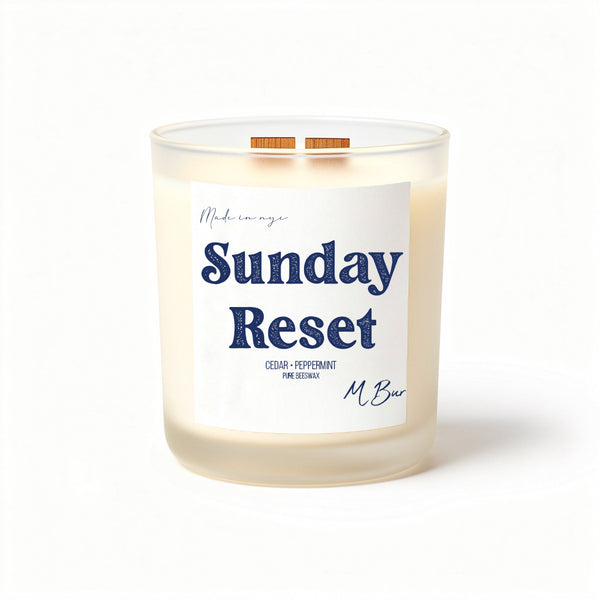
"I love this scent! It has been getting me through my workday. I will definitely be reordering but going bigger next time!" Calvin P., Sunday Reset Candle Reset
What About "Unscented" Candles?
A reasonable question. If fragrance is a variable, does unscented eliminate the risk?
Partially. An unscented candle removes the fragrance variable entirely, which helps for people whose reactions are specifically triggered by scent compounds rather than by wax or wick. But an unscented paraffin candle still releases benzene and toluene. Removing the fragrance does not fix the wax problem.
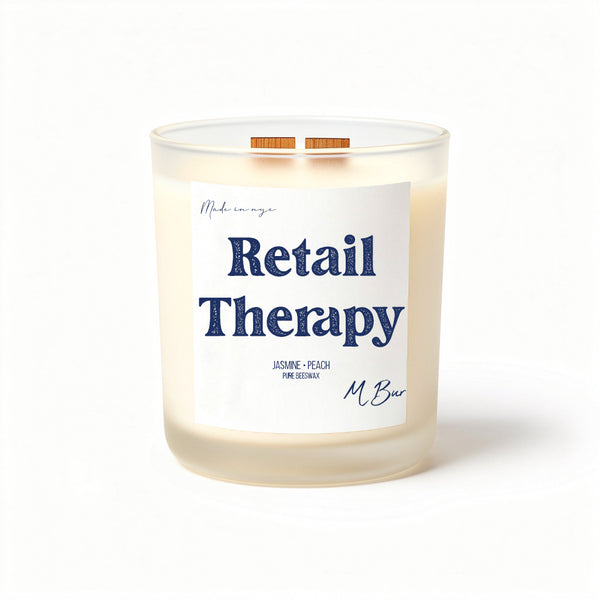
The cleanest option for someone with severe chemical sensitivity is an unscented 100% beeswax candle with a wooden wick and no additives. The second cleanest option is a scented 100% beeswax candle with phthalate free fragrance, which is what MBur makes. For most people with moderate sensitivities, the scented version is completely manageable and far preferable to burning a paraffin alternative whether scented or not.
Frequently Asked Questions
What wax is actually safest for someone with asthma?
100% beeswax is consistently cited by allergists and integrative medicine practitioners as the cleanest burning option for people with respiratory sensitivity. It produces no petroleum based VOCs and has a natural composition that does not require chemical processing. You can learn more in our breakdown of the best beeswax candles for allergies and asthma.
Are essential oil candles safer than fragrance candles?
Not automatically. Essential oils are potent aromatic compounds and some, including tea tree, eucalyptus at high concentrations, and certain citrus terpenes, are documented sensitizers for people with respiratory allergies. The better question is whether the fragrance is phthalate free and tested against restricted substance lists, regardless of whether the scent source is essential oil or blended fragrance.
How can I tell if a candle has paraffin in it?
Read the label carefully. "Natural wax," "soy blend," and "premium wax" are marketing terms that do not exclude paraffin. Look specifically for "100% beeswax" or "100% soy" with no blend language. If a candle does not disclose its wax composition at all, assume it contains paraffin.
Do beeswax candles actually purify air?
Some studies suggest beeswax produces negative ions when burned, which may help neutralize airborne particulates like dust, pollen, and mold spores. Many users report improved air quality. The research is still developing and we will not overstate the claim, but beeswax is demonstrably cleaner in terms of what it puts into the air versus what it removes. Our full breakdown is here: do beeswax candles actually purify air.
What fragrance ingredients should I specifically avoid?
Phthalates (DBP, DEHP, DEP), formaldehyde releasing preservatives, synthetic musks (particularly nitromusks), and benzene derived aromatic compounds. A brand that lists "fragrance" without disclosing phthalate free status is a brand that has not committed to removing these compounds. Our post on phthalate free candles versus regular scented candles goes deeper on this.
Practical Tips for Burning Any Candle More Safely
Even the cleanest candle benefits from good burn habits. These apply across the board.
- Trim the wick to about 3mm before each burn. A wick that is too long produces a larger, less controlled flame and more soot regardless of wax type.
- Ventilate the room. Keep a window cracked or a door open. This applies even to beeswax candles. Combustion of any kind produces carbon dioxide.
- Do not burn longer than four hours at a stretch. Candle safety guides and most manufacturers recommend a maximum four hour session to prevent wick mushrooming, excess heat, and soot buildup.
- Keep candles away from HVAC vents and fans. Drafts cause uneven burns, more soot, and inconsistent scent throw.
- Discontinue use when about half an inch of wax remains. Burning a candle to the bottom concentrates heat in the container and can release residual fragrance compounds at higher temperatures.

The Bottom Line
A genuinely hypoallergenic candle is not a marketing category. It is a specific set of ingredient decisions: 100% beeswax or clean single ingredient wax, no paraffin, a wooden or uncoated cotton wick, phthalate free fragrance, and zero chemical dyes. Every one of those decisions has to be made correctly, not just two or three of them.
If you want to try a genuinely hypoallergenic candle before committing to a full size, our individual candle samples are available at $5.00 each so you can test any scent in your actual space before buying the larger sizes. The 80 hour version (12oz, $65) gives you the best value per burn hour once you find your scent.
Rated 5 stars by customers who switched from mainstream candle brands after years of headaches and congestion. No petroleum. No phthalates. No dyes. Just beeswax, a clean fragrance, and a wooden wick that crackles.
Shop the full MBur beeswax candle collection and find the scent that works for your space and your airways.
What buyers say:
Related Posts:

