

Toxic Fragrance Is the Real Candle Problem, Not the Wax
Why Toxic Fragrance Is the Real Candle Villain (Not the Wax)
You switched to a soy candle six months ago and felt good about it. Then the headaches came back, and your eyes still water twenty minutes after lighting it. Here is what nobody tells you: the wax was never the whole story. The fragrance is where most of the damage happens, and plenty of candles marketed as "clean" or "natural" are still loaded with fragrance chemicals your body does not want to inhale.
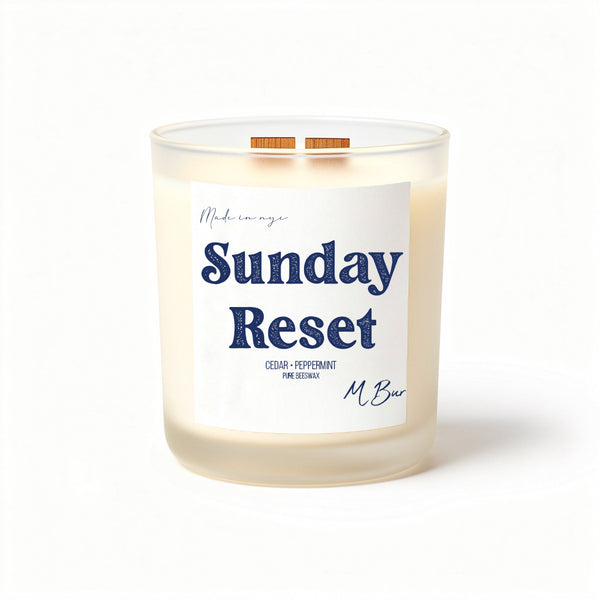
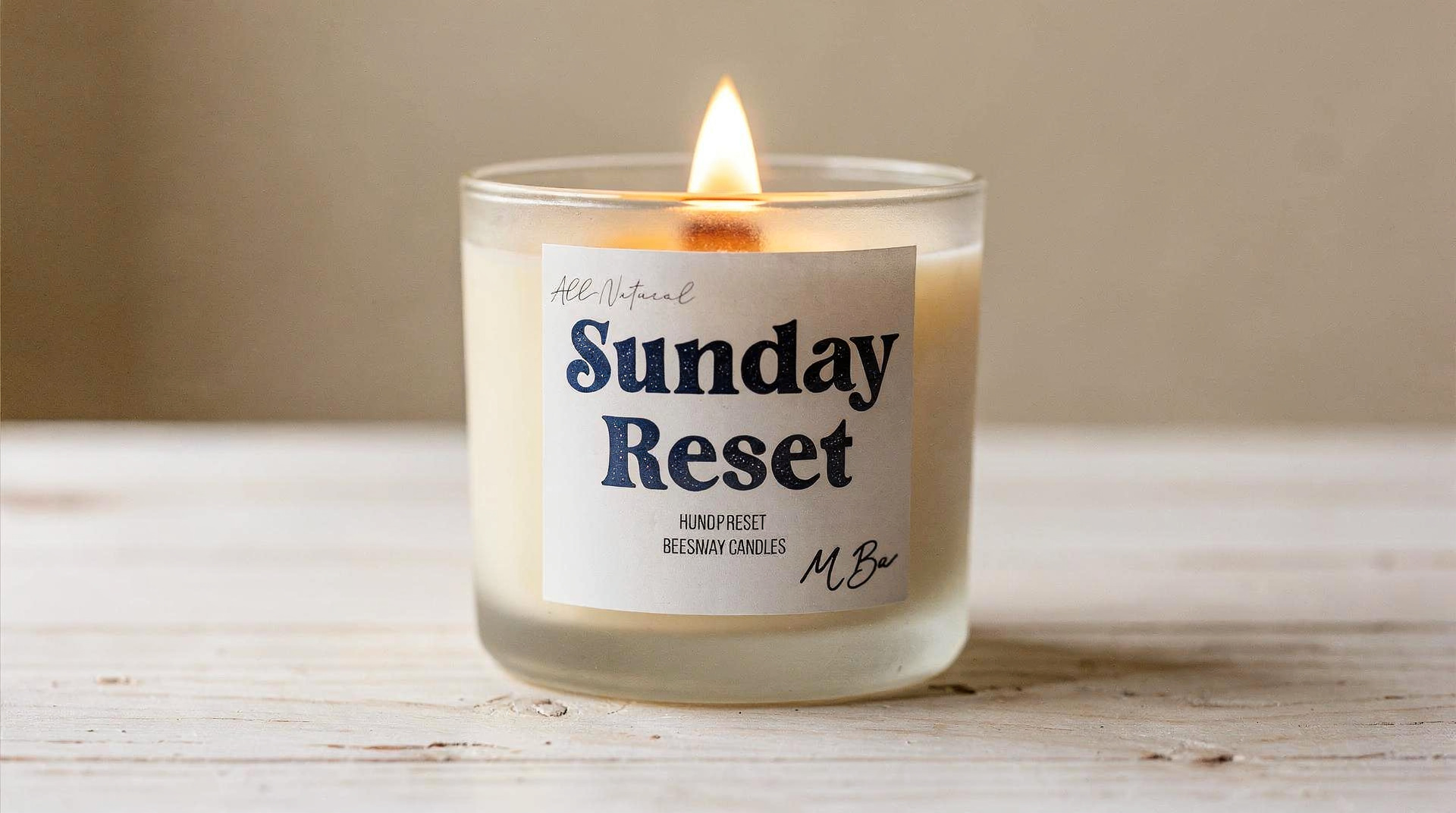
By the end of this post you will know what is actually in conventional candle fragrance, why it matters, and how to find candles that smell good without making you feel terrible. Every candle in the MBur beeswax candle collection uses phthalate-free fragrance, and if you are already dealing with sensitivity, our guide to the best candles for allergy sufferers is worth reading alongside this one.
Is the wax not the problem?
Paraffin earns a lot of justified criticism. It is a petroleum byproduct, and burned it can release benzene, toluene, and formaldehyde, all volatile organic compounds. Research published in Environmental Health Perspectives has reported that paraffin candles release higher levels of these compounds than vegetable-based waxes. So yes, paraffin is worth avoiding. We are not here to defend it.
But here is the uncomfortable part: plenty of people switched from paraffin to soy or coconut and still got headaches, eye irritation, and respiratory discomfort. The wax changed, but the symptoms did not, because the fragrance load in most candles did not change at all.
Fragrance is not one ingredient. The word "fragrance" on a label can legally stand for a blend of dozens or hundreds of individual compounds, none of which the manufacturer has to disclose, under trade-secret protections. So you can buy a candle listing five ingredients and still burn a cocktail of undisclosed chemicals every time you light it.
What is actually in toxic fragrance?
The biggest offenders are phthalates, chemical plasticizers used in fragrance formulas to help scent bind to wax and last longer. They are classified as endocrine disruptors, meaning they can interfere with your body's hormone signaling. The Environmental Working Group has flagged several common phthalates, including diethyl phthalate and dibutyl phthalate, over links to reproductive and developmental harm. When a candle containing them burns, those compounds can release as airborne particles you then breathe.
Beyond phthalates, fragrance blends commonly contain:
- Synthetic musks that accumulate in body tissue and have been detected in human breast milk
- Aldehydes that can irritate the respiratory tract at higher concentrations
- Acetaldehyde and formaldehyde as combustion byproducts of some fragrance compounds
- Benzene derivatives classified as probable carcinogens by the EPA
None of it is on the label. You are just burning it in your bedroom, your office, or your kid's bathroom, with no idea what you are inhaling.
"Natural fragrance" is not always better
Here is where it gets frustrating. Candles marketed as "natural fragrance" can still contain concerning compounds, because the term has no regulated definition. A brand can use it to describe a blend of naturally derived isolates, carrier chemicals, and stabilizers that behave a lot like their fully synthetic counterparts. The one label distinction that actually means something is "phthalate-free fragrance." That is specific and testable. If a brand cannot tell you their fragrance is phthalate-free, assume it is not.
The allergy and sensitivity connection
If you have ever walked into a big fragrance retailer and felt your sinuses tighten on the spot, you have experienced what fragrance chemicals do to a reactive immune system. Fragrance compounds are among the most common causes of contact dermatitis and a leading trigger of occupational asthma, per research in the American Journal of Industrial Medicine. For someone with seasonal allergies, asthma, or chemical sensitivity, burning a conventional scented candle in a closed room is essentially running a low-level irritant diffuser for hours. The scent smells nice. The headache an hour later is your body reporting what it actually thinks.
This is exactly why fragrance choice matters more than wax choice for most sensitive people. A beeswax candle with toxic fragrance is still a problem. The goal is clean wax and clean fragrance together, which most mass-market brands do not offer. Our breakdown of the best candles for allergy sufferers compares specific options side by side.
What a clean fragrance candle actually looks like
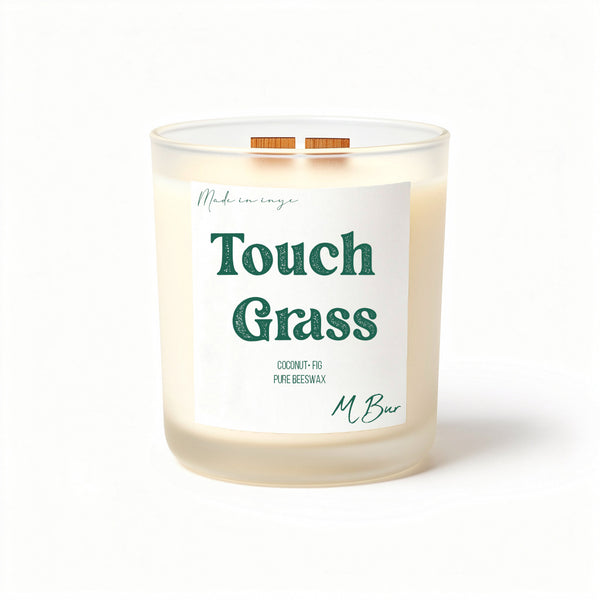
Here is the checklist. A genuinely clean candle should confirm all of the following:
- Phthalate-free fragrance oils
- No synthetic dyes (dyes burn too, and many are petroleum-derived)
- Cotton or wooden wicks, no metal core (which can contain lead)
- Disclosed wax type with no mystery blends
- Transparency about what the fragrance does and does not contain
Most big candle brands fail at least two or three of these. The fragrance is undisclosed, the dyes are synthetic, or the wax is a blend that quietly includes paraffin. To see the framework applied to real products, our 6 best non-toxic candles of 2025 ranks options against exactly this checklist.
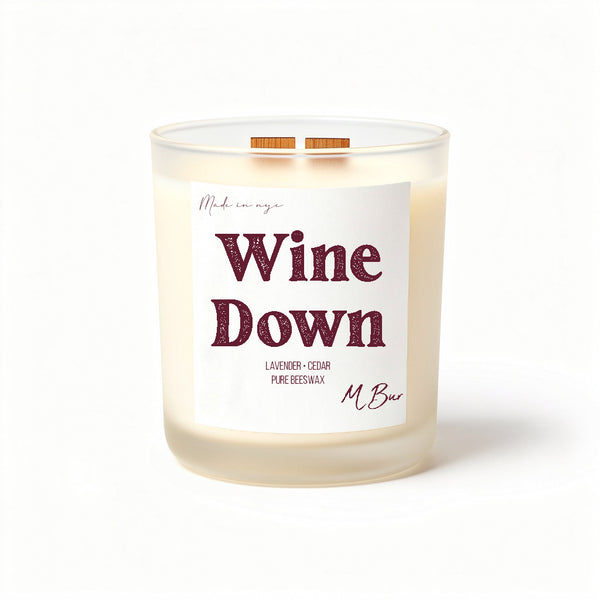
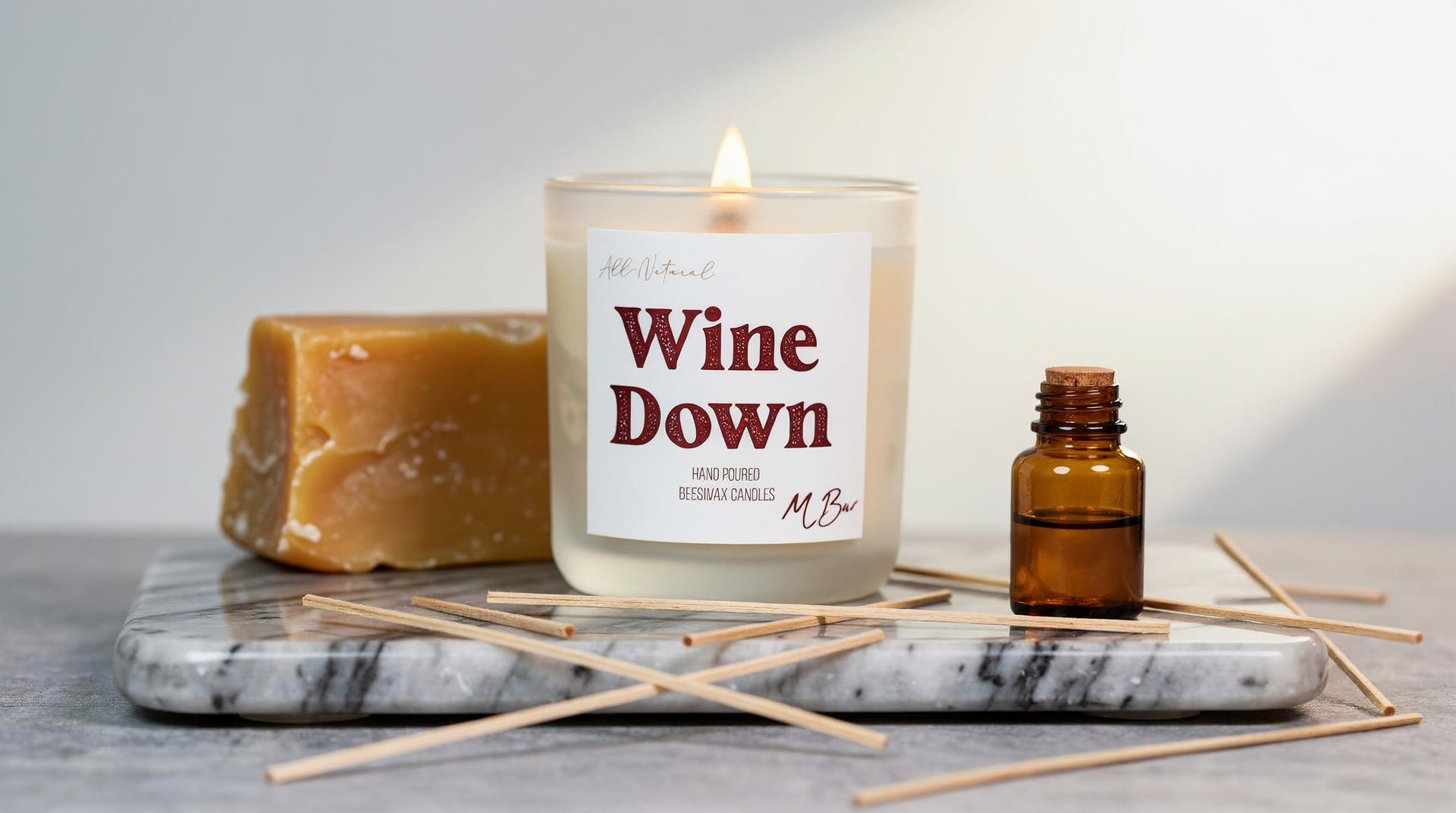
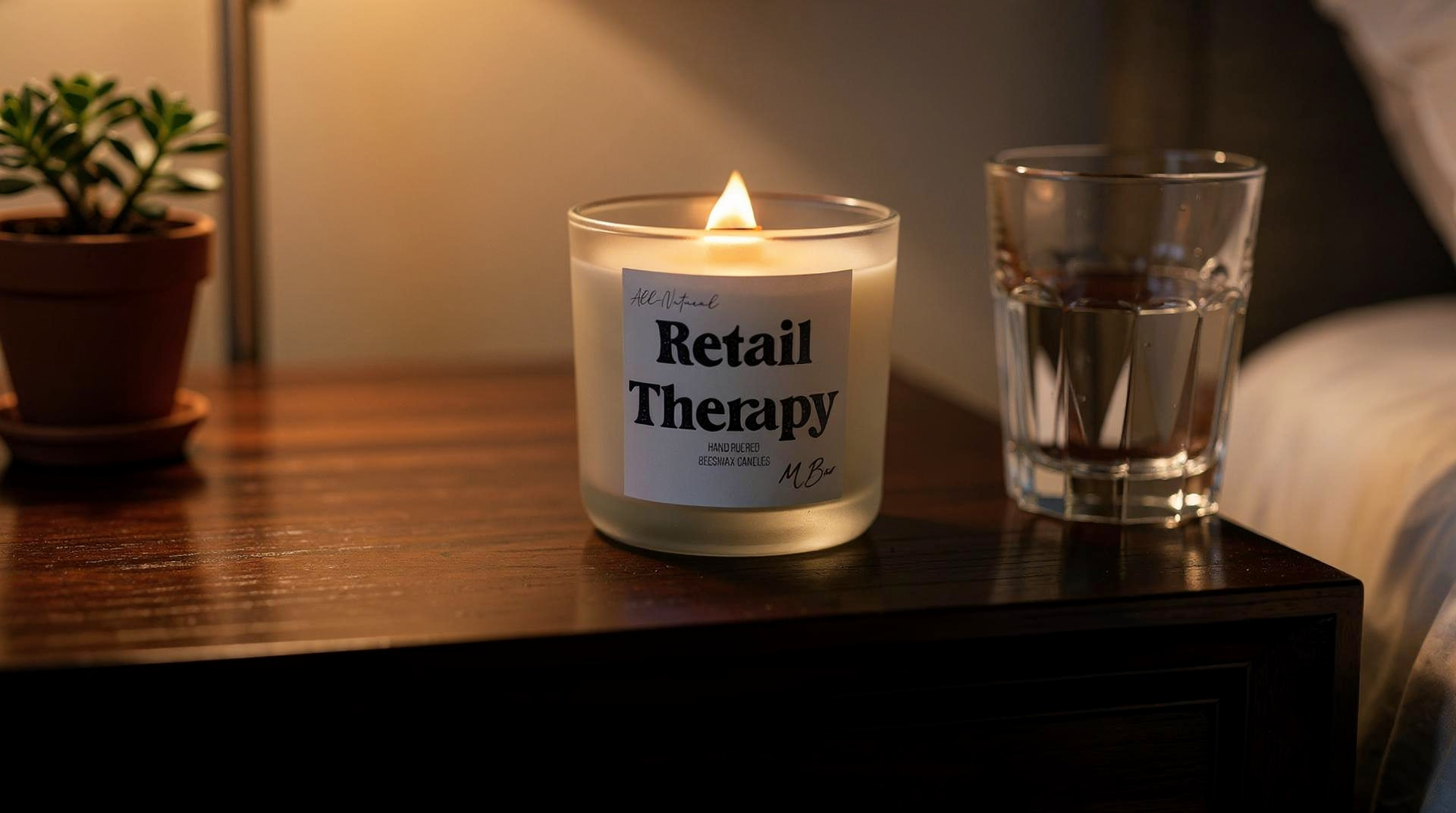
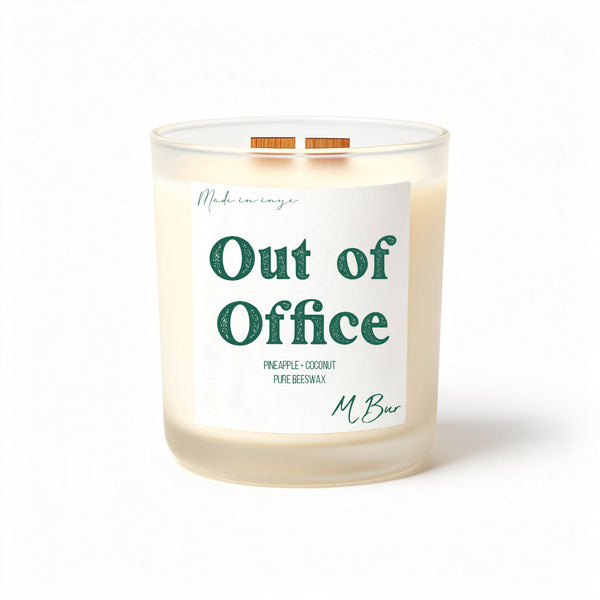
MBur candles use 100% beeswax, a single-ingredient wax with no blending, no paraffin, no mystery additives, handmade in Far Rockaway, Queens, NY. The fragrance is phthalate-free. There are no synthetic dyes. The wicks are wooden, for a cleaner, more even burn and that low crackle that settles a room. If you want a starting point, our Wine Down beeswax candle (starting at $20 for the 20-hour size) is built for the low-stimulation environment fragrance-sensitive people actually want. Lavender, chamomile, sage, cedar, and sandalwood. Nothing aggressive.
The beeswax advantage goes beyond the wax
One more piece that does not get enough attention. Beeswax has one of the highest melting points of any candle wax, so it burns hotter and combusts the fragrance more completely than softer waxes. Incomplete combustion is a major driver of soot and airborne particulate matter. Soy and paraffin burn cooler, which means more unburned fragrance compounds get released into the air as particles rather than being fully combusted. Over a two-hour burn, that is a meaningful difference in what your lungs are processing.
Beeswax also needs no chemical processing to become usable wax, and many people who react to conventional candles find it gentler. That simplicity is part of why it has been a candle material of choice for roughly 5,000 years, including in spaces where air quality genuinely mattered. For the full comparison between wax types, our beeswax vs soy comparison guide covers the research in detail.
Frequently asked questions
How do I know if a candle has phthalates in it?
Candle brands are not required to disclose individual fragrance ingredients, so you often cannot tell from the label alone. The reliable method is to look for brands that explicitly state their fragrance is phthalate-free and can back it with supplier documentation. If a brand lists "fragrance" with no further detail, assume phthalates may be present. Our full collection of phthalate-free beeswax candles discloses this clearly.
Is soy wax actually cleaner than paraffin?
Marginally, for the wax itself. Soy produces slightly less soot than paraffin. But many soy candles are blended with paraffin to improve texture, and they still frequently use the same toxic fragrance formulas that cause problems for sensitive people. Wax type alone does not determine how clean a candle burns. Our beeswax vs soy comparison covers this in detail.
Can fragrance chemicals in candles actually cause headaches?
Yes, and it is well documented. Fragrance compounds including aldehydes, benzene derivatives, and certain musks are known irritants that can trigger headaches, sinus congestion, and eye irritation, especially in enclosed spaces with limited ventilation. People with migraines are particularly susceptible. Switching to candles made with phthalate-free fragrance and clean wax like beeswax is one of the most straightforward changes you can make.
What does "fragrance free" mean on a candle label?
It means no added fragrance compounds at all. A fragrance-free beeswax candle still carries the natural, honey-like scent of the wax itself, which many people find pleasant and completely non-irritating. If you want scent without the chemical load, a phthalate-free fragrance candle is the middle ground.
Is beeswax candle fragrance safer than regular candle fragrance?
The wax itself does not determine fragrance safety. What matters is whether the fragrance oil is phthalate-free, regardless of the wax it sits in. That said, beeswax burns hotter and more completely than softer waxes, so the combustion is cleaner overall. Combine clean wax with clean fragrance and you get a genuinely different experience, which is what MBur is built on.
The takeaway
Wax type matters, but it is only half the equation. The fragrance chemicals in most candles, specifically phthalates and undisclosed VOC-releasing compounds, are the main driver of the headaches, respiratory irritation, and allergy flares that people mistakenly blame on candles as a category. The fix is simple: burn better ones.
Our Wine Down beeswax candle (starting at $20 for a 20-hour burn) is the one we recommend if you are fragrance sensitive and want something that works in a bedroom or small space without the aftermath. Phthalate-free fragrance, 100% beeswax, wooden wick.
Shop the full MBur collection and burn something that actually agrees with you.
What buyers say:
Related reading:

