
How MBur Sources Ethical Beeswax: A Sustainable Candle Supply Chain
Here is a fact most candle brands would rather you not think too hard about: wax has a supply chain. Every candle you burn started somewhere. The question is just whether that somewhere involved petroleum refineries, chemically processed soybeans, or something a little more ancient and a lot more intentional.
Beeswax has been used for light since roughly 3,000 BCE. Egyptian priests burned it in temples. Medieval monks relied on it for cathedral candles. The material itself is extraordinary, but the more interesting story is where it comes from, how it is handled, and who benefits when a jar of it lands on your shelf. That is the supply chain conversation the candle industry largely avoids.
At MBur, we are having it anyway. This post walks through how we source our beeswax, why responsible sourcing matters for the environment and for the quality of your candle, and what to look for if you are trying to make a more thoughtful purchase.
If you want to know more about where we started and why we built MBur the way we did, the full origin story is in our story: handcrafted beeswax candles from the heart of Far Rockaway, Queens NY.
Why Beeswax Sourcing Actually Matters
Most people pick up a candle, smell it, and decide, which is fair. But the wax in that candle affects more than the scent. It affects your air quality, the health of bee populations, and whether the farmers who maintain hives can sustain their operations long term.
Paraffin is a petroleum byproduct. It comes from crude oil refining, and burning it can release benzene and toluene into your home. No amount of supply chain transparency changes that, because the problem is the ingredient itself.
Soy is a step up in some respects but comes with its own complications. The majority of commercial soy wax is derived from genetically modified soybeans. Large-scale soy agriculture is a significant driver of deforestation in South America. And many so-called soy candles are actually blends that include paraffin, which brands are not required to disclose.
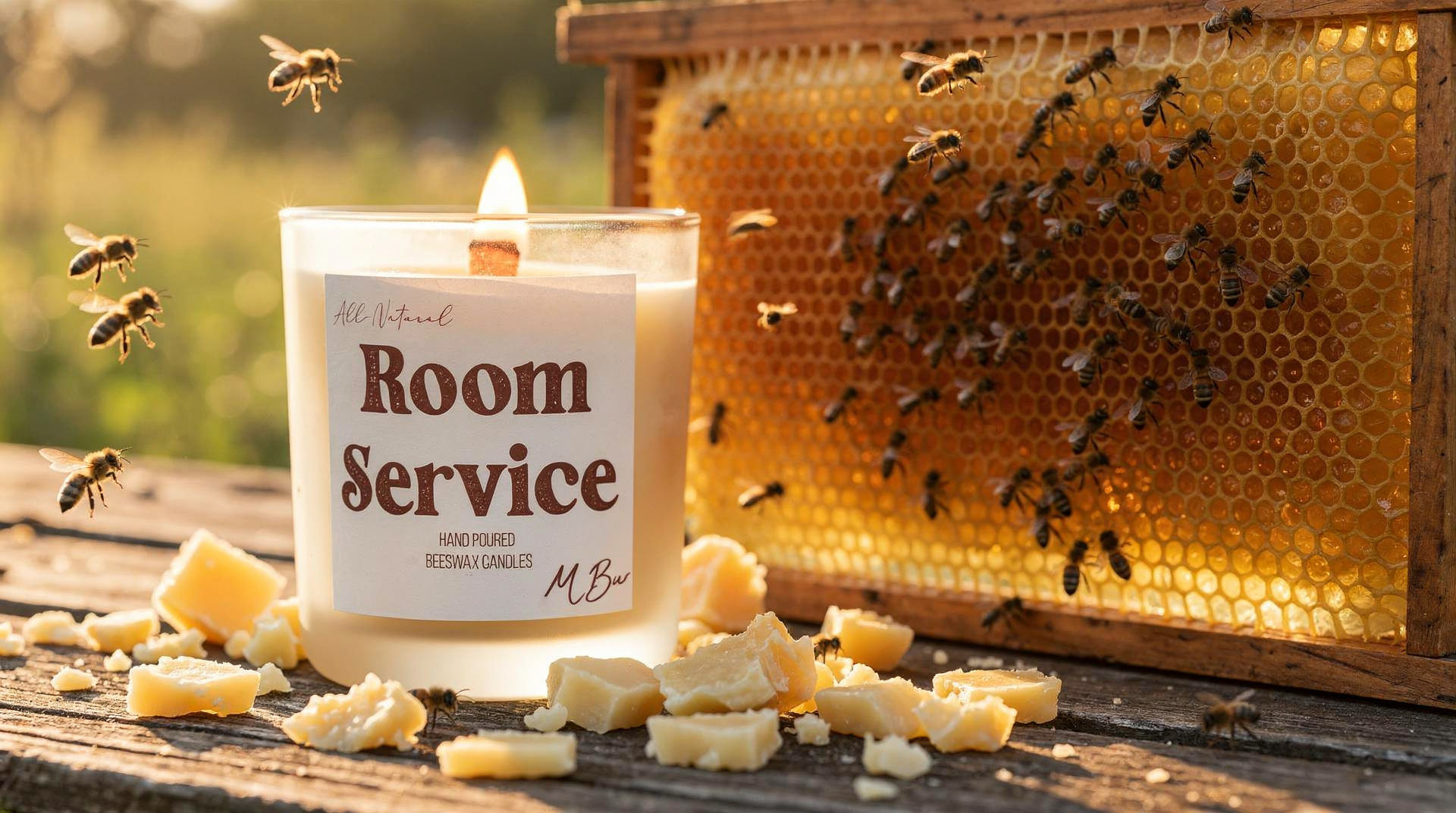
Beeswax is different in a fundamental way: it is a natural byproduct of honey production. Bees build wax combs to store honey and raise larvae. When a beekeeper harvests honey, the beeswax comes with it. There is no separate manufacturing process and no chemical extraction; the bees made it already.
That said, not all beeswax is sourced the same way. Scale, geography, and beekeeping practices vary enormously, and those differences show up in the final product.
What Responsible Beeswax Sourcing Looks Like
Responsible sourcing in the beeswax space comes down to three things: hive health, traceability, and scale.
Hive Health Comes First
Bee populations globally are under real pressure. Colony collapse disorder, habitat loss, pesticide exposure, and parasites like varroa mites have contributed to significant declines in wild and managed bee populations over the past two decades. Annual US beekeeper surveys reported the loss of roughly 45 percent of managed honeybee colonies between 2020 and 2021.
Ethical beeswax sourcing means working with beekeepers who prioritize colony health over maximum yield. That means not over-harvesting wax, which bees need for their own hive infrastructure. It means avoiding suppliers who use miticides or antibiotics indiscriminately. And it means supporting beekeepers who operate on a scale that lets them actually monitor and respond to the health of individual colonies.
Industrial beeswax operations often move hives thousands of miles for pollination contracts, stressing colonies in ways that contribute to decline. The beekeepers we work with do not operate that way.
Traceability: Knowing Where Your Wax Has Been
The beeswax market has a transparency problem. A significant portion of global beeswax supply is adulterated, meaning it has been blended with paraffin, carnauba wax, or other cheaper materials and still sold as pure beeswax. Research has documented adulteration in commercial beeswax samples tested across international markets.
Traceability is the only real protection against this. Working with suppliers who can tell you where the hives are located, what region the beeswax came from, and how it was processed is a baseline requirement for any brand that claims to use 100 percent pure beeswax.
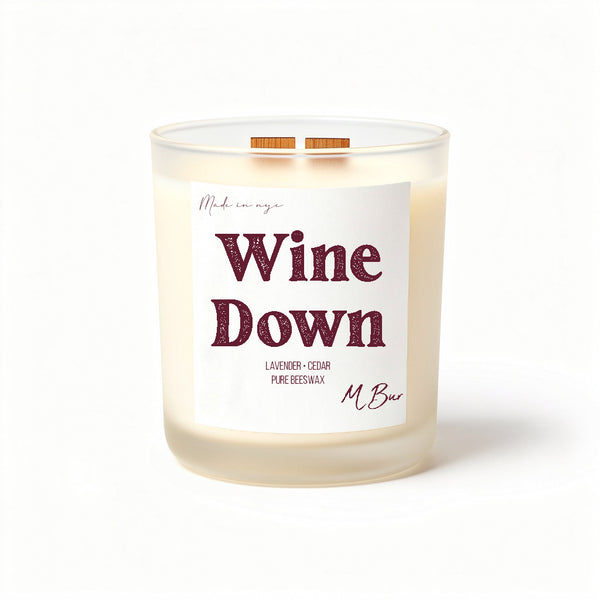
MBur uses single-ingredient wax. No blends, no fillers. What is in the jar is beeswax and nothing else. The full MBur candle collection is built on that foundation.
Scale and Relationship
There is a meaningful difference between buying beeswax as a commodity and building actual relationships with suppliers. Commodity purchasing optimizes for price. Relationship-based sourcing optimizes for consistency, quality, and the long-term viability of the people doing the work.
Small and mid-scale beekeeping operations are the backbone of sustainable beeswax supply. They tend to be more attentive to hive health, more responsive to seasonal variation, and more committed to practices that support bee populations rather than deplete them. Supporting these operations through consistent purchasing is part of what it means to source responsibly.
The Journey from Hive to Finished Candle
Here is what the supply chain actually looks like, from beginning to end.
Step 1: Honey Harvest and Wax Separation
When a beekeeper harvests honey, the process begins by uncapping the honeycomb. That uncapping produces beeswax as a byproduct. The wax is then cleaned, filtered to remove propolis and other hive debris, and typically rendered at low heat to purify it without destroying its natural properties.
Properly processed beeswax retains its characteristic honey-adjacent scent, a warm, faintly sweet smell that is entirely natural, with no fragrance added. That is what raw beeswax actually smells like.
Step 2: Quality Verification
Pure beeswax has specific characteristics that can be tested. It burns at a higher melting point than paraffin or soy (roughly 144 to 147 degrees Fahrenheit compared to 115 to 135 for most paraffin). It has a natural yellow to golden color before any bleaching. And it should not contain detectable levels of adulterants when tested.
Sourcing partners who can provide documentation on processing methods and who are willing to answer direct questions about their supply chain are the ones worth working with.
Step 3: Hand-Pouring in Far Rockaway, Queens, NY
Once the beeswax arrives at our studio in Far Rockaway, Queens, it gets melted, blended with man-made phthalate-free non-toxic fragrance, and poured by hand into the vessels that become the finished candles you order. Wooden wicks are set by hand. Every candle is inspected before it ships.
That handmade process is what maintains the quality control beeswax candles require. Beeswax behaves and cures differently than paraffin, and it needs attention at each stage that automated production lines are not designed to provide.
The result is a candle with an 80-hour burn time at the largest size, among the longest of any candle wax because beeswax has one of the highest melting points of any candle material. That means more hours per dollar and a slower, more even burn that fills a room without the aggressive throw that comes from paraffin-based candles.
These have been my favorite candles since I discovered them a few years ago! I find that the scent spreads throughout my whole home so much more than any other candle I have tried. I love the scents, they are so unique and just feel so lush and not too sweet or artificial like other candles. I love the wooden wicks! It is a beautiful glow and it makes a very subtle crackling sound. And I can really tell the difference in the natural materials, especially compared to other big brand named candles that make me feel like I need to cough.
Sarah Thompson, verified buyer
Why Beeswax Supports Beekeeping (and Why That Matters)
There is a circular relationship between ethical beeswax purchasing and bee population health that does not get talked about enough.
Beekeeping is economically marginal for many small operators. Honey prices fluctuate. Pollination contracts are dominated by large commercial outfits. Beeswax, as a secondary product, provides an additional revenue stream that can make the difference between a beekeeper staying in business or walking away from their hives.
When people buy products made with responsibly sourced beeswax from suppliers who pay fair prices, they are participating in an economic loop that supports the people maintaining healthy bee colonies. Those healthy colonies support pollination of roughly one-third of the global food supply. The connection between your candle and the agricultural ecosystem is a literal one.
Beeswax is also the oldest candle material in human history. Choosing it means choosing a material that does not require petrochemical processing, does not contribute to deforestation, and produces a cleaner burn than anything manufactured in a refinery.
What This Means for Your Candle
Everything described above shows up in the finished product in ways you can actually notice.
The natural honey scent of beeswax means the candle has a warm base note even before fragrance is added. The high melting point means the wax burns slowly and produces less soot than lower-melting waxes. The wooden wick produces a soft crackling sound and a wide, even flame that throws scent more effectively across a room.
Because beeswax does not require the chemical processing that introduces irritants into paraffin, many people who react to conventional candles find they tolerate it better. Its flame also has a warm, golden quality that many people find softer and less harsh than other candles.
If you have ever switched away from a mass-market candle because it gave you a headache or left black residue on your walls, the ingredient difference is almost certainly part of what you were reacting to. Jason H. put it directly:
I absolutely love these candles! I instantly notice the difference in the air quality, in comparison to the Bath and Body scented candles. I love Bath and Body's candles but I acknowledge that it caused a slight headache and other minor respiratory discomfort. Awesome products. Totally addicted.
Jason H., verified buyer
That shift in experience comes from burning a material that was not refined from crude oil and does not need phthalate fragrance compounds to project a scent across a room.
FAQ
What makes beeswax ethical to source?
Ethical beeswax sourcing means working with beekeepers who prioritize colony health, do not over-harvest wax, avoid harmful pesticides, and operate at a scale that allows genuine oversight of hive conditions. It also means traceability: knowing where the wax came from and being confident it has not been adulterated with paraffin or other cheaper materials.
Is all beeswax the same?
No. Beeswax quality varies significantly based on how hives are managed, how the wax is processed after harvest, and whether it has been blended with other waxes. MBur uses 100 percent pure beeswax with no blends or fillers. If you want to understand what separates quality beeswax candles from the rest, the complete guide to beeswax candles breaks it down in detail.
Does buying beeswax candles actually help bee populations?
When purchased from responsible sources, yes. Beeswax is a byproduct of honey production, so buying it does not require additional harm to bees. The revenue it provides to small-scale beekeepers supports operations that maintain healthy, well-managed colonies. Industrial beekeeping is a different story, which is why sourcing practices matter.
How do I know if a candle is actually 100 percent beeswax?
Look for brands that explicitly state single-ingredient wax and can describe their sourcing. Beeswax has a naturally golden color and a faint honey scent even before fragrance is added. A very low price point is often a signal of adulteration. For a full breakdown of what to look for, here is how to tell good quality candles apart from the rest.
What other ingredients should I watch for in candles beyond the wax?
Wick type and fragrance are the two other major variables. Metal-core wicks can release heavy metals when burned. Fragrance compounds that contain phthalates are linked to hormone disruption and respiratory irritation. MBur uses wooden wicks and phthalate-free fragrance exclusively. For a deeper look at fragrance specifically, phthalate-free candles versus regular scented candles covers what is actually in your air when you burn a conventional candle.
The Takeaway
Ethical beeswax sourcing comes down to a series of actual decisions: who you buy from, how much you pay, what questions you ask, and whether you prioritize consistency and quality over lowest possible cost. Every one of those decisions shows up in the finished candle.
MBur candles are built around 100 percent pure beeswax because it is one of the cleanest, longest-burning, most naturally derived candle materials that exists. The supply chain behind it matters to us, which is why we talk about it.
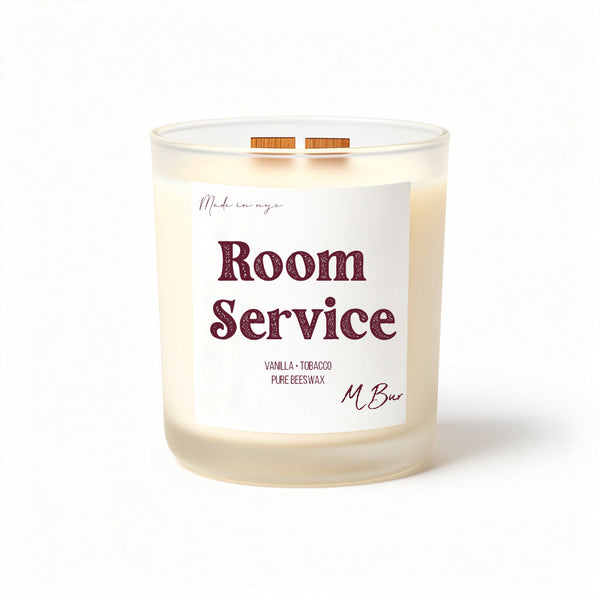
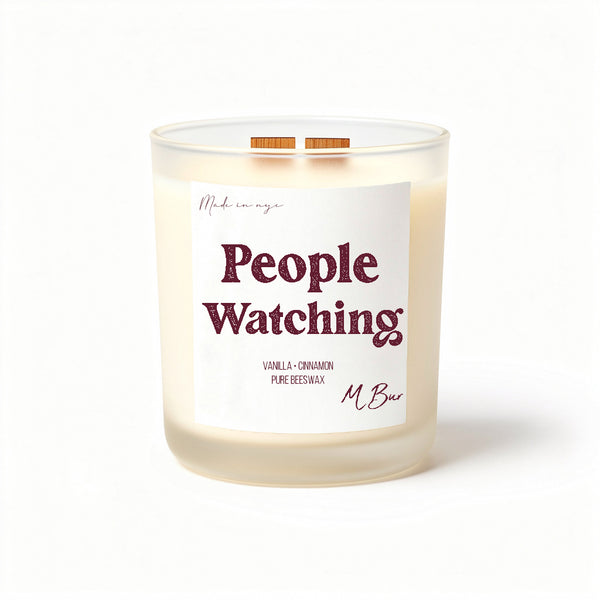
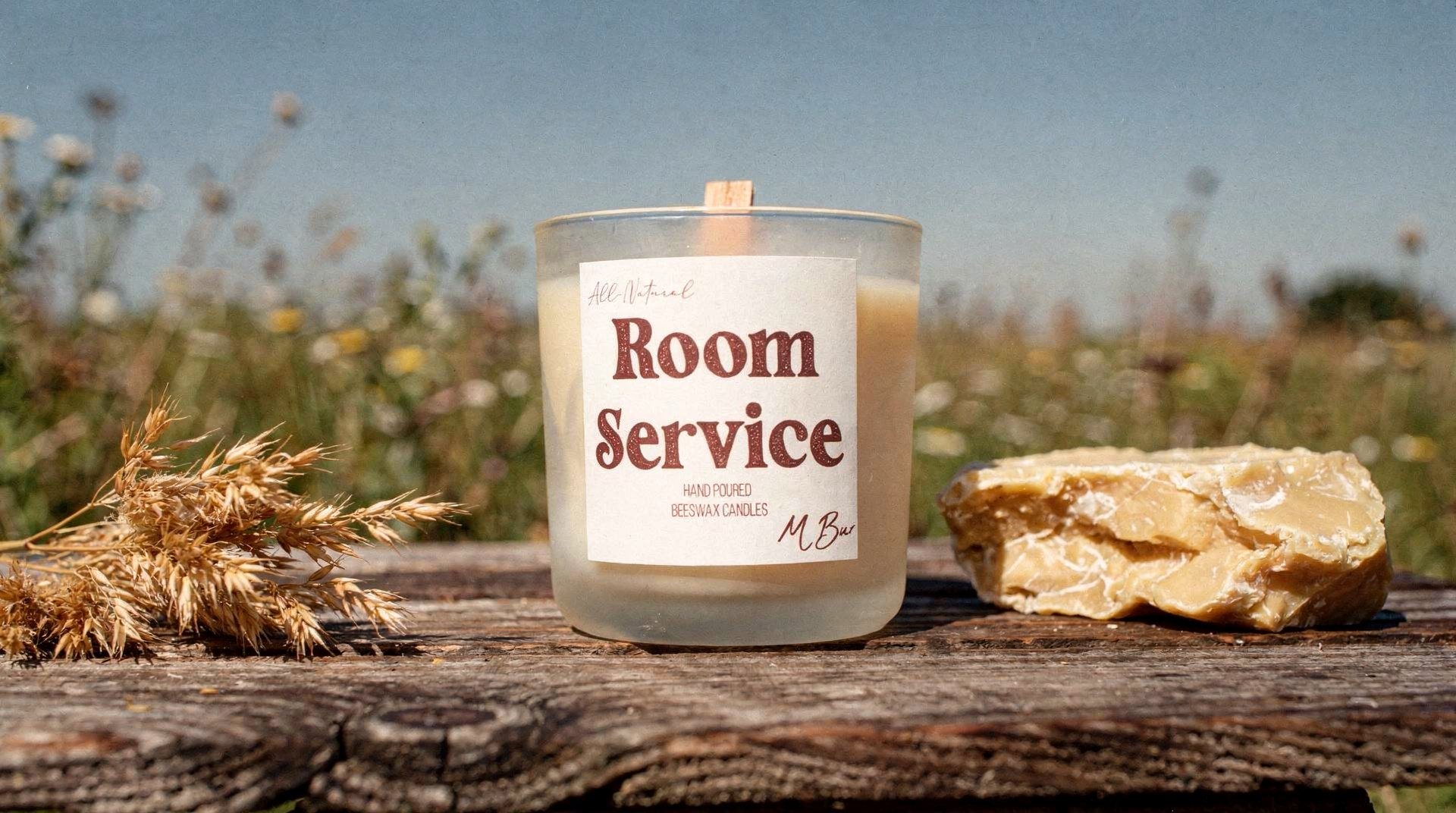
If you want to try a candle built on this foundation, the Room Service beeswax candle (starting at $20 for the 20-hour size) is our most popular starting point, and it is backed by our 30-day satisfaction guarantee.
Our full range is at the MBur collection, and every candle ships from Far Rockaway, Queens.
Related reading
- Our story: handmade beeswax candles from the heart of Far Rockaway, Queens NY
- The complete guide to beeswax candles: everything you need to know before you buy
- The real benefits of natural beeswax candles (and why your current candles might be the problem)
- Paraffin vs. beeswax vs. soy: which candle wax is safest for indoor air quality
What buyers say:

