

How to Make Your Candle Last 80+ Hours: Burn Time Secrets That Actually Work
How to Make Your Candle Last 80+ Hours: Burn Time Secrets That Actually Work
You spent real money on a candle. A good one. And somehow it tunneled down the middle, drowned its own wick, and called it quits after twelve hours. Sound familiar?
Bad candle care is the number one reason people get a fraction of the burn time they were promised. The good news: almost every common candle killer is completely preventable. By the end of this post, you will know exactly how to get the full burn time out of any candle you own, and why some candles are built to go the distance while others are not.
If you want to start with a candle that already has the longest possible burn time baked into the wax itself, our 100% beeswax candle collection burns up to 80 hours on a single 12oz pour. No tricks required. But the tricks below will still help you get every last hour out of it.
Why Your Candle Burns Out Way Too Fast
Before we talk solutions, we need to talk about why candles underperform in the first place. Most candle problems trace back to three culprits: wax type, wick condition, and burn behavior.
Paraffin wax is petroleum waste, full stop. It has a low melting point, which means it burns hot and fast and tends to tunnel before the melt pool can catch up to the edges. Soy is better, but most mass market soy candles are actually soy blends cut with paraffin to reduce cost, which creates the same problem.
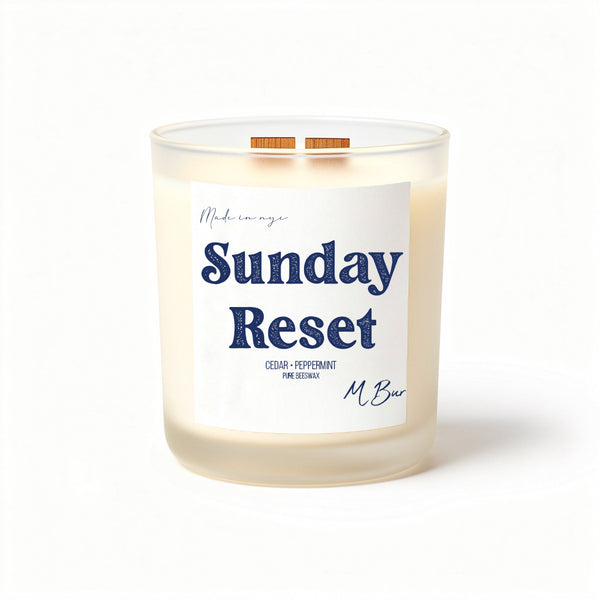
Beeswax is a different animal entirely. It has the highest melting point of any candle wax, which is exactly why a Sunday Reset beeswax candle in the 12oz size can hit 80 hours of burn time while a comparably sized paraffin candle might top out at 40. The wax itself does more of the heavy lifting when it comes to longevity.
But even the best wax in the world will underperform if you ignore the basics. Here is what actually matters.
The First Burn Is the Most Important Burn
This is where most candles go wrong, and it happens in the first sitting. Wax has what is called a memory. The melt pool from your first burn sets the template for every burn that follows. If that first melt pool does not reach the edges of the jar, the candle will tunnel straight down every time you light it, wasting a ring of usable wax around the perimeter and dramatically cutting your total burn time.
The rule is simple: on the first burn, let the candle go until the entire surface is liquid. For a wide jar candle, that can take two to four hours. Do not blow it out at the one hour mark just because you are leaving the room. Set the time, commit to the burn, and let the wax do what it needs to do.
This single habit will add hours to your candle. Possibly many hours.
Trim the Wick Before Every Single Burn
Here is a number: your wick should be between 1/8 and 3/16 of an inch before you light it. Every time. Not just the first time. Not just when it looks really long. Every single time.
A wick that is too long creates a flame that is too big. A flame that is too big burns hotter than it needs to, eats through wax faster than it should, and produces soot that dirties up your jar and your air. It is the candle equivalent of driving with your foot all the way to the floor.
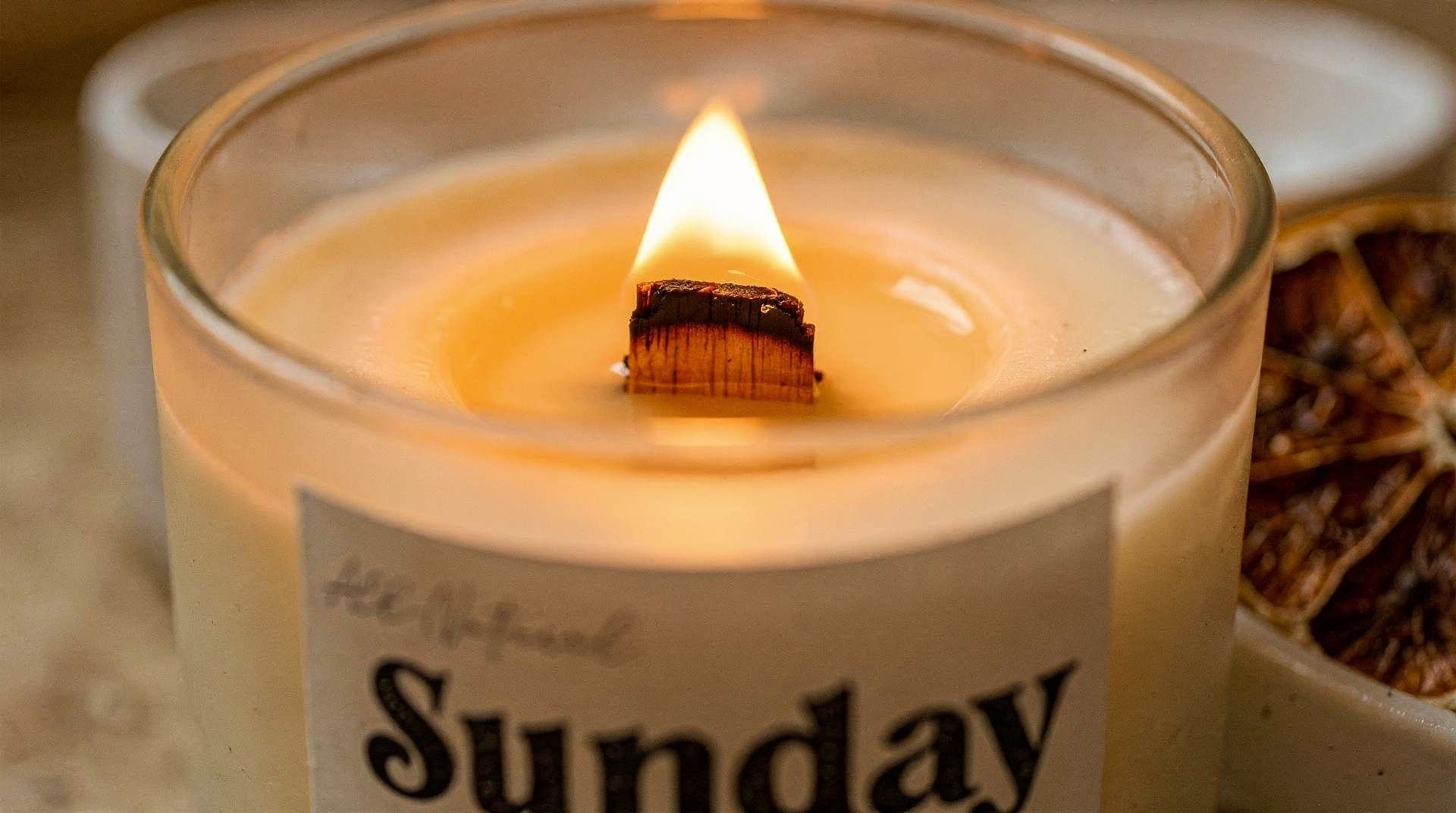
Trim your wick, and you get a cleaner, slower, more controlled burn. You also get less mushrooming at the tip, which is that little carbon blob that forms when the wick has been running too hot. Mushroomed wicks are inefficient and they look terrible.
For wooden wicks specifically, trimming looks a little different. You are not snipping the wick so much as pinching off the charred top layer before each burn. A wick trimmer works great for this. If you do not have one, your fingers work fine. Just make sure the candle is completely cool before you go in.
Stop Burning It for 30 Minutes and Calling It Done
Short burns are one of the most underrated ways to kill a candle's lifespan. Every time you burn a candle for less than an hour, you are getting almost no scent throw, creating tunneling risk, and running through wick faster than wax.
The minimum effective burn time for most candles is one to two hours. This gives the melt pool time to develop fully and lets the fragrance actually diffuse into the room. If you only have 20 minutes, skip it. Wait until you can give it a proper burn.
On the flip side, burning a candle for more than four hours at a stretch is also a problem. The wick starts to drift, the jar gets dangerously hot, and the wax can actually degrade. Four hours is your ceiling. One to four hours is the sweet spot.
"From the packaging to the burn of the candle, everything was top notch! Candle burned slowly and was exactly the amount of hours the company said it would burn. I was able to enjoy it for days even though it was the smaller size." Portia Darby, Retail Therapy Candle
What Portia is describing is exactly what happens when a quality candle meets proper burn behavior. The hours add up because nothing is being wasted.
Where You Place the Candle Matters More Than You Think
Drafts are silent candle killers. An open window, a ceiling fan, a vent blowing nearby: any of these will cause your flame to flicker unevenly, which leads to uneven wax melting, more soot, and faster burn through on one side of the wick.
Keep your candles away from direct airflow. A still room is a longer burning room. This is especially relevant for wooden wick candles, which tend to have a slightly wider, lower flame profile than cotton wicks and can be more sensitive to drafts. If the flame is dancing around aggressively, move the candle or close a window.
Room temperature also plays a role. Candles in very warm rooms will have softer wax that melts faster. Candles in cool rooms burn slower. Not something you need to obsess over, but worth knowing if you are optimizing every hour.
The Wax Type Conversation You Cannot Skip
We have touched on this, but it deserves its own section because it is the single biggest factor in burn time and it is entirely determined before you even buy the candle.
Paraffin: burns fast, low melting point, releases volatile organic compounds including benzene and toluene when burned. Not a great starting point.
Soy: cleaner than paraffin when it is truly pure soy, but most commercial soy candles are blends. Burn time is better than paraffin but still significantly shorter than beeswax.
Beeswax: the highest melting point of any candle wax, which translates directly into the slowest, longest burn. It also emits a light spectrum closest to natural sunlight, produces minimal soot, and is naturally hypoallergenic. It is not blended with anything. It is just beeswax.
For a deeper look at how these wax types compare across every dimension, our beeswax vs. soy vs. paraffin breakdown covers the full picture. But the short version is this: if you want 80 hours of burn time, you need beeswax. It is not close.
Fragrance Load and Toxic Fragrance: What They Do to Burn Time
Candle brands often overload their candles with fragrance to create an immediate, powerful cold throw (the scent you smell when the candle is not lit). The problem is that high fragrance loads, especially those using toxic fragrance compounds, can actually interfere with how the wax burns.
Too much fragrance oil in a candle can cause the wax to burn unevenly, the wick to clog, and the candle to produce more soot. Some toxic fragrance compounds also have lower flash points, meaning they burn off quickly instead of releasing slowly through the wax.
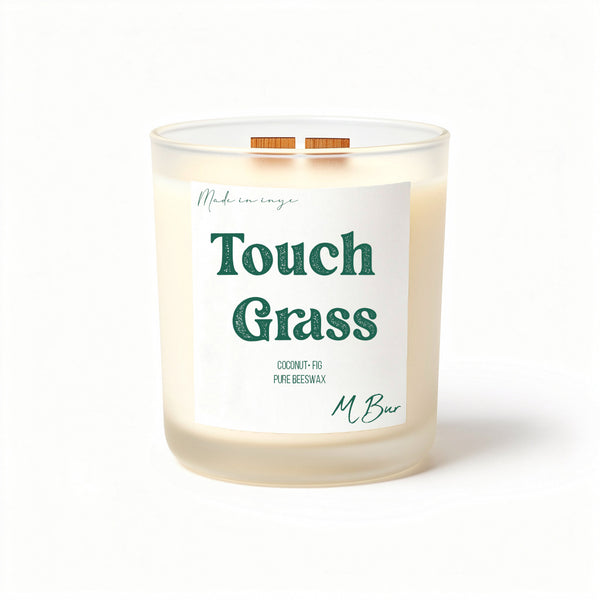
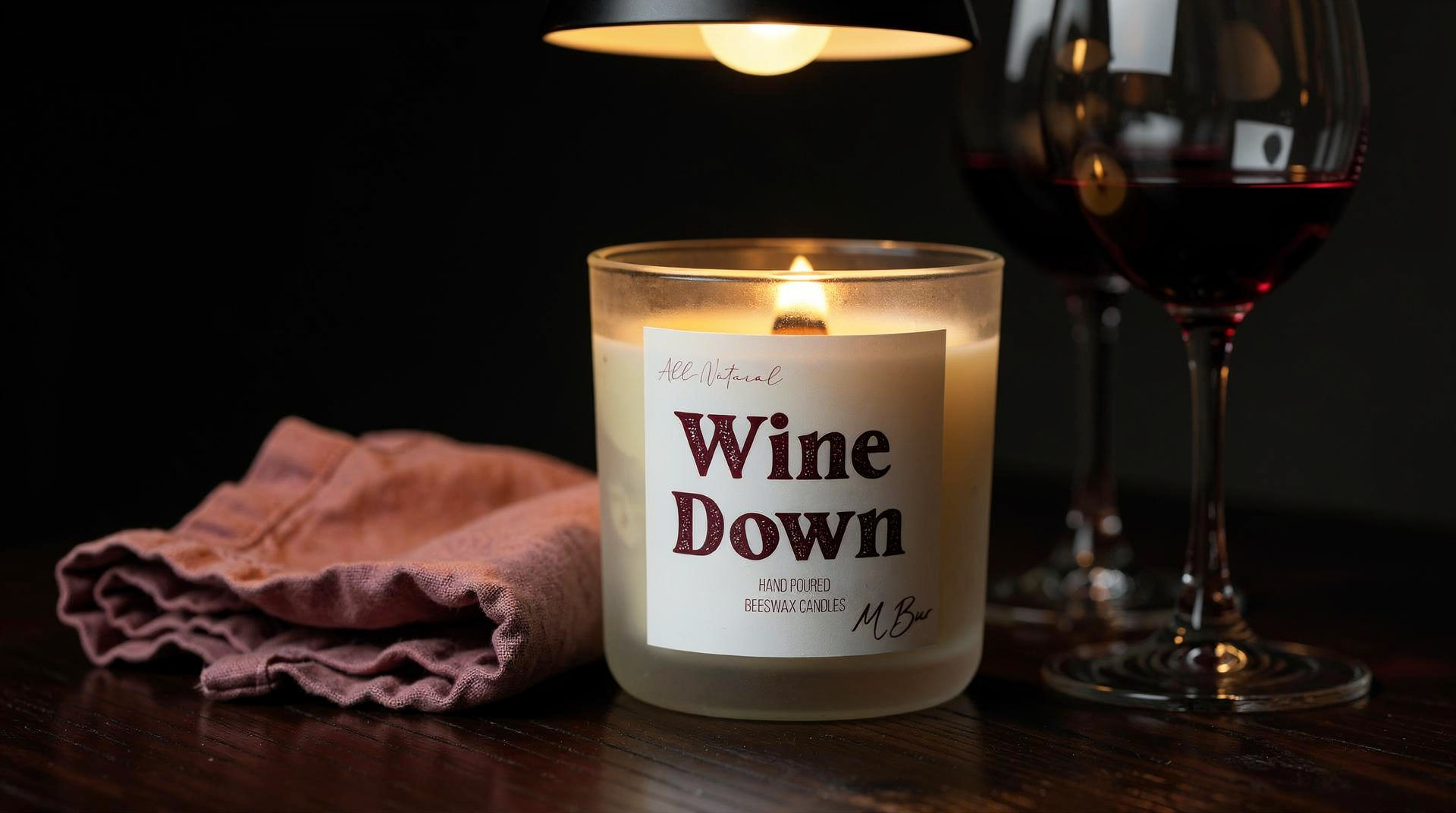
Candles using phthalate free, non toxic fragrance in the correct load percentage burn more efficiently. The scent release is steadier, the wax combustion is cleaner, and the wick stays healthier longer. This is one of the reasons a Wine Down beeswax candle fills a room without burning out fast. The fragrance is doing its job without fighting the wax.
"A lot of other candles tend to give me headaches, but this one was a total game changer. I was able to enjoy the calming aroma without any discomfort." Nicole D., Wine Down Candle
When the fragrance is non toxic and properly loaded, you get more hours and a better experience. It is not a coincidence.
How to Extinguish Your Candle Properly
Blowing out a candle creates a plume of smoke and sometimes pushes the wick off center. Neither of these is great for your next burn.
A candle snuffer or a wick dipper is a better option. A snuffer starves the flame of oxygen cleanly. A wick dipper lets you bend the wick into the melt pool to extinguish it, then straighten it back up before the wax solidifies. This also coats the wick in wax, which makes relighting easier and helps the wick stay centered.
After extinguishing, always let the candle cool completely before you put the lid on or move it. Trapping heat in a closed jar can affect the wax surface texture and, over time, the integrity of the fragrance compounds.
Frequently Asked Questions
How long should I let my candle burn the first time?
Long enough for the melt pool to reach the full diameter of the jar, which is usually two to four hours depending on the candle size. Skipping this step is the fastest way to create tunneling that will never fully recover. If you are working with one of our beeswax candles from the full collection, plan for a two to three hour first burn on the 5oz size and three to four hours on the 12oz.
How short should I trim my wick?
Aim for 1/8 to 3/16 of an inch before every burn. For wooden wicks, that means pinching or snipping off the charred black tip so you are starting with clean wood. A wick that is too short will not sustain a proper flame. A wick that is too long burns hotter than it needs to and eats through wax faster.
Why does my candle keep tunneling even when I do everything right?
If you inherited a tunneling candle (maybe you skipped the first burn rule, or maybe you bought a candle with too little fragrance load and a narrow initial melt pool), try the foil trick: loosely tent aluminum foil over the top of the jar with a small hole for airflow and burn for two to three hours. The reflected heat can help soften the wax walls and encourage the melt pool to catch up. This works best on paraffin and soy. Beeswax candles like the Do Not Disturb beeswax candle rarely tunnel when given a proper first burn because beeswax melts more evenly by nature.
Does candle size actually affect how long it lasts?
Yes, but not just in the obvious way. Larger jars give the wick more surface area to work with, which allows for a fuller melt pool at lower heat. This is one reason the 12oz size of our candles hits 80 hours while the 2.5oz tops out at 20. It is not just about volume. It is about combustion geometry. If you want to maximize hours per dollar, the larger size is always the better value.
What candle wax actually gives you the longest burn time?
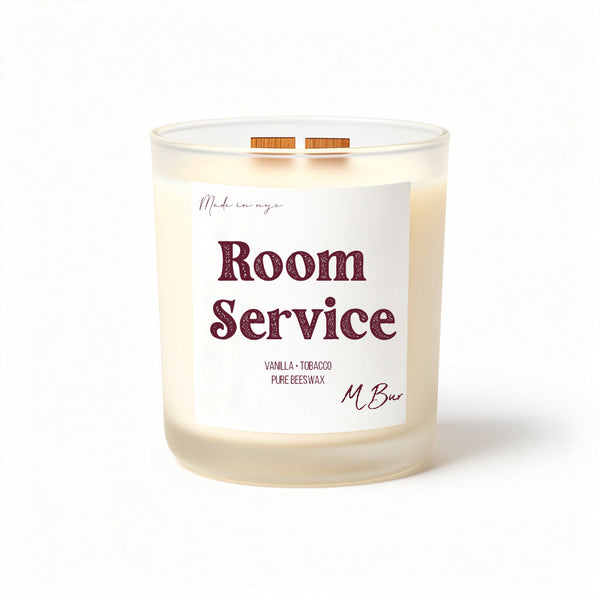
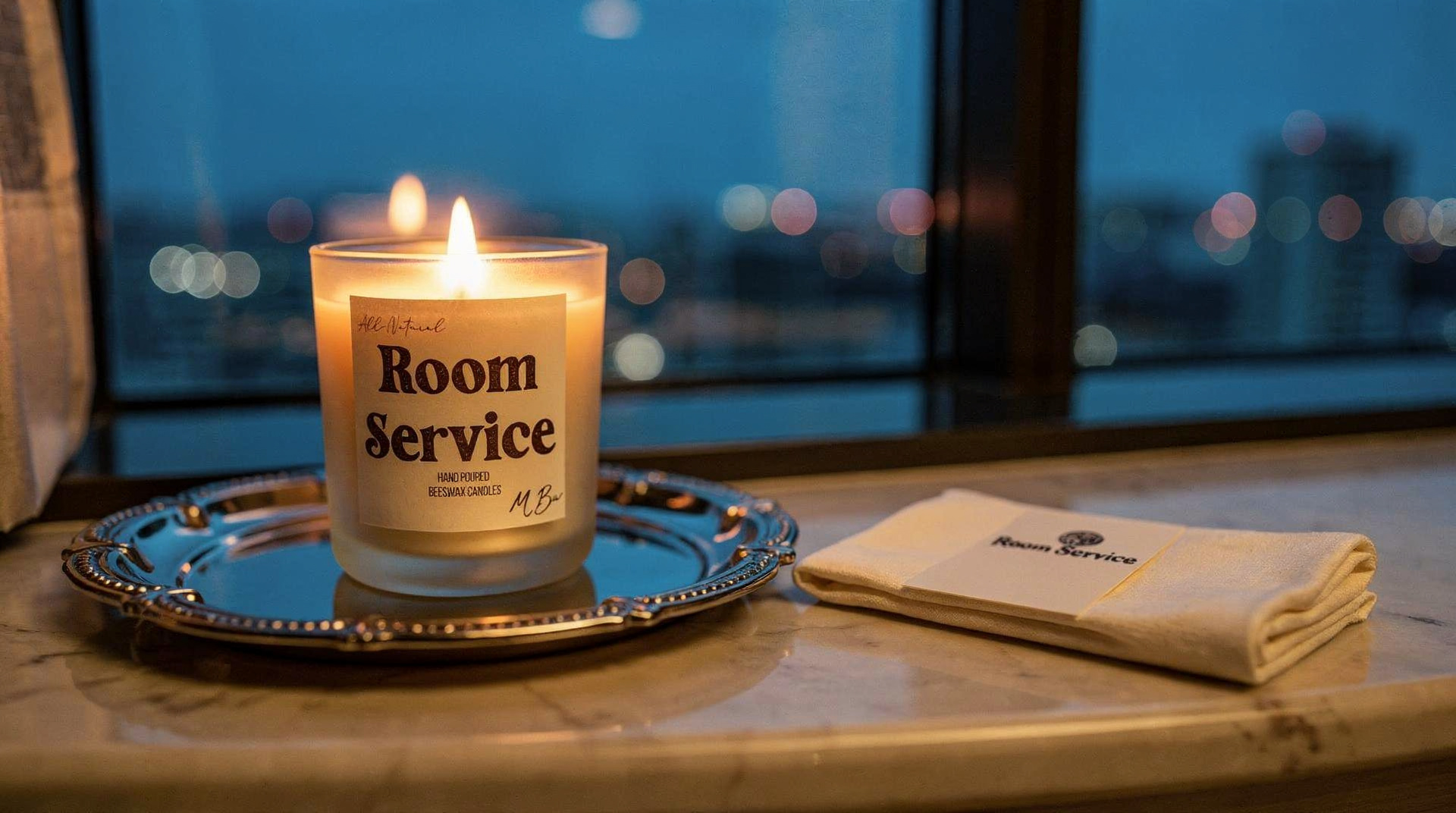
Beeswax, and it is not close. The high melting point means the wax combusts more slowly and completely. Paraffin burns off fast. Most soy candles on the market are blended with paraffin anyway. If you want the full 80 hours, the answer is a pure beeswax candle like Room Service in the 12oz size, not a blend, not a promise on a label.
The Takeaway
Getting 80 plus hours out of a candle is not magic. It is a combination of starting with the right wax, trimming your wick every single time, nailing the first burn, keeping drafts away, and not cutting burns short before the melt pool develops.
Most candles never get the chance to reach their potential because they are burned carelessly with cheap wax underneath. If you want to skip the guesswork and start with a candle that is already engineered for maximum burn time, our Sunday Reset beeswax candle in the 12oz size ($65) is 80 hours of clean, steady burn with a wooden wick that crackles and a fragrance load that does not fight the wax. No tunneling. No toxic fragrance. No wasted wax.
"I love this scent!!!! It has been getting me through my workday. I will definitely be reordering but going bigger next time!!!" Calvin P., Sunday Reset Candle
Calvin already figured it out. Go bigger. Burn smarter. Get every hour you paid for.
Shop the Sunday Reset beeswax candle and start your first proper burn tonight.
What buyers say:
Related Reading:

