

Wooden Wick Candle Problems: Why Your Candle Won't Stay Lit (And How to Fix It)
You just lit your beautiful wooden wick candle, settled in for some cozy vibes, and five minutes later the flame sputters out. Again. Now you're sitting there with a barely warm candle that smells like disappointment instead of the fragrance you paid for.
Here is the quick answer: a wooden wick that keeps dying is almost always too long, clogged with debris, or fighting a draft. Trim it to about 1/8 inch, clear the wax pool, keep it out of moving air, and give it a full melt pool on the first burn. Wooden wicks are worth the small learning curve for the crackle, the even burn, and the longer life. We hand-pour 100% beeswax candles with untreated wooden wicks in Far Rockaway, Queens, so below is everything we tell our own customers. If you want to skip to a wick that behaves, start with our beeswax candles with wooden wicks.
The Most Common Wooden Wick Candle Problems
Three issues cause most of the frustration:
Problem 1: Flame Too Small or Keeps Going Out
You light the wick, it catches, then it stays tiny or dies within minutes. Usually the wick is too long, too short, or there is debris interfering with the burn.
Wooden wicks need to sit at the right length to hold the balance between too much fuel, which smokes and soots, and too little fuel, which starves the flame.
Problem 2: Tunneling
Tunneling is when a candle burns straight down the middle and leaves a ring of unmelted wax around the edge. With wooden wicks it usually means the wick is too narrow for the candle's diameter, or it was not burned long enough during the first few uses.
Tunneling wastes wax, makes the candle perform poorly, and shortens the total burn time.
Problem 3: Wick Won't Light at All
Sometimes a wooden wick refuses to catch, especially if it has been sitting a while or picked up moisture. Wooden wicks can be stubbier to start than cotton.
Why Wooden Wicks Behave Differently
Cotton wicks draw liquid wax up through capillary action, like a straw. Wooden wicks work by getting hot enough to vaporize the wax around them, and that vapor feeds the flame.
That makes wooden wicks more sensitive to a few things:
- Wick length and width
- Wax type and quality
- Drafts and other air movement
- How long you burn them each session
The payoff is real. When a wooden wick runs right, it burns evenly, lasts longer, and makes that soft crackle that turns a room into a cabin fireplace.
Step-by-Step Solutions for Wooden Wick Problems
Fix 1: Proper Wick Trimming
This is where most people go wrong. You cannot trim a wooden wick the way you trim cotton.
How to trim: take it down to about 1/8 inch above the wax with nail clippers or wick trimmers. Make one clean, straight cut, then clear any charred bits out of the wax pool.
When to trim: before every single use, even if you only burned it for an hour yesterday.
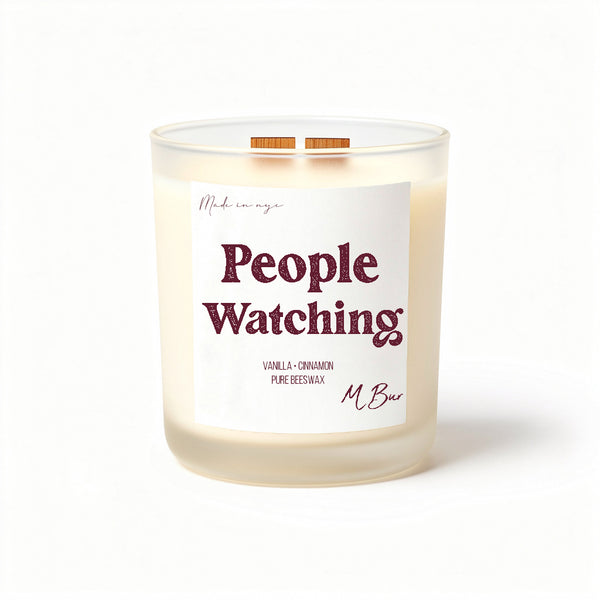
Our People Watching beeswax candle ships with trimming instructions, and buyers consistently mention how well it stays lit when they follow them.
I love the crackle of the wooden wick, very soothing.
Beatrice S., verified buyer
Fix 2: The First Burn Rule
The first burn sets up every burn after it. Light the candle and let it burn about 1 hour for every inch of diameter.
So a 3-inch-wide candle wants at least 3 hours on the first use. That creates a full "memory ring" and prevents tunneling later.
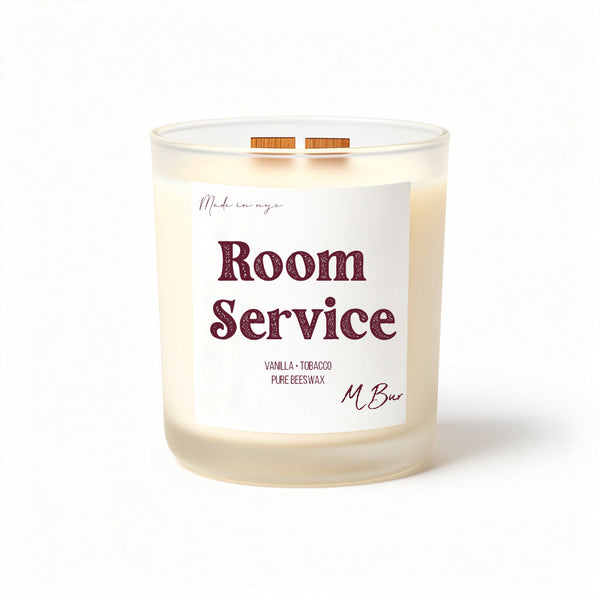
Do not worry about burning too long on the first use. Beeswax candles like our Room Service candle handle long sessions without trouble.
Fix 3: Lighting a Stubborn Wooden Wick
If the wick will not catch or dies right after lighting:
- Hold the flame to the wick for 10 to 15 seconds, not a quick touch.
- Angle the lighter so the flame meets the base of the wick where it enters the wax.
- If it is still stubborn, use a long match instead of a lighter.
- Make sure there is no draft in the room.
Sometimes you have to prime a wooden wick by holding the flame longer than feels natural. Be patient with it.
Fix 4: Rescuing a Tunneling Candle
If it is already tunneling, you can usually recover it:
Foil method: wrap aluminum foil around the top edge, leaving the center open. It reflects heat down onto the outer ring. Burn 1 to 2 hours like this.
Hair dryer method: use a hair dryer on low to melt the outer ring until it is level with the center, then let it cool and set before relighting.
Prevention: always burn long enough for a full melt pool across the whole surface, usually 1 to 3 hours depending on size.
Why Wax Type Matters for Wooden Wicks
Not all waxes work equally well with a wooden wick.
Paraffin: lights easily but burns fast, and it is petroleum-based, so some studies have found it can release compounds like benzene and toluene.
Soy: better than paraffin, but often blended with other waxes and can be inconsistent with wooden wicks in cheaper candles.
Beeswax: the gold standard for wooden wicks. It burns slowly and evenly, holds steady performance through the life of the candle, and is natural and non-toxic.
That is why our beeswax candles run so consistently. Beeswax has the density and melt point to keep a wooden wick burning steadily, without the flickering you get from synthetic waxes.
These have been my favorite candles since I discovered them a few years ago. I love the wooden wicks. It's a beautiful glow and it makes a very subtle crackling sound. And I can really tell the difference in the natural materials, especially compared to other big brand named candles that make me feel like I need to cough.
Sarah Thompson, verified buyer
Environmental Factors That Affect Wooden Wicks
Your room matters as much as the candle.
Drafts: even small air currents make a wooden wick flutter and die. Check for ceiling fans, vents, and open windows nearby.
Humidity: high humidity makes wicks harder to light and keep lit. Store candles somewhere dry.
Temperature: a very cold room fights the flame. Let the candle reach room temperature before lighting.
Altitude: higher elevations have less oxygen, which affects the flame. Above about 3,000 feet you may need to trim slightly shorter.
When to Replace vs. Repair
Some problems are not fixable.
Replace if:
- The wick has burned all the way down to the wax.
- The wick keeps breaking off when you try to trim it.
- Tunneling is so bad there is not enough wick left to reach the remaining wax.
Repair if:
- The flame is just small or goes out occasionally.
- There is minor tunneling the foil method can fix.
- The wick will not light but is still long enough.
- There is debris in the wax pool interfering with the burn.
FAQ: Wooden Wick Troubleshooting
How long should a wooden wick flame be?
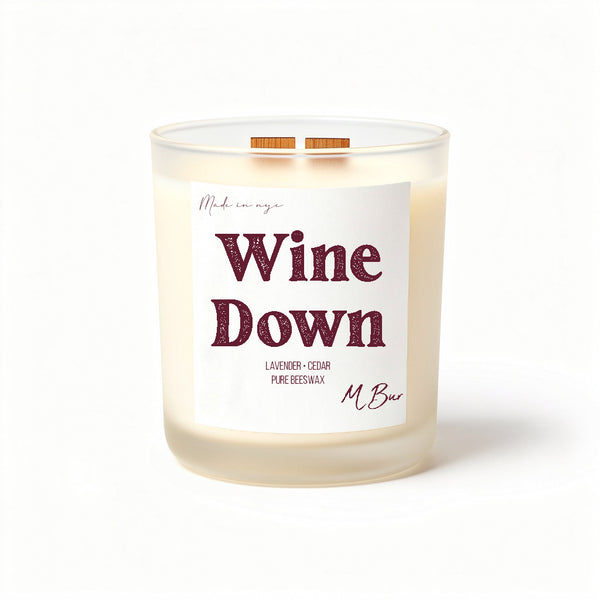
About 1/4 to 1/2 inch tall. Smaller than that and the wick is too short or there is debris in the pool. Taller than 1/2 inch and you should trim it down. Our Wine Down candle is a good reference for proper flame height.
Why does my wooden wick candle smoke?
Usually the wick is too long or there is a draft. Trim to 1/8 inch and move the candle out of moving air. Clean beeswax like our Sunday Reset candle produces minimal smoke when burned properly.
Can you relight a wooden wick right after blowing it out?
Wait a minute or two for the wick to cool. A hot wooden wick is harder to light and tends to smoke more.
How often should I trim a wooden wick?
Before every use, even if you burned it yesterday. Consistent trimming is the key to consistent performance.
What is the crackling sound from wooden wicks?
It is the wood fibers burning and releasing moisture. It is completely normal and one of the best parts of a wooden wick, and it comes through most clearly with a clean-burning wax like beeswax.
The MBur Difference: Why Our Wooden Wicks Stay Lit
After troubleshooting a lot of wooden wick problems, the pattern is clear: most of it comes down to wax quality and wick sizing.
Our candles use properly sized wooden wicks tested for consistent performance, set in 100% pure beeswax that burns at the right temperature to keep them lit. No synthetic additives to interfere with the burn, and the 80-hour size gives you far more time than a 20-hour candle that quits halfway through.
I love these candles and am grateful I found a non-toxic one I can burn daily. I discovered them on YouTube, and after watching some vlogs and seeing their hard work building this business I just had to support.
Tahira, verified buyer
Stop Fighting Your Candles
Wooden wick problems are frustrating, but they are usually fixable with the right technique. Proper trimming, enough burn time, and quality wax are the difference between a candle that fights you and one that performs every time.
It starts with a well-made candle built to run consistently. Our Do Not Disturb beeswax candle is made to avoid the common wooden wick issues that plague cheaper candles, and it is backed by our 30-day satisfaction guarantee.
Browse our full collection of wooden wick beeswax candles
Related reading
What buyers say:

