
We have talked about the clean burn of a wood wick, and the beautiful sound it makes. But what about its speed? It is a question we get often in our Queens studio: do wood wicks actually burn slower than traditional cotton wicks, and does that make the candle last longer?
What customers say on Google
View on Google
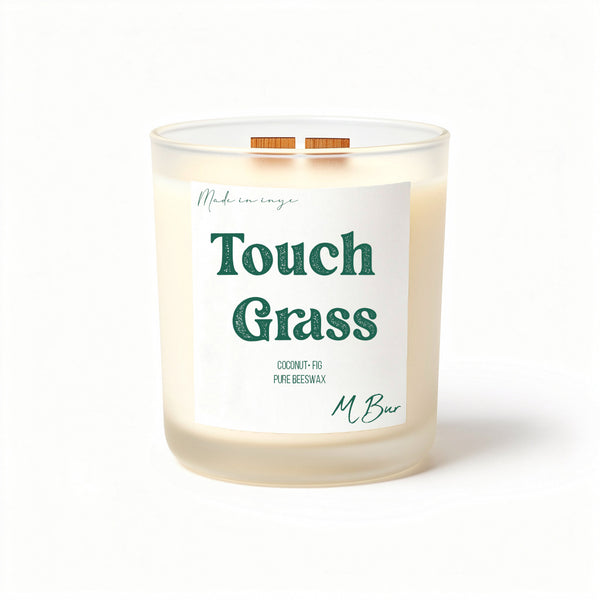
It is a great question with a nuanced answer. While the wick itself is a crucial part of the equation, it is the perfect partnership between the wick and the wax that truly creates a long-lasting candle.
At MBur Candle Co., we have spent countless hours perfecting this partnership. Let's break down the relationship between the flame, the fuel, and the burn rate.
The Wick's Job: Delivering the Fuel
A candle wick's primary job is to act like a straw, drawing molten wax up to the flame to be used as fuel. The rate at which it does this depends on its size, shape, and material. The goal is not just a "slow" wick; it is the correctly sized wick for the specific wax and vessel, creating a balanced and efficient system.
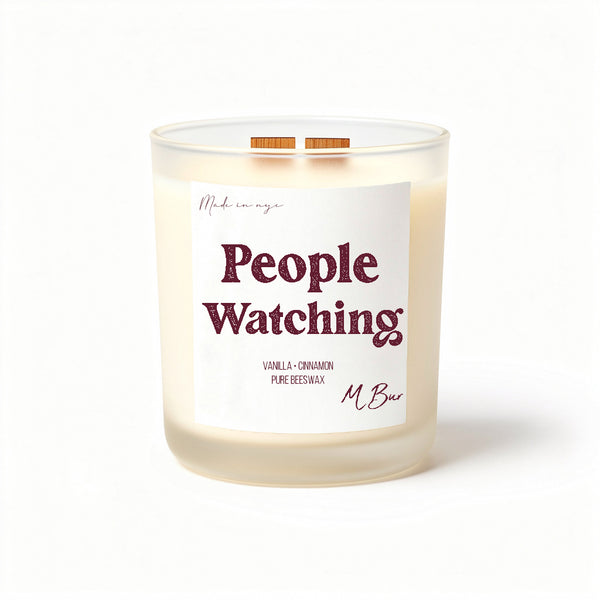
The Wood Wick's Advantage: A Lower, More Efficient Flame
This is where the design of a [wood wick] gives it an inherent advantage in promoting a slower burn.
A wood wick is designed to create a lower, wider, more horizontal flame, rather than the tall, pointy flame of many cotton wicks. This lower flame is less aggressive. It consumes its wax fuel at a more leisurely pace. It heats the wax pool just enough to create a full melt, but it is not working overtime to burn through fuel as quickly as possible. This natural tendency toward a more controlled flame is the first way a wood wick contributes to a slower burn.
The Crucial Partnership with a Slow-Burning Wax
This gentle, efficient flame would be useless if it were paired with a soft, fast-burning wax. It would "tunnel" and extinguish itself.
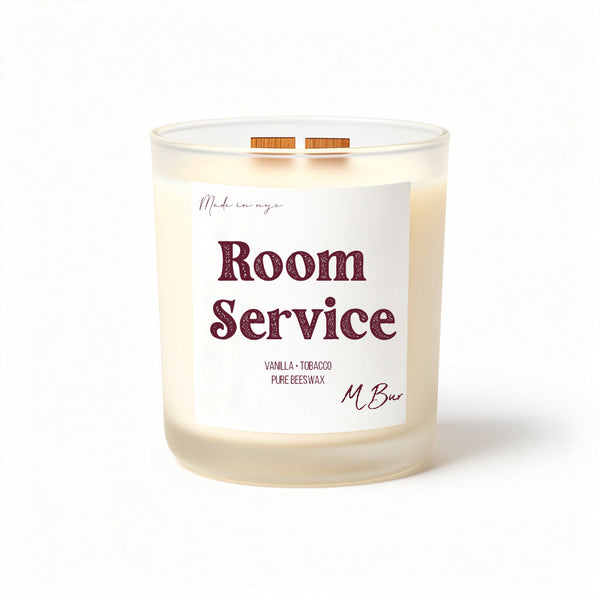
The true magic happens when you pair the efficient flame of a wood wick with the [longest-burning wax available: 100% pure beeswax].
Beeswax has a very high melting point and a high density. It naturally wants to burn slowly. The wood wick is the perfect engine to complement this. The gentle flame melts the dense beeswax at a slow, steady rate. They work in perfect harmony. Think of it like a car engine. A small, efficient engine (the wood wick) in a car with a very large, dense fuel tank (the beeswax) is going to go a very long way. It is a system designed for maximum mileage.
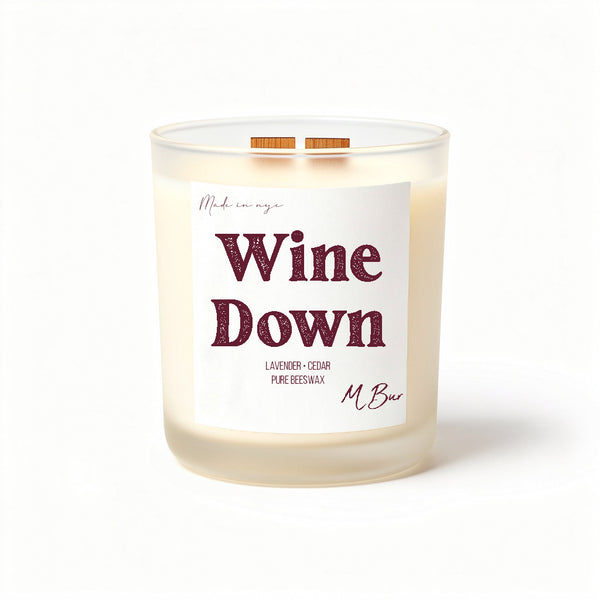
Wine Down Candle
$65.00
The Verdict
So, do wood wicks burn slower? By their nature, their flame is less aggressive, which promotes a slower burn. But their true power is unlocked when they are correctly paired with a slow-burning wax like beeswax. It is this perfect partnership that creates a truly long-lasting candle.
At MBur Candle Co., we are not just makers; we are matchmakers. We have meticulously tested and paired every component to create a perfectly balanced system for a slow, clean, and beautiful burn.
Ready to experience a candle engineered for a slow burn? Discover the MBur Candle Co. collection.
[Shop the Collection]

