

Wooden Wick vs Cotton Wick Candles: The Real Difference
Wooden Wick vs Cotton Wick Candles: The Real Difference
The wick is the part of a candle people think about least and the part that affects the burn most. Wooden and cotton wicks behave differently in flame size, scent throw, sound, and how much trimming they need. This comparison covers the real differences so you know what you are getting, and clears up the one wick type both should beat: the metal core wick.
Browse the full MBur beeswax candle collection, which uses wooden wicks across the line.
The Quick Answer
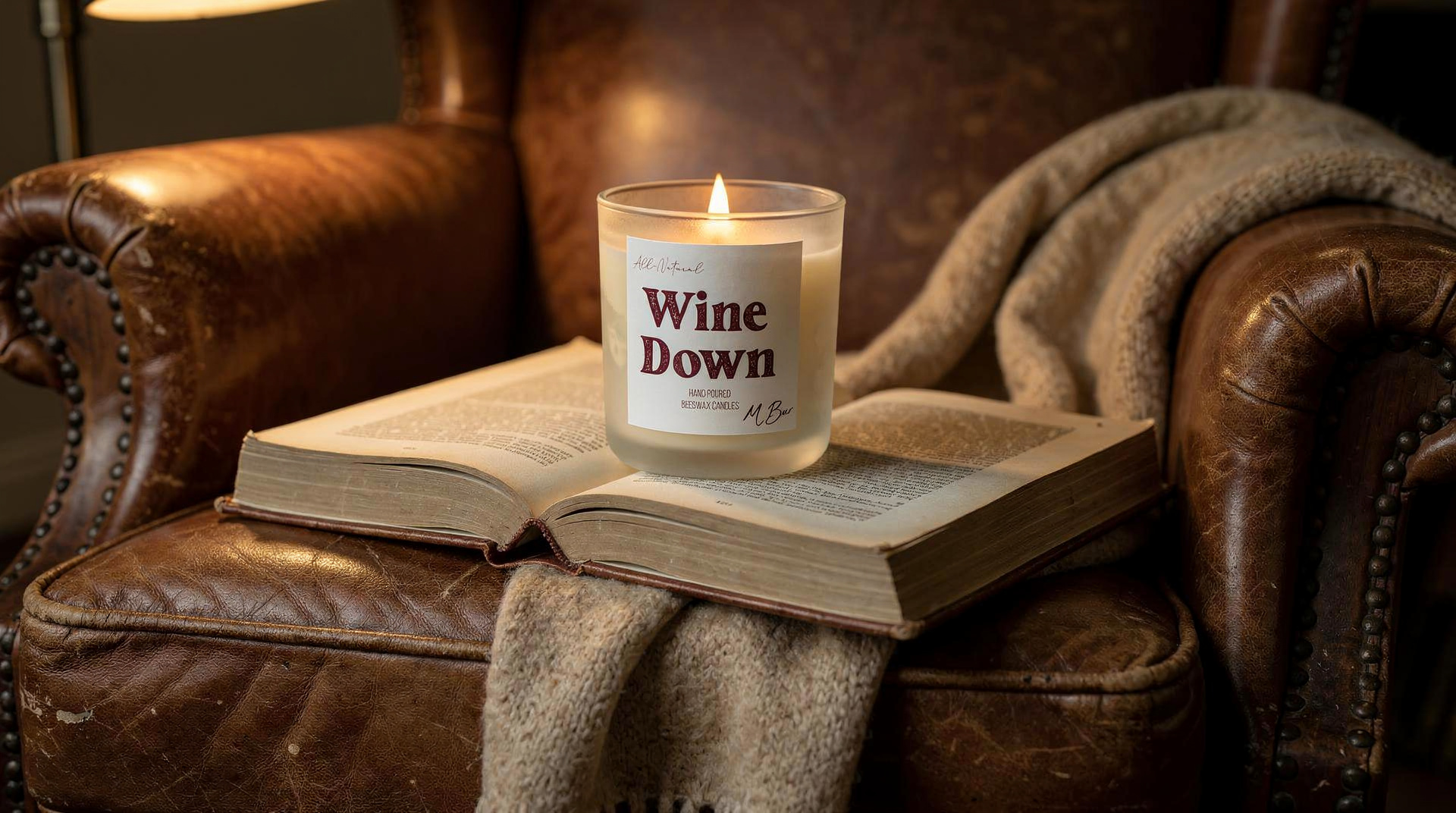
Wooden wicks burn with a wide, low, steady flame, produce a soft crackle, and generally produce very little soot when trimmed. Cotton wicks burn with a taller, more traditional flame and are widely available across brands. Both are good clean choices. The wick to avoid entirely is the metal core wick, which releases metal particulates. Neither wooden nor cotton has that problem.
Flame and Burn Behavior
A wooden wick is flat and wide, so it creates a horizontal flame that spreads heat across the melt pool. This promotes an even burn and reduces tunneling. A cotton wick produces a taller, rounder flame in the traditional candle shape. Wooden wicks tend to burn at a lower, steadier temperature, while cotton wicks can flicker more in a draft.
Sound and Ambiance
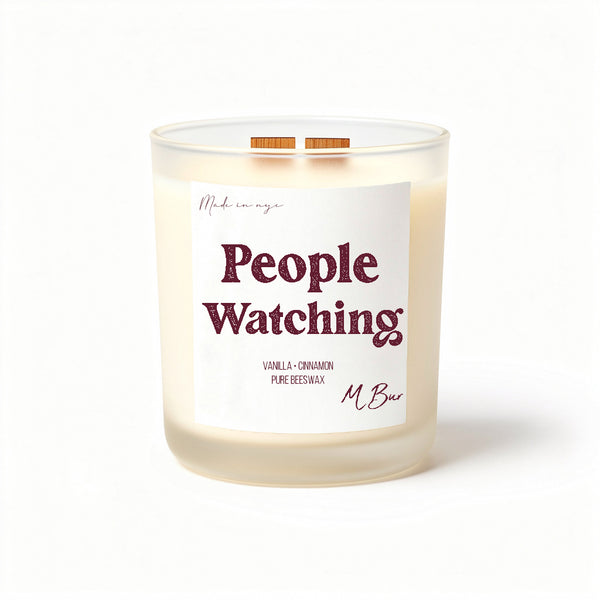
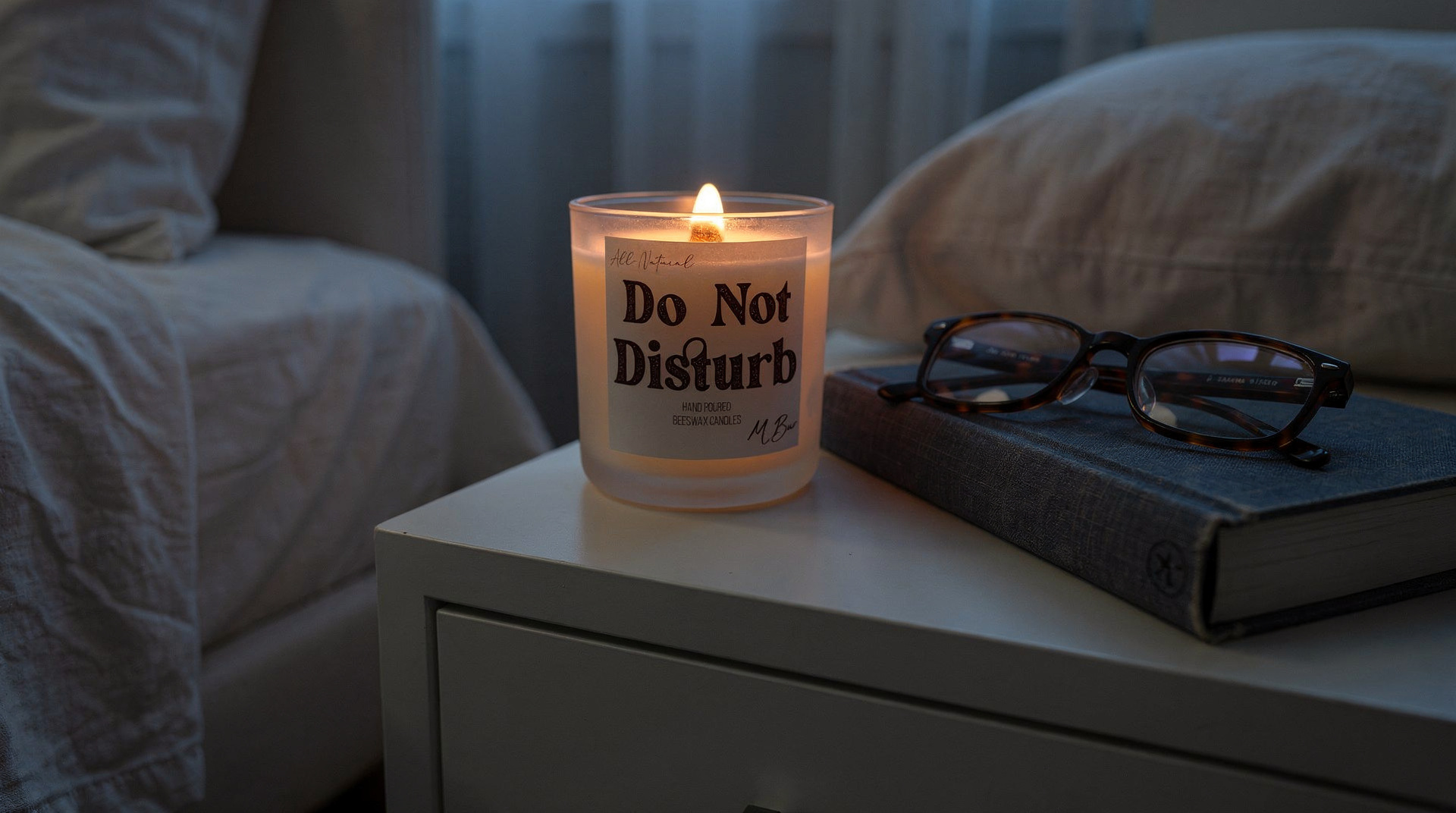
The most distinctive wooden wick feature is the soft crackle, similar to a tiny fireplace, which many people find calming and use as ambient sound while reading, working, or winding down. Cotton wicks burn silently. If the sensory experience matters to you, the wooden wick crackle is a real differentiator.
Scent Throw
Both can deliver strong scent throw. Wooden wicks spread heat across a wide melt pool, which can help release fragrance evenly. Cotton wicks are the long-standing standard and perform reliably. Differences in throw usually come down more to the wax and fragrance load than to the wick type alone.
Maintenance
Wooden wicks need trimming to about 1/8 to 1/4 inch and the charred edge snapped off before each burn, or they can struggle to stay lit. Cotton wicks need trimming to 1/4 inch before each burn to control soot and flame size. Both require trimming; the technique differs slightly.
Comparison Table
| Factor | Wooden Wick | Cotton Wick | Metal Core (Avoid) |
|---|---|---|---|
| Flame shape | Wide, flat, low | Tall, round | Tall, hot |
| Sound | Soft crackle | Silent | Silent |
| Soot (trimmed) | Very low | Low | Higher |
| Particulates | None added | None added | Releases metal particulates |
| Melt pool | Wide, even | Traditional | Varies |
| Trimming | Snap charred edge | Trim to 1/4 inch | Trim to 1/4 inch |
| Clean choice? | Yes | Yes | No |
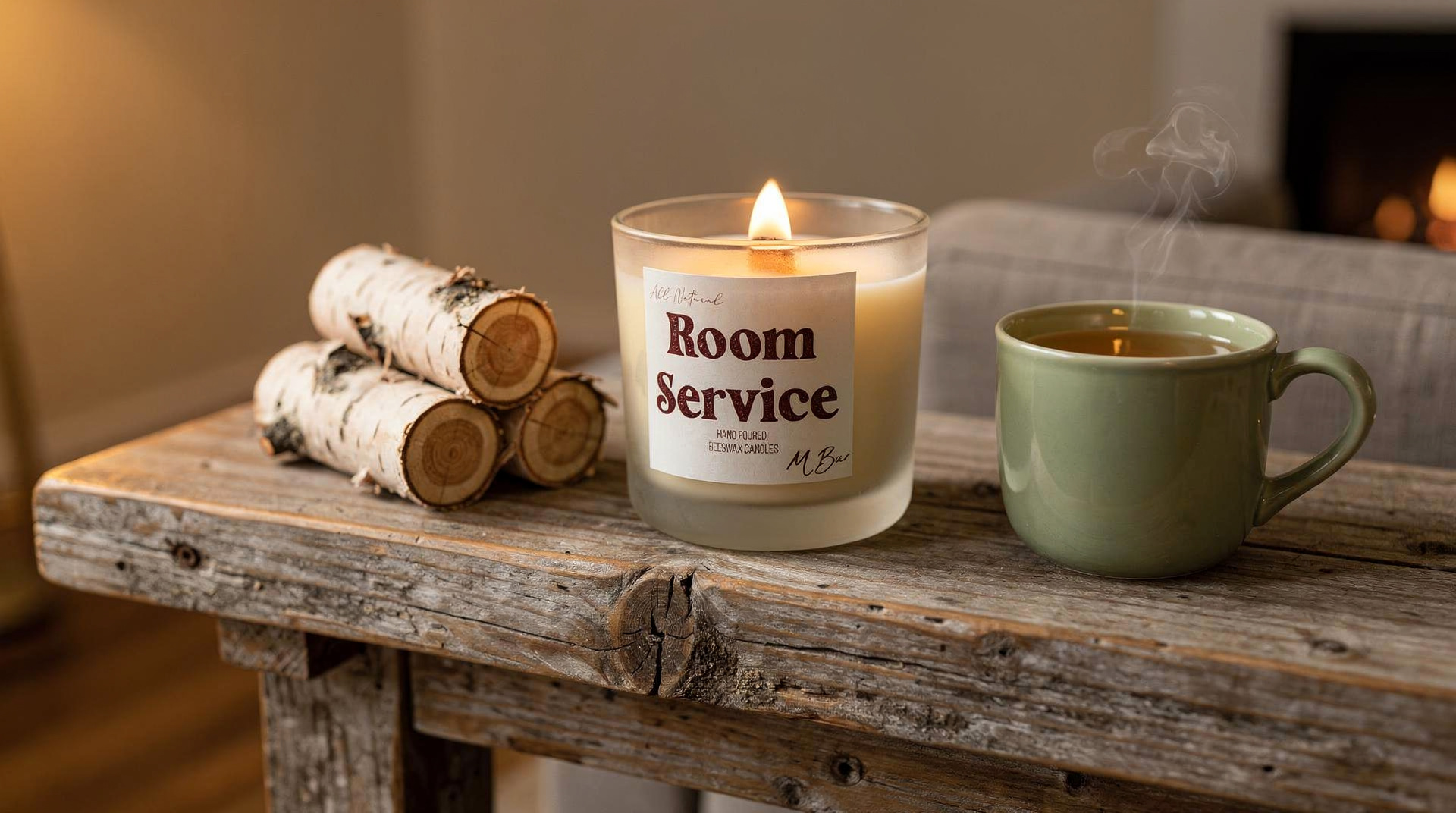
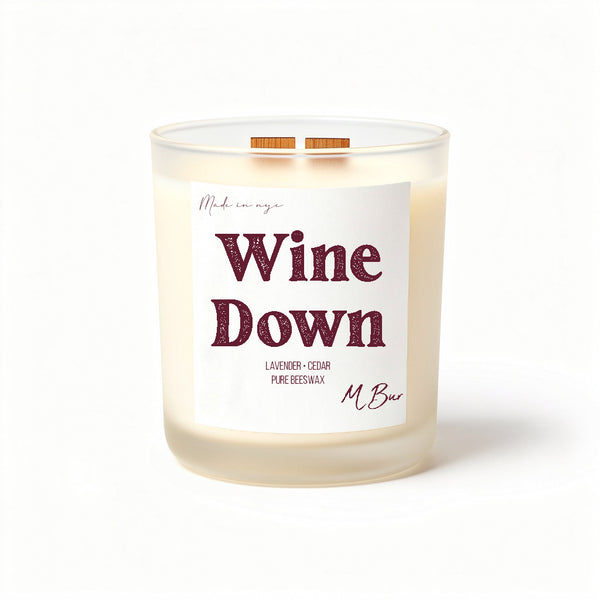
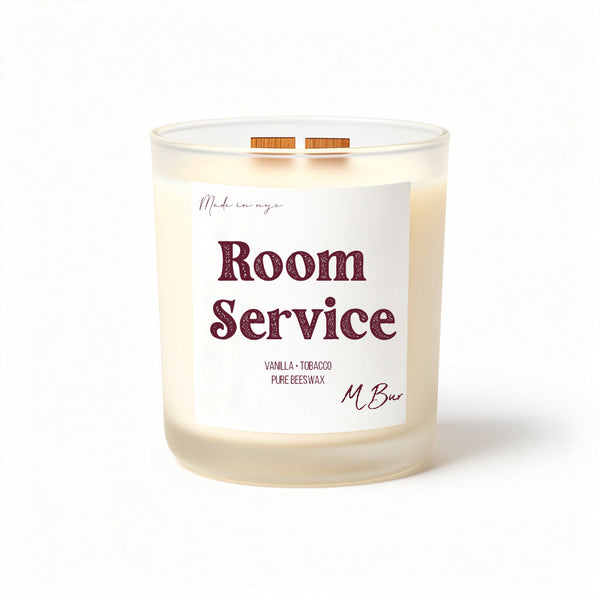
MBur uses flat wooden wicks across the line for the steady flame, even burn, and soft crackle. The Room Service candle is a good showcase of the wooden wick experience, with reviewers specifically calling out the wick and the crackle.
Frequently Asked Questions
Are wooden wicks better than cotton wicks?
Neither is universally better; they are different. Wooden wicks offer a wide steady flame, a soft crackle, and an even melt pool. Cotton wicks are the reliable traditional standard. Both are clean choices. The wick to avoid is the metal core wick, which releases metal particulates.
Why does my wooden wick keep going out?
Usually because it is too long or the charred edge was not removed. Snap or trim the charred tip down to about 1/8 to 1/4 inch before each burn, and make sure the first burn reaches a full melt pool. A clean, short wooden wick stays lit reliably.
Do wooden wicks produce less soot?
When trimmed properly, wooden wicks burn at a lower, steadier temperature and generally produce very little soot. Cotton wicks are also clean when trimmed. Metal core wicks produce the most soot and add metal particulates.
Is the wooden wick crackle loud?
No, it is a soft, gentle crackle similar to a distant fireplace, not a loud pop. Many people find it calming and use it as ambient sound. If you prefer silence, a cotton wick is the quieter choice.
The Bottom Line
Wooden and cotton wicks are both clean, good choices, and the real difference is experiential: wooden wicks give a wide steady flame, an even melt, and a soft crackle, while cotton wicks are the silent traditional standard. The wick to avoid is the metal core type. If the sensory experience and an even burn appeal to you, a wooden wick beeswax candle is worth trying.
Shop the full collection of clean-burning beeswax candles
What buyers say:
Related reading:

