

Soy vs Beeswax Candles for Allergy Sufferers: Which Is Safer?
Soy vs Beeswax Candles for Allergy Sufferers: Which Is Safer?
For allergy sufferers, both soy and beeswax are commonly recommended over paraffin, and both are reasonable choices. But they differ in ways that matter specifically for allergies: processing, soot, negative ion release, and how often each is secretly blended with paraffin. This comparison focuses on the allergy angle so you can pick the safer option for your situation.
Browse the full MBur beeswax candle collection to see clean-burning beeswax in practice.
The Quick Answer for Allergies
Beeswax has the edge for allergy sufferers. It is minimally processed, produces the least soot of any wax, and may release negative ions that help neutralize airborne allergens like pollen and dust. Soy is a solid second choice if it is genuinely 100% soy with phthalate-free fragrance, but soy is more often blended with paraffin than beeswax is, and that hidden paraffin is exactly what allergy sufferers are trying to avoid.
Processing
Beeswax occurs naturally in its finished form and only needs filtering. Soy wax is made by hydrogenating soybean oil, a chemical process. For allergy sufferers focused on the most minimally processed, additive-free option, beeswax is the cleaner choice. Both are non-toxic to burn when pure.
Soot and Negative Ions
Beeswax has the highest melting point of any wax, so it burns more completely and produces the least soot, which matters because soot is fine particulate matter that can irritate allergies. Beeswax may also release negative ions when burned, which some research suggests can help neutralize airborne allergens. Soy burns cleaner than paraffin but produces more soot than beeswax and offers no negative ion benefit.
The Hidden Paraffin Problem
This is the most important point for allergy sufferers. Many candles labeled "soy" are actually soy-paraffin blends, because paraffin is cheap and improves scent throw. That hidden paraffin reintroduces the benzene and toluene allergy sufferers are trying to avoid. Pure beeswax candles are less often blended, and a reputable brand will state "100% beeswax" clearly. Always verify the label says 100%, whichever wax you choose.
Scent Throw
Soy holds fragrance well and is known for strong scent throw. Beeswax releases scent more gradually. For allergy sufferers, a gentler, more even scent is often easier on reactive airways, which is a point in beeswax's favor, though individual preference varies.
Comparison Table
| Factor | Beeswax | Soy |
|---|---|---|
| Source | Natural, made by bees | Hydrogenated soybean oil |
| Processing | Minimal (filtered) | Chemical hydrogenation |
| Soot | Lowest | Low, more than beeswax |
| Negative ions | Yes (studies ongoing) | No |
| Often blended with paraffin? | Less commonly | Frequently |
| Burn time | Longest | Moderate |
| Scent throw | Gradual, even | Strong |
| Allergy edge | Stronger | Good if 100% pure |
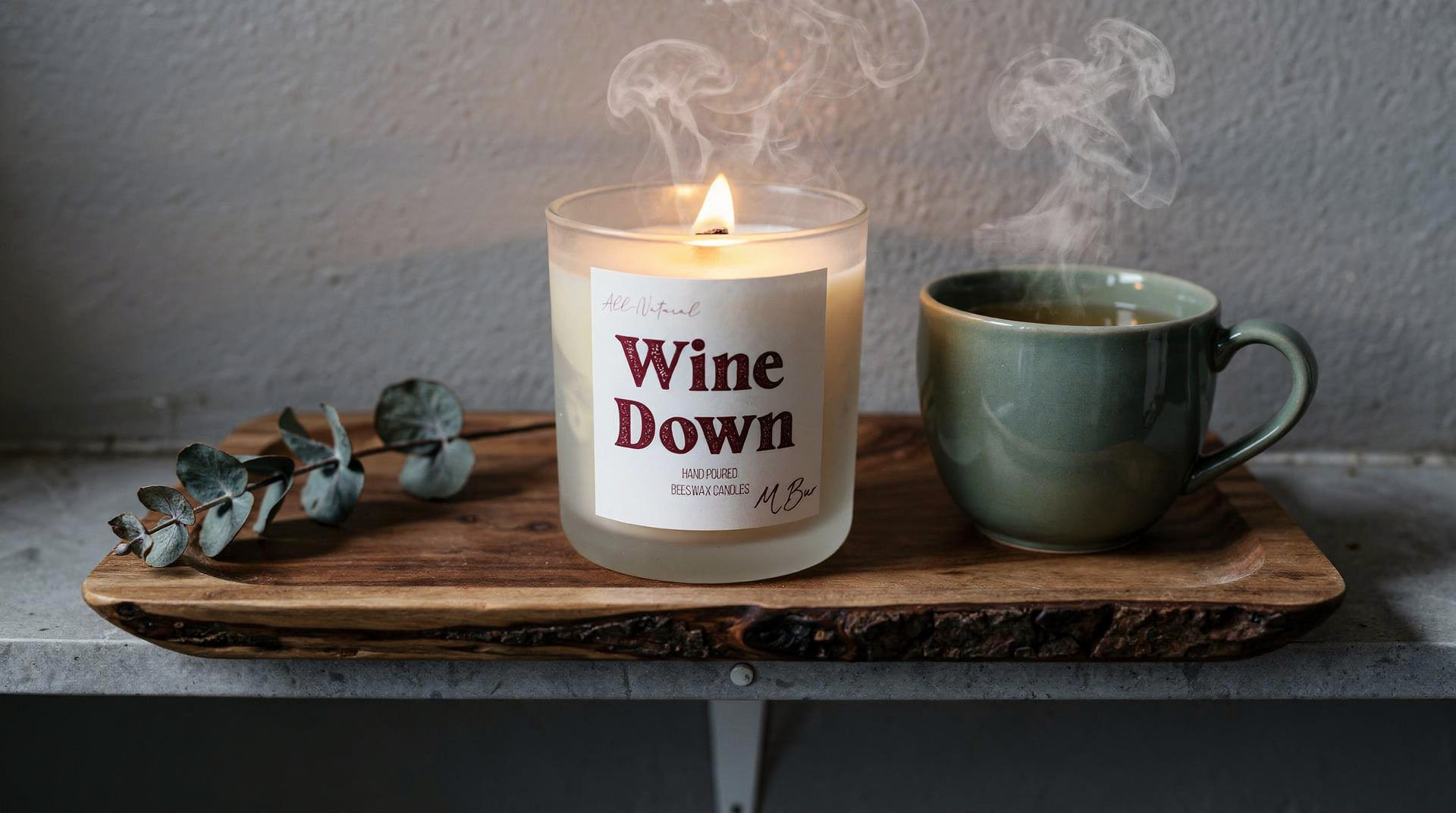
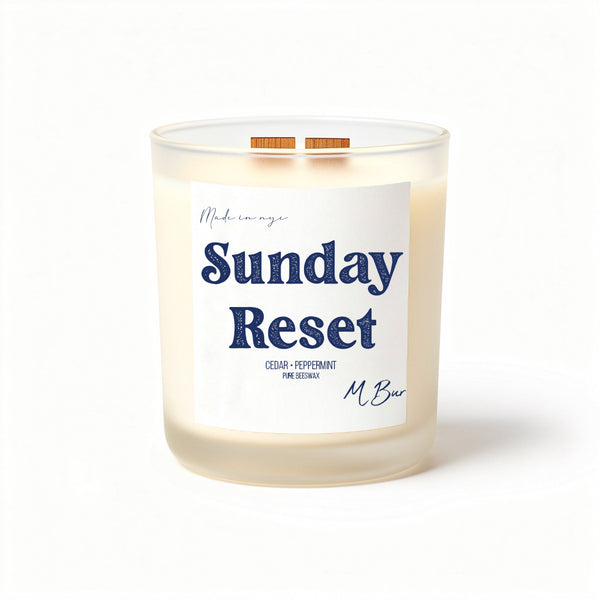
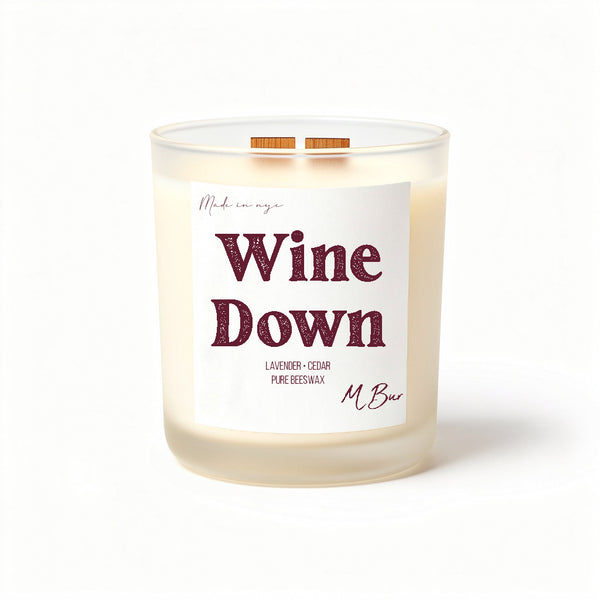
MBur uses 100% beeswax with phthalate-free non-toxic fragrance and wooden wicks, with no dyes. For allergy sufferers, the Sunday Reset candle adds eucalyptus and peppermint for congestion, while the Wine Down candle is a gentle option for reactive noses.
Frequently Asked Questions
Is soy or beeswax better for allergies?
Beeswax has the edge: minimal processing, the lowest soot, and potential negative ion release that may help neutralize airborne allergens. Pure 100% soy with phthalate-free fragrance is a good second choice. The key risk with soy is hidden paraffin in blends.
How do I know if a soy candle has paraffin in it?
Look for "100% soy" stated explicitly. If the label says "soy blend" or just "soy wax" without "100%," it may contain paraffin. Reputable brands state their wax composition clearly. The same applies to beeswax: look for "100% beeswax."
Do beeswax candles really help with allergies?
Beeswax may release negative ions that help neutralize some airborne allergens, though research is ongoing. The more established benefit is that clean beeswax does not add the soot and VOCs that paraffin does, so it will not worsen allergy symptoms the way conventional candles can.
What else matters besides the wax for allergies?
Fragrance and wick. Phthalate-free fragrance avoids a common respiratory allergen, and a wooden or cotton wick avoids metal particulates. The wax is only one of the four variables; all four matter.
The Bottom Line
For allergy sufferers, 100% beeswax is the safer choice thanks to minimal processing, the lowest soot, and potential allergen-neutralizing negative ions. Pure 100% soy with phthalate-free fragrance is a reasonable alternative, but watch for hidden paraffin in soy blends. Whichever you choose, confirm the label says 100%, and pair it with phthalate-free fragrance and a clean wick.
Shop the full collection of clean-burning beeswax candles
What buyers say:
Related reading:

