

Expensive vs Cheap Candles: Is the Price Difference Worth It?
Expensive vs Cheap Candles: Is the Price Difference Worth It?
A candle can cost $5 or $60, and the gap is not always obvious from the shelf. Sometimes a higher price buys genuinely better ingredients and a longer burn. Sometimes it buys branding and a heavy glass jar. This comparison breaks down where price actually correlates with value, so you can tell when paying more is worth it and when it is not.
Browse the full MBur beeswax candle collection to see where the value lands.
The Quick Answer
Price correlates with value when it reflects better wax, cleaner fragrance, and a longer burn. It does not when it reflects packaging, brand markup, or marketing. The most useful number is cost per hour, not sticker price. A cheap paraffin candle that burns fast and smokes can cost more per usable hour than a pricier beeswax candle that burns clean for 80 hours.
What You Are Actually Paying For
Wax. Cheap candles are usually paraffin, a low-cost petroleum byproduct. Beeswax costs more as a raw material and burns cleaner and longer. This is the single biggest real driver of price and value.
Fragrance. Phthalate-free and essential oil fragrances cost more than the toxic fragrance used in cheap candles. You are paying for cleaner air, not just scent.
Wick. Quality wooden or cotton wicks cost more than metal core wicks. The wick affects burn quality and soot.
Packaging and brand. Heavy glass, designer labels, and brand names add cost without improving the burn. This is where price stops correlating with value.
The Cost-Per-Hour Math
This is the metric that cuts through sticker price. Beeswax burns slowest because of its high melting point, so it delivers more hours per dollar. An 80-hour beeswax candle at $65 works out to roughly $0.75 per hour. A cheap paraffin candle that burns hot and fast can deliver fewer usable hours, especially if it tunnels or smokes, pushing its real cost per hour higher than it looks. Always divide price by burn time.
When Cheap Is Fine and When It Is Not
A cheap unscented beeswax votive (like Big Dipper's, starting around $5) can be excellent value: clean wax, low soot, low price. Cheap is fine when the ingredients are still clean. Cheap is not fine when the low price comes from paraffin, toxic fragrance, and metal wicks, because then you are paying with your indoor air quality. The problem is rarely the price itself; it is what a rock-bottom price usually signals about the ingredients.
Comparison Table
| Factor | Cheap (Typical) | Premium (Clean) |
|---|---|---|
| Wax | Often paraffin | Beeswax, coconut, or soy |
| Fragrance | Often toxic | Phthalate-free or essential oil |
| Wick | Sometimes metal core | Wooden or cotton |
| Burn time | Shorter, may tunnel | Longer, even burn |
| Soot | Higher | Lower |
| Cost per hour | Can be high | Often competitive |
| What extra cost buys | n/a | Cleaner air, longer burn (or just branding) |
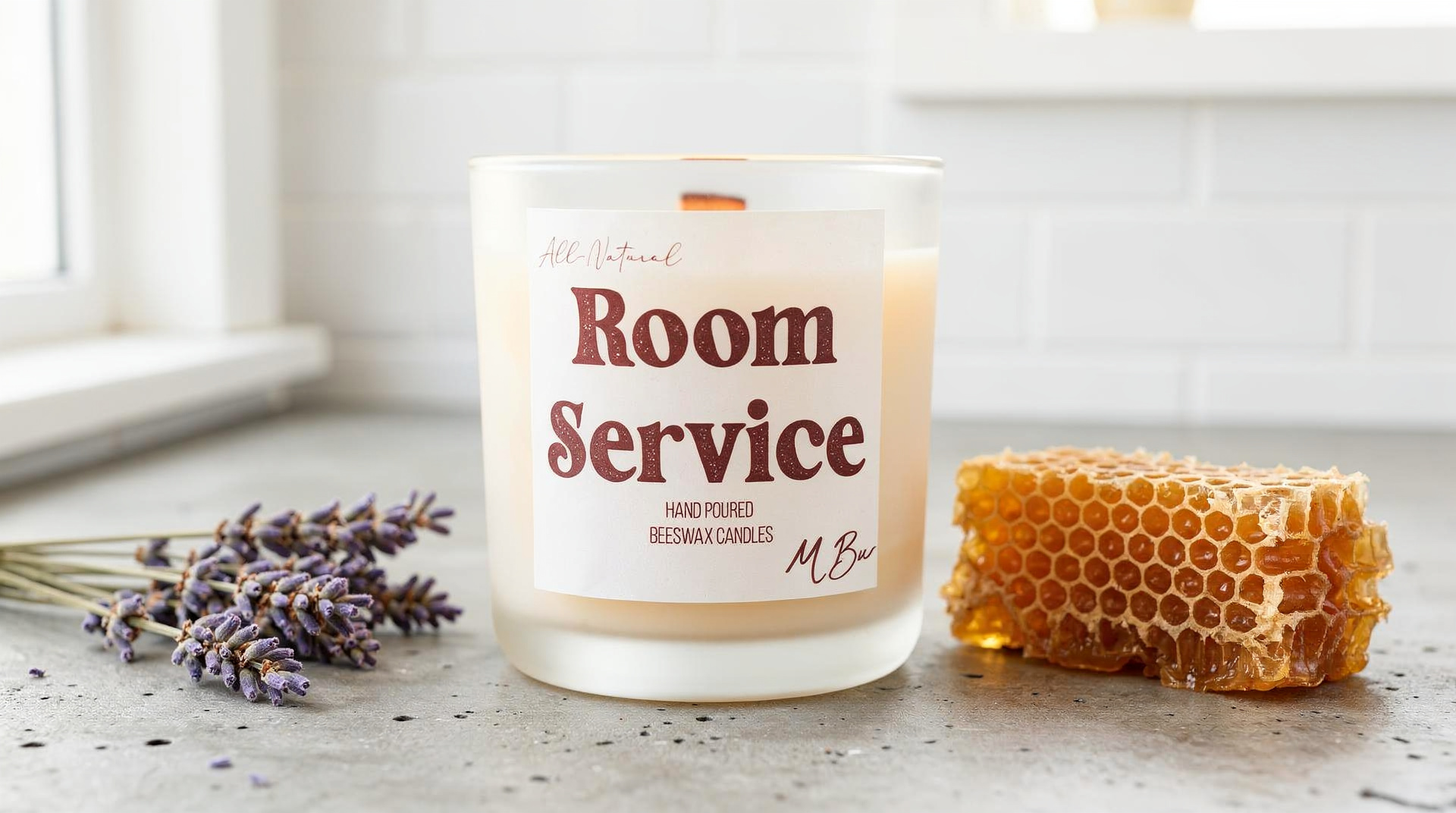
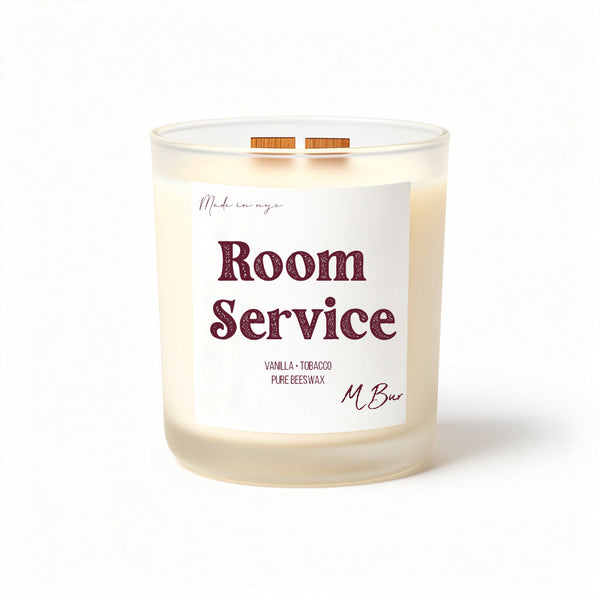
MBur prices a 100% beeswax candle from $20 for the 20-hour size up to $65 for 80 hours, which lands around $0.75 per hour at the largest size. The Room Service candle is an example of where the spend goes into wax, fragrance, and wick rather than packaging.
Frequently Asked Questions
Are expensive candles actually better?
Sometimes. A higher price is worth it when it buys cleaner wax (beeswax over paraffin), phthalate-free fragrance, a quality wick, and a longer burn. It is not worth it when it mostly reflects heavy packaging and brand markup. Judge by ingredients and cost per hour, not sticker price.
Why are beeswax candles more expensive than paraffin?
Beeswax is a natural product with a limited supply, so the raw material costs more than petroleum-derived paraffin. In exchange, beeswax burns cleaner, longer, and with less soot, so the cost per hour is often competitive despite the higher sticker price.
How do I calculate a candle's real value?
Divide the price by the burn time to get cost per hour, then factor in whether the ingredients are clean. A pricier candle that burns 80 clean hours can be better value than a cheap one that burns 20 smoky hours.
Is a $5 candle always bad?
No. A $5 unscented beeswax votive can be excellent value. The price is only a problem when it signals paraffin, toxic fragrance, and metal wicks. Check the ingredients, not just the price.
The Bottom Line
Price is worth paying when it buys clean wax, clean fragrance, a quality wick, and a longer burn, and not worth it when it buys packaging and branding. The honest metric is cost per hour combined with ingredient quality. A clean beeswax candle often delivers competitive cost per hour despite a higher sticker price, while a cheap paraffin candle can cost you more in both money and air quality than it appears to.
Shop the full collection of clean-burning beeswax candles
What buyers say:
Related reading:

