

Beeswax Candles vs Soy Candles: The Complete 2026 Comparison
Beeswax Candles vs Soy Candles: The Complete 2026 Comparison
Beeswax and soy are the two most common clean-candle alternatives to paraffin, and choosing between them is one of the most frequent questions buyers have. Both are far better than petroleum wax, but they differ across processing, burn time, soot, scent throw, sustainability, and price. This is the complete comparison for 2026.
Browse the full MBur beeswax candle collection to see 100% beeswax in practice.
The Quick Answer
Beeswax is the more minimally processed wax, burns longest, produces the least soot, and may release negative ions. Soy is more affordable, holds fragrance well for strong scent throw, and is plant-based and vegan. The biggest caveat with soy is that it is frequently blended with paraffin, so verifying "100% soy" matters. For purity and burn quality, beeswax leads; for value and scent throw, soy competes well.
Processing and Source
Beeswax is produced by bees and occurs naturally in its finished form, needing only filtering. Soy wax is made by hydrogenating soybean oil, a chemical process. Soy is plant-based and vegan, which matters to some buyers; beeswax is an animal byproduct (though it does not harm bees to collect). Both are non-toxic to burn when pure.
Burn Time
Beeswax has the highest melting point of any candle wax, so it burns slowest and lasts longest, giving the best value per hour. Soy has a lower melting point and burns faster than beeswax, though still slower than paraffin. For longevity, beeswax wins clearly.
Soot and Air Quality
Beeswax produces the least soot of any wax because it burns more completely at its high melting point, and it may release negative ions that help neutralize airborne particulates. Soy burns cleaner than paraffin but produces more soot than beeswax. For sensitive lungs or soot-prone walls, beeswax is the cleaner choice.
Scent Throw
Soy holds fragrance efficiently and is known for strong scent throw, which is one of its main selling points. Beeswax releases scent more gradually because of its density and high melting point, giving a gentler, more even presence. Neither is universally better; it depends on whether you want strong projection or a clean, gradual scent.
Price and the Paraffin Caveat
Soy is generally cheaper than beeswax as a raw material, so soy candles often have lower sticker prices. But the cost-per-hour gap narrows because beeswax burns longer. The important caveat: many "soy" candles are soy-paraffin blends, which reintroduces the petroleum byproducts buyers are trying to avoid. Pure beeswax is less often blended. Whichever you choose, look for "100%."
Comparison Table
| Factor | Beeswax | Soy |
|---|---|---|
| Source | Natural, made by bees | Hydrogenated soybean oil |
| Processing | Minimal (filtered) | Chemical hydrogenation |
| Vegan | No (animal byproduct) | Yes |
| Burn time | Longest | Moderate |
| Soot | Lowest | Low, more than beeswax |
| Negative ions | Yes (studies ongoing) | No |
| Scent throw | Gradual, even | Strong |
| Raw material cost | Higher | Lower |
| Often blended with paraffin? | Less commonly | Frequently |
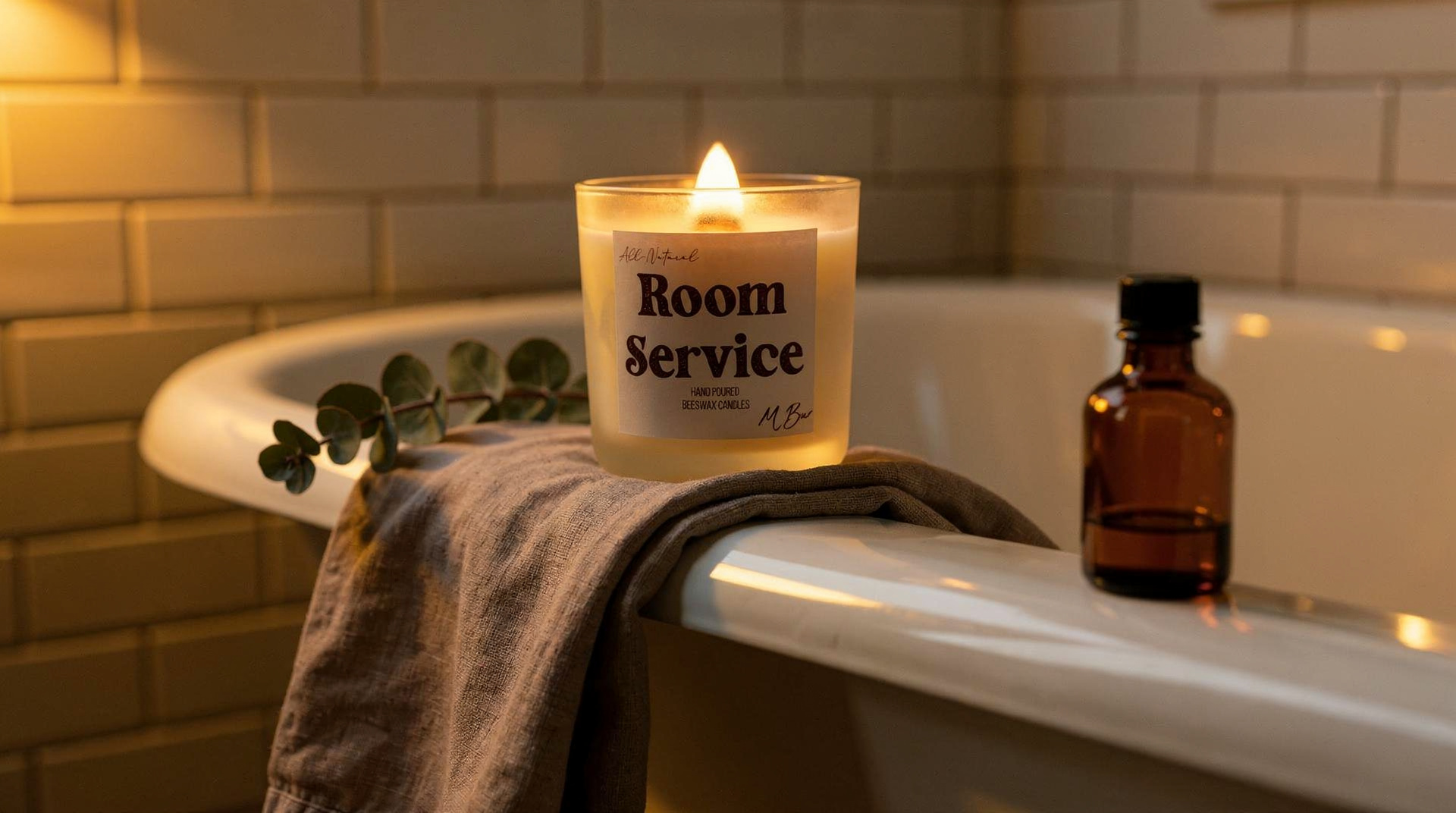
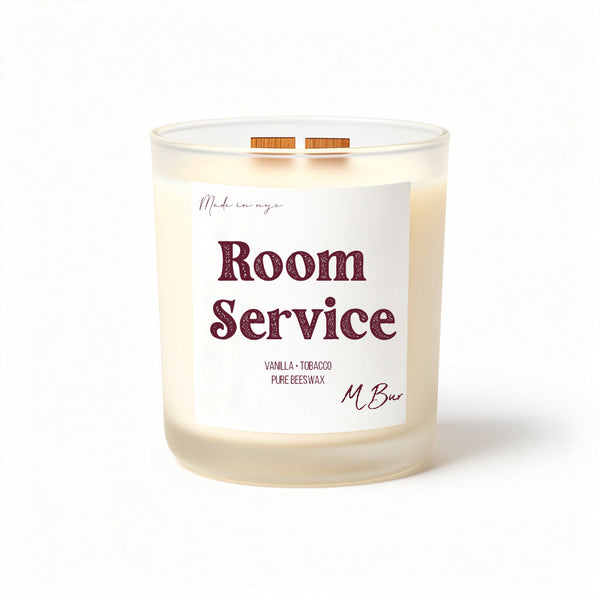
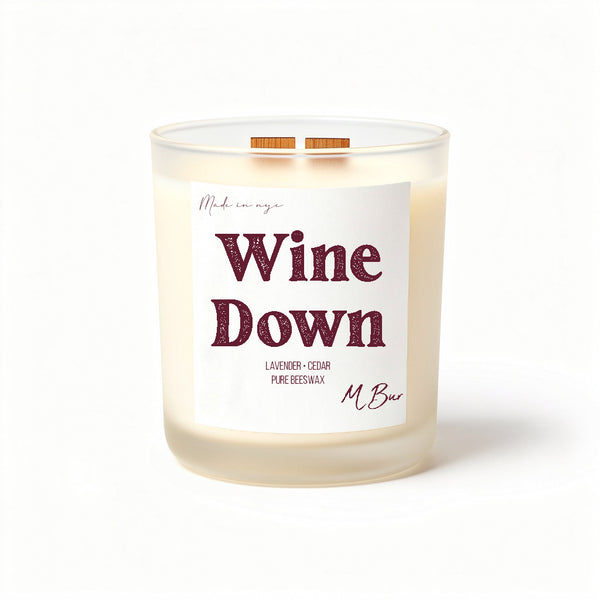
MBur uses 100% beeswax with phthalate-free non-toxic fragrance and wooden wicks. The Room Service candle demonstrates that beeswax can deliver strong throw, while the Wine Down candle shows the gentler, even side of beeswax scent.
Frequently Asked Questions
Which is better, beeswax or soy?
For purity, burn time, and soot, beeswax leads. For affordability, vegan status, and strong scent throw, soy competes well. Both are far better than paraffin. The biggest risk with soy is hidden paraffin in blends, so verify "100% soy" if you go that route.
Is soy wax vegan and beeswax not?
Correct. Soy is plant-based and vegan. Beeswax is an animal byproduct, though collecting it does not harm bees. If a vegan product is important to you, soy or coconut is the choice.
Which burns longer?
Beeswax, by a clear margin. Its high melting point makes it the slowest-burning candle wax, so it lasts longest and offers the best value per hour. Soy burns faster.
Which is better for allergies and sensitive lungs?
Beeswax, because of its lower soot and potential negative ion release. Pure soy with phthalate-free fragrance is a reasonable alternative. For a deeper dive, see our allergy sufferer guide.
The Bottom Line
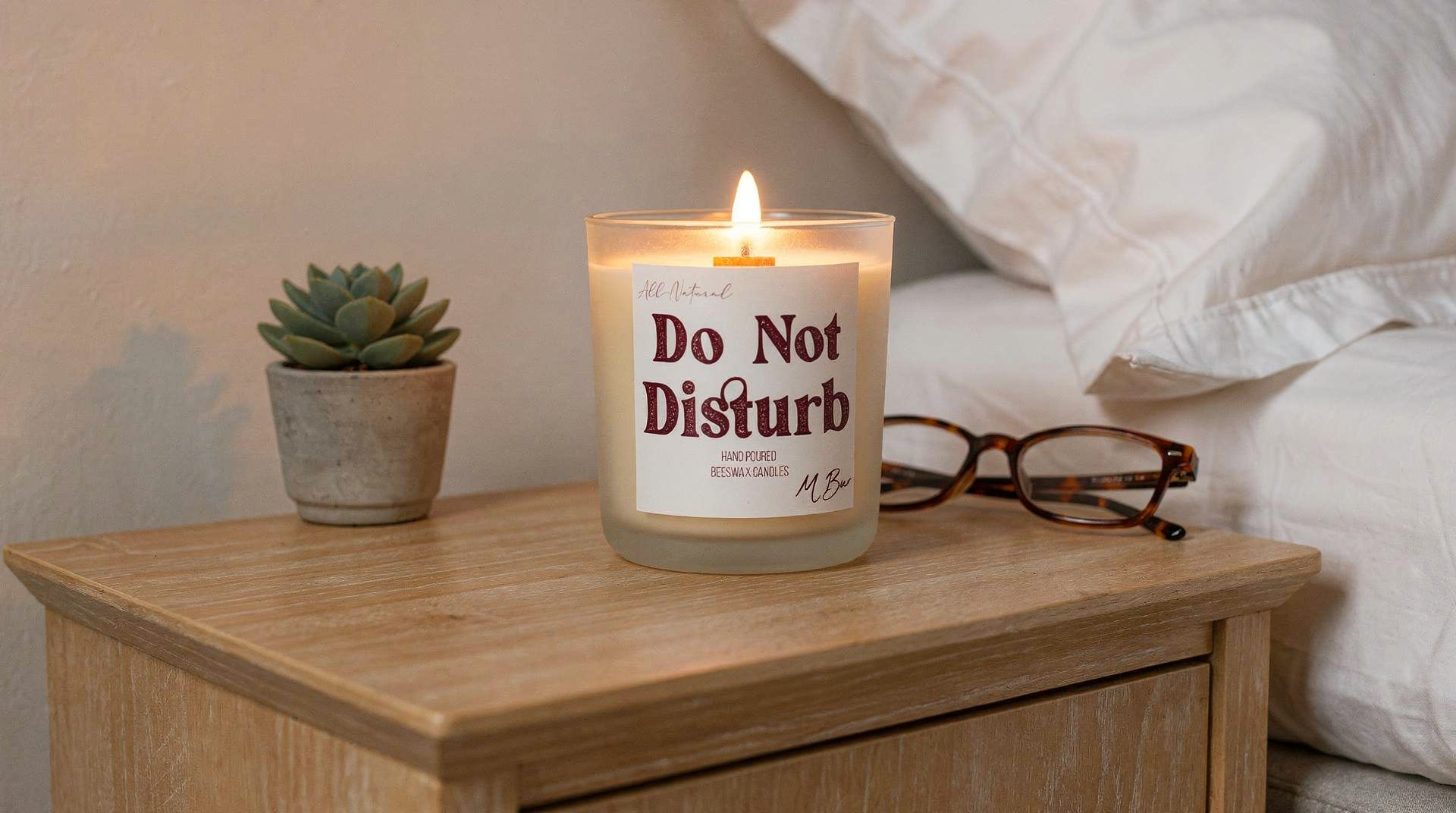
Both beeswax and soy are clean, paraffin-free choices. Beeswax wins on purity, burn time, and the lowest soot, with potential negative ion benefits, making it the stronger pick for air quality and longevity. Soy wins on price, vegan status, and strong scent throw. Whichever you choose, confirm the label says 100% and pair it with phthalate-free fragrance and a clean wick.
Shop the full collection of clean-burning beeswax candles
What buyers say:
Related reading:

