

Why Your Candle Has a Short Burn Time and How to Fix It
Your candle is not defective. That ring of hard wax stuck to the sides of the jar is wasted fuel, and it can swallow up to half of what you paid for. A candle burning straight down the middle is a candle burning through your money.
The problem has a name. It is called tunneling, and it is the biggest reason your candle quits early. Most of the time it starts on the very first burn, long before you notice anything wrong. If your space also holds onto stale air between burns, a clean-burning option like our pure beeswax candle collection helps, since beeswax burns with no paraffin soot and keeps a room smelling fresh rather than heavy.
The good news is that short burn time is almost always a fixable habit, not a broken product.

The wax remembers your first mistake
Wax has memory. The first time you light a candle, the melted pool sets the pattern for every burn after it.
If you blow it out before the melted wax reaches the edge of the jar, the wax hardens into a ring. That ring becomes a wall. Every future burn follows the same narrow path down the middle.
This is where most short burn time comes from. People light a new candle for twenty minutes, blow it out, and lock in the damage without knowing it.
The fix on day one is simple. Let the top layer melt all the way across before you put it out.
How long that first burn really needs to be
Forget the strict three-hour rule you may have heard. The right time depends on the width of the jar, not the clock.
A good rule is about one hour for every inch of the candle's diameter. For most candles that lands between two and four hours. You want a full, even pool of liquid wax edge to edge.
Watch the surface, not the timer. Once the whole top is liquid, the memory is set correctly and the rest of the candle will burn wide and even.
This one habit fixes more short burn issues than anything else on this list. It also explains why the candle you own now may have stalled early.
The wick is doing more work than you think
A wick that is too short drowns in its own wax. A wick that is too long burns hot, fast, and smoky. Both waste fuel.
Trim the wick to about a quarter inch before every single burn. That keeps the flame steady and the burn efficient.
Cheap candles often use a wick that cannot throw enough heat to melt the outer edge of a wide jar. That builds a tunnel no matter how careful you are.
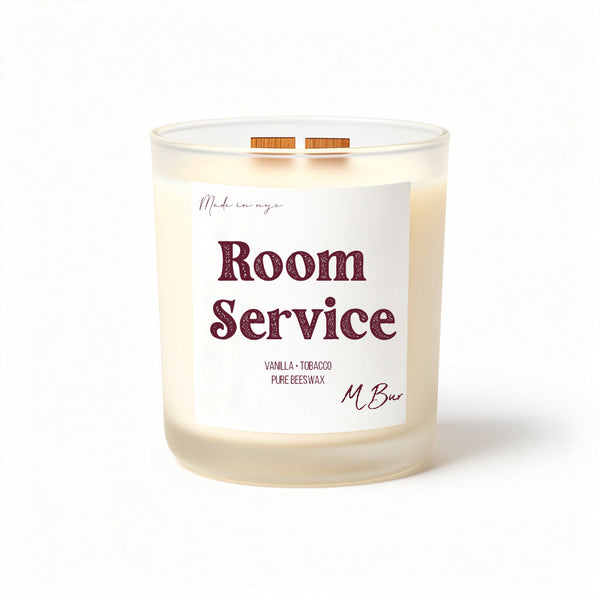
Wooden wicks change the math here. They burn wide and even, which is part of why our Room Service candle holds a full melt pool instead of digging a hole. The 55-hour size runs $37, and the 80-hour size runs $65. Its notes are saffron, white tea leaves, purple peonies, orchid, tobacco, vanilla, almond milk, and tonka bean.
"From the packaging to the burn of the candle, everything was top-notch! Candle burned slowly and was exactly the amount of hours the company said it would burn. I was able to enjoy it for days even though it was the smaller size." Portia Darby

The wax itself sets the ceiling
Here is the part nobody checks first. The wax type decides how long a candle can burn before you touch the wick or the timer.
Paraffin burns fast and hot. It is a petroleum byproduct, and it also releases soot and unstable compounds as it burns. Soy is better and burns cooler, though it is often blended with paraffin.
Beeswax sits at the top. It has the highest melting point of any candle wax, so it burns slow and steady. That higher melting point is exactly why beeswax gives the longest burn time.
| Wax | Burn speed | Cleanliness | Notes |
|---|---|---|---|
| Paraffin | Fast, hot | Releases soot and VOCs | Petroleum byproduct |
| Soy | Slower, cooler | Cleaner, often blended | May use toxic fragrance |
| Beeswax (MBur) | Slowest, highest melting point | Cleanest, no soot | Single ingredient, up to 80-hour burn |
MBur uses 100% beeswax, not a blend. That single choice is why our candles reach an 80-hour burn where thinner waxes fade early.
Drafts quietly wreck an even burn
A candle near an open window, a fan, or an air vent never stands a chance. Moving air pushes the flame sideways.
The flame leans, the pool tilts, and one wall of wax stays cold and hard. You get a slanted tunnel and a burn that ends far too soon.
Keep your candle on a still surface away from vents and doorways. A steady flame melts evenly, and even melting is what gives you the full burn time you paid for.
How to rescue a candle that already tunneled
Maybe your favorite candle is already dug out down the center. You can bring it back.
The foil trick works best. Wrap a collar of aluminum foil around the top rim of the jar and fold it into a loose dome, leaving a small opening over the flame. The foil reflects heat back down onto the cold wax walls.
Light it and wait. Once the melted pool reaches the container walls, take the foil off and let it burn uncovered for another twenty to thirty minutes to stabilize.
For milder tunneling, a hair dryer on high heat and low speed works too. Hold it about six inches away and melt the high edges down into the center pool until the surface is level again.
The everyday habits that stretch every candle
Trim before each burn. Aim for a full melt pool early. Keep the candle out of drafts.
Do not burn for more than about four hours at a time. Long burns overheat the wax and can push the flame too high, which speeds up the burn and risks the container.
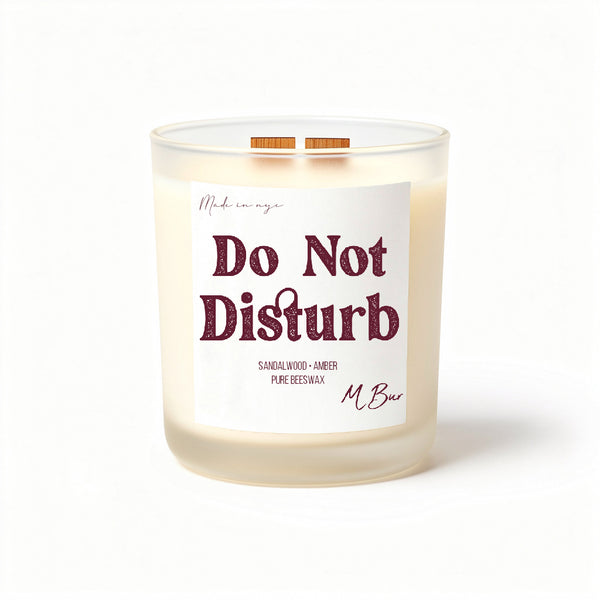
If you want a bedroom candle that behaves through these habits, our Do Not Disturb candle is built for slow evenings. Its notes are bergamot and pear, and the 55-hour size runs $37.
"I love the scent of this candle. It is lovely not overpowering. It's soothing fragrance more than covers my bedroom and bathroom." Dawne Forrest
Frequently asked questions
Why does my candle burn straight down the middle?
That is tunneling. It usually starts because the first burn was too short to melt the wax all the way to the edges. A wax with a high melting point burns more evenly, which is why the beeswax candles hold a wide pool.
How long should I burn my candle the first time?
About one hour for every inch of the candle's width, usually two to four hours. Let the whole top turn liquid before you put it out. The larger sizes of the Room Service candle give you the hours to do this right.
Does trimming the wick actually make a candle last longer?
Yes. Trimming to a quarter inch keeps the flame from burning hot and smoky, which would eat through the wax fast. Wooden wick candles like our Do Not Disturb candle still need a light trim between burns.
How long is safe to burn a candle at once?
Keep single burns to about four hours. The National Candle Association recommends this to keep the flame stable. After that, put it out, let it cool, trim, and relight.
But my candle is in a heavy jar, does tunneling still matter?
Yes. A thick jar hides the wasted wax, but the tunnel still buries fuel you paid for. The wax memory forms the same way no matter how heavy the container is.
The takeaway
Short burn time comes from wax memory, a bad wick, and drafts, and all three are yours to fix. Start with a full first burn, trim before every light, and pick a wax that burns slow to begin with. Beeswax gives you the longest runway of any candle wax.
For a candle that rewards good habits with a genuine 80-hour burn, start with the Room Service candle, our number one bestseller, loved across dozens of five-star reviews.
Shop the pure beeswax candle collection and get a burn that actually lasts.
Related reading

