

Transform Your Retail Storefront with Scent: The Ultimate Guide
Customers walk into your shop, take one breath, and something feels off. Maybe it smells like the mop bucket. Maybe it smells like the last store in the strip. Maybe it smells like a wall of cheap air freshener trying too hard. Whatever it is, they browse for two minutes and leave.
That first breath does more than you think. Scent hits the brain's limbic system, the part that runs emotion and memory, before your customer has even formed a conscious thought. It moves faster than sight or sound. If your storefront ambiance smells like nothing, or worse, like plug-in vanilla over old carpet, you are losing sales you never see. A clean-burning option like our pure beeswax candles gives a small retail space a steady, honest scent without the paraffin soot or heavy fake fragrance that turns shoppers around at the door.
The obvious fix is to buy the strongest-smelling thing you can find and blast it. That is exactly what fails. Here is why, and what works instead.

Why your storefront smells wrong in the first place
Most shops have a base smell they stopped noticing years ago. Staff walk in every day and go nose-blind fast. This is called olfactory fatigue. Your customer does not have it. They catch what you cannot.
The base smell usually comes from something physical. Damp in a back room. A carpet that holds odor. Poor airflow that traps whatever the space did last. Fragrance sprayed on top of that does not erase it. It just sits next to it, and the mix smells worse than either one alone.
Cheap fragrance also fights the room. Many plug-ins and low-grade candles lean on toxic fragrances loaded with phthalates. They read as harsh and chemical. Some shoppers get an instant headache. Sensitive customers turn and go. You spent money to push people out.
The word doing the most work here is subtle
The best-smelling stores you have ever been in were not loud. You barely clocked the scent while you shopped. You just stayed longer and felt good. That is the whole game.
Scent marketing has grown into a multi-billion dollar field, and the brands doing it well treat smell like an invisible part of the design. Think of it like lighting. Good lighting is felt, not stared at. Same with scent. When it works, a customer cannot name it, but they remember your store.
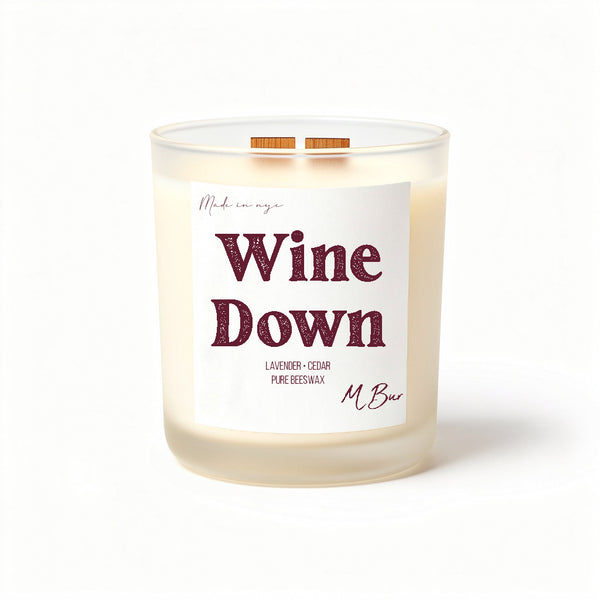
Research on retail environments has found that a pleasant, fitting scent can lift mood and keep shoppers browsing longer. Longer browsing means more items seen and more bought. The effect only holds when the scent matches the space. A citrus lift suits a bright, active shop. Warm woods and vanilla suit a calm boutique.
"I absolutely love these candles! I instantly notice the difference in the air quality, in comparison to the Bath & Body scented candles. I love Bath & Body's candles but I acknowledge that it caused a slight headache and other minor respiratory discomfort. Awesome products. Totally addicted." Jason H.
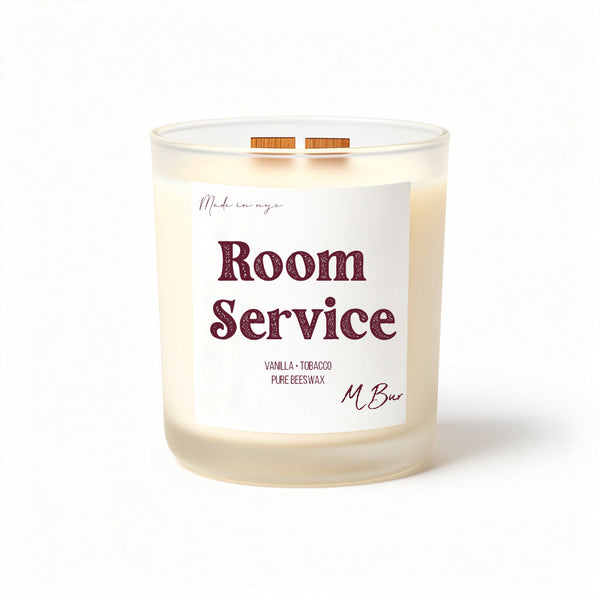
That reaction is the one you want your customers to have, not the headache. A candle that fills the room cleanly does the branding for you. Our Room Service candle is built on that idea. Its notes are saffron, white tea leaves, purple peonies, orchid, tobacco, vanilla, almond milk, and tonka bean. It reads like a five-star hotel lobby, which is exactly the feeling a lot of shops are chasing.

Fix the source before you add the scent
Here is the part everyone skips. You cannot layer a nice smell over a bad one and win. The bad smell always wins in the end.
Walk your space with a cold nose. Step outside for five full minutes. Come back in and take one slow breath. That first breath is what your customer gets. Write down what you catch.
If you smell damp or mildew, that is a moisture problem, not a fragrance problem. The EPA's guide on mold and moisture is a solid place to start on fixing the source. Clean it, dry it, air it out. Then, and only then, bring in your scent to keep the space smelling fresh.
A pure beeswax candle helps here because it burns clean. No paraffin means no petroleum soot settling on your shelves or in the air. It keeps a fixed-up room fresh instead of masking a broken one.
How to build your storefront scent, step by step
Once the space is clean, the setup is simple. You do not need a warehouse-grade diffuser for a small shop. A well-placed candle at the counter does real work.
Pick one scent and commit
Signature scent means one smell people tie to your brand. Rotating five scents a week gives customers nothing to remember. Choose one that fits your vibe and run it every day you are open.
Place it near the entry or register
The first ten feet inside the door set the mood. A candle on the counter also puts it where staff can watch the flame. Never leave a lit candle unattended in a back room.
Keep it low and steady
Aim for a scent people notice only when they think about it. If a customer comments that it is strong, it is too strong. Subtle keeps people browsing. Loud drives them out.
Mind your staff
Your team sits in that scent all day. Ask them how it feels after a week. A clean, phthalate-free scent is far easier on people who breathe it for eight hours than a heavy chemical one.
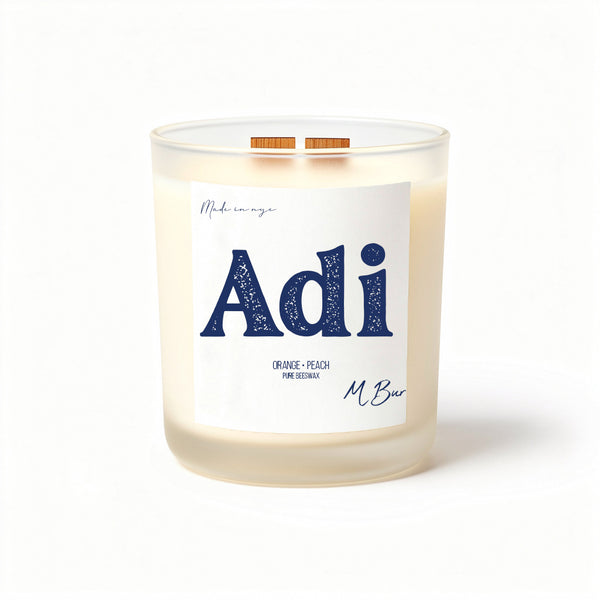
For a bright, energetic shop, a citrus profile keeps things fresh and awake. Our Adi candle runs on lemon, orange, grapefruit, mandarin, tangerine, lime, peach, and agave. The 55 hour size ($37) gives you over a week of open hours on one candle, and the 80 hour size ($65) stretches further for a shop open long days.
Why beeswax makes sense for a working storefront
A retail candle burns for hours on end. That changes what matters. You want long burn time, a clean flame, and a scent that stays pleasant over a full shift.
Beeswax has the highest melting point of any candle wax. That gives it the longest burn, up to 80 hours in our largest size. It is a single ingredient, not a blend cut with paraffin. It puts out light close to natural sunlight, which makes merchandise look good too.
The wooden wick adds a soft crackle that reads warm and calm. And because it is naturally hypoallergenic and phthalate-free, it is kinder to sensitive shoppers and staff alike.

Frequently asked questions
What is scent marketing in a retail storefront?
It is using a chosen ambient scent to shape mood, build brand memory, and keep shoppers browsing longer. Done right, the customer barely notices it and still remembers your store. A clean single scent from our beeswax candle collection is an easy way to start without a big install.
How strong should a store candle be?
Low and steady. If a customer says the scent is strong, dial it back. You want it felt, not announced. The Room Service candle fills a room well while staying easy to be around for a full shift.
Can a strong smell hurt sales?
Yes. Heavy or clashing scents overwhelm shoppers and cut browsing time short. Some people get headaches and leave. A subtle, phthalate-free scent avoids that. Many reviewers note our candles do not give them the headaches cheaper candles do.
How long will one candle last in a shop?
Depends on size. Our range runs from a 20 hour candle ($20) up to an 80 hour candle ($65). For daily open hours, the 55 hour ($37) or 80 hour size gives you the best value. See sizing on any product page in the candle collection.
What scent works best for my type of store?
Match the mood. Bright and active shops suit citrus. Calm boutiques suit warm woods and vanilla. Wellness spaces suit soft, clean profiles. Pick one and run it every day.
The takeaway
Fix the base smell first, then add one clean scent and keep it subtle. A pure beeswax candle gives your storefront a steady, memorable ambiance without soot or heavy chemical fragrance. Our candles carry strong reviews from shoppers who switched away from headache-inducing store-brand candles for good.
For a storefront that reads warm and upscale, start with the Room Service candle in the 80 hour size ($65) and place it near your register.

