

Why Do Candles Tunnel and How to Fix It (Plus How to Prevent It for Good)
Why Do Candles Tunnel and How to Fix It (Plus How to Prevent It for Good)
Most people blame themselves when a candle tunnels. Wrong burn time, wrong room, wrong everything. But here is the truth: tunneling is almost never the user's fault. It is a wax problem. Specifically, it is a memory problem, and once you understand how candle wax actually behaves, the whole thing makes a lot more sense.
Candle wax has a physical memory. The first time you burn a candle, the wax melts out to a certain diameter and then stops. Every subsequent burn, the wax will only melt as far as it melted the first time. If that first burn was cut short, you have locked in a tunnel for the life of the candle. That is it. That is the whole mechanism behind one of the most common and frustrating candle problems out there.
This post breaks down the science behind tunneling, explains which wax types are most prone to it, walks through how to fix a tunneled candle, and covers what to look for when buying candles so you are not constantly fighting this battle.
What Actually Causes Candle Tunneling
Tunneling happens when a candle burns straight down the center instead of melting the wax pool all the way to the edges of the container or pillar. The result is a deep, narrow well with thick walls of unburned wax on the sides. Eventually the wick drowns in its own wax pool, the flame dies, and you have lost a significant chunk of the candle's potential burn time.
There are a few specific culprits behind this.
The Wax Memory Effect
Every candle has what is called a melt pool memory. On the first burn, if the wax does not reach full melt pool diameter before you extinguish it, that incomplete pool becomes the reference point for every future burn. The wax around the edges essentially hardens in place and the candle starts treating that narrow inner circle as its default burn zone.
This is not a metaphor. It is actual thermodynamics. Paraffin and soy waxes are particularly susceptible to this because they have relatively low melting points and can resolidify quickly and unevenly once a partial melt pool cools.
Wick Sizing Problems
A wick that is too small for the diameter of the candle cannot generate enough heat to push the melt pool to the edges. Full stop. This is a formulation error, not a burn error. If the wick is undersized relative to the vessel, no amount of careful burning will fully correct it.
Wick sizing is one of the most technically demanding parts of candle making. The wick needs to match the wax type, the fragrance load, the vessel diameter, and even the dye content. Getting this wrong is common in mass produced candles where production speed takes priority over individual batch testing.
Fragrance and Additive Overload
This one surprises people. When a candle has too high a fragrance load, or uses certain additives, it can actually raise the viscosity and melting threshold of the wax blend around the wick. The result is a candle that burns hot in the center but struggles to liquefy the wax toward the outer walls. The fragrance concentration that makes a candle smell incredible in the store can, if poorly calibrated, contribute directly to tunneling at home.
Short First Burns
Even a well made candle can tunnel if the first burn is cut short. Most candle makers recommend burning for one hour per inch of diameter on the very first use. A standard three inch jar candle should burn for at least three hours on its first lighting to establish a full melt pool. Cut that short and you have set the wax memory incorrectly, potentially for the entire life of the candle.
Which Wax Types Are Most Prone to Tunneling
Paraffin
Paraffin is petroleum waste, full stop. It is the most widely used candle wax because it is cheap, but it has a low and inconsistent melting point that makes it particularly prone to uneven burns. Paraffin candles also produce black soot, which can clog the wick over time and make tunneling worse as the candle ages.
Soy
Soy wax is softer than paraffin with a lower melting point, which actually makes it somewhat more forgiving in terms of melt pool spread. However, most commercially available soy candles are not 100% soy. They are blended with paraffin to improve scent throw, hardness, and appearance. Those blended waxes can behave unpredictably. Pure soy also has weaker scent throw than beeswax, which leads some makers to overload the fragrance oil, bringing us back to the additive overload problem above.
Beeswax
Beeswax has the highest natural melting point of any candle wax, sitting around 147 degrees Fahrenheit compared to paraffin's 115 to 130 degrees. That higher melting point means a beeswax candle burns more slowly and more evenly. The melt pool develops gradually and tends to travel outward more consistently than lower melt point waxes.
Beeswax also does not require additives or blending agents to hold its shape or perform well. It is a single ingredient wax, which removes a whole layer of formulation variables that contribute to tunneling in other candle types.
That said, beeswax is not immune to tunneling if a wick is badly undersized or if the first burn is dramatically cut short. It is more resistant, not bulletproof.
How to Fix a Tunneled Candle
The Foil Trick
This is the most widely recommended fix and it actually works. Take a piece of aluminum foil, tent it over the top of the candle with a small opening in the center for ventilation, and let the candle burn. The foil traps heat around the edges and forces the temperature around the walls to rise. Over one to two hours, the hardened wax walls will usually soften and begin to melt back into the pool.
This works best on early stage tunneling where the walls are not more than half an inch thick. Deep tunnels may require more than one session.
The Hair Dryer Method
For candles that have already been extinguished with significant tunneling, use a hair dryer on low heat to gently melt the top layer of wax. Move it in slow circles to soften the wax walls evenly. Once the surface is liquid, let it cool completely on a flat, level surface. This resets the top layer and gives the next burn a more even starting point.
The Oven Method (for pillar candles only)
Place a pillar candle on a baking sheet lined with foil and put it in an oven set to the lowest possible temperature, around 170 degrees Fahrenheit. Watch it closely and remove it after five to ten minutes, before the wax fully melts. Pour off any excess pooled wax into a separate container and allow the candle to cool on a completely level surface.
Do not use this method on container candles. The vessel can crack.
Harvest the Wax
If the tunnel is too deep to fix, you can scoop out the wax walls with a spoon, level the surface, and reposition any salvageable wick. You can melt the harvested wax separately in a wax warmer if you want to get the remaining scent out of it.
How to Prevent Tunneling From the Start
Nail the First Burn
Burn one hour for every inch of diameter on the very first use. Check the diameter of your candle before you light it and set a timer. Do not blow it out early because you are leaving the room. Either wait out the full time or skip that session entirely. This single step prevents the majority of tunneling complaints.
Keep the Wick Trimmed
A wick that is too long burns hotter and faster, which sounds like it would help with melt pool spread but actually creates uneven combustion and soot buildup that can interfere with clean burning over time. Trim to about one quarter of an inch before each burn. For wooden wicks, snap off the charred tip so the wood can draw cleanly. Our candle care guide covers this in much more detail.
Burn on a Flat, Level Surface
An uneven surface creates an uneven melt pool. Always. This is easy to overlook but it matters, especially on the first burn when the wax memory is being set.
Avoid Drafts
Moving air causes a flame to flicker and lean, which pushes the heat unevenly toward one side of the candle. That asymmetrical heat distribution creates an asymmetrical melt pool. Keep candles away from air vents, open windows, and fans.
Do Not Burn for Too Long
Longer is not always better. Most candle makers recommend a maximum burn time of four hours per session. Beyond that, the wax can overheat, the wick can become unstable, and the glass vessel on container candles can get dangerously hot. Let the candle cool completely before relighting.
The MBur Difference: Why Formulation Matters Before You Even Light It
A lot of what gets passed off as candle care advice is really just compensation for bad candle formulation. The foil trick exists because countless candles are manufactured with undersized wicks and nobody catches it before the product ships. Burn time warnings exist because fragrance loads are pushed to the limit to make candles smell strong in retail environments.
Every MBur candle uses 100% pure beeswax, no blending agents, no paraffin filler, no shortcuts. The wax is single ingredient, which eliminates the formulation variables that cause erratic melt pools. The wooden wicks are sized specifically for each vessel diameter, which means the heat distribution is designed to reach the edges, not just the center.
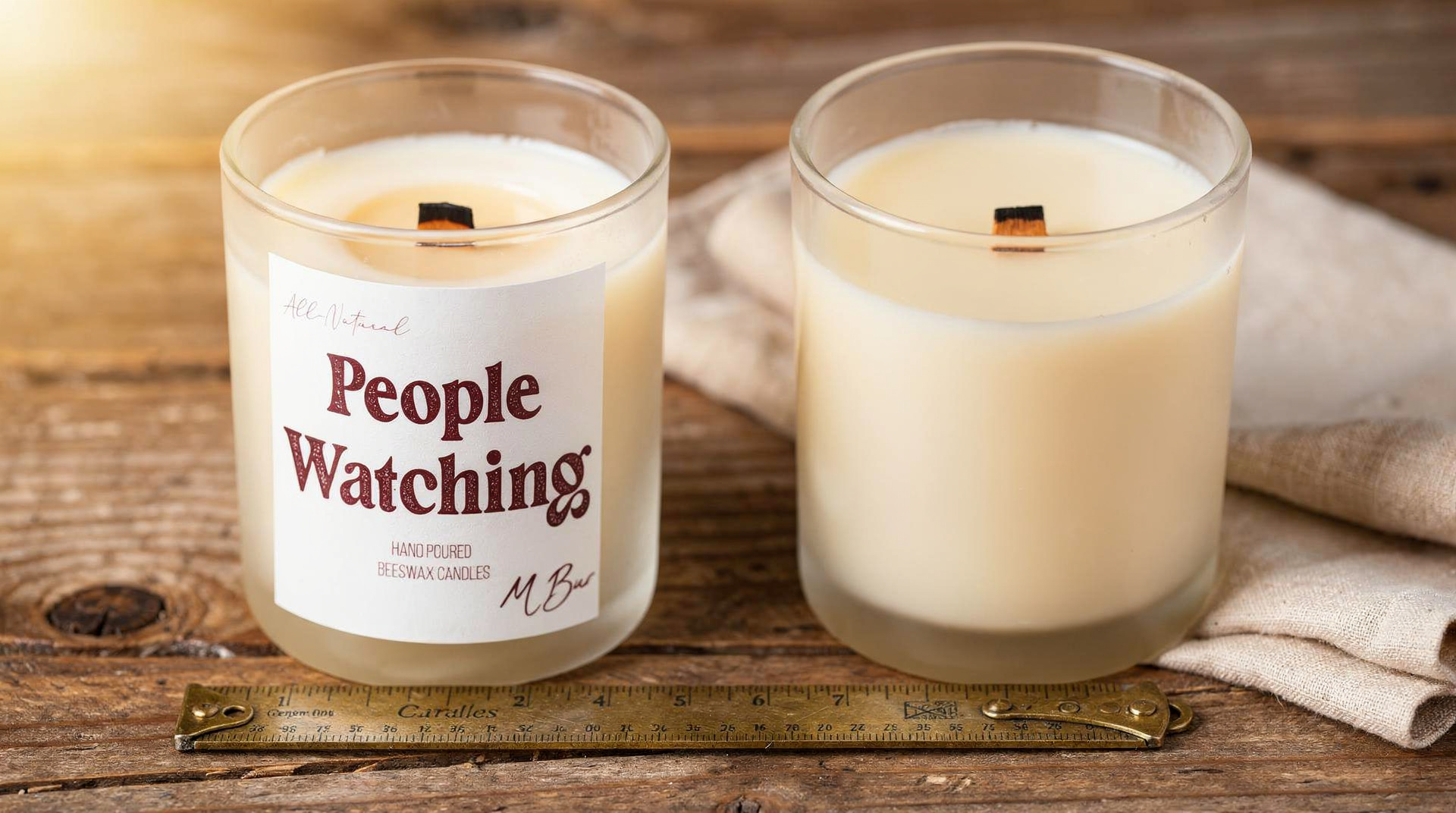
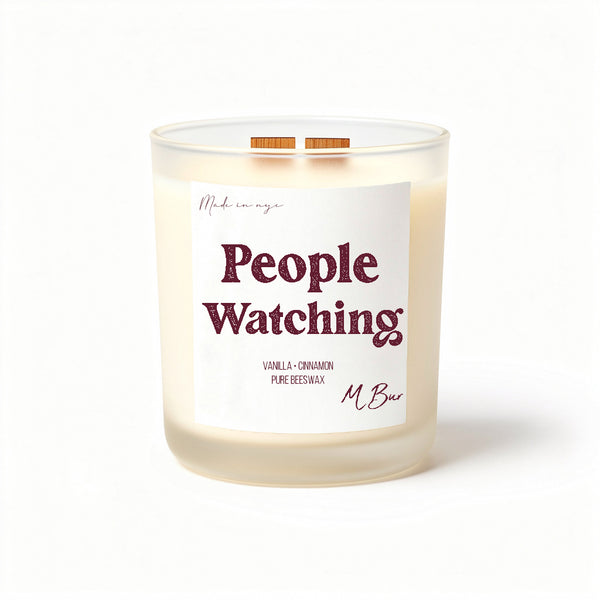
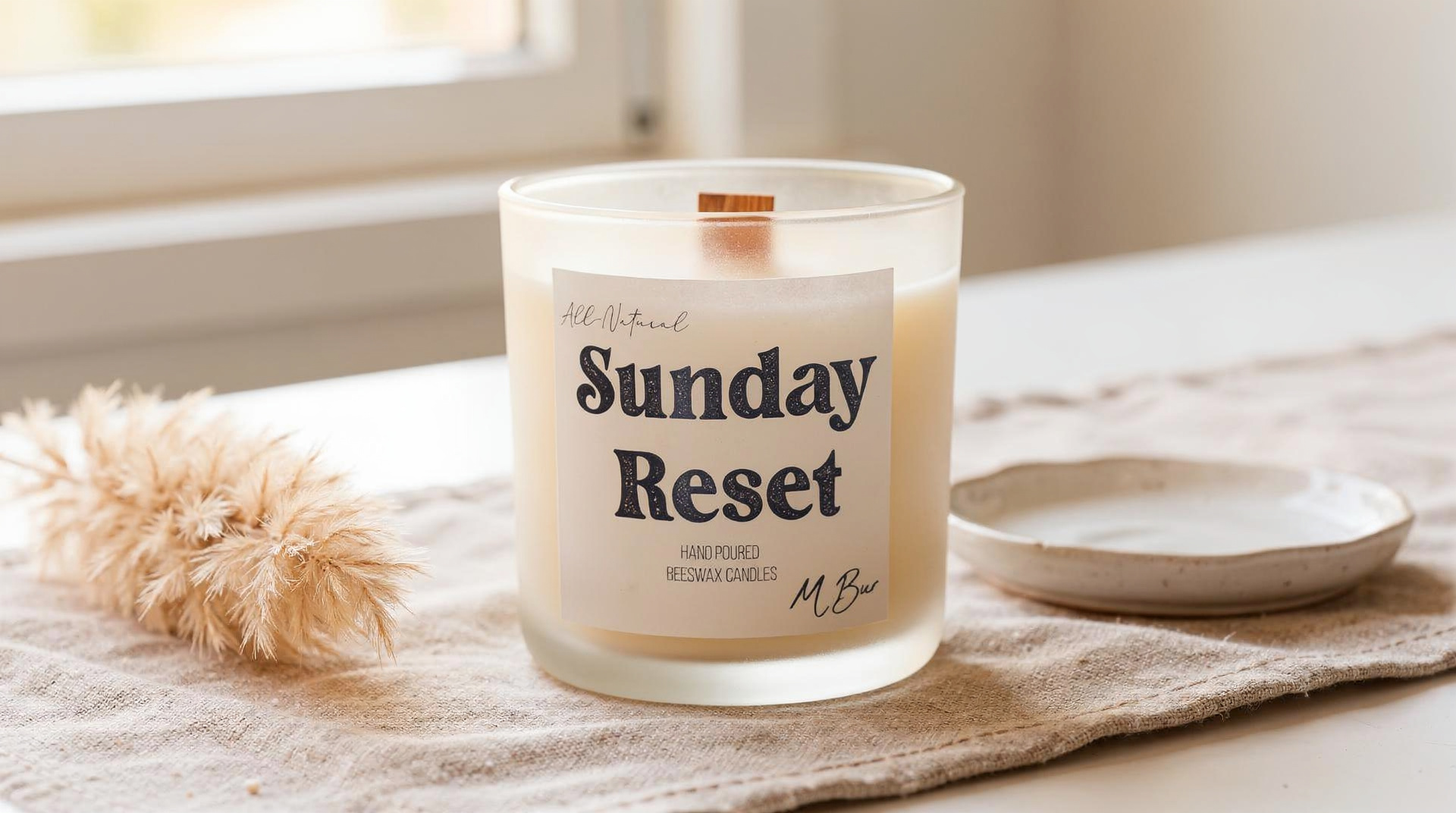
The result is a candle that burns up to 80 hours in the 12oz size, with a clean, even melt pool that does not require foil tents or hair dryers to maintain. The Sunday Reset beeswax candle is a good example of what a properly formulated burn looks like in practice. Crisp melt pool, no wax waste, consistent from the first hour to the last.
The fragrance is phthalate free, which matters not just for air quality but because it means the fragrance load does not interfere with how the wax melts. Non toxic fragrance at the right concentration does not compete with the wax chemistry. It works with it.
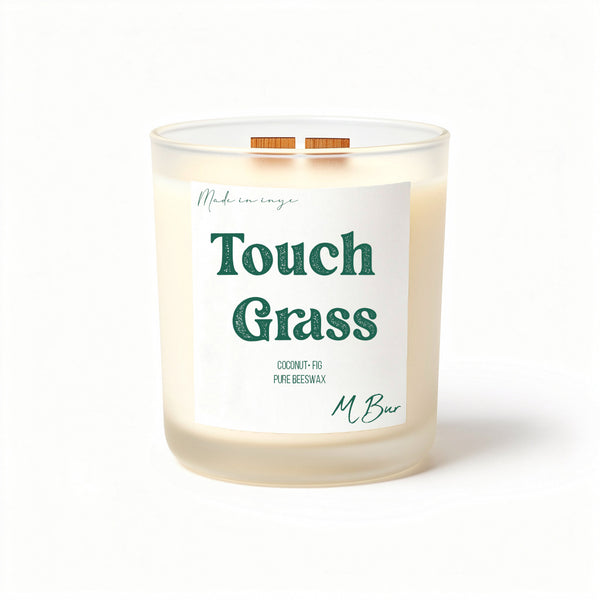
"From the packaging to the burn of the candle, everything was top notch! Candle burned slowly and was exactly the amount of hours the company said it would burn. I was able to enjoy it for days even though it was the smaller size." Portia Darby, Touch Grass Candle
That kind of consistency is not an accident. It is what happens when the wax, wick, and fragrance are actually calibrated together instead of assembled for a price point.
Frequently Asked Questions
Can a tunneled candle be saved?
Usually yes, especially if the tunneling is caught early. The foil method and hair dryer method both work well for moderate tunneling. Deep tunnels that have gone more than a third of the way down the candle are harder to fully correct but can often be improved enough to extend the usable burn time.
How long should I burn a candle the first time?
One hour per inch of candle diameter is the standard guideline. A 3 inch container candle should burn for at least 3 hours on the first use. This establishes the full diameter melt pool and sets the wax memory correctly. Skipping this step is the single most common cause of tunneling in otherwise well made candles.
Does beeswax tunnel less than other waxes?
Yes, and the reason is chemistry. Beeswax has the highest melting point of any natural candle wax, which means it burns more slowly and distributes heat more evenly. It is also a single ingredient wax with no blending agents that can create inconsistent melt behavior. It is not immune to tunneling if a wick is badly undersized, but it is significantly more resistant than paraffin or blended soy candles.
Why does my candle keep going out before forming a full melt pool?
This usually points to a wick that is too small for the vessel diameter. No burn time trick will fully compensate for an undersized wick. If your candle consistently fails to reach the edges after three to four hours of burning, the issue is formulation, not technique. This is also sometimes caused by a wick that has too much wax residue on it from improper trimming. Snap or trim the wick before each burn and make sure no debris falls into the melt pool.
Does tunneling waste a lot of wax?
Significantly, yes. A candle with a developed tunnel can leave 30 to 40 percent of its wax unburned on the walls. That wax still holds fragrance, but the wick cannot reach it and the flame cannot melt it without intervention. This is one of the main reasons poor quality candles appear cheap per ounce but actually deliver far fewer hours of real burn time than advertised. Price per burn hour is a much more useful metric than price per ounce.
The Bottom Line
Candle tunneling is a wax memory problem, not a user error. It starts on the first burn, compounds over time, and is significantly influenced by the quality of the wax, the accuracy of the wick sizing, and the fragrance formulation. You can fix most tunneled candles with heat and patience. You can prevent most tunneling with a long first burn, a trimmed wick, and a flat surface.
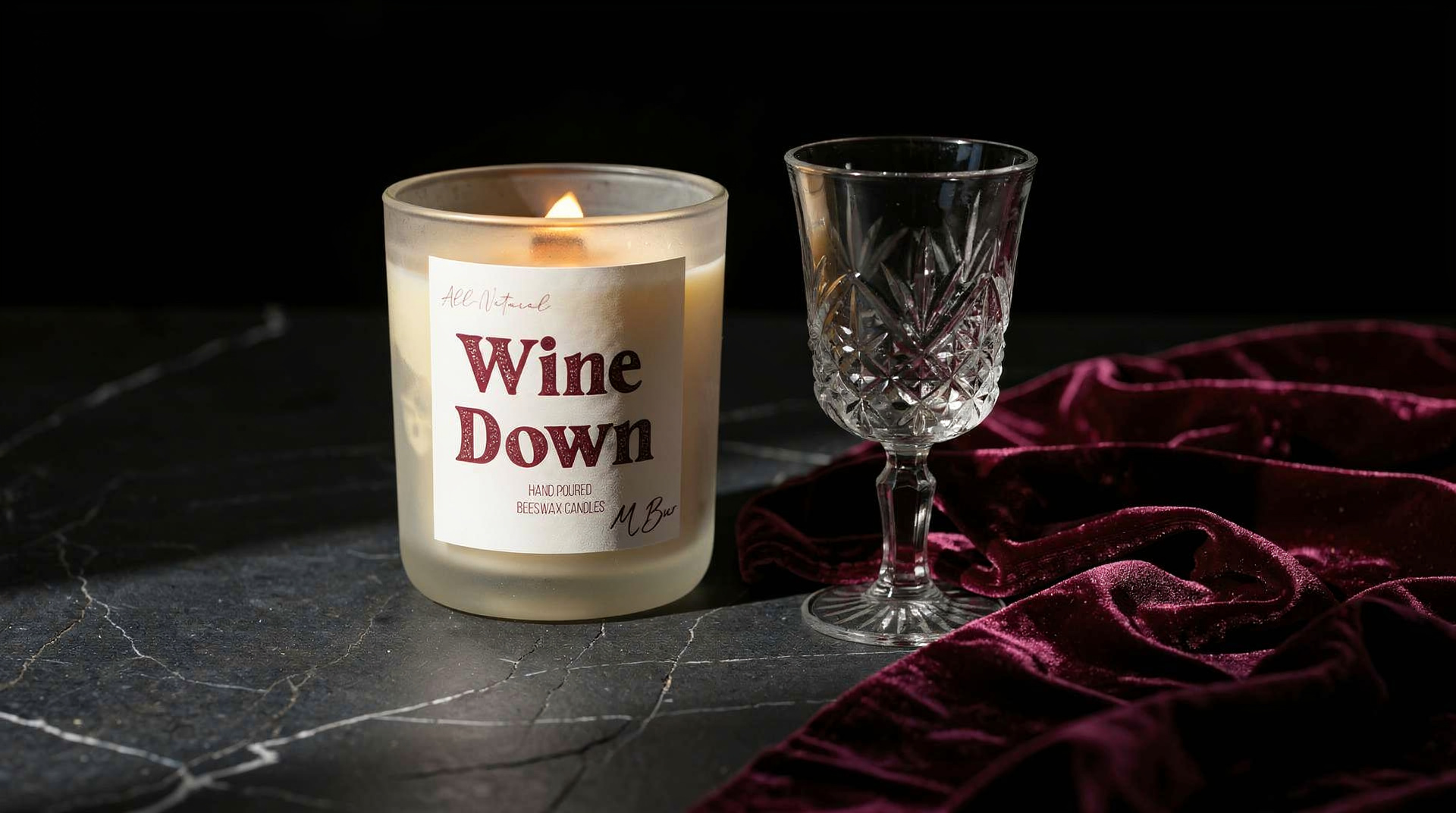
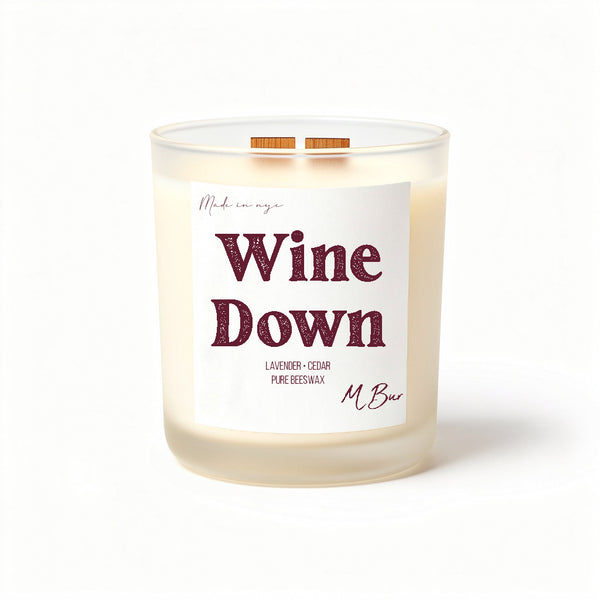
But the most reliable fix is starting with a candle that was made correctly in the first place. The Wine Down beeswax candle starting at $20 for a 20 hour burn is a clean place to start over. Single ingredient wax, properly sized wooden wick, phthalate free fragrance, made in Queens. No foil tent required.
Shop the full MBur beeswax candle collection
Related reading:

