

Candle Burn Time Explained: What Actually Determines How Long a Candle Lasts
Candle Burn Time Explained: What Actually Determines How Long a Candle Lasts
Beeswax has been used as a light source for over 5,000 years, and here is the wild part: it is still the longest burning candle wax available today. Not because of some artisanal magic, but because of basic chemistry. Beeswax has the highest melting point of any candle wax, sitting at roughly 144 to 147 degrees Fahrenheit. Compare that to paraffin, which melts between 99 and 130 degrees Fahrenheit, and you start to understand why two candles that look identical on a shelf can behave completely differently once you light them.
If you have ever burned through a candle faster than you expected, or wondered why one jar lasted three weeks while another was gone in four days, the answer is not random. Burn time is predictable. It is determined by a specific set of factors, and once you know what those are, you will never look at a candle the same way again.
This post breaks down exactly what goes into candle burn time, from wax chemistry to wick width to fragrance load, and what to look for when you want a candle that actually lasts.
The Biggest Myth About Candle Burn Time
Most people assume that a bigger candle automatically means a longer burn. That logic is understandable but incomplete. Size matters, yes. But wax type matters more. A 12 ounce paraffin candle and a 12 ounce beeswax candle do not burn for the same amount of time, even if they are sitting in identical jars. The beeswax version will outlast the paraffin version by a significant margin, simply because its wax burns slower and more completely.
The other common myth is that a candle that smells stronger burns faster. Not necessarily. Fragrance load (how much fragrance oil is mixed into the wax) does affect burn behavior, but not in a simple linear way. More on that below.
Factor 1: Wax Type Is the Foundation
Wax type is the single most important variable in candle burn time, and it comes down to one thing: melting point.
A higher melting point means the wax requires more heat to turn from solid to liquid. More heat required equals a slower melt. A slower melt equals more hours of burn time per ounce of wax.
| Wax Type | Melting Point | Avg. Burn Time per oz | Notes |
|---|---|---|---|
| Paraffin | 99 to 130 F | 5 to 7 hours | Petroleum byproduct, fast melting, shorter burn |
| Soy | 113 to 127 F | 6 to 8 hours | Plant based but often blended with paraffin |
| Beeswax | 144 to 147 F | Up to 8 to 10+ hours | Naturally occurring, slowest melt, longest burn |
Paraffin is a petroleum byproduct, full stop. It melts fast, it burns fast, and it releases volatile organic compounds (VOCs) like benzene and toluene as it burns. Soy is a better option than paraffin, but most commercial soy candles are not pure soy. They are blended with paraffin to cut costs, which pulls the burn time down closer to paraffin territory.
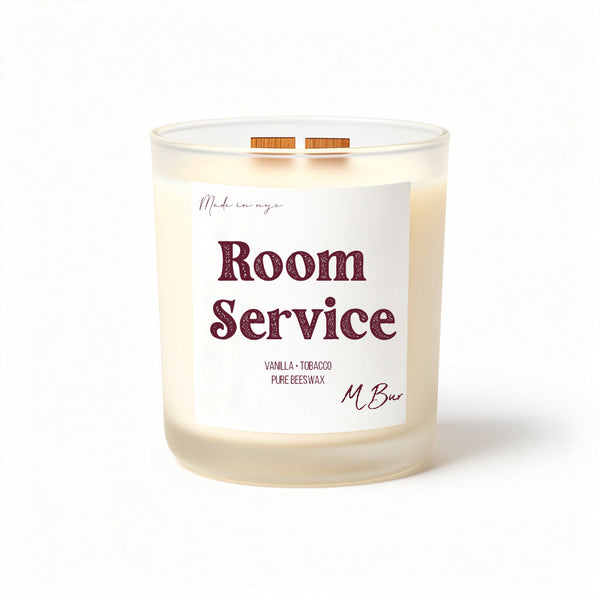
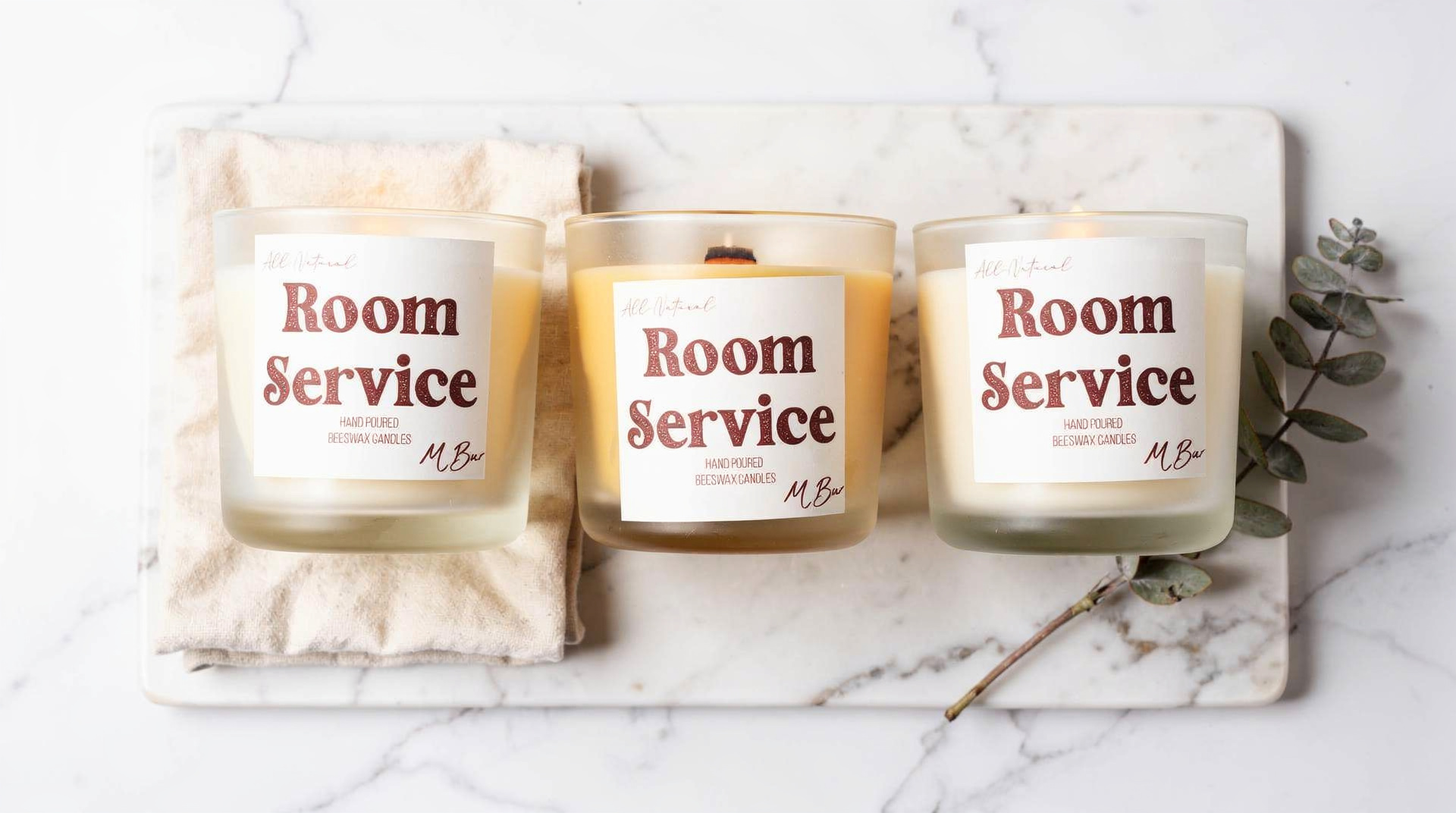
Beeswax, on the other hand, is a single ingredient natural wax. No chemical processing, no petroleum derivatives. Its unusually high melting point is not manufactured or engineered. It is just what beeswax is. That is why a 12 ounce beeswax candle like Room Service is rated for up to 80 hours of burn time. That is chemistry.
Factor 2: Wick Size and Material
The wick controls how much wax gets pulled up and combusted at any given moment. A wick that is too wide for the vessel creates a large, aggressive flame that melts wax faster than it can be cleanly burned. A wick that is too narrow creates tunneling, where the center burns down while wax pools on the sides, wasting a significant portion of the candle.
Wick material also plays a role. Cotton wicks are the standard. Metal core wicks (often zinc) have been largely phased out in reputable candles, but they do still appear in cheap imports and can release trace heavy metals when burned.
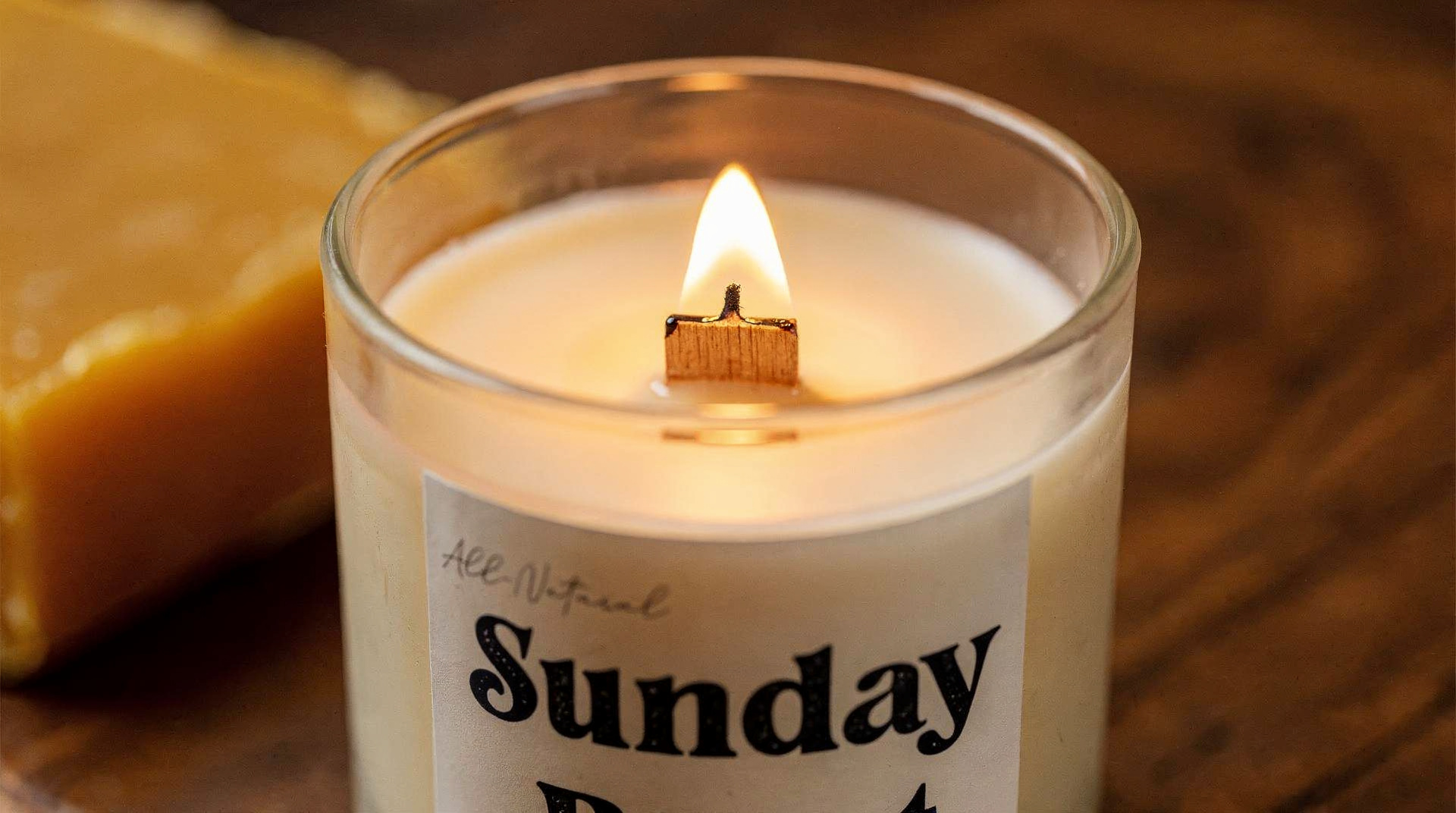
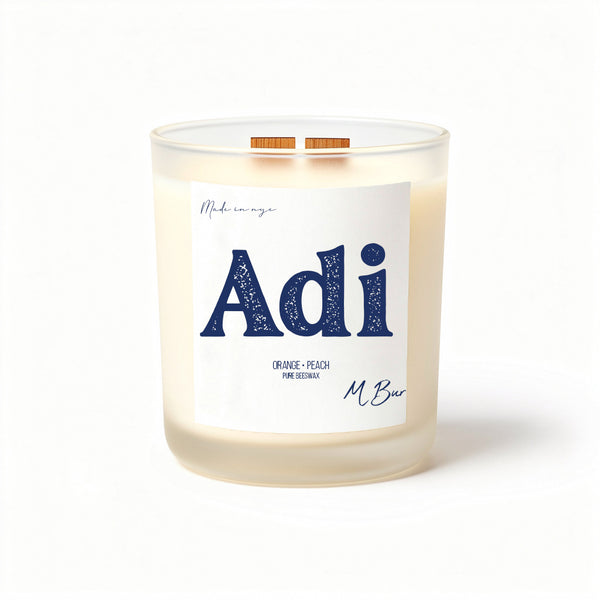
Wooden wicks behave differently from cotton wicks. They produce a wider, lower flame that distributes heat more evenly across the wax surface. This promotes a full melt pool with less wasted wax on the edges, which contributes to a more complete and efficient burn over the life of the candle. They also produce the crackling sound that resembles a fireplace.
All MBur candles use wooden wicks specifically because of the even burn behavior. Combined with beeswax's high melting point, the result is a candle that burns slowly, evenly, and completely.
Factor 3: Fragrance Load
Every scented candle has a fragrance load: the percentage of fragrance oil blended into the wax. For most candles, this sits between 6% and 12%. Going higher than the wax can hold causes fragrance oil to pool at the top of the candle rather than bind into the wax, which can create uneven burning and occasionally a flash point risk.
Fragrance load affects burn time in two ways. First, fragrance oil has a lower flash point than wax, so a very high fragrance load can cause the candle to burn slightly hotter and faster. Second, poorly formulated fragrance (especially blends with toxic fragrance chemicals) can clog the wick over time, causing the flame to shrink or extinguish prematurely.
Non toxic fragrance, formulated without phthalates or other chemical binders, tends to behave more predictably in the wax and does not compromise wick performance over the life of the candle. This is why fragrance sourcing is not just a health consideration. It is a burn performance consideration too.
Factor 4: Candle Diameter and Vessel Shape
This one is more straightforward. A wider candle has more surface area exposed to air, which means more wax is melting at any given point. A tall, narrow candle concentrates the burn in a smaller pool, which means wax is consumed more slowly relative to the total volume.
Vessel shape also affects how heat is retained or dissipated. A thick glass jar holds heat longer than a thin one, which can keep the wax in a liquid state longer and allow more fragrance to diffuse into the room. The tradeoff is that very high heat retention can accelerate the melt rate if the vessel runs too warm.
This is why burn time estimates from candle brands are always given in ranges rather than exact hours. A 7 ounce candle in a wide vessel and a 7 ounce candle in a tall narrow one will behave differently even if the wax and wick are identical.
Factor 5: How You Burn It
Burn time is also a function of user behavior. The two biggest variables here are wick trimming and burn session length.
Wick trimming: Every time you burn a candle, the wick accumulates carbon buildup at the tip (called mushrooming for cotton wicks). That buildup makes the flame burn hotter and larger than it should, accelerating the melt rate. Trimming the wick to about 1/4 inch before each burn session keeps the flame at the right size and extends the overall life of the candle. This applies to wooden wicks too, though they tend to mushroom less aggressively than cotton.
Burn session length: The first burn is the most important one. You should let the wax melt all the way to the edges of the vessel before extinguishing it on the first burn. This prevents tunneling, where the wax forms a memory of a narrow pool and never fully melts the outer edges in future burns. A candle that tunnels can lose 20% to 40% of its wax to the sides, which directly cuts into your burn time.
Subsequent burns should generally be kept to four to five hours maximum. Beyond that, the vessel gets hot enough that performance can degrade and safety becomes a consideration.
What Good Burn Time Actually Looks Like in Practice
To make this concrete, here is how MBur's burn time specs work across sizes. These numbers are based on 100% beeswax with wooden wicks and phthalate free, non toxic fragrance:
- 2.5 oz (20 hours): Good for a single room, short daily sessions over several weeks
- 5 oz (40 hours): A solid everyday candle for regular use over a month or more
- 7 oz (55 hours): Enough for consistent daily burning across six to eight weeks
- 12 oz (80 hours): The full commitment candle. Burns longer than most competitors' largest sizes
For context, a typical Bath and Body Works three wick candle (14.5 oz, paraffin blend) is rated for 25 to 45 hours. A 12 ounce MBur candle, which weighs less, burns nearly twice as long. That is the melting point difference in action.
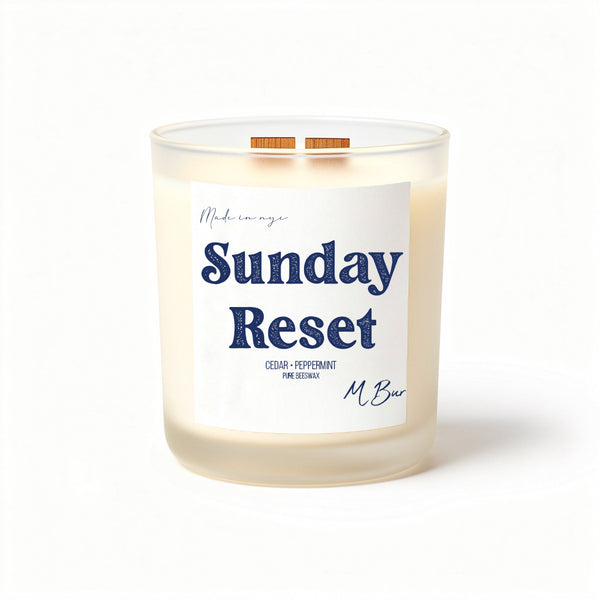
"From the packaging to the burn of the candle, everything was top notch. Candle burned slowly and was exactly the amount of hours the company said it would burn. I was able to enjoy it for days even though it was the smaller size." Portia Darby, Sunday Reset Candle
If you are comparing value across candle brands, price per hour of burn time is a more honest metric than price per ounce. A $65 candle that burns for 80 hours costs $0.75 per hour. A $40 candle that burns for 30 hours costs $1.33 per hour. The beeswax candle is the better deal.
Why Beeswax Is in a Different Category Entirely
The burn time advantage of beeswax is real, but it is worth understanding why beeswax performs differently rather than just taking it on faith. The answer comes back to molecular density. Beeswax is denser than paraffin and soy, meaning more combustible material is packed into each ounce of wax. When you burn a denser fuel more slowly (which the high melting point forces), you get more energy (and more light and scent) out of a smaller amount of material.
Beeswax also emits light at a color temperature closest to natural sunlight. This is the same principle behind why candlelight feels warm and natural rather than harsh. Paraffin burns cooler in color temperature, producing a more yellowish, flicker heavy light.
And because beeswax is produced by bees as a byproduct of honey production, it requires no chemical processing or refining to turn into candle wax. It is harvested, filtered, and poured. That simplicity is part of why it performs so consistently.
Frequently Asked Questions
How long do beeswax candles actually burn compared to paraffin?
Beeswax candles typically burn 25% to 50% longer than paraffin candles of the same weight. This is because beeswax has a significantly higher melting point (up to 147 F versus 130 F for paraffin), which means it takes more heat to melt and combusts more slowly. MBur's 12 ounce beeswax candles are rated for up to 80 hours of burn time.
Does trimming the wick really make a candle last longer?
Yes, meaningfully. An untrimmed wick produces a larger flame that accelerates the melt rate and creates soot. Trimming to 1/4 inch before each burn keeps the flame at the correct size, which extends total burn time and keeps the scent throw consistent throughout the life of the candle.
Why do some candles tunnel and others do not?
Tunneling happens when a candle is extinguished before the wax has melted all the way to the edges of the vessel. The wax forms a memory of a narrow melt pool and will repeat that pattern on future burns. Always burn a new candle long enough on the first session to achieve a full melt pool across the surface. For a 3 to 4 inch diameter candle, this usually takes 2 to 3 hours.
Is a higher fragrance load better for scent throw?
Not always. The right fragrance load depends on what the wax can hold. Overloading a wax beyond its fragrance saturation point causes the oil to pool rather than bind, which can create uneven burning and reduce scent throw over time. Non toxic fragrance formulated specifically for beeswax performs more consistently than fragrance with chemical binders or phthalates.
How do I calculate cost per hour for a candle?
Divide the candle price by the rated burn hours. A $20 candle rated for 20 hours costs $1.00 per hour. A $65 candle rated for 80 hours costs $0.75 per hour. Longer burning candles made from denser waxes like beeswax almost always win on cost per hour, even when the sticker price looks higher.
The Bottom Line
Candle burn time is not guesswork. It is the direct result of wax type, wick design, fragrance formulation, vessel shape, and how you burn the candle. Beeswax sits at the top of every one of those categories because of its natural molecular density and the highest melting point of any candle wax.
If you want a candle that actually lasts, start with the wax. Everything else follows from there.
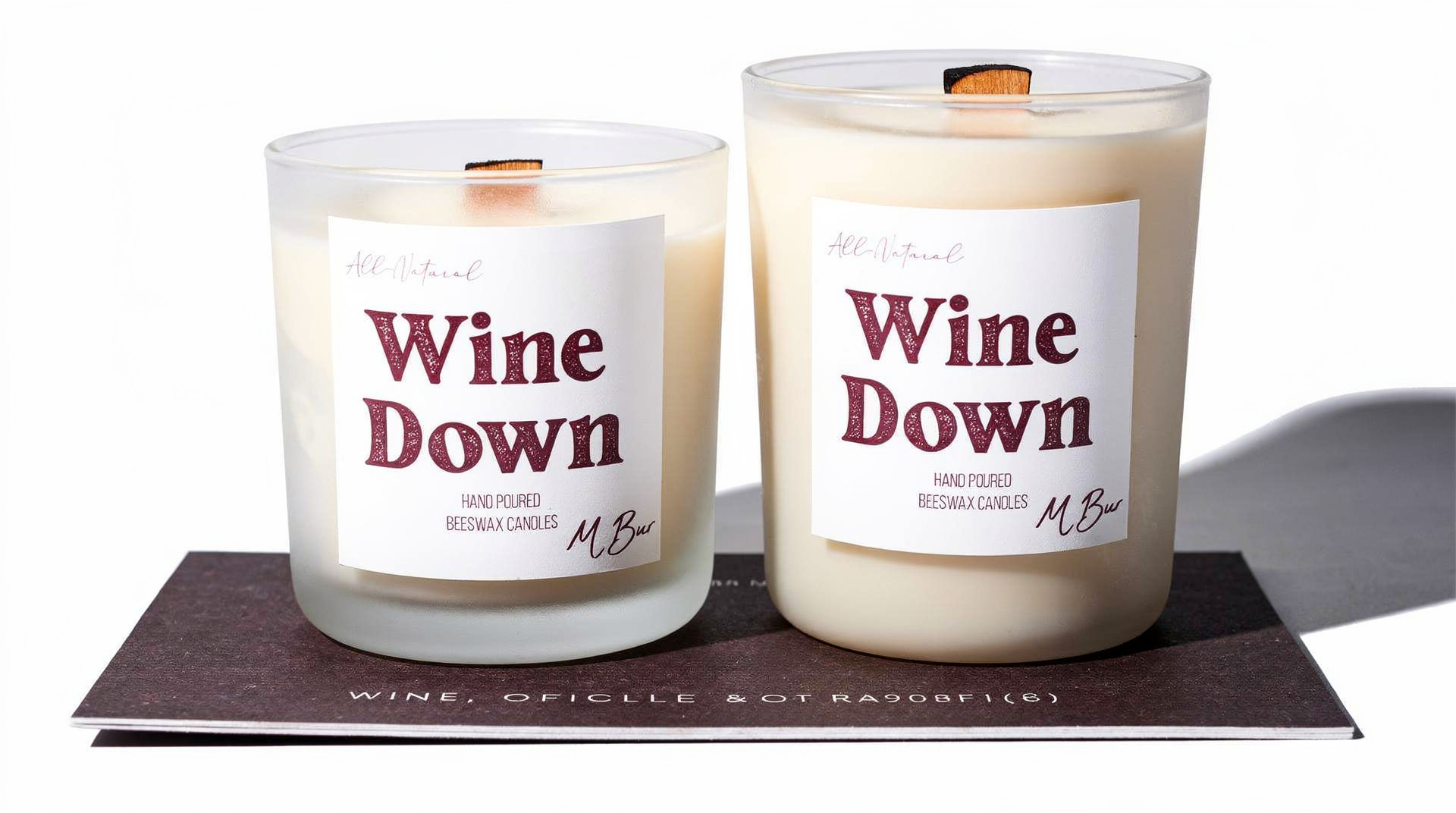
The Wine Down beeswax candle (starting at $20 for the 20 hour size, up to $37 for the 55 hour size) is a good starting point if you want to experience the burn time difference for yourself.
Shop the full MBur beeswax candle collection
What buyers say:
Related reading:

