
What Chemicals Are in Glade and Air Wick Candles?
What Chemicals Are in Glade and Air Wick Candles?
Glade (SC Johnson) and Air Wick (Reckitt) are the two biggest names in mass-market scented candles. They show up in grocery stores and drugstores everywhere, at low prices and with aggressive scent throw. Both brands publish more ingredient information than most candle companies do, thanks to California disclosure laws and their own transparency programs. Here's what those disclosures show.
For a cleaner alternative, browse the full MBur beeswax candle collection.
The Quick Answer
Both brands use paraffin wax as the primary candle base, confirmed in their own ingredient disclosures. Both use proprietary fragrance blends. SC Johnson's "WhatsInside" program publishes detailed fragrance ingredient lists per product, which is one of the most transparent in mass-market candles. Air Wick's SmartLabel disclosures include CAS numbers for the wax and stabilizers. At least one stabilizer Air Wick commonly uses (octabenzone, CAS 3147-75-9) appears on the EU's list of Substances of Very High Concern for endocrine disruption. The two brands sit in the same category: paraffin candles with strong fragrance, more disclosed than most mass-market competitors but still petroleum-wax-based.
The Wax: Confirmed Paraffin
Glade's own product pages on WhatsInsideScJohnson.com list "Paraffin Wax" as the wax component in their candles, described as "a blend of waxes that is used to form a candle and that provides fuel for the candle as it burns." Air Wick's SmartLabel ingredient lists include multiple wax CAS numbers (64742-51-4, 68956-68-3, 68514-74-9, 68527-08-2), all of which correspond to petroleum-derived paraffin or paraffin-like waxes.
Both brands use paraffin because it's the cheapest candle wax that holds fragrance well and produces the strong scent throw mass-market sales depend on. Paraffin combustion releases benzene, toluene, and other VOCs regardless of which brand uses it.
The Wicks: Cotton, Lead-Free
Both brands use cotton wicks with metal-base clips for stability. Lead-core wicks have been illegal in the US since 2003. Some Glade and Air Wick candles use multiple wicks for wider jars. Cotton wicks are a baseline standard that most modern candles meet.
The Fragrance: Disclosed but Complex
This is where the comparison gets interesting. SC Johnson's WhatsInside program publishes the actual fragrance ingredient lists for each Glade product, often listing 30 to 50 specific chemical compounds. This is unusually transparent for the mass-market candle industry. Some of those compounds are flagged as skin allergens on SC Johnson's own list (limonene, benzyl benzoate, hydroxycitronellal, geranyl acetate, citrus oils).
Air Wick publishes ingredient information via Reckitt's rbnainfo SmartLabel site. The site explicitly flags at least one common stabilizer ingredient (octabenzone, CAS 3147-75-9) as being on the EU Candidate List of Substances of Very High Concern for endocrine disruption. Air Wick doesn't state that the fragrance is phthalate-free.
The transparency programs are real, and worth crediting. The disclosures themselves show the fragrances contain dozens of synthetic compounds, and that the Air Wick candle base includes a stabilizer flagged by EU regulators as an endocrine disruptor.
Glade vs Air Wick: Which Is Cleaner
The two brands are similar enough that the distinction is small. They both use paraffin. They both have proprietary fragrance compositions that aren't fully published in their disclosure programs (the full formulation percentages aren't released, only the listed compounds). Glade's "Atmosphere Collection" includes some soy-paraffin blends rather than pure paraffin, which is a small step toward cleaner. Air Wick's octabenzone stabilizer on the EU endocrine disruptor list is a specific concern for that brand. Neither markets as clean or non-toxic, and both are positioned as mass-market fragrance products.
Ingredient Summary Table
| Component | Glade | Air Wick |
|---|---|---|
| Wax | Paraffin (some soy-paraffin blends) | Paraffin (petroleum waxes) |
| Wick | Cotton, lead-free, metal base clip | Cotton, lead-free, metal base clip |
| Fragrance | 30 to 50 disclosed compounds per product, full formula proprietary | Proprietary; phthalate status not stated |
| Stabilizers | BHT and others disclosed | Octabenzone (EU SVHC endocrine disruptor list) |
| Phthalate-free? | Not explicitly stated | Not explicitly stated |
| Brand transparency | WhatsInsideScJohnson.com | SmartLabel via rbnainfo.com |
How They Compare to Clean Alternatives
Both brands sit in the mass-market paraffin candle category. They publish more transparency than most competitors, but neither claims to be clean or non-toxic. The wax is paraffin in both cases, the fragrance is complex and not fully disclosed at the formulation level, and at least one Air Wick stabilizer is flagged for endocrine disruption concerns by EU regulators.
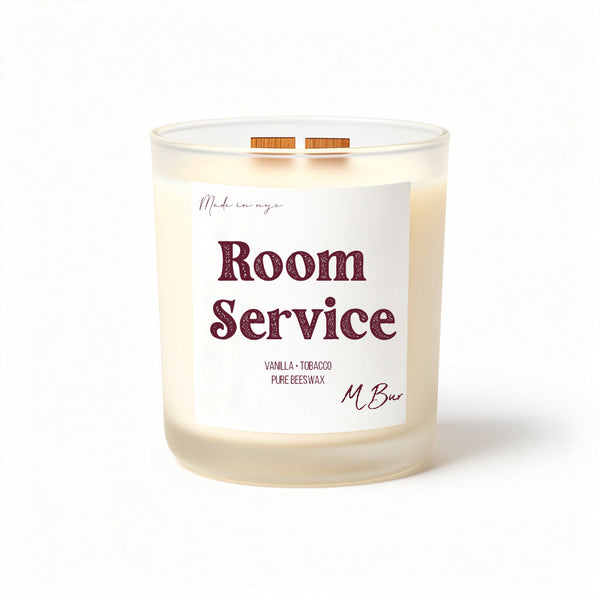
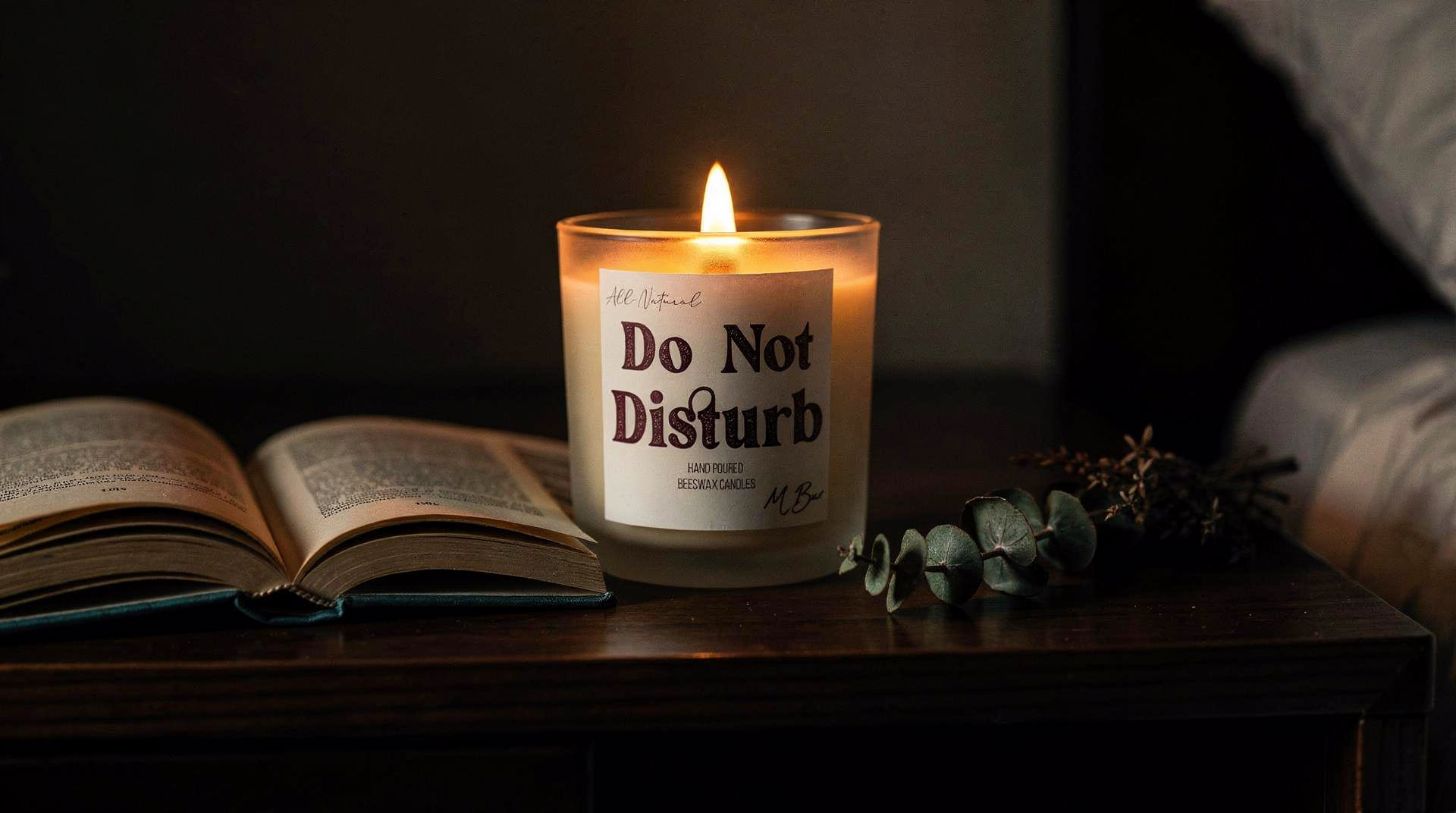
MBur uses 100% beeswax (no paraffin) with phthalate-free non-toxic fragrance, wooden wicks, no dyes, and no UV stabilizers in the wax. The Wine Down and Do Not Disturb candles are direct cleaner alternatives.
Frequently Asked Questions
Are Glade and Air Wick candles safe?
Both are sold legally and meet US regulatory safety standards. The paraffin combustion releases VOCs, and Air Wick's disclosed stabilizer is flagged by EU regulators as an endocrine disruptor. For occasional use in well-ventilated rooms, this isn't an acute concern. For regular use, sensitive lungs, pregnancy, or anyone trying to reduce endocrine disruptors in the home, a cleaner alternative is the safer choice.
Do Glade or Air Wick candles contain phthalates?
Neither brand explicitly states phthalate-free. Glade's fragrance ingredient disclosures via WhatsInside list specific compounds but don't specify the full formulation. Air Wick's SmartLabel disclosures don't include a phthalate-free claim. A buyer specifically avoiding phthalates would need to choose a brand that states phthalate-free explicitly.
Is Glade's ingredient transparency program meaningful?
Yes, partly. SC Johnson publishes more fragrance ingredient detail than most mass-market candle brands, including specific compounds and noted allergens. The remaining gap is that the full fragrance formula percentages and any phthalate-free statement aren't included. Partial transparency is still more than most.
What's a cleaner alternative to Glade or Air Wick?
For a clean candle in a similar price range, look at Big Dipper's beeswax votives (around $5, unscented), MBur's 20-hour entry size at $20 (scented, 100% beeswax, phthalate-free), or 100% soy options like P.F. Candle Co. (around $24, explicitly phthalate-free). All deliver clean wax with no paraffin and stated phthalate-free fragrance.
The Bottom Line
Glade and Air Wick are mass-market paraffin candles with more ingredient disclosure than most competitors. Neither claims clean credentials. The wax is paraffin in both cases, confirmed by the brands' own disclosures. The fragrance is complex and not fully disclosed at the formulation level. Air Wick's octabenzone stabilizer is flagged for endocrine disruption by EU regulators. For occasional use the risk is moderate. For regular use or sensitive situations, a 100% beeswax, soy, or coconut candle with phthalate-free fragrance is the cleaner alternative.
Shop the full collection of clean-burning beeswax candles
What buyers say:
Related reading: