

What Chemicals Are in Dollar Store Candles? A Cautionary Breakdown
What Chemicals Are in Dollar Store Candles? A Cautionary Breakdown
Dollar store candles solve a specific problem: cheap ambient candlelight. They're widely available, usually unscented or lightly scented, and the visual quality is acceptable for the price. The catch is that almost everything about how they're made encourages corner-cutting on ingredients. Here's a cautionary breakdown of what's typically inside dollar store candles, including the historic concerns and why most clean-living guides suggest avoiding them.
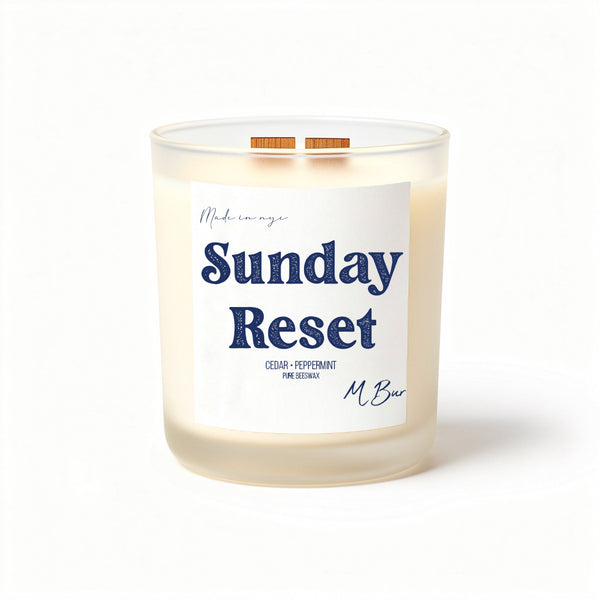
For a budget clean alternative, browse the full MBur beeswax candle collection.
The Quick Answer
Dollar store candles are typically paraffin (or paraffin-based blends), with thin cotton wicks of unknown coating composition, undisclosed fragrance, and synthetic dyes. Ingredient transparency at this price tier is essentially nonexistent. Historical concerns include imported candles with metal-core wicks (lead was banned in 2003 in the US, but enforcement on imports is imperfect) and undisclosed fragrance blends with no phthalate-free claims. For occasional decorative use in well-ventilated rooms the risk is moderate. For regular use, especially in small spaces or with sensitive lungs, dollar store candles are the category to avoid.
The Wax: Almost Always Paraffin
The economics of dollar-store pricing make paraffin essentially the only viable wax. A candle that retails for $1.25 can't be 100% soy, coconut, or beeswax at that price; the raw materials cost more than the entire retail. US trade documents specifically classify Dollar Tree candles as falling under petroleum wax categories, which confirms paraffin as the standard wax. Paraffin candles release benzene, toluene, and other VOCs when burned. In a small, poorly ventilated space, these accumulate.
The Wicks: Historic Lead Concerns
Lead-core wicks were banned in the US in 2003, and most legitimate domestic manufacturers stopped using them well before that. The historical concern with dollar store candles, especially imported ones, has been that imported candles can slip past US enforcement and may still contain metal-core wicks (zinc or, rarely, lead). Even when the wick is cotton, the wax coating on the wick is often paraffin-based and undisclosed. The thin cotton wicks common at this price tier also tend to produce more soot and uneven burns.
The Fragrance: Undisclosed
Dollar store scented candles use the cheapest fragrance compounds available. These are virtually never disclosed in detail, and phthalates are common in cheap fragrance fixatives because they boost throw at low cost. The brands at this price tier don't generally make phthalate-free claims, and there's no economic incentive to formulate without phthalates when the consumer is paying $1 to $2 per candle.
The Dyes
Cheap synthetic dyes are standard at this tier, especially in seasonal or themed candles where color is part of the visual appeal. Synthetic dyes contribute to soot when burned, especially in dark colors. Composition is undisclosed.
Ingredient Summary Table
| Component | What's Typically Found | Concern Level |
|---|---|---|
| Wax | Paraffin (petroleum) | High |
| Wick | Thin cotton; metal-core possible in imports | Moderate to high |
| Fragrance | Undisclosed; phthalates likely | High |
| Dyes | Synthetic, undisclosed | Moderate |
| Ingredient transparency | Minimal to none | High |
When Dollar Store Candles Are Genuinely Fine
To be honest about the category: not every dollar store candle is a public health crisis. For occasional decorative use (a birthday cake candle, a power-outage emergency, a brief seasonal display), the exposure is minimal. The concern isn't "one $1 candle." It's the cumulative exposure from regular use, especially in bedrooms or small spaces where the air gets concentrated.
Cleaner Budget Alternatives
If the appeal is the low price, there are clean-candle options that get close. Big Dipper Wax Works makes 100% pure beeswax votives starting around $5, no fragrance, low soot. That's roughly 4x the price of a dollar store candle, but for clean wax with no air quality concerns. Some big-box stores carry 100% soy options with phthalate-free fragrance in the $10 to $15 range. The air quality difference for that small upgrade in price is substantial.
MBur's entry size starts at $20 for a 20-hour 100% beeswax candle with phthalate-free non-toxic fragrance and a wooden wick. The Do Not Disturb candle is a low-risk entry point at that price, especially compared to $1 paraffin candles burned regularly.
Frequently Asked Questions
Are dollar store candles dangerous?
Not acutely dangerous for occasional use. The concern is cumulative exposure with regular use, especially in small or poorly ventilated rooms, since they typically use paraffin wax and undisclosed fragrance. For sensitive lungs, pregnancy, or households with kids and pets, a cleaner alternative is the safer choice.
Do dollar store candles still have lead wicks?
Lead-core wicks were banned in the US in 2003 and most legitimate sellers haven't used them since well before that. The remaining concern is imported candles that may slip past enforcement. If you do buy a dollar store candle, look for cotton wicks that are clearly cotton (not metal) all the way through.
Are unscented dollar store candles safer than scented?
Somewhat. Unscented candles remove the fragrance variable (no phthalates or toxic fragrance compounds). The paraffin wax is still the same though. An unscented 100% beeswax votive (like Big Dipper's, starting around $5) is meaningfully cleaner than an unscented dollar store paraffin candle.
What's the cheapest clean candle option?
Big Dipper Wax Works votive candles in 100% pure beeswax start around $5. That's the lowest entry point into 100% clean wax. For phthalate-free fragrance, 100% soy options at big-box stores in the $10 to $15 range are an option, though the wax transparency varies.
The Bottom Line
Dollar store candles are typically paraffin with undisclosed fragrance, thin cotton wicks, and synthetic dyes. The economics make clean ingredients essentially impossible at $1 to $2 per candle. For occasional decorative use the risk is low. For regular use, especially in small spaces or with sensitive lungs, a cleaner budget alternative is worth the small upgrade in price.
Shop the full collection of clean-burning beeswax candles
What buyers say:
Related reading:

