

What Chemicals Are in Chesapeake Bay Candles?
What Chemicals Are in Chesapeake Bay Candles?
Chesapeake Bay Candle is a mid-market home fragrance brand sold widely at Target, Walmart, and online. The brand is now owned by Newell Brands (the same parent company as Yankee Candle and WoodWick), which puts it in the same corporate family as some of the most-scrutinized candle brands in the US. The question for buyers is whether Chesapeake Bay carries the same ingredient profile. Here's a sourced breakdown.
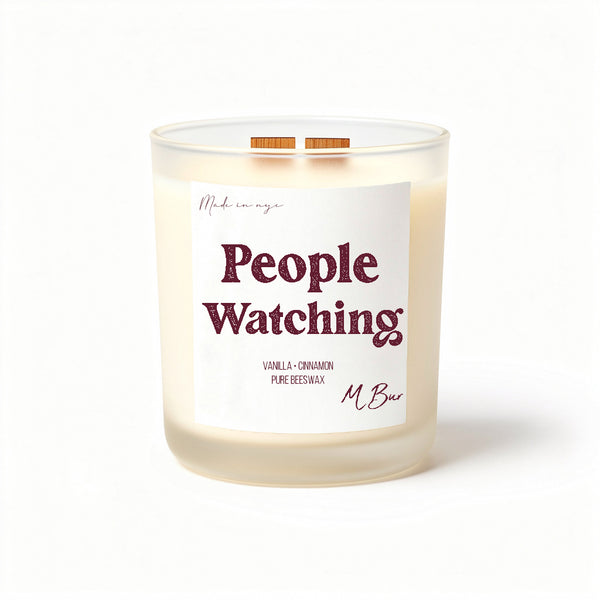
For a cleaner alternative, browse the full MBur beeswax candle collection.
The Quick Answer
Chesapeake Bay candles use a paraffin-soy wax blend (confirmed on retailer product listings and the brand's parent-company information), lead-free cotton wicks (with "natural fiber" wicks in the Fragrance line), and proprietary fragrance, with some collections incorporating essential oils. The brand doesn't state whether the fragrance is phthalate-free, and the wax blend percentages aren't publicly disclosed. The composition is similar to Yankee Candle and WoodWick, its sibling brands under Newell.
The Wax: Paraffin-Soy Blend
Retailer product listings for Chesapeake Bay candles (including Walmart's product pages) explicitly describe the wax as a "paraffin soy wax blend." The brand's own website acknowledges using both paraffin wax and soy wax blends across its product lines. The "Signature Collection" is described as a "premium soy wax blend" and the "Fragrance" line as a "soy wax blend." Neither states "100% soy" or "paraffin-free."
The exact paraffin percentage isn't publicly disclosed. As with most "soy blend" candles, the buyer can't tell how much paraffin is present. Any paraffin component releases benzene and toluene when burned, regardless of how much soy it's blended with.
The Wicks: Lead-Free Cotton or Natural Fiber
Chesapeake Bay uses lead-free cotton wicks (the post-2003 US standard), described as "self-trimming" on some product lines. The newer "Fragrance" line uses "natural fiber wicks." This is a marketing upgrade in language; the actual composition isn't necessarily different. Wicks are a baseline standard that most modern candles meet.
The Fragrance: Proprietary, Essential Oils in Some Lines
The brand uses proprietary fragrance compositions. The Chesapeake Bay Fragrance line specifically lists essential oils as part of the fragrance formulation, which is uncommon in mid-market brands. The original Chesapeake Bay Candle line uses standard fragrance oils, composition undisclosed.
Across all lines, the brand doesn't state whether the fragrance is phthalate-free. The absence of that claim is information in itself, though not confirmation either way.
Sibling Brand Context: Yankee, WoodWick, and Chesapeake Bay
All three are owned by Newell Brands, and the ingredient patterns are similar across the family. Paraffin or paraffin-soy blends, cotton wicks (or wooden in WoodWick's case), proprietary fragrance, no phthalate-free claims. Chesapeake Bay positions itself as the cleaner middle-tier of the three, especially with the Fragrance line's essential oil inclusion. The wax base is in the same category as the siblings.
Ingredient Summary Table
| Component | What's Disclosed | Concern Level |
|---|---|---|
| Wax | Paraffin-soy blend (percentages not stated) | Moderate (paraffin component) |
| Wick | Cotton or natural fiber, lead-free | Low (baseline standard) |
| Fragrance | Proprietary; essential oils in some lines; phthalate status not stated | Moderate (uncertainty) |
| Dyes | Some lines use colored wax | Low to moderate |
| Burn time | 25 to 100 hours depending on size | n/a |
How Chesapeake Bay Compares to Clean Alternatives
A clean-candle benchmark requires non-paraffin wax, explicitly phthalate-free fragrance, cotton or wood wicks, and no dyes. Chesapeake Bay meets the wick standard. The Fragrance line partially meets the fragrance standard through essential oils. The wax is a soy-paraffin blend, which doesn't meet the wax standard. The full fragrance is not stated to be phthalate-free, which doesn't meet the transparency standard. The essential oil step in the Fragrance line is real progress on one component. The wax base remains the meaningful gap.
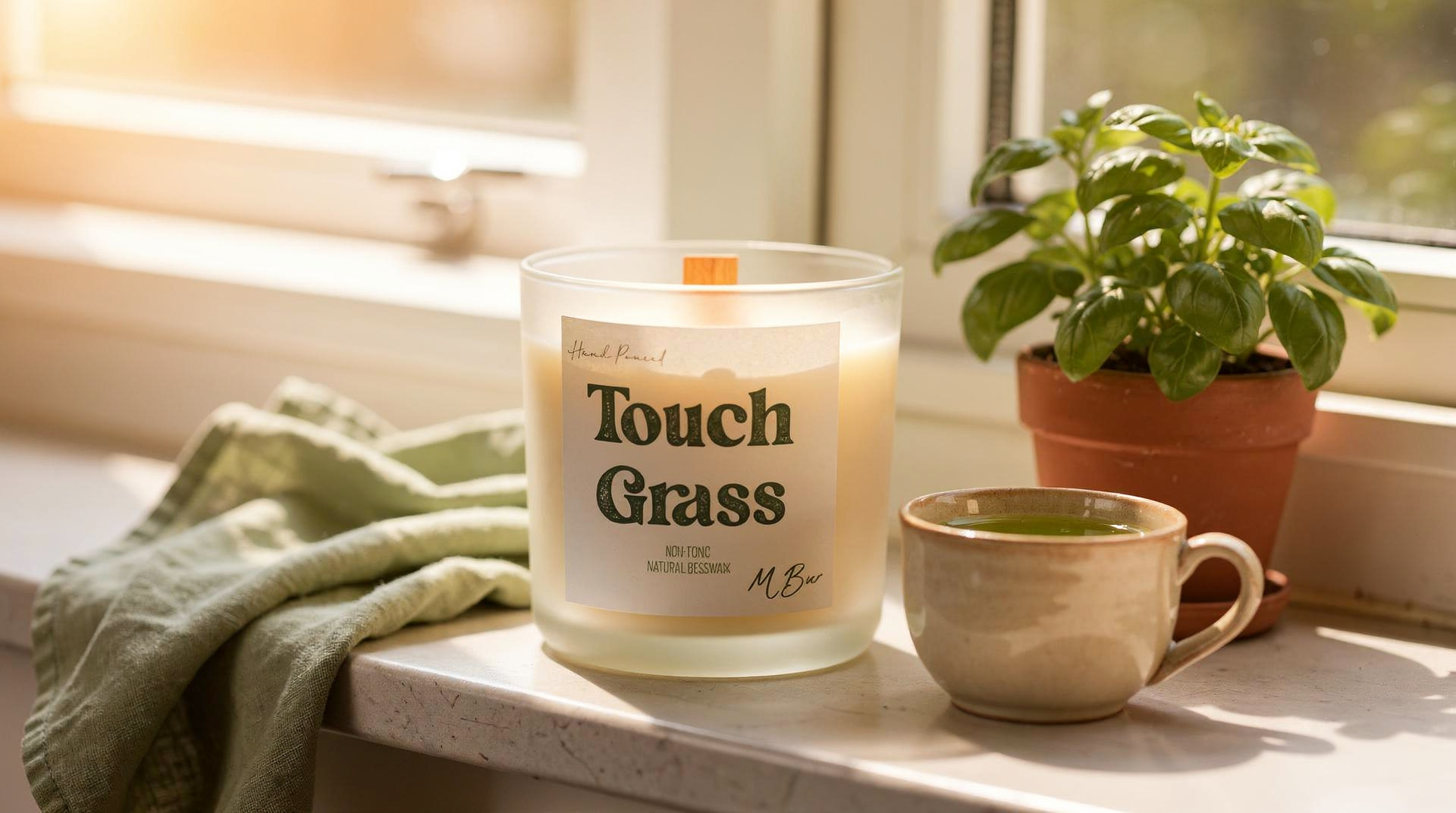
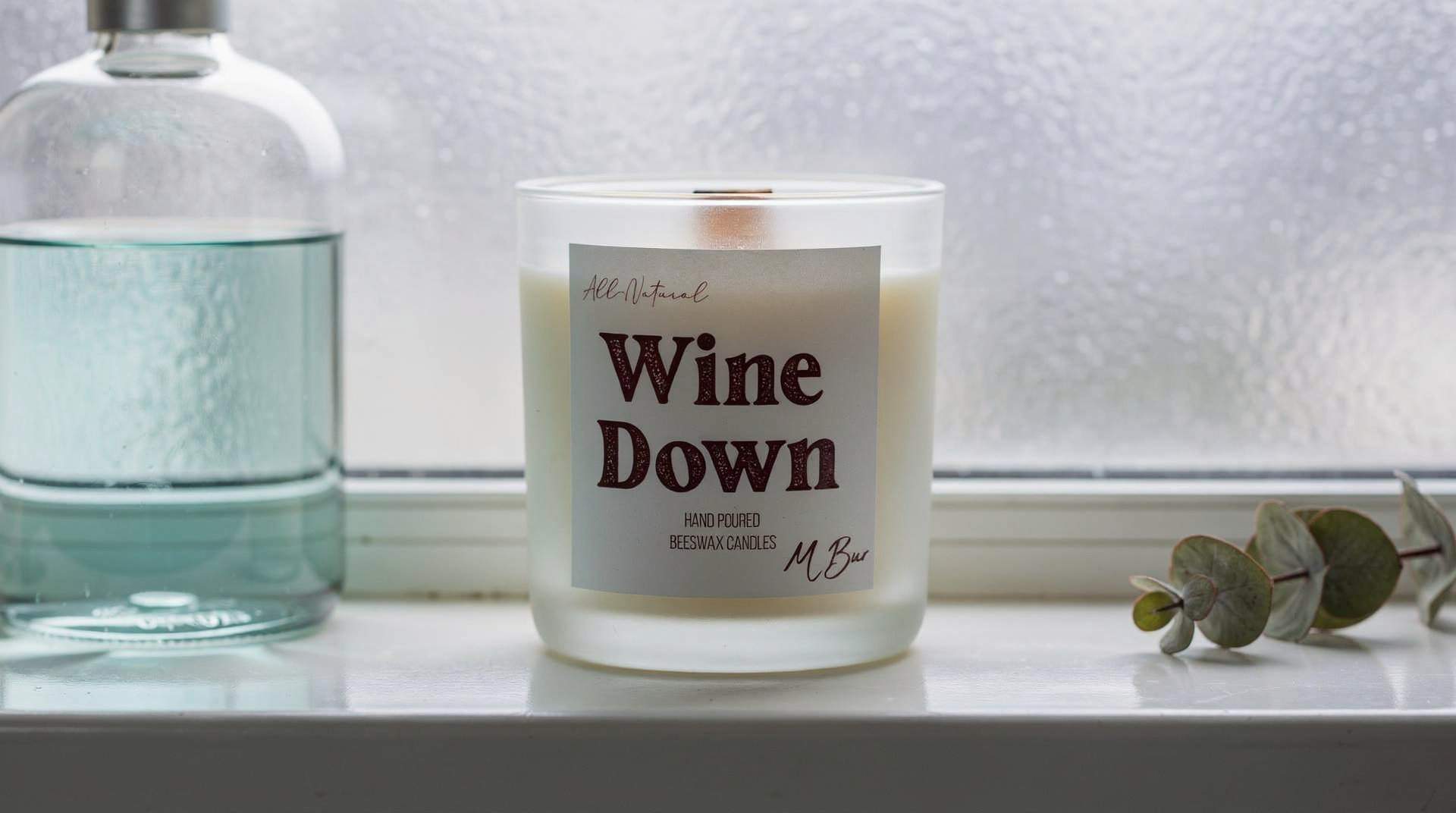
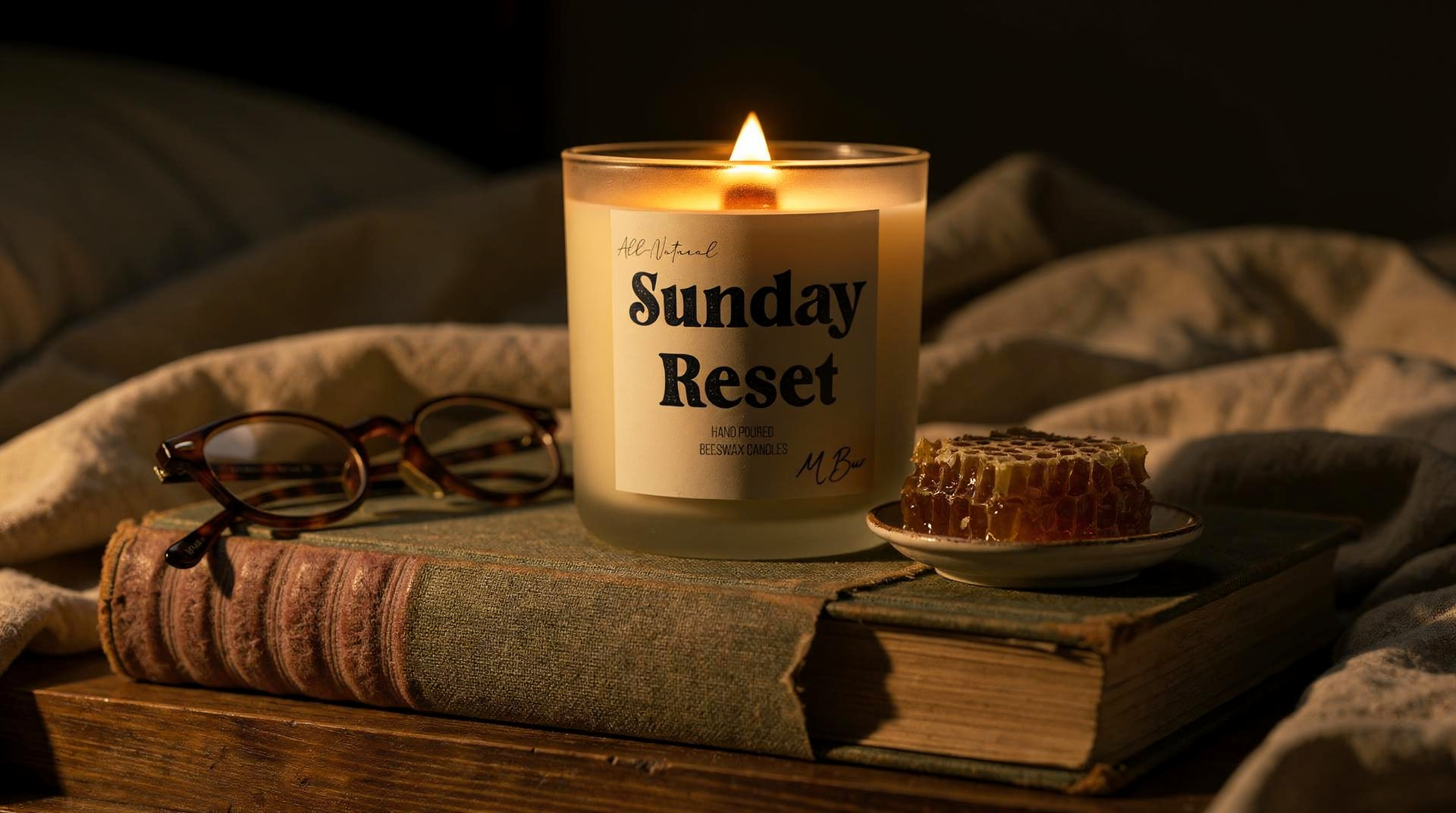
MBur uses 100% beeswax (no paraffin) with phthalate-free non-toxic fragrance, wooden wicks, and no dyes, stated explicitly. The Wine Down and Sunday Reset candles are clean alternatives in similar mood territory (calming wellness scents) at the $20 entry-size price.
Frequently Asked Questions
Are Chesapeake Bay candles non-toxic?
Not classified as toxic by regulatory standards. The wax contains paraffin, the fragrance isn't stated to be phthalate-free, and the brand doesn't market itself as non-toxic. For occasional use the exposure is moderate. For regular use or sensitive situations, a cleaner alternative is the safer choice.
Are Chesapeake Bay's essential oil candles cleaner than the standard line?
Somewhat. The Fragrance line's inclusion of essential oils is a real step over standard fragrance oils. The wax base, however, is still a soy blend that may contain paraffin, so the candle isn't in the clean-candle category as a whole. The essential oils improve the fragrance side; they don't change what's in the wax.
Is Chesapeake Bay the same as Yankee Candle?
They're sibling brands, both owned by Newell Brands, with similar wax composition (paraffin-soy blends) and similar fragrance approaches. Chesapeake Bay tends to position itself as the slightly cleaner sibling through essential oils in some lines and more muted aesthetics. The underlying wax composition is comparable to Yankee's.
What's a cleaner alternative to Chesapeake Bay?
For a similar wellness-oriented profile on clean wax, MBur's Sunday Reset candle (eucalyptus, peppermint, clove, cedar, patchouli) is one option. P.F. Candle Co. (100% soy, explicit phthalate-free fragrance) is another. Voluspa is a clean option at a similar price point.
The Bottom Line
Chesapeake Bay candles are paraffin-soy blends with cotton wicks, proprietary fragrance, and essential oils in some lines. The brand positions itself as the cleaner middle-tier of the Newell Brands candle family. The wax base still contains paraffin in an undisclosed percentage, and the fragrance isn't stated to be phthalate-free. For buyers who want a fully clean candle, a 100% beeswax or 100% soy alternative with explicit phthalate-free fragrance is the better fit.
Shop the full collection of clean-burning beeswax candles
What buyers say:
Related reading:

