

What Are the Safest Candle Wicks? A Complete Guide
What Are the Safest Candle Wicks? A Complete Guide
Lead wicks were banned in the United States in 2003. Not phased out. Not discouraged. Banned, by the Consumer Product Safety Commission, because the lead vapor they released during burning was documented to exceed EPA hazard thresholds for children. That was just over twenty years ago. Before that ban, a significant share of candles on American store shelves were literally burning metal into the air inside your home.
Most people have no idea that happened. And most people have even less idea what their candle wicks are made of right now.
The wick is the engine of a candle. It determines how the wax burns, how much soot gets released, whether the flame runs hot or cool, and ultimately how much of whatever is in that wax ends up in your air. Getting the wick wrong does not just affect burn quality. It affects what you are breathing.
Why the Wick Matters More Than You Think
A candle wick is not just a string that catches fire. It is a carefully engineered capillary system. As the wax near the flame melts, the wick draws liquid wax upward through capillary action, vaporizes it at the tip, and feeds that vapor into the flame as fuel. The rate at which this happens, controlled almost entirely by wick material and construction, determines everything downstream.
A wick that draws too fast runs hot. It burns through wax quickly, produces more soot, and can release more volatile compounds from fragrance oils and dye. A wick that draws too slowly produces a weak flame, causes tunneling, and leaves a ring of unmelted wax around the edges of the jar.
The material itself also matters chemically. Some wicks are treated with stiffening agents or burn accelerants. Some contain metal cores for rigidity. All of those things end up in your air when the candle burns.
Metal Core Wicks: The Ones to Avoid
After the lead ban, many candle manufacturers switched to zinc or tin core wicks. These are braided cotton wicks with a thin metal rod running through the center, which keeps the wick upright in soft wax like paraffin. They are still common.
A 2012 study published in Environmental Science and Technology found that metal core wicks do release metal particulates during combustion, and those particulates are small enough to be inhaled deep into lung tissue. The same study noted that particle emission rates from metal core wicks were meaningfully higher than from all cotton or natural fiber alternatives.
Beyond the particulate issue, metal core wicks tend to run hotter than cotton or wood wicks. That higher burn temperature accelerates the volatilization of whatever fragrance compounds and dye chemicals are in the wax.
How do you spot one? Pull the wick gently between two fingers before lighting. If it feels rigid and holds its shape rather than flopping over, there is likely a metal core inside. You can also burn a small piece of the wick alone and check the ash: metal core wicks leave a visible metal filament in the residue.
Cotton Wicks: The Standard Option
Pure braided cotton is the most common wick material in candles marketed as clean or natural. Cotton burns relatively cleanly, does not introduce metal into the combustion process, and is available in a wide range of sizes suited to different wax types and vessel diameters.
The caveat is in the word pure. Not all cotton wicks are untreated cotton. Some are coated in paraffin during manufacturing to improve rigidity. Others use chemical stiffening agents. A wick listed as cotton on a label may still carry residual chemical treatment that burns off during use.
There is also the question of wick sizing. A cotton wick that is too large for its vessel creates a flame that burns too hot, produces excessive soot, and smokes when extinguished. Most of the black soot marks you see on the inside of candle jars are a wick sizing issue, not a wax quality issue.
Overall, a properly sized, untreated braided cotton wick in a well formulated candle is a solid choice.
Wood Wicks: The One Worth Understanding
Wooden wicks have a reputation problem and a performance advantage, both of which deserve unpacking.
The reputation problem comes from users who have tried cheap wooden wick candles and found them finicky. The wick drowns in the melt pool. The flame sputters. That is caused by one thing: pairing a wood wick with the wrong wax. Wood wicks have a lower capillary draw rate than cotton. They need a wax with a lower viscosity when melted, so the fuel flows easily to the flame. Beeswax, with its relatively fluid melt pool, pairs exceptionally well with wood wicks. Thick, heavy paraffin blends do not.
When the pairing is right, wood wicks outperform cotton on nearly every dimension that matters for clean burning. They do not mushroom at the tip the way cotton wicks do. They burn at a more consistent temperature. And the soft crackling sound they produce is the natural acoustic signature of a broader, flatter fuel surface combusting steadily.
From a safety standpoint, FSC certified wood wicks introduce no synthetic materials into the burn. The combustion byproducts are carbon dioxide and water vapor. There are no metal particulates, no chemical treatments, and no accelerants if the manufacturer is doing things right.
The Sunday Reset beeswax candle is a good example of what a well tuned wood wick and beeswax combination actually feels like in a real space.
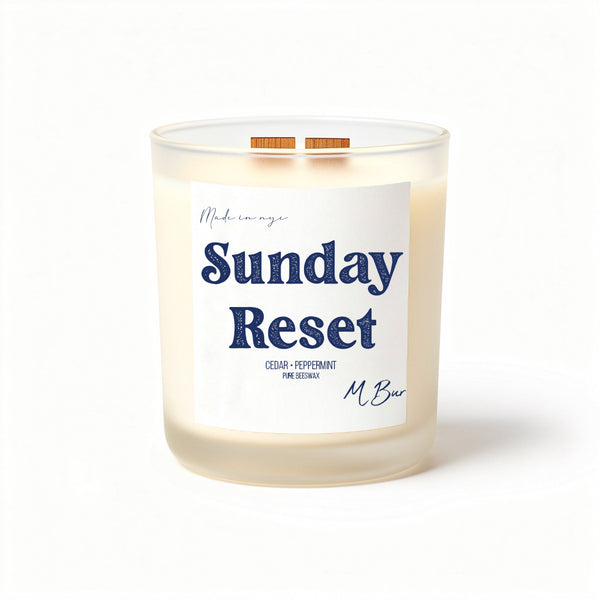
"I love the scent of this candle. It is lovely not overpowering. It is soothing fragrance more than covers my bedroom and bathroom. It is aromatherapy at its best." Dawne Forrest, Sunday Reset Candle
Hemp and Paper Wicks: Niche but Worth Knowing
Hemp wicks have gained a following in the clean candle space. Hemp fiber is naturally stiff, which eliminates the need for a metal core, and it burns slowly. Some hemp wicks are coated in beeswax for additional stiffness. When sourced from organically grown hemp and finished with natural coatings only, hemp wicks are among the cleanest options available.
The limitation is availability and consistency. Hemp wicks are not yet widely used in commercial candle production. For evaluating a candle you are buying, you are unlikely to encounter hemp wicks outside of small batch producers.
The Wick and Wax Connection You Cannot Ignore
The wick does not exist in isolation. The safest wick in the world, dropped into a paraffin candle loaded with toxic fragrance and synthetic dye, is not a safe candle. The wick is one variable in a system, and all the variables interact.
Paraffin is a petroleum byproduct. When it burns, it releases benzene and toluene. The wick cannot fix that. What a clean wick can do is avoid adding its own problems on top of the wax problems.
Beeswax, by contrast, is a single ingredient wax that requires no chemical processing. Pair that with an untreated wooden wick and phthalate free fragrance, and you have eliminated most of the variables that make candle burning a legitimate indoor air quality concern.
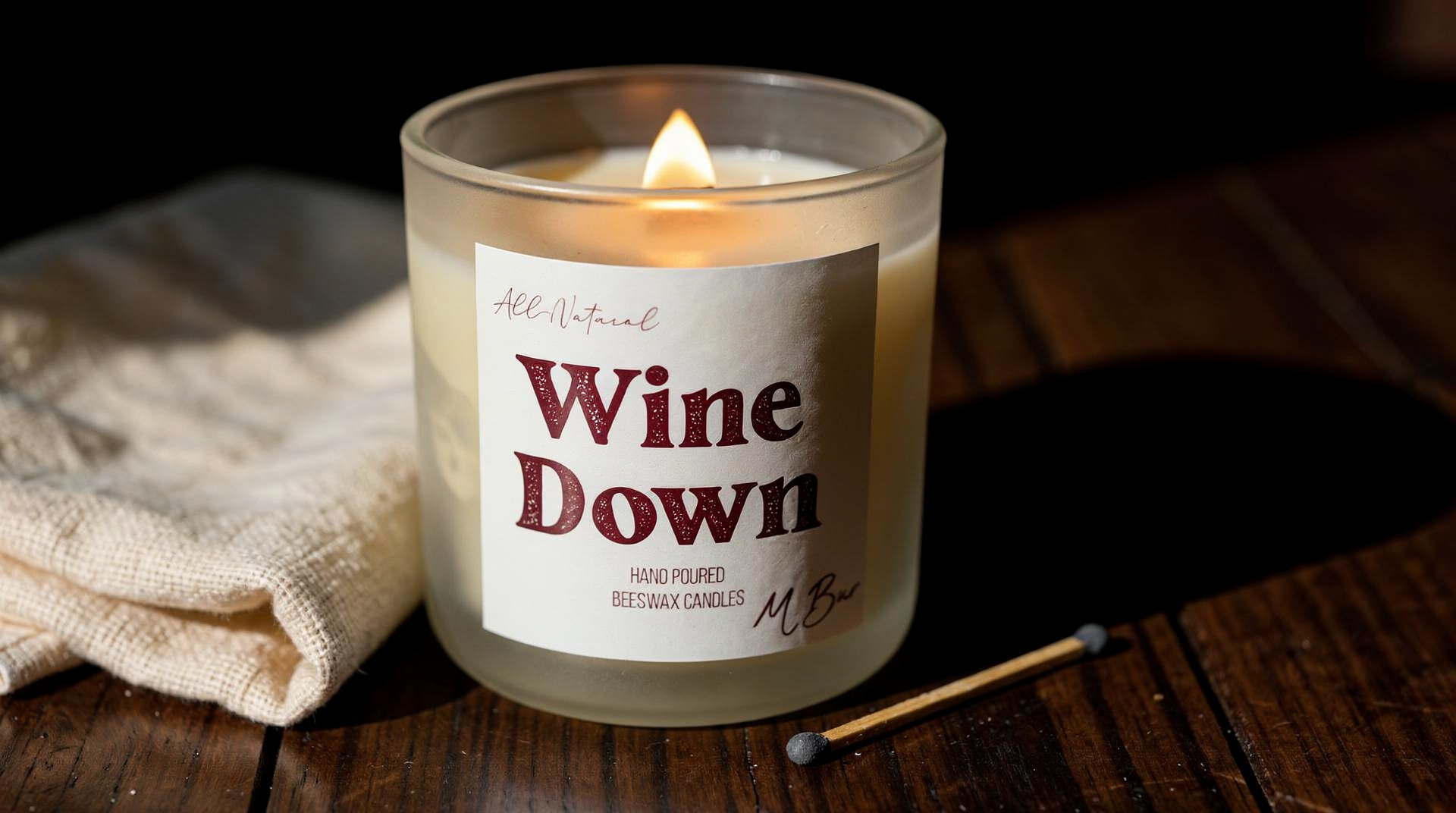
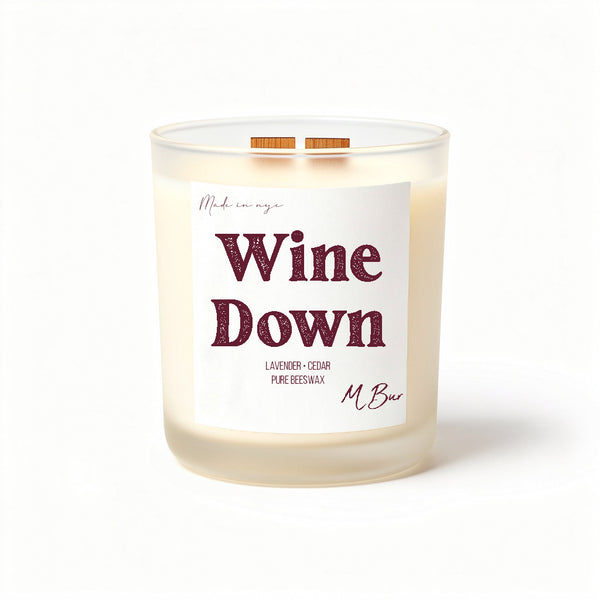
The Wine Down beeswax candle is a good example of what the full system looks like when it comes together. 100% beeswax, wooden wick, phthalate free fragrance, no chemical dyes.
"A lot of other candles tend to give me headaches, but this one was a total game changer. I was able to enjoy the calming aroma without any discomfort." Nicole D., Sunday Reset Candle
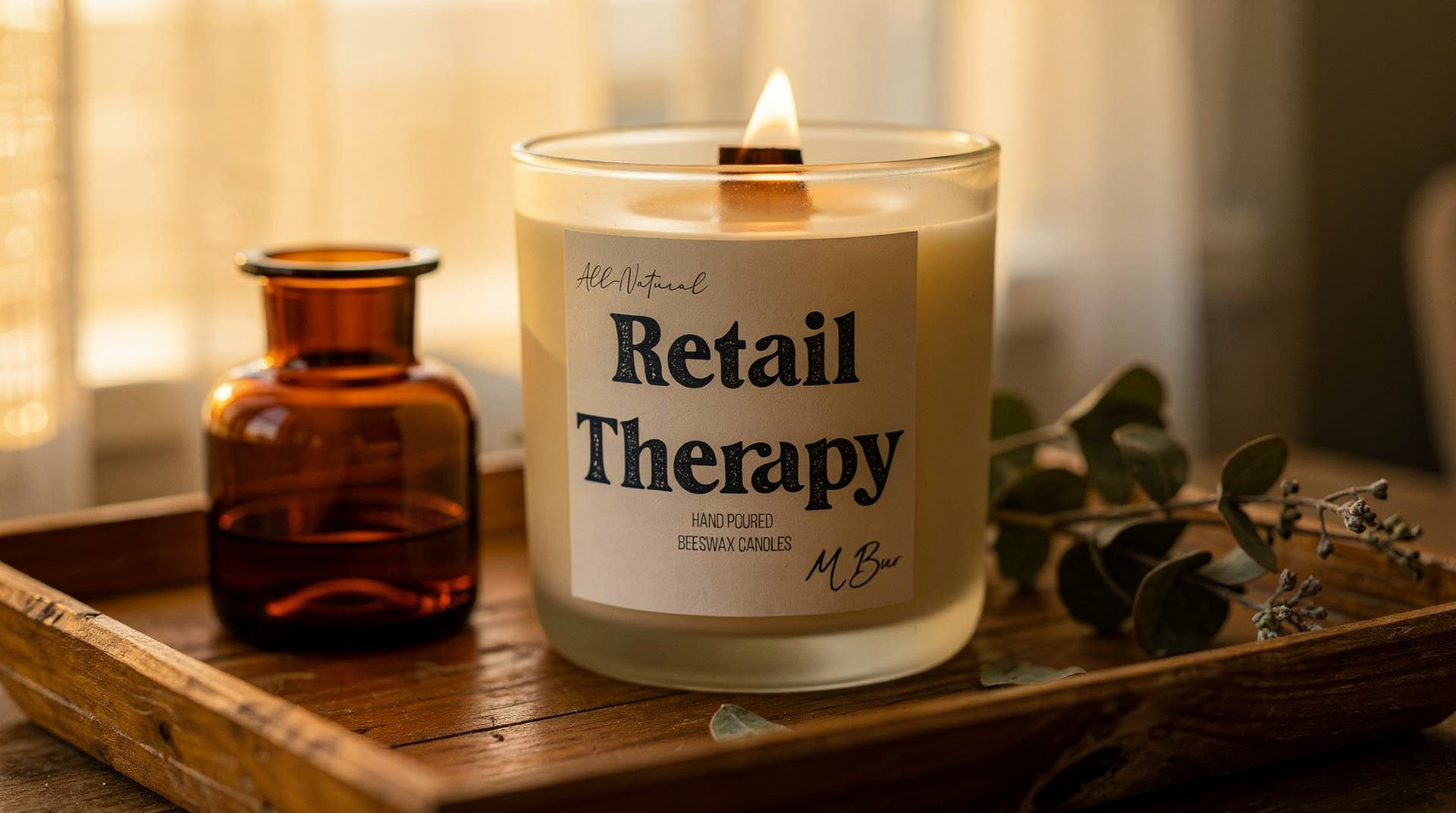
How to Identify a Wick Before You Buy
Ask directly. Email or DM the brand and ask what wick material they use and whether it is treated. A brand confident in their ingredients will answer immediately.
Look at the tip. A mushroomed, carbon heavy wick tip after burning is a sign of a cotton wick that is either oversized or treated with accelerants.
Check for rigidity. A wick that holds its shape when bent is almost certainly metal cored.
Read the soot. Significant black residue on the inside of a jar candle after burning is a wick and wax interaction problem.
Check the brand's website for ingredient transparency. Wax type, wick material, and fragrance sourcing should all be listed clearly.
Frequently Asked Questions
Are all cotton wicks safe?
Not automatically. Pure, untreated braided cotton wicks are among the safer options. But some cotton wicks are coated in paraffin or treated with chemical stiffening agents. The safest approach is to buy from brands that specify their wick is untreated natural cotton.
How long do wood wick candles actually burn?
That depends primarily on the wax. Beeswax has the highest melting point of any candle wax, which means it releases its fuel more slowly. MBur's 12oz beeswax candles with wooden wicks burn for up to 80 hours. A typical paraffin candle of the same size burns for 40 to 55 hours.
Do wooden wicks really crackle like a fireplace?
Yes, though the volume depends on the wick width and the wax. The sound comes from the natural moisture content of the wood fiber combusting, the same basic process as a wood fire, just on a much smaller scale.
Why does my candle wick keep going out?
Usually one of three things: the wick is too short (trim to about a quarter inch before lighting), the wick is the wrong material for the wax viscosity, or there is a draft interfering with the flame. Wood wicks in particular need a clean, still environment for the first few minutes of each burn.
Are zinc core wicks dangerous?
Studies have found that zinc and tin core wicks do release metal particulates during combustion, at levels higher than cotton or wood alternatives. For consistent everyday burning, especially in smaller or less ventilated spaces, there is no good reason to choose a metal core wick over a natural fiber option.
The Bottom Line
The safest candle wicks are the ones made from natural, untreated fibers and matched carefully to the right wax. That means pure cotton or FSC certified wood, no metal core, no chemical treatments, and no oversizing that pushes the burn temperature into the range where fragrance compounds and wax byproducts start causing problems.
The wick is only one piece of the puzzle. The cleanest burn comes from a candle where every variable is accounted for: wax type, wick material, fragrance sourcing, and absence of chemical dye.
"I absolutely love these candles! I instantly notice the difference in the air quality, in comparison to the Bath and Body scented candles. Awesome products. Totally addicted." Jason H., Sunday Reset Candle
Shop the full MBur beeswax candle collection
What buyers say:
Related reading:

