

Are Lead Wicks Still a Problem in Candles? What You Actually Need to Know
Are Lead Wicks Still a Problem in Candles? What You Actually Need to Know
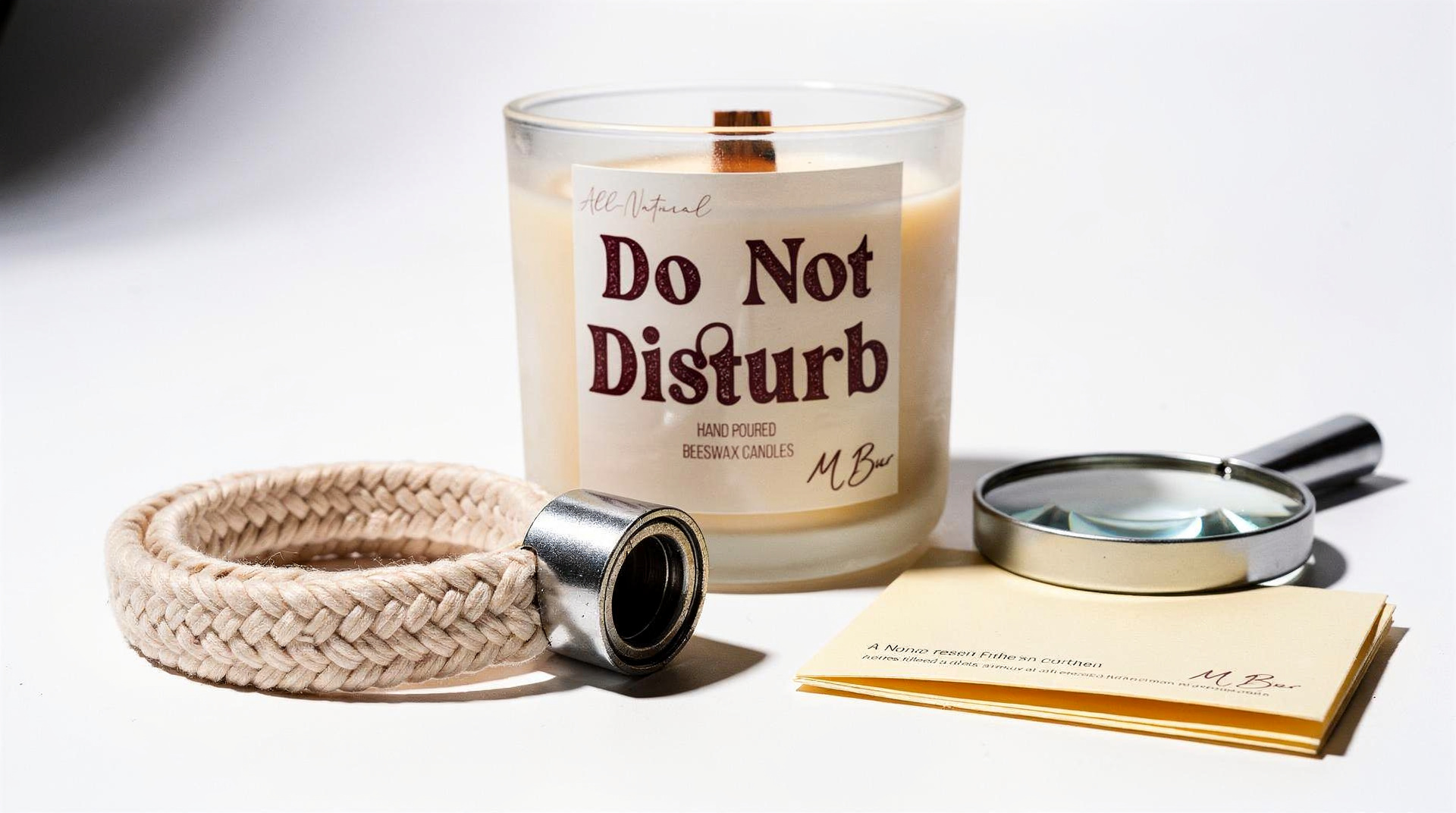
Before 2003, a significant number of scented candles sold in the United States contained wicks with metal cores made from lead. Not trace amounts. Enough lead that burning one candle for just two hours could release airborne lead at levels exceeding EPA hazardous thresholds for indoor air quality. The Consumer Product Safety Commission confirmed this, and in 2003 the CPSC formally banned the manufacture and sale of candles with lead containing wicks in the US.
So the problem is solved, right? Not quite.
The lead wick ban eliminated the most obvious danger, but it opened up a much more interesting question: what are wicks made of now, and does the material actually matter? The short answer is yes. The long answer is what this post is for.
Where Lead Wicks Came From (and Why They Were Used)
Lead was not some accidental contaminant in candle wicks. It was intentional. Candle manufacturers faced a consistent manufacturing problem: cotton wicks tend to curl or bend as they burn. A bent wick burns unevenly, tunnels through wax, and shortens the candle's life.
The fix was to run a thin metal core through the center of the cotton wick to keep it rigid and upright. Lead was cheap, flexible, and easy to work with. The fact that it was slowly volatilizing into the air of your living room was, apparently, a secondary concern for a long time.
Research from the University of Michigan found that candles with lead wicks could produce airborne lead concentrations five times above EPA standards for outdoor air. Children and people with respiratory conditions are disproportionately affected.
The CPSC acted, the ban passed, and lead wicks largely disappeared from domestic production. The catch? Import regulations are imperfect. The CPSC has issued warnings as recently as the 2010s about imported candles containing metal core wicks that tested positive for lead.
What Replaced Lead: The Current Wick Landscape
Cotton Wicks
The most common wick type in mass market candles today. Plain cotton burns reasonably cleanly, but the original problem, that cotton wicks curl and cause uneven burns, did not disappear. Manufacturers solved this with braided or corded cotton constructions, or by adding a thin zinc or tin core instead of lead.
Zinc Core and Tin Core Wicks
These are still metal core wicks. They replaced lead because zinc and tin do not produce the same acute toxicity risk at normal burn temperatures. However, both metals do release fine particulate matter when burned, and tin has come under scrutiny in some European research contexts for its contribution to indoor particulate load. Neither zinc nor tin is outright banned, and most commercial candle brands use them without disclosing the metal content on the label.
Paper Core Wicks
Some manufacturers use paper cores as a lead free alternative, typically in pillar candles and specialty formats. Paper core wicks burn cleaner than metal core wicks but still require good wax quality and correct sizing.
Wooden Wicks
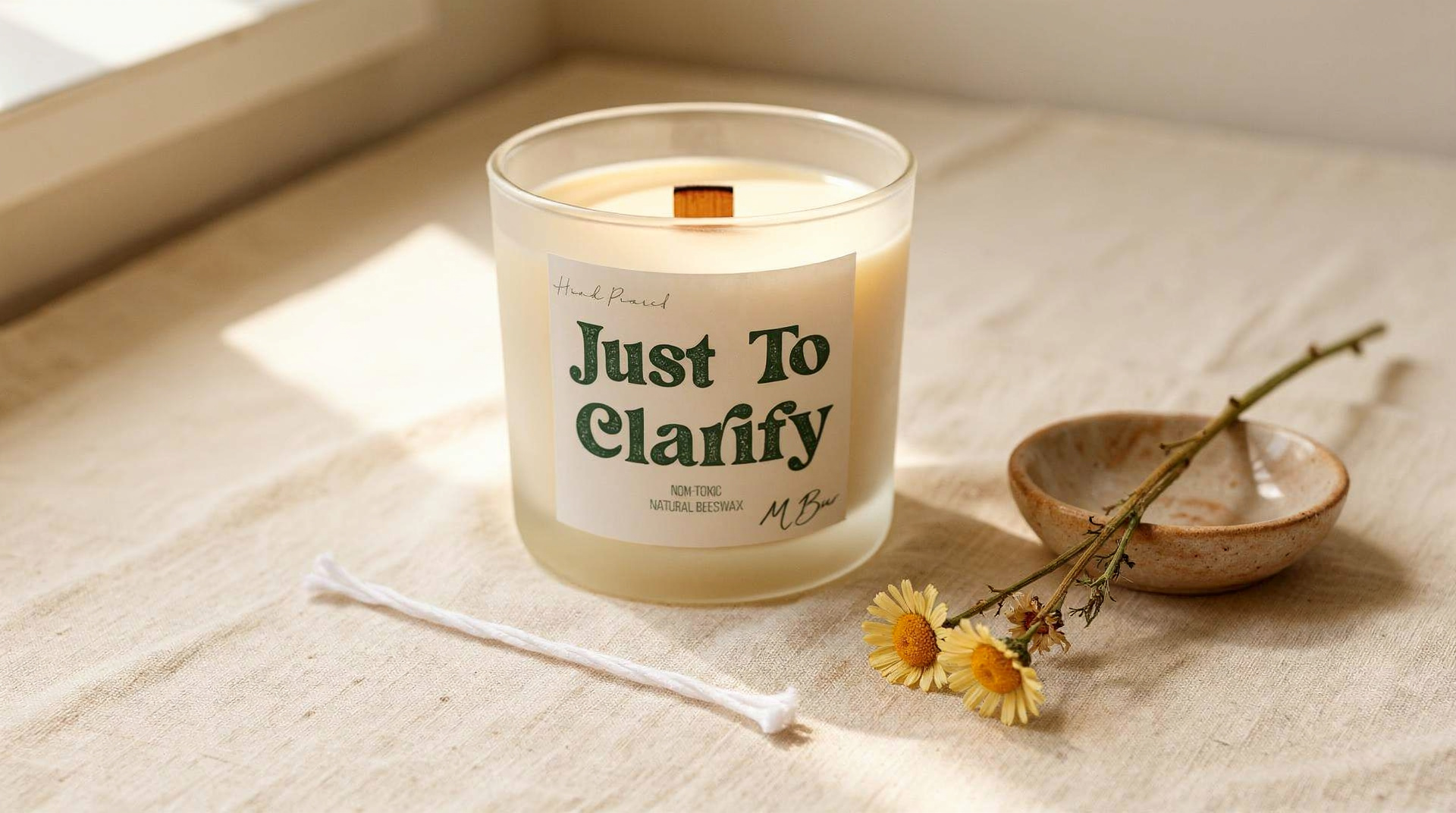
Wooden wicks are a genuinely different category. A thin slice of wood serves as the wick. They produce a lower, wider flame that tends to melt wax pools more evenly across the diameter of the candle, reducing tunneling without needing any metal support structure at all.
They also produce a soft crackling sound. But more relevant to this conversation: a wooden wick is a single material with no hidden components. No metal core. No synthetic binders. What you see is what burns.
How to Tell What Kind of Wick Is in a Candle
The Ash Test
After burning a candle, look at the wick. A burned cotton wick should leave a soft, dark ash that crumbles easily. If the wick retains a stiff metallic structure after burning, there is a metal core inside. You can also try bending an unburned wick gently. A pure cotton or wooden wick will have some give. A metal core wick will feel more rigid and spring back to shape.
The Color Test
Some zinc core wicks produce a faint whitish residue around the wick base after burning, distinct from the black soot that cotton produces.
Check the Brand's Transparency
Brands that are proud of their wick choice will tell you upfront. If a brand's website has no information about wick material, that is worth noting.
Look for Third Party Testing or Certifications
The National Candle Association and independent labs offer testing and certification for candle components. If a brand mentions compliance with NCA standards or independent testing, that adds credibility.
The Bigger Picture: Wicks Are Only One Piece
The wick is the delivery mechanism, but the wax and fragrance determine most of what actually ends up in your air.
A wooden wick in a paraffin candle loaded with toxic fragrance is still a problematic candle. Paraffin is a petroleum byproduct. When it burns, it releases benzene, toluene, and formaldehyde, all classified as volatile organic compounds.
Toxic fragrance compounds add another layer. Phthalates, which are used to make fragrances cling to surfaces and last longer, are endocrine disruptors. A candle that smells strongly in its unlit state is off gassing fragrance compounds into your room continuously.
This is why the safest candle is not just one with a clean wick. It is one where every ingredient has been chosen with the same standard.
What the Research Says About Modern Candle Emissions
A 2009 study from South Carolina State University analyzed emissions from paraffin versus vegetable based candles and found that paraffin candles released potentially harmful amounts of alkanes, alkenes, and toluene under normal burn conditions. Vegetable based wax candles, including beeswax, produced significantly lower emissions.
What is well established is that beeswax has no petroleum content and requires no chemical processing or bleaching to reach finished form. The cleanliness of the starting material matters.
The American Lung Association recommends improving indoor ventilation when burning any candle and avoiding candles with metal core wicks and toxic fragrance as baseline precautions.
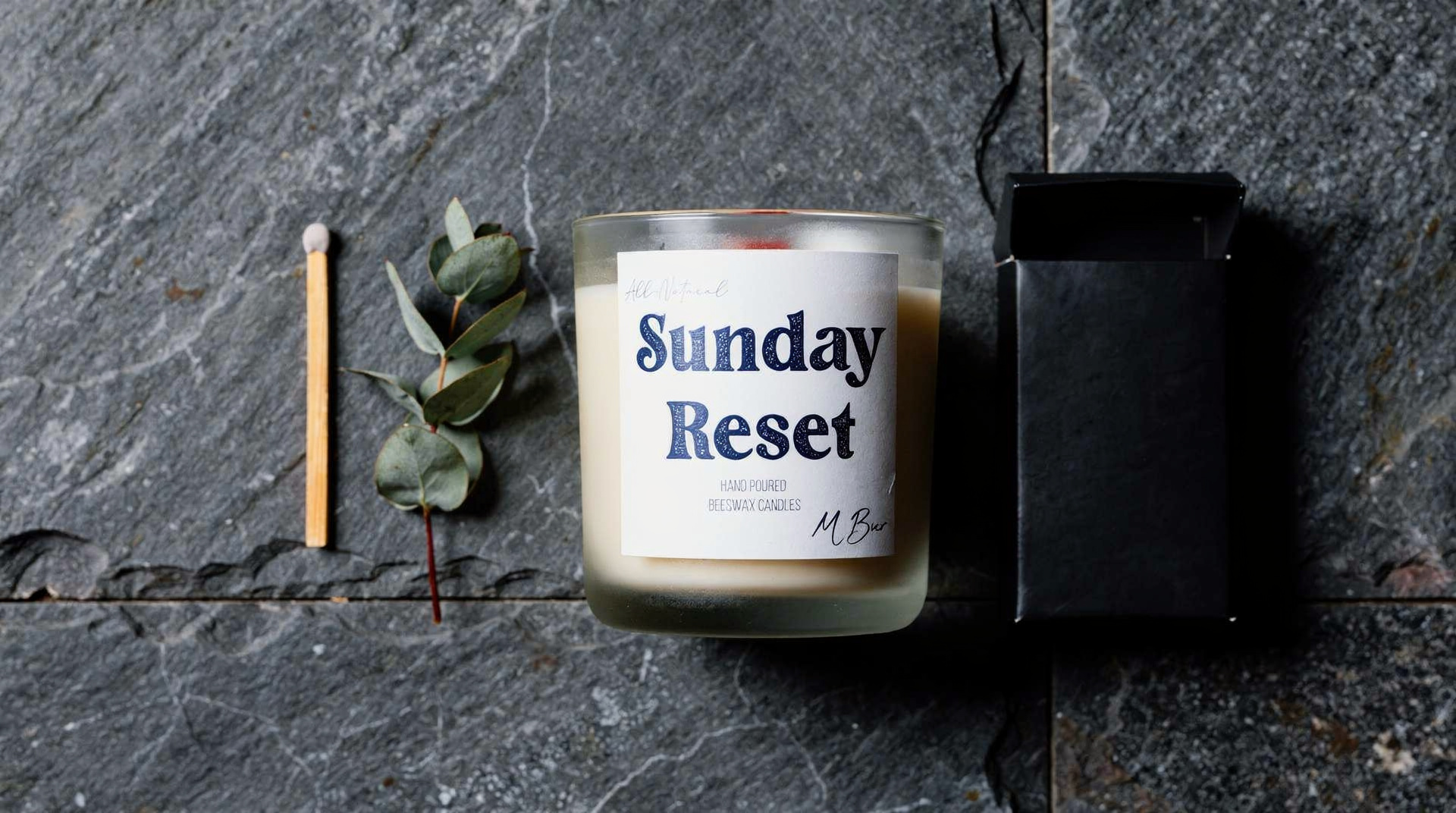
"I absolutely love these candles! I instantly notice the difference in the air quality, in comparison to the Bath and Body scented candles. I love Bath and Body's candles but I acknowledge that it caused a slight headache and other minor respiratory discomfort. Awesome products. Totally addicted." Jason H., Sunday Reset Candle
Practical Wick Safety Tips for Any Candle You Own
Trim the wick before every burn. A wick that is too long produces a larger, sootier flame. Trim to about one quarter inch before each lighting. For wooden wicks, gently snap off any charred wood from the previous burn before relighting.
Burn in ventilated spaces. Opening a window slightly while burning a candle is one of the most effective things you can do to reduce indoor particulate accumulation.
Do not burn for more than four hours at a time. Extended burns superheat the wax pool, which can increase the rate at which fragrance compounds volatilize.
Observe the flame. A steady, upright flame indicates a healthy burn. A flickering, smoking, or very large flame signals a wick that needs trimming or a draft problem.
Check the wick after the first burn. This is when metal core wicks reveal themselves most clearly.
Frequently Asked Questions
Are lead wicks actually still in candles sold in the US?
Legally, no. The CPSC banned them in 2003. However, enforcement on imported candles purchased through unverified third party sellers is imperfect. Buying from established brands that disclose wick materials is the safest approach.
How do I know if my candle has a metal core wick?
Bend the unburned wick gently. If it springs back to rigid shape, there is likely a metal core. You can also check the burned wick after your first use. Pure fiber or wooden wicks leave soft, crumbly ash. Metal core wicks retain a distinct stiff structure.
Is zinc safer than lead in candle wicks?
Zinc is significantly less acutely toxic than lead at normal candle burn temperatures. However, zinc core wicks still release fine metal particulates into indoor air. The safest wick materials are those with no metal component at all.
Do wooden wicks burn differently than cotton wicks?
Yes. Wooden wicks produce a wider, lower flame that creates a full wax melt pool faster, which reduces tunneling. They produce a soft crackling sound during burn. They also tend to be self trimming to a degree, though we still recommend removing charred wood before relighting.
Does beeswax burn cleaner than soy or paraffin?
The research supports this. Beeswax is a single ingredient natural wax with no petroleum content and no chemical processing required. Paraffin releases documented VOCs during combustion. Soy is cleaner than paraffin but is often blended with paraffin in commercial candles. A 100 percent beeswax candle with a wooden wick and non toxic fragrance is the cleanest formulation currently available in consumer candles.
The Bottom Line
Lead wicks are banned and mostly gone from the US market. But treating the 2003 ban as the end of the candle safety story misses most of the actual picture. Zinc and tin core wicks are still common. Paraffin wax releases VOCs that the original lead wick conversation rarely addressed. And toxic fragrance systems continue to introduce phthalates and other compounds into indoor air regardless of what the wick is made of.
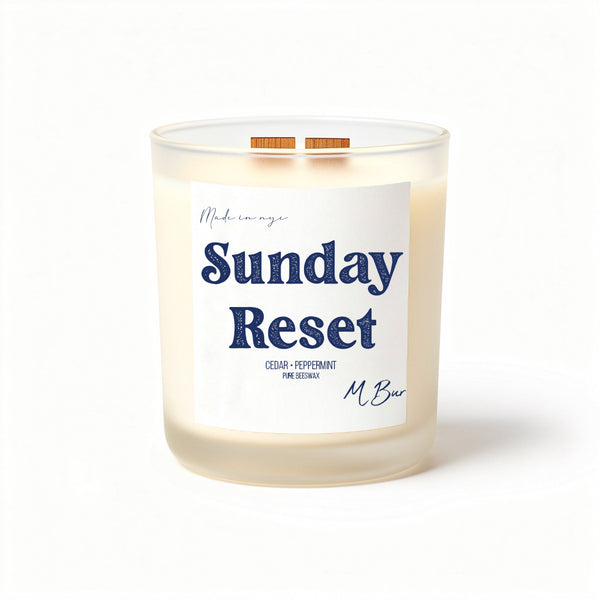
The cleanest candle is the one where every ingredient earns its place. The Sunday Reset beeswax candle (starting at $20 for the 20 hour size) is a good place to start. Clean burn, wooden wick, and a scent that fills a room without overwhelming it.
Shop the full MBur beeswax candle collection
What buyers say:

