

The History of Beeswax Candles: 5,000 Years of the Cleanest Burn
The History of Beeswax Candles: 5,000 Years of the Cleanest Burn
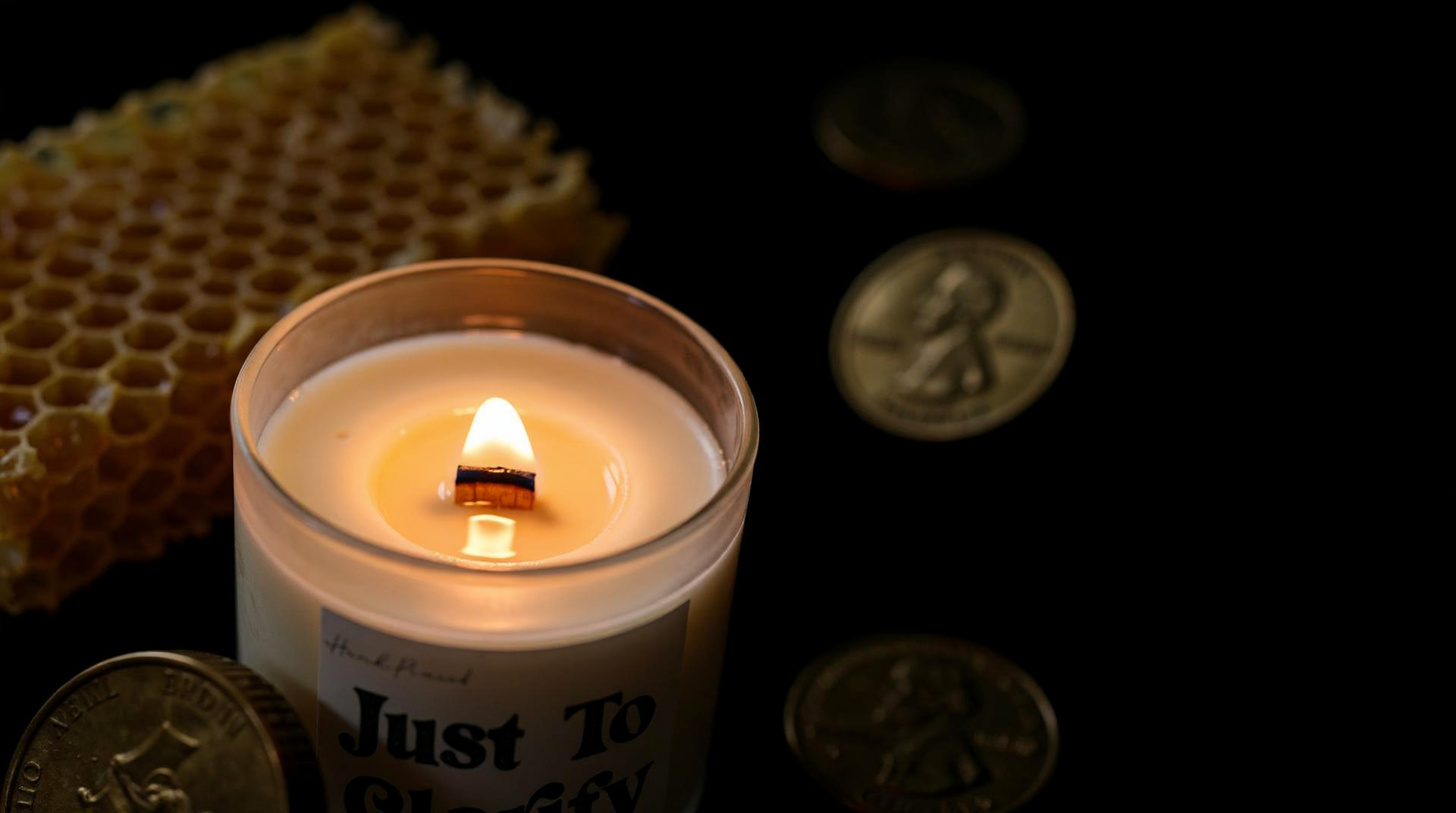
Beeswax is older than writing. Older than the wheel. When ancient Egyptians were still carving hieroglyphs into fresh stone, they were already burning beeswax for light. That is not a metaphor. Archaeological evidence places beeswax candles as far back as 3,000 BCE in Egypt and Crete, making this single ingredient one of the oldest functional materials humans have ever used consistently. No other candle wax comes close.
And yet most people buying candles today have never thought twice about what is actually inside them. Paraffin, soy, coconut, mystery blends, the options multiply every year while the oldest and cleanest option quietly sits at the top of the category, unchanged, unbothered, still doing exactly what it has always done.
This post covers the full arc: where beeswax candles came from, who used them and why, how the industrial age nearly erased them, and what makes the material genuinely different from everything that came after.
Where It All Started: Beeswax in the Ancient World
The oldest confirmed beeswax samples tied to human use date to roughly 3,000 BCE, but bees themselves have been producing wax for tens of millions of years. Beeswax is a byproduct of honey production. Worker bees consume honey and secrete wax from glands on their abdomens to build the honeycomb structures that store the colony's food and larvae.
Egyptian records show beeswax used in mummification, in medicine, and as a writing surface. Roman writers including Pliny the Elder documented its use in wax tablets and in religious ceremonies. In ancient Greece, beeswax was considered sacred to the gods. The Minoans of Crete left beeswax residue in clay vessels dated to around 2,500 BCE. By the time Rome was constructing its republic, beeswax was already a trade commodity moving across the Mediterranean.
What made beeswax so valuable was not mystique. It was performance. Beeswax has a higher melting point than virtually any other natural wax, around 144 to 147 degrees Fahrenheit. That means it burns slowly, steadily, and without the dramatic dripping and collapsing that plagued tallow candles. In an era when light was literally survival, a candle that lasted longer and burned cleaner was a strategic advantage.
The Medieval Church and the Beeswax Monopoly
If ancient civilizations valued beeswax, the medieval Catholic Church was essentially obsessed with it. Canon law specified that candles used in religious ceremonies had to contain a certain percentage of beeswax, with some mandates requiring candles to be nearly pure beeswax.
This created an entire economy. Monasteries across Europe maintained large apiaries specifically to supply wax for church candles. Chandlers formed guilds in England as early as the 13th century, and beeswax chandlers occupied a higher social tier than tallow chandlers.
By the 14th century, beeswax was one of the most traded commodities in northern Europe. Poland, Lithuania, and Russia became major exporters. Beeswax candles were so valuable they were sometimes used as currency to pay debts and taxes.
Beeswax as a Status Symbol: The Pre Industrial Era
For most of human history, artificial light was expensive. A typical working class household in 17th century England relied on tallow candles because beeswax was simply out of reach financially. Tallow smelled bad when burned, produced significant soot, and required frequent trimming. Beeswax candles burned cleaner, produced less smoke, and emitted a warm, honey adjacent scent.
The result was a clear class divide in how people experienced candlelight. Royal courts, noble estates, and wealthy merchants burned beeswax. Everyone else made do with tallow.
Beeswax candles also produce light that more closely resembles natural sunlight than any other candle material. The color temperature of a beeswax flame sits in the range of approximately 1,500 to 2,700 Kelvin, which corresponds to a warm golden spectrum that human eyes evolved to read as comfortable and natural.
The Industrial Disruption: Paraffin Changes Everything
In 1850, chemist James Young patented a process for distilling paraffin wax from coal and oil shale. Within a few decades, petroleum refining made paraffin even cheaper to produce as a byproduct of kerosene production. By the late 19th century, paraffin had almost completely displaced tallow and had made serious inroads against beeswax.
The economics were brutal and simple. Paraffin was a waste byproduct of an industry already extracting maximum value from petroleum. Candle manufacturers switched. Consumers followed the price.
What got lost in that transition is now fairly well documented. Paraffin is a petroleum byproduct. When it burns, it releases a cocktail of volatile organic compounds including benzene, toluene, and formaldehyde. The performance trade off that seemed invisible in 1880 looks considerably less acceptable now.
Soy wax arrived in the 1990s as a plant based alternative, and it is genuinely better than paraffin in some respects. But most soy candles on the market today are not pure soy. They are blended with paraffin, and they often rely on toxic fragrance to compensate for soy's relatively weak natural scent throw.
Why Beeswax Never Actually Went Away
Through the paraffin century, beeswax candles did not disappear. They retreated to a smaller, more discerning audience: beekeepers, liturgical communities, people with chemical sensitivities, and the kind of candle buyers who read ingredient lists. The knowledge of how to work with beeswax stayed alive in small workshops and family operations.
That continuity matters. The current wave of interest in beeswax candles is not a trend invented by the wellness industry. It is a return.
The numbers back this up. Beeswax has the highest melting point of any candle wax. An 80 hour burn time in a properly made beeswax candle is chemistry.
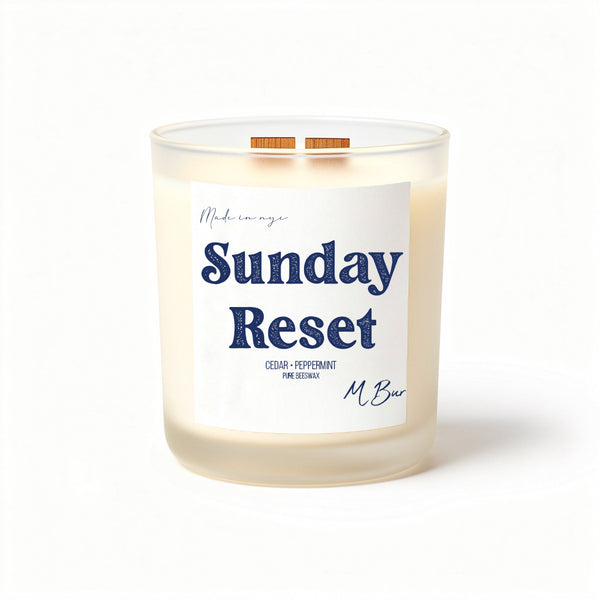
"I absolutely love these candles! I instantly notice the difference in the air quality, in comparison to the Bath and Body scented candles. I love Bath and Body's candles but I acknowledge that it caused a slight headache and other minor respiratory discomfort. Awesome products. Totally addicted." Jason H., Sunday Reset Candle
The Science of Why Beeswax Burns the Way It Does
Beeswax is a complex mixture of esters, fatty acids, and hydrocarbons produced entirely by bees. It is not chemically processed, not derived from petroleum, and not hydrogenated like many plant based waxes.
When beeswax combusts, the primary outputs are carbon dioxide and water vapor. Beeswax is also naturally hypoallergenic. Unlike paraffin, it contains no petroleum derivatives. Unlike many soy candles, it does not require chemical processing to solidify at room temperature. And a properly formulated beeswax candle with phthalate free fragrance oils provides scent throw without releasing toxic fragrance compounds into your air.
The wooden wick is another variable worth understanding. Cotton wicks can contain metal cores for stiffness. Wooden wicks burn at a consistent temperature, crackle pleasantly, and are more compatible with beeswax's higher melting point, maintaining a flame that is wide enough to melt the wax evenly across the surface.
Beeswax and the Beekeeping Ecosystem
One dimension of beeswax candle history that rarely gets discussed is its relationship to beekeeping as a practice. Beeswax is a byproduct of honey production. For beekeepers, reclaiming and selling beeswax is part of what makes keeping hives economically viable.
The global honeybee population faces real pressure from pesticide exposure, habitat loss, and disease. Supporting beeswax as a product category means supporting the beekeepers who maintain those hives. Every beeswax candle is, in a fairly direct way, part of the funding structure that keeps beekeeping operations running. That is a supply chain story that paraffin and soy simply do not have.
Beeswax Today: The Material Has Not Changed. Everything Else Has.
The beeswax in a candle made today is chemically identical to the beeswax burned in an Egyptian ceremonial hall 3,000 years ago. The bees have not updated their process. What has changed is the context around it: a market full of cheaper, more aggressively marketed alternatives, and a growing number of consumers who have realized that cheaper is not always better when it comes to what you burn in an enclosed space.
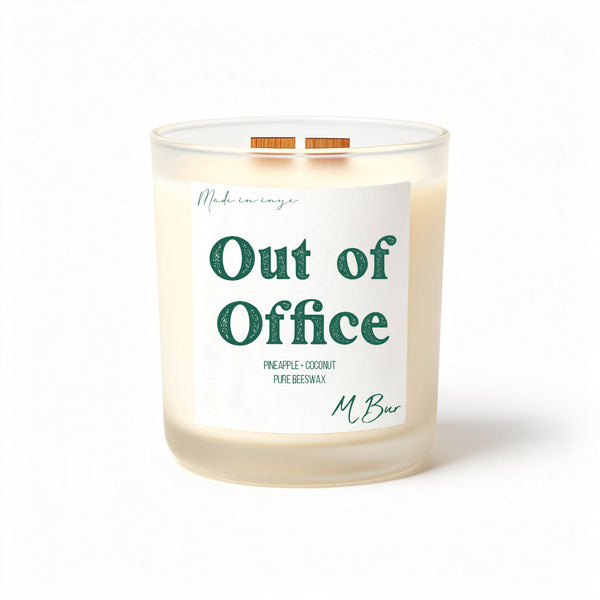
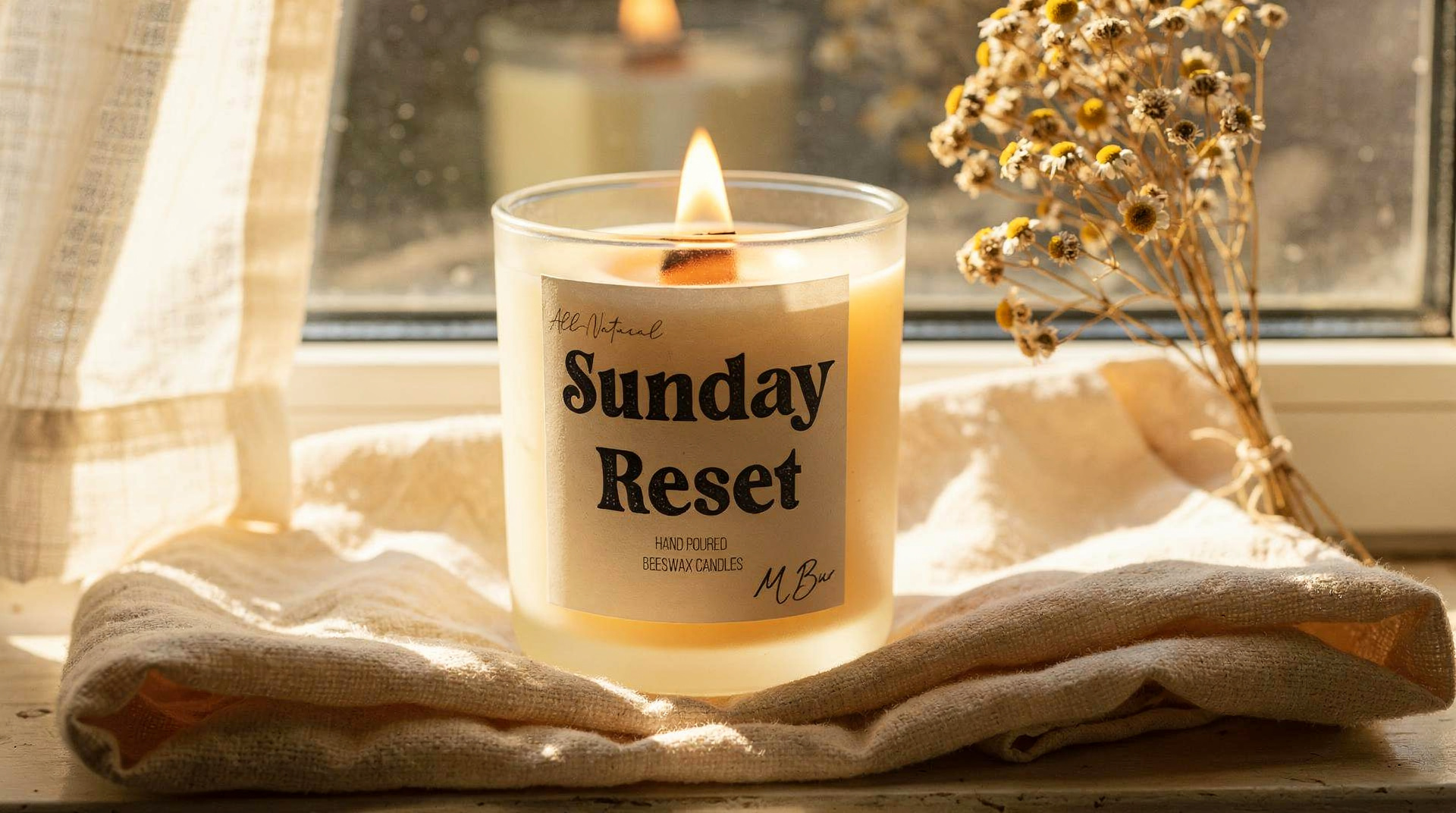
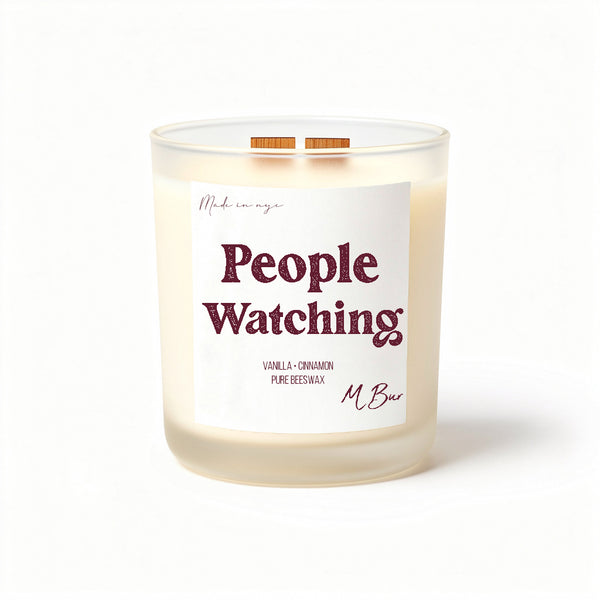
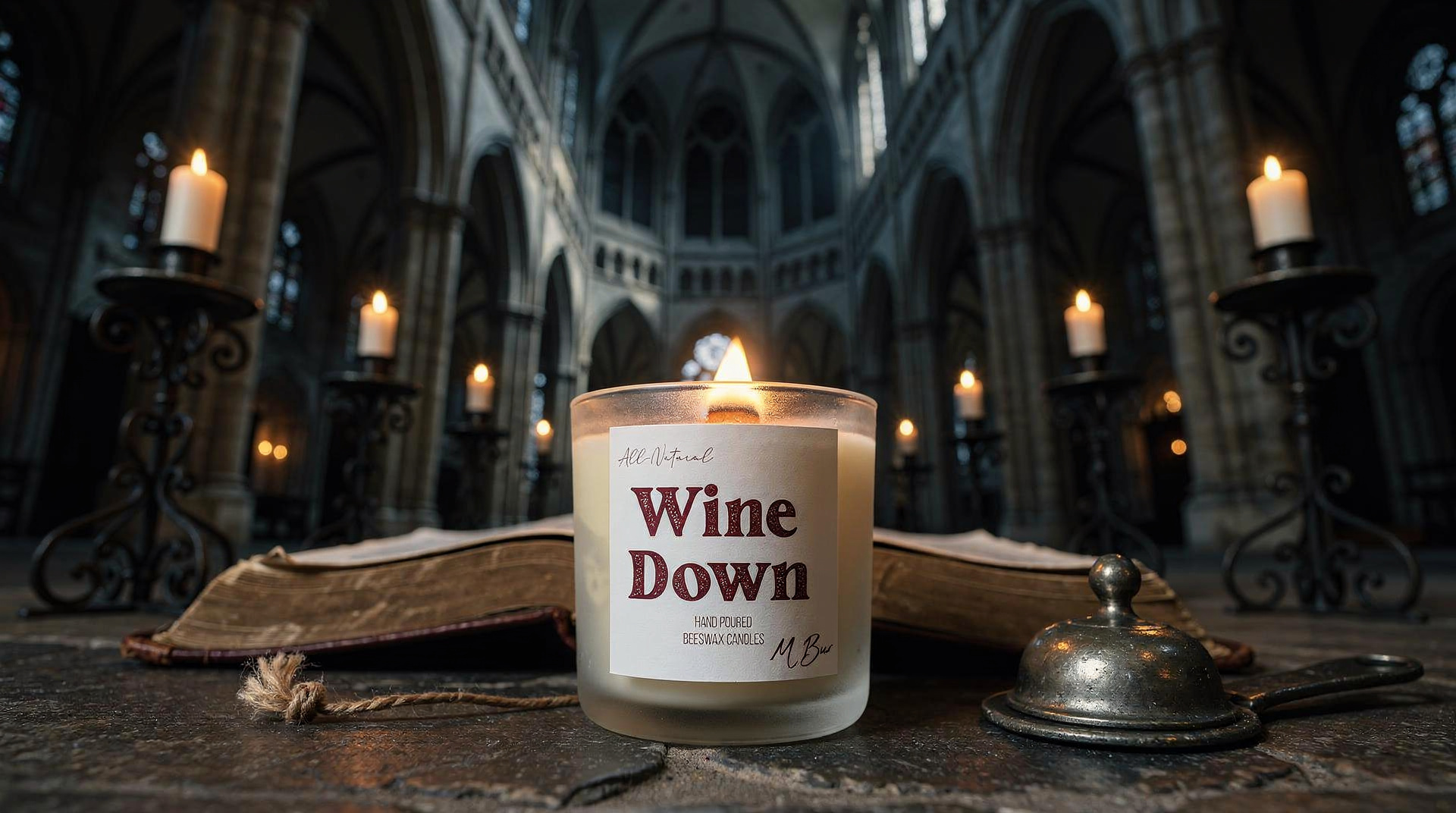
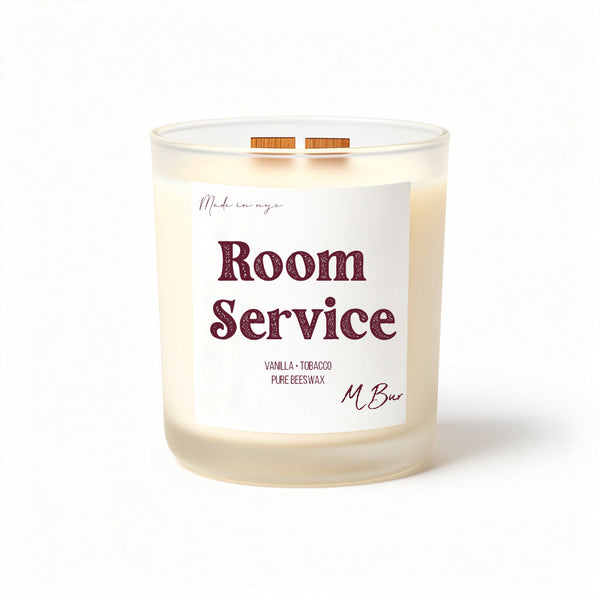
Candles like the Wine Down beeswax candle for unwinding in the evenings or the Sunday Reset beeswax candle for clean start mornings are made in Queens, NY with 100% beeswax, wooden wicks, and phthalate free fragrance. No dyes. No paraffin filler.
Frequently Asked Questions
How long have beeswax candles actually been around?
Archaeological evidence places beeswax use by humans at around 3,000 BCE, with some sites suggesting use as far back as 5,000 BCE. That makes beeswax one of the oldest continuously used light sources in human history.
Why did paraffin replace beeswax if beeswax is better?
Pure economics. Paraffin was a waste byproduct of petroleum refining and could be produced at industrial scale for a fraction of beeswax's cost.
Is beeswax still considered the cleanest burning candle wax?
Yes. Beeswax combusts primarily into carbon dioxide and water vapor. It contains no petroleum derivatives, requires no chemical processing, and is naturally hypoallergenic. Compared to paraffin, which releases benzene, toluene, and formaldehyde when burned, the difference is not subtle.
Do beeswax candles really burn longer than other candles?
Yes. Beeswax has the highest melting point of any candle wax. A properly made 12oz beeswax candle can reach 80 hours of burn time, significantly longer than a comparable paraffin or soy candle.
Why do beeswax candles sometimes develop a white coating on the outside?
That coating is called bloom, and it is a sign of genuinely pure beeswax. It is caused by the natural oils in the wax migrating to the surface over time. It is completely harmless and can be buffed off with a soft cloth. Candles that never bloom are often paraffin blends.
The Bottom Line
Five thousand years is a long product test. Beeswax passed. The material has outlasted empires, survived the industrial revolution, and is now experiencing a genuine resurgence among people who want to know exactly what they are burning in their homes.
Shop the full MBur beeswax candle collection
What buyers say:
Related reading:

