

Toluene in Candles: What It Is, Why It Matters, and How to Avoid It
Toluene in Candles: What It Is, Why It Matters, and How to Avoid It
Toluene was first isolated in 1837 from pine tar oil, and for most of its history it was known mainly as an industrial solvent. Today it shows up in paint thinners, nail polish, and, less famously, the air around certain scented candles. That last part tends to surprise people. A candle sitting on your nightstand does not look like a chemistry project. But depending on what it is made from, it can quietly release the same compound used to dissolve glue.
This post breaks down exactly what toluene is, how it gets into candle smoke, which types of candles are most likely to release it, and what to look for when you want to avoid it.
What Is Toluene?
Toluene is a naturally occurring aromatic hydrocarbon. In its pure form it is a clear, water insoluble liquid with a sharp, sweet smell. Chemically it belongs to the same family as benzene, another well documented indoor air pollutant.
The U.S. Environmental Protection Agency (EPA) classifies toluene as a volatile organic compound (VOC). VOCs are carbon based chemicals that vaporize easily at room temperature. When a candle burns and adds heat to the equation, the process accelerates significantly.
According to the EPA, short term exposure to toluene can cause headaches, dizziness, and irritation of the eyes, nose, and throat. Prolonged or high level exposure has been linked to neurological effects. The agency notes that indoor air typically contains two to five times more VOCs than outdoor air, partly because of products like candles, paints, and cleaning supplies.
How Does Toluene Get Into Candle Smoke?
The Wax Problem
Paraffin wax is a petroleum byproduct. It is refined from the residue left over after crude oil is processed into gasoline and other fuels. That origin matters because crude oil naturally contains aromatic hydrocarbons, including toluene and benzene. Even after refining, trace amounts of these compounds can remain in the finished wax.
A peer reviewed study published in the journal Chemosphere analyzed the combustion products of paraffin candles and identified toluene among the VOCs released during burning. A separate analysis by researchers at South Carolina State University confirmed that paraffin candles produced measurable quantities of alkenes, alkanes, and aromatic compounds like toluene during combustion.
The problem is not that paraffin candles are bombs. It is that burning one in an enclosed room over an extended period adds to your cumulative indoor VOC load in a way that other wax types simply do not.
The Fragrance Problem
Many candle brands use toxic fragrance oils that contain synthetic aromatic compounds. Some of these compounds are toluene derivatives. Others contain phthalates, which are used as fragrance fixatives and carry their own set of concerns.
Fragrance formulas are legally protected as trade secrets in the United States. A candle label can simply say "fragrance" without disclosing the individual chemicals that make up that scent.
What you can look for is whether a brand uses phthalate free, non toxic fragrance and is transparent about what goes into their scent formulations.
Which Candles Are Most Likely to Release Toluene?
Paraffin
Paraffin candles are the most widely sold candle type in the world and also the most studied for VOC emissions. Multiple studies identify toluene as a combustion byproduct of paraffin. Mass market candles from major retailers are predominantly paraffin based, sometimes blended with synthetic additives.
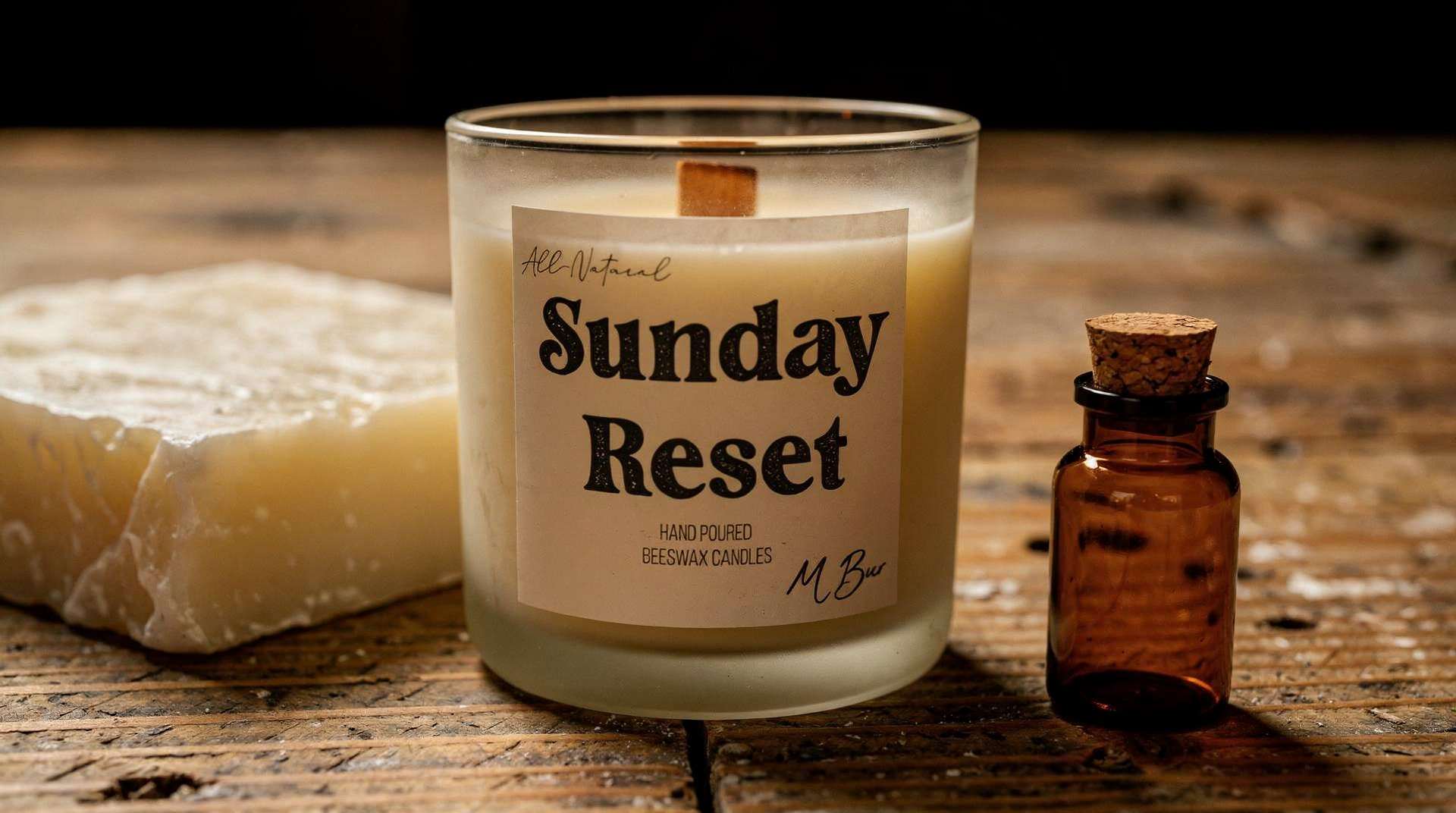
"I absolutely love these candles! I instantly notice the difference in the air quality, in comparison to the Bath and Body scented candles. I love Bath and Body's candles but I acknowledge that it caused a slight headache and other minor respiratory discomfort. Awesome products. Totally addicted." Jason H., Sunday Reset Candle
That kind of feedback is consistent with what the research shows about paraffin emissions.
Soy
Soy wax burns cleaner than paraffin, and it does not carry the same petroleum origin risk for aromatic hydrocarbon emissions. However, soy is frequently blended with paraffin to reduce cost, and those blends are often not disclosed on packaging. A candle labeled "soy blend" could contain a significant paraffin fraction.
The other variable with soy is fragrance. A soy candle loaded with toxic fragrance oils still introduces VOCs into your air. The wax being cleaner does not neutralize a problematic fragrance load.
Beeswax
Beeswax is not a processed or petroleum derived material. It is a natural wax secreted by honeybees during honey production. Its chemical composition is almost entirely fatty acid esters and long chain hydrocarbons. There is no aromatic hydrocarbon content in the raw material, and combustion studies of pure beeswax candles have not identified toluene or benzene as significant byproducts.
Beeswax also has the highest melting point of any candle wax, which produces a slower, more complete burn. Incomplete combustion is one of the drivers of VOC production, so a cleaner burn at a higher temperature is a meaningful advantage from a chemistry standpoint.
The key phrase is "pure beeswax." A candle labeled "contains beeswax" could be mostly paraffin with a small beeswax addition. If the label does not say 100 percent beeswax, it is worth asking.
The Fragrance Transparency Gap
This is where the candle industry has its biggest accountability problem. The broader category of undisclosed fragrance chemicals includes dozens of compounds that the EPA and the National Institute for Occupational Safety and Health have flagged as indoor air quality concerns.
The practical checklist for fragrance safety:
- Does the brand explicitly state phthalate free fragrance?
- Do they use fragrance oils rather than essential oil diluted carrier blends that could include paraffin based carriers?
- Is there any transparency about the fragrance supplier or IFRA compliance?
- Does the brand list fragrance as the only scent ingredient, or are there additional chemical additives?
How to Read a Candle Label for Chemical Red Flags
Wax type: If it says "paraffin," "paraffin blend," or lists no wax type at all, that is a flag. Brands using high quality wax tend to say so prominently.
Fragrance disclosure: "Fragrance" as a standalone ingredient with no additional detail is the industry default. Brands that specify "phthalate free fragrance" or list individual scent notes have made an active choice to be more transparent.
Dyes: Chemical dyes are another category of additives that are often petroleum derived. A candle with no added dyes removes one variable from the equation.
Wick material: Cotton core wicks are standard. Wooden wicks are a cleaner alternative that also offer a more complete burn pattern, which reduces incomplete combustion byproducts.
Where to Start
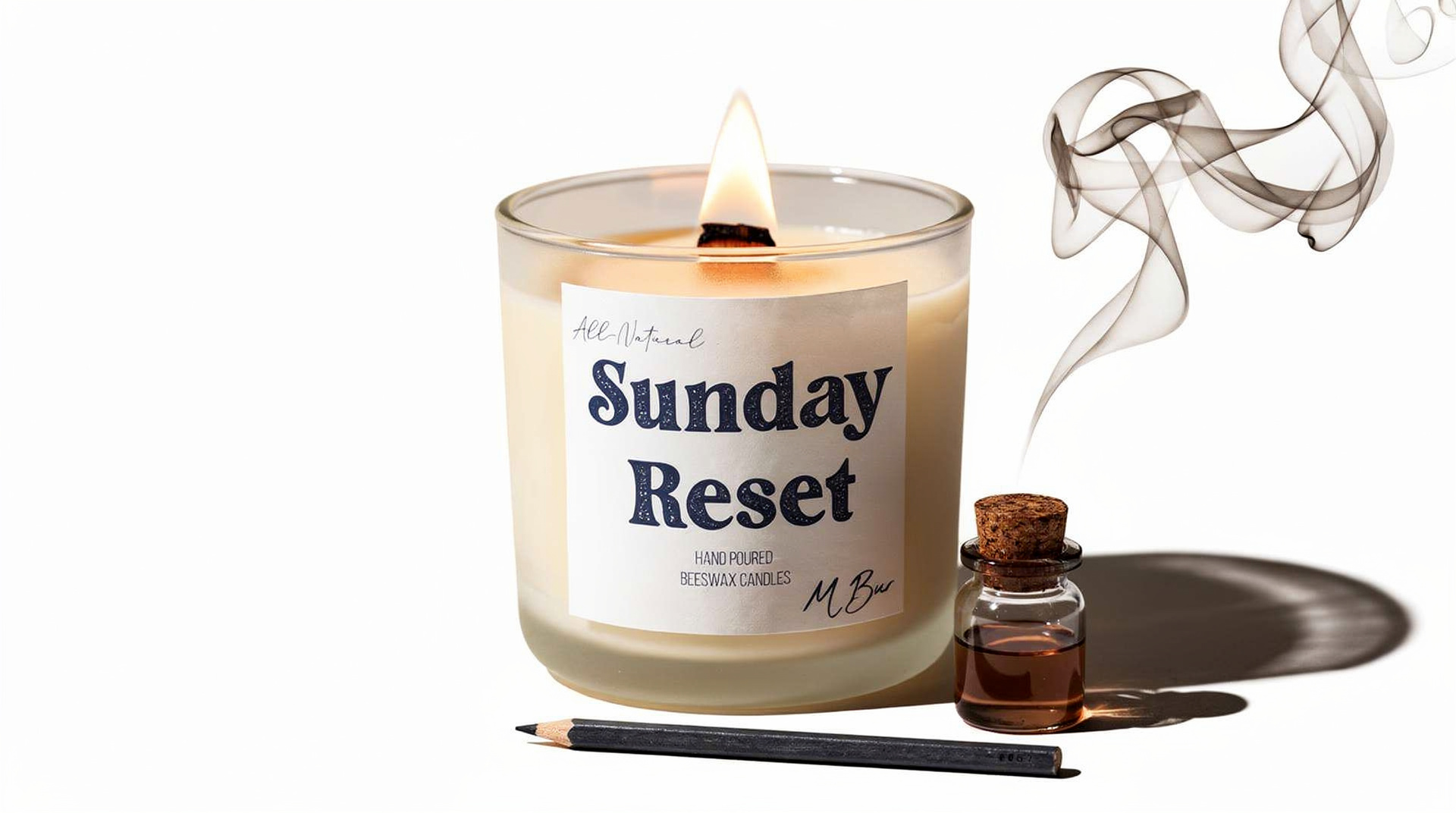
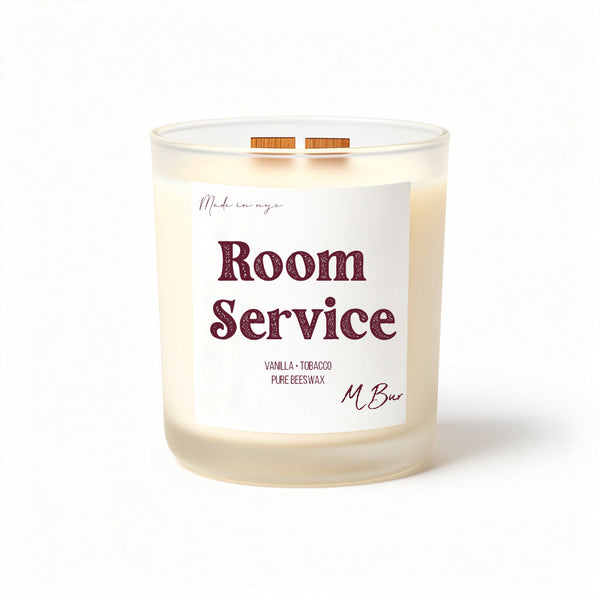
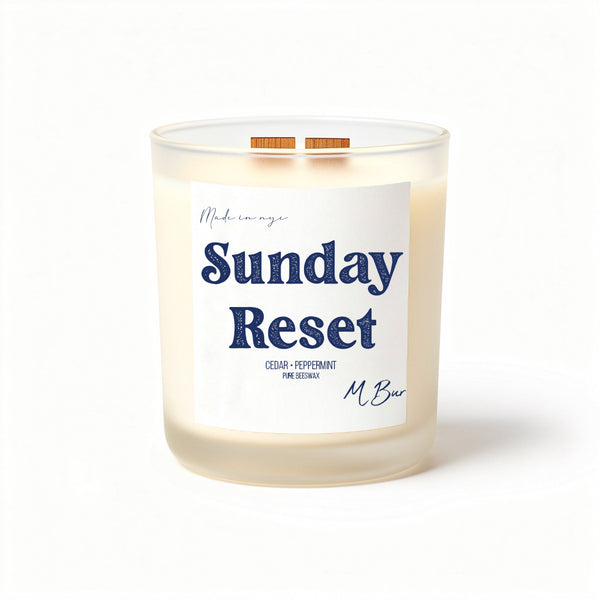
The Sunday Reset beeswax candle is a good starting point if you are coming from mass market candles and want to notice the difference firsthand. Eucalyptus, peppermint, and cedar in a 100% beeswax base that burns for up to 80 hours in the 12oz size ($65).
Frequently Asked Questions
Do all scented candles release toluene?
No. Toluene in candles is primarily associated with paraffin wax and certain toxic fragrance oils. Candles made from 100 percent beeswax with phthalate free, non toxic fragrance do not have the same source materials that produce toluene as a combustion byproduct.
How much toluene does a candle actually release?
Studies measure VOC emissions in micrograms per cubic meter, and the absolute quantities from a single candle in a ventilated room are generally low. The concern is cumulative exposure, particularly in small, poorly ventilated spaces where candles are burned frequently.
Is soy wax safe from toluene?
Pure soy wax does not have the same petroleum origin risk as paraffin. However, soy blends that include paraffin can still produce toluene. The fragrance oils used in soy candles are also a variable. Check whether the soy candle brand specifies "100 percent soy" and uses phthalate free fragrance.
Does burning candles in a well ventilated space reduce toluene exposure?
Yes, meaningfully. Ventilation is one of the most effective ways to reduce indoor VOC accumulation. That said, ventilation addresses the exposure, not the source. Choosing a cleaner candle removes the problem upstream.
What does phthalate free fragrance actually mean?
Phthalates are chemical plasticizers used in some fragrance oils to extend scent longevity. They are classified as endocrine disrupting compounds and are restricted in cosmetics in the EU, though regulation in the U.S. is less stringent. A phthalate free fragrance oil has been formulated without these additives.
The Bottom Line
Toluene in candles is a real and specific issue, not a vague wellness concern. It is rooted in the chemistry of paraffin wax and certain toxic fragrance oils, both of which have known chemical origins that produce VOC emissions during combustion. The solution is equally specific: choose 100 percent beeswax with phthalate free, non toxic fragrance and a wooden wick.
Shop the full MBur beeswax candle collection
What buyers say:
