

Candle Dyes: Are Colored Candles Safe to Burn?
Candle Dyes: Are Colored Candles Safe to Burn?
Most candles get their color from synthetic dyes, and most candle brands never mention that fact on the label. That pretty blush pink jar sitting on your shelf? There is a decent chance it contains petroleum derived colorants that release compounds into the air when burned.
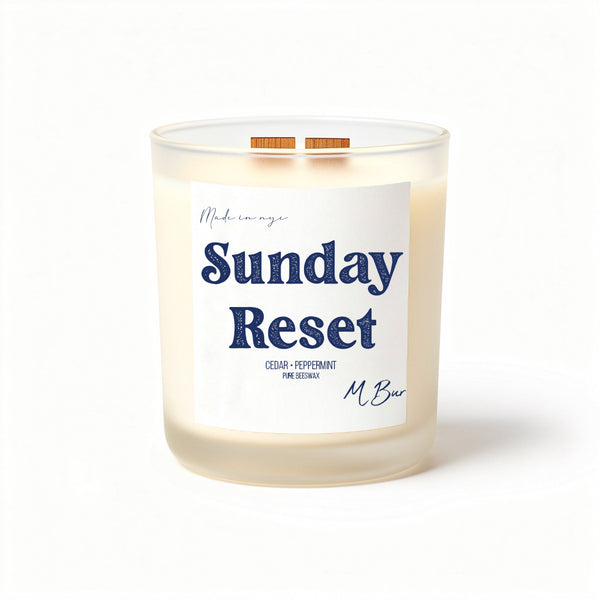
The question of whether colored candles are safe is more nuanced than a simple yes or no. It depends on the dye source, the wax base, the fragrance, and how much you are burning. This post breaks down exactly what candle dyes are, what the research says about candle dye safety, and how to figure out which candles are actually worth burning in your home.
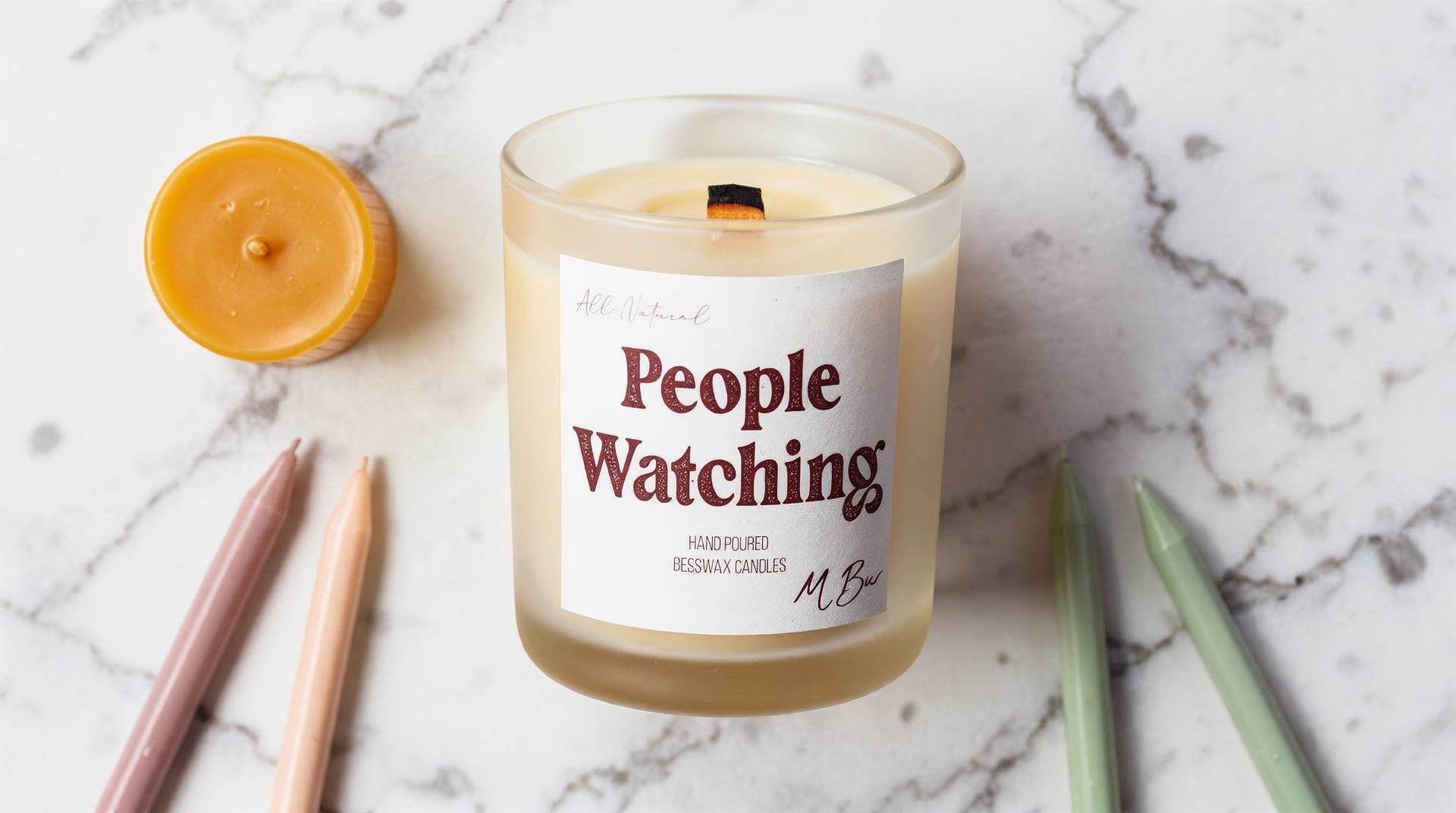
A Surprising Fact Most Candle Buyers Never Learn
Candle dyes are not regulated by any federal labeling requirement in the United States. Brands are not required to disclose which colorants they use, where those colorants come from, or what happens when they combust.
That means a candle can be labeled "natural" or "clean" and still contain synthetic dyes derived from petroleum or coal tar. The word "natural" on a candle label means essentially nothing without supporting documentation.
A 2009 study from South Carolina State University found that paraffin candles release detectable levels of benzene and toluene when burned. Benzene is a known human carcinogen. Toluene is a central nervous system irritant. The dyes themselves were not isolated in that study, but they are one more variable added to an already complicated chemical picture.
What Are Candle Dyes, Actually?
Candle dyes fall into three main categories: liquid dyes, dye chips, and powdered dyes. Most commercial candles use liquid or chip dyes blended directly into the melted wax during production.
The majority of these dyes are synthetic azo dyes or anthraquinone dyes, both of which are petroleum derived. Azo dyes in particular have been studied extensively in textile and food industries for their potential to break down into aromatic amines, some of which are classified as potential carcinogens by the International Agency for Research on Cancer.
A smaller category of candle dyes are described as "cosmetic grade" or "skin safe," which sounds reassuring until you remember that skin contact and combustion are two completely different chemical processes. A dye being safe to touch does not tell you anything meaningful about what it releases when it burns at several hundred degrees Fahrenheit.
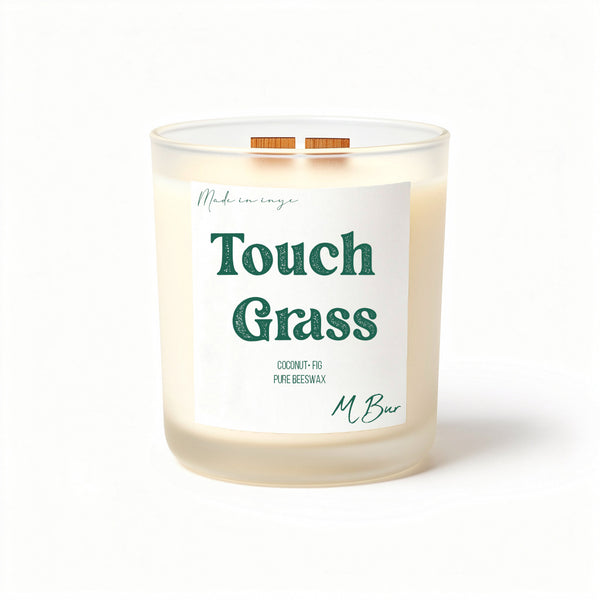
There are also natural colorants used by a small number of independent candle makers, including mica powder, turmeric, spirulina, and beetroot powder. These do not behave as true dyes in the same chemical sense, and their combustion profiles are generally considered less concerning. But they are rare in mass market candles.
The Combustion Problem
When a candle burns, the wax and all of its additives, including dye, fragrance, and any stabilizers, undergo incomplete combustion. This produces a mix of volatile organic compounds, fine particulate matter, and, depending on the ingredients, trace amounts of heavier compounds.
A peer reviewed study published in the journal Chemosphere in 2014 analyzed VOC emissions from multiple candle types and found that scented candles produced higher emission rates than unscented ones, and that the presence of dyes and other additives was associated with increased particulate output. The study noted that individual exposure in a well ventilated room would likely fall below concerning thresholds, but that prolonged or frequent use in enclosed spaces raised more significant questions.
The key phrase there is "well ventilated." Most people burn candles in bedrooms, bathrooms, and offices, which are not exactly known for their air circulation.
Are Colored Candles Safe? It Depends on the Base Wax
Paraffin
Paraffin is a byproduct of petroleum refining. It takes color extremely well. It is also the wax most associated with soot production and VOC emissions. When you add synthetic dyes to paraffin, you are layering petroleum derived colorants onto a petroleum derived wax, and then burning the whole thing indoors.
Soy
Soy wax is a significant improvement over paraffin in several respects. It burns cleaner, produces less soot, and is biodegradable. However, soy candles are frequently blended with paraffin, and many commercial soy candles still use synthetic dyes and toxic fragrance. A candle labeled "soy" is not automatically a clean candle.
Beeswax
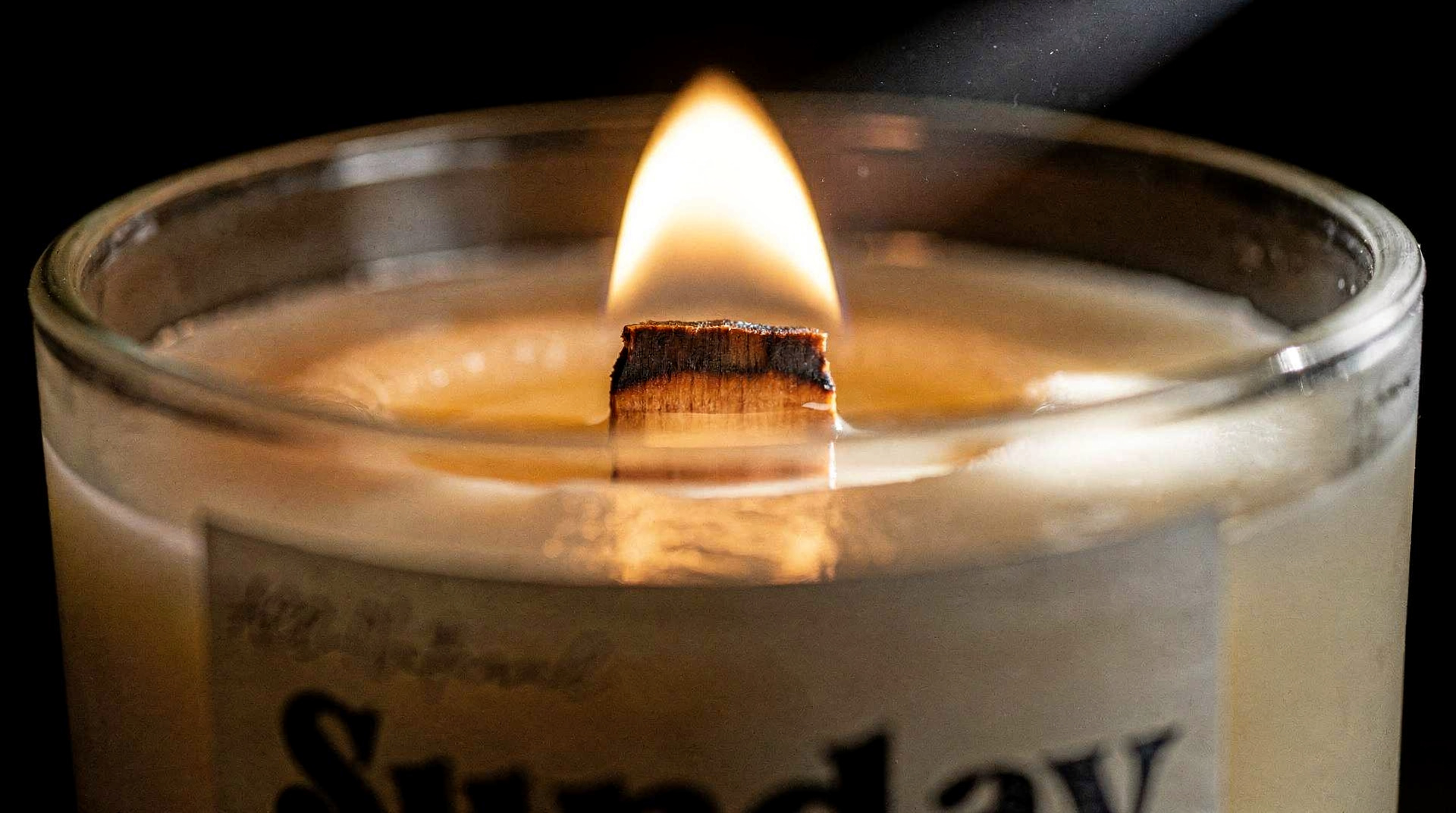
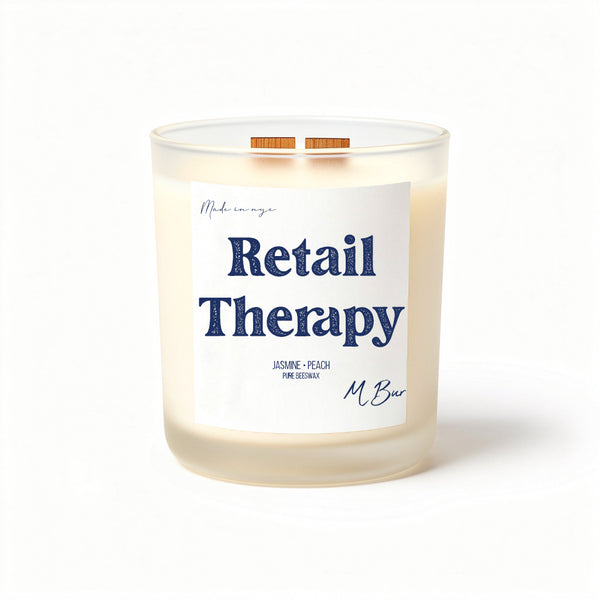
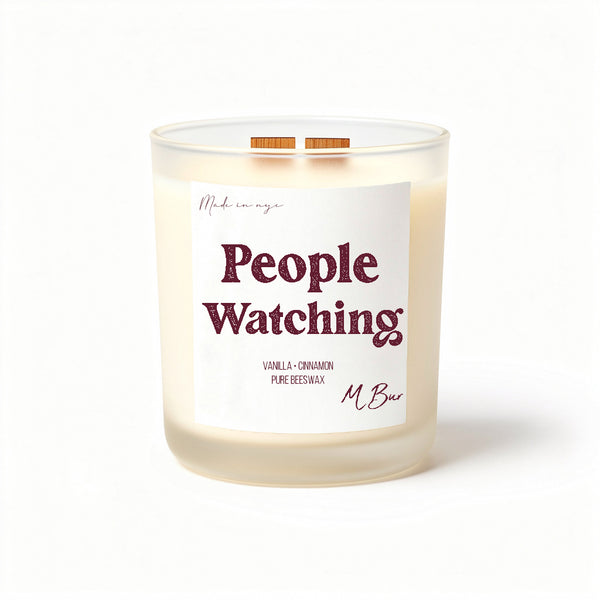
Beeswax is the oldest candle material in recorded history. It burns at a higher melting point than paraffin or soy, which contributes to a significantly longer burn time. Beeswax produces almost no soot and does not require chemical processing. Because beeswax has a naturally warm amber tone, there is genuinely no functional reason to add dye to it.
The Real Risk Factors in Dyed Candles
Candle dye safety concerns do not exist in a vacuum. The most significant risks come from a cluster of factors working together.
- Petroleum based wax combined with synthetic dyes. Both inputs have problematic combustion profiles, and they are almost always paired together in commercial candles.
- Toxic fragrance compounds. Many toxic fragrance blends contain phthalates, which are endocrine disruptors. A candle with dyes and phthalate containing fragrance is a more serious air quality concern than either alone.
- Metal core wicks. Some older or cheaper candles still use wicks with zinc or tin cores, which can release trace metals when burned.
- Enclosed burning environments. The EPA notes that indoor air pollution can be two to five times higher than outdoor levels, and candles are one contributing source.
For a practical framework for evaluating any candle, the guide to what makes a candle non toxic walks through every ingredient category you should be checking.
What About Mica? Is That Different?
Mica is a naturally occurring mineral that creates a shimmery, metallic visual effect in candles. It does not behave like a dye in the traditional sense.
The concern with mica in candles is not primarily toxicity when burned, but rather sourcing. Mica mining has documented labor concerns, particularly involving child labor in certain regions. Ethically sourced mica is available, and some brands are explicit about their sourcing.
Cosmetically, mica is considered safe for skin contact and is approved by the FDA for use in cosmetics. Its combustion behavior in candles has not been studied as extensively as synthetic dyes, but its risk profile is generally regarded as lower.
Why Some Candle Makers Skip Dye Entirely
Dye in a candle serves one purpose: aesthetics. It does not improve the scent, the burn time, the quality of the flame, or the air quality. It exists entirely to make the candle look more appealing in a photo or on a shelf. When you weigh a purely cosmetic benefit against a not fully understood combustion risk, the calculus starts to look pretty clear.
How to Shop for Candles Without the Guesswork
- Check the wax type. Single ingredient wax is always better than a blend with unnamed components.
- Look for explicit dye disclosure. If a brand does not mention dyes at all, assume they are present.
- Check the fragrance. Phthalate free is the minimum standard. Fragrance described only as "fragrance" or "perfume" with no further detail is a flag.
- Check the wick. Cotton or wooden wicks are preferable. Avoid anything with a stiff metal core.
- Search for third party safety data sheets or testing documentation.
FAQ: Candle Dye Safety Questions
Do candle dyes affect how the candle smells?
Sometimes, yes. Certain synthetic dyes can interfere with how fragrance molecules bind to wax. Undyed candles with high quality phthalate free fragrance tend to perform more consistently.
Are naturally colored candles automatically safer?
Not automatically. Natural colorants like mica, turmeric, and spirulina have lower risk combustion profiles than synthetic azo dyes, but the wax base still matters enormously. A naturally tinted candle in a paraffin base is still a paraffin candle. Focus on the wax first, then the colorant.
How long do beeswax candles actually burn?
Beeswax has the highest melting point of any candle wax. MBur's 12oz beeswax candles are rated for 80 hours, which is substantially longer than a comparably sized paraffin candle.
Can candle dyes trigger allergies or headaches?
Some people do report sensitivity to heavily dyed candles, though it is difficult to isolate dye as the cause versus paraffin soot or toxic fragrance. The most commonly reported symptoms include headaches, nasal irritation, and eye sensitivity.
"A lot of other candles tend to give me headaches, but this one was a total game changer. I was able to enjoy the calming aroma without any discomfort." Nicole D., Sunday Reset Candle
If you experience symptoms when burning scented candles from major retailers, switching the wax type and eliminating dyes and phthalate containing fragrance simultaneously makes it difficult to identify which variable helped. But most people who make that switch report improvement quickly.
Are all colored candles unsafe?
No. The concern is concentrated in candles that combine petroleum based wax, synthetic dyes, and toxic fragrance. A candle with transparent ingredient sourcing, a clean wax base, and minimal additives is a meaningfully different product. The key is knowing how to read the label, or knowing which brands you can trust to have already made those decisions.
The Bottom Line
Candle dye safety is a real concern, and the lack of disclosure requirements in the candle industry makes it harder than it should be to figure out what you are burning. The risks are highest when synthetic dyes are combined with petroleum based wax and toxic fragrance in a poorly ventilated space. The risks are lowest when you choose a single ingredient, undyed wax with phthalate free fragrance and a clean wick.
The Wine Down beeswax candle is a solid starting point. Undyed, made with 100% beeswax, phthalate free fragrance. The 20-hour size starts at $20.
Shop the full undyed beeswax candle collection
What buyers say:
Related reading:

