

VOCs in Candles: What They Are, Which Candles Have Them, and How to Avoid Them
VOCs in Candles: What They Are, Which Candles Have Them, and How to Avoid Them
The average American household contains somewhere between 400 and 500 synthetic chemicals that were not present in homes 100 years ago. A significant number of them are classified as volatile organic compounds, and some of the most overlooked contributors to indoor VOC levels are sitting on your coffee table, in glass jars, looking perfectly innocent.
That is not an anti candle argument. It is a pro information one. Most candle brands will never bring this up. We will, because understanding what actually produces VOCs, and what does not, is the only way to make a decision that holds up past the marketing copy.
This post breaks down the chemistry behind VOC emissions in candles, which materials are the real culprits, and exactly what to look for when you want a candle that burns clean. If you want to skip straight to the comparison of wax types, we also have a detailed breakdown of how paraffin, beeswax, and soy compare on health impact worth reading alongside this one.
What Are Volatile Organic Compounds, Exactly?
VOCs are carbon based chemicals that evaporate easily at room temperature and get released into the air as gases. The word "organic" here does not mean natural or safe. It is a chemistry term that simply refers to the presence of carbon atoms.
According to the U.S. Environmental Protection Agency, VOC concentrations indoors are consistently two to five times higher than outdoor concentrations, and in some cases up to ten times higher during and immediately after activities like painting, cleaning, or burning candles made from petroleum derived wax.
Common VOCs documented in indoor air include:
- Benzene, a known human carcinogen classified as such by the International Agency for Research on Cancer
- Toluene, associated with neurological effects with prolonged exposure
- Formaldehyde, which the EPA has linked to respiratory irritation and long term health concerns
- Acetaldehyde and acrolein, combustion byproducts that can irritate airways
Not all candles produce all of these. The specific compounds released depend almost entirely on what the candle is made of, not just whether it is scented or unscented.
The Real Source of VOCs in Candles Is the Wax
Most discussions about candle VOCs focus on fragrance, and fragrance is genuinely part of the problem. But the wax itself is where the story actually starts.
Paraffin wax is a byproduct of petroleum refining. When crude oil is processed, paraffin is one of the residual materials separated out. That origin matters because burning a petroleum derived material produces combustion byproducts that mirror what you would expect from any fossil fuel: benzene, toluene, and other aromatic hydrocarbons.
A study published in the journal Chemosphere analyzed VOC emissions from paraffin candles and found that paraffin burning released significantly higher concentrations of toxic compounds compared to plant based wax alternatives. The same study noted that some paraffin candles released trace amounts of compounds typically associated with diesel exhaust when burned in enclosed spaces.
Paraffin is not illegal, and in a well ventilated space, burning one occasionally is probably not going to ruin your health. But burning paraffin candles regularly, in the same rooms where you sleep, work, or spend most of your time, is a different calculation entirely.
Where Soy Wax Fits In
Soy wax is often positioned as the clean alternative to paraffin, and it is genuinely better on the VOC front for one simple reason: it is not petroleum derived. However, the soy candle category has a serious transparency problem.
Many candles marketed as "soy" are actually soy blends, meaning they contain a percentage of paraffin mixed in to improve texture, scent throw, or appearance. Blended candles can carry a soy label without being exclusively soy. If a candle says "soy blend" or does not specify that it is 100% soy, there is a reasonable chance paraffin is in there.
Additionally, most soy candles use a fragrance load that includes phthalates, the chemical carriers that help fragrance oils bind to wax and disperse when heated. Phthalates are classified as endocrine disruptors, and when burned, they can contribute to the total VOC load in the room, regardless of what the base wax is.
Beeswax Is Different at the Chemistry Level
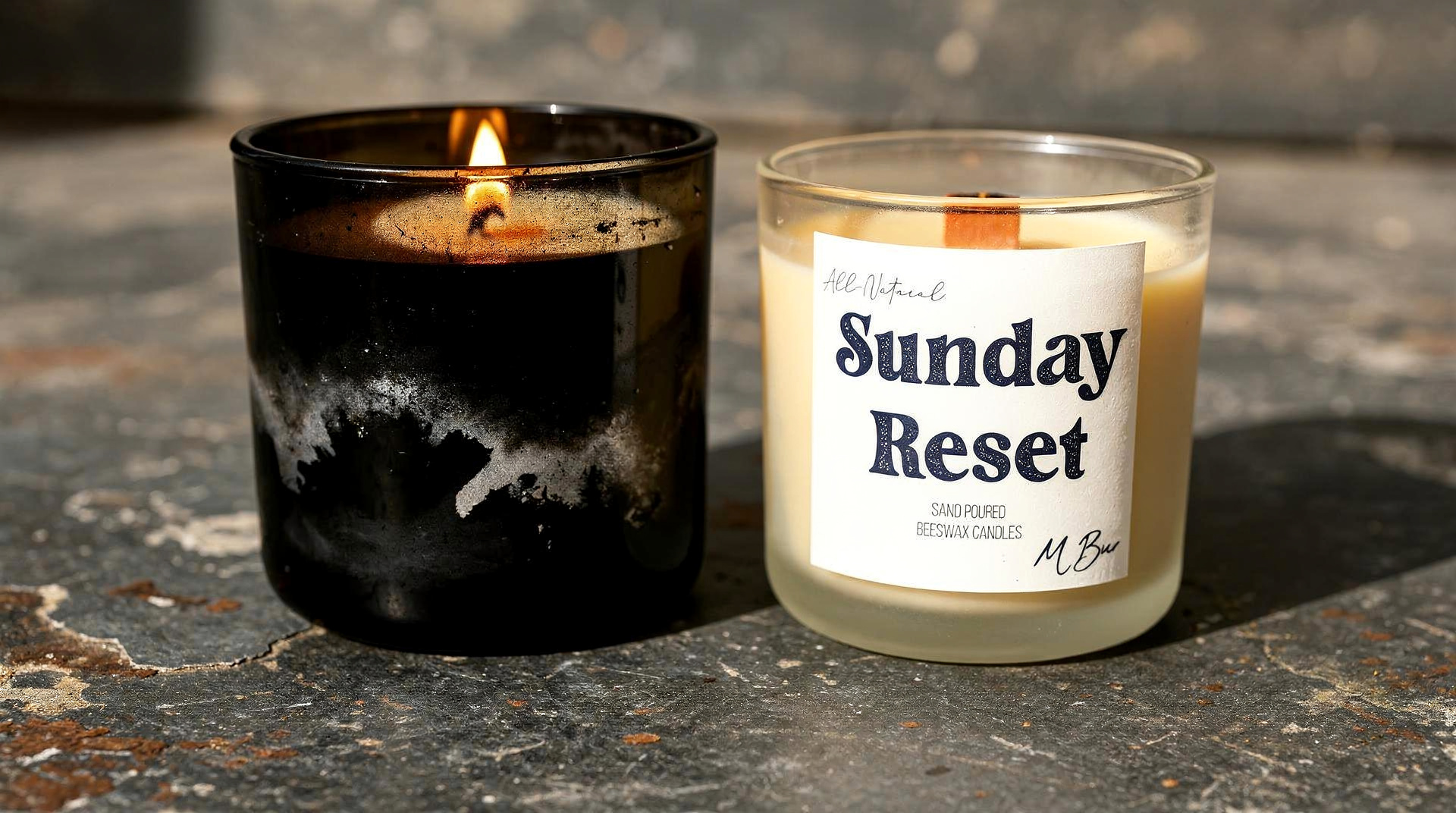
Beeswax is not a petroleum byproduct. It is not a processed agricultural commodity. It is a biological material produced by honeybees through a glandular process, composed primarily of fatty acid esters, long chain hydrocarbons, and free acids. That composition matters because when beeswax burns, its combustion chemistry is fundamentally different from paraffin.
Beeswax burns at a higher temperature than any other candle wax, which is why it has the longest burn time of any wax type. That higher melting point means the flame is hotter and more complete in its combustion, which translates to less soot and fewer unburned hydrocarbon particles released into the air.
Some researchers and naturalist communities point to the ionization effect of burning beeswax as a potential contributor to cleaner indoor air, with the suggestion that it may release negative ions that bind to particulates and pull them out of the air. The scientific evidence for this specific mechanism is limited and should be treated as preliminary. What is well documented is that beeswax produces considerably less particulate matter and fewer VOC emissions than paraffin during combustion.
This is why our beeswax candle collection is built entirely on 100% beeswax rather than blends. Not for marketing reasons. Because the difference at the chemistry level is real.
The Fragrance Problem: Where VOCs Get Complicated
Even if you have a beeswax candle, the fragrance component still deserves scrutiny. This is where most candle brands cut corners because fragrance formulation is expensive to do correctly.
Toxic fragrance oils in candles are a well documented source of VOC exposure. These oils can contain dozens of individual chemical compounds, and because fragrance formulas are protected as trade secrets in the U.S., brands are not required to disclose the specific ingredients in their scents. A candle labeled with a single fragrance name might contain anywhere from 10 to 80 different chemical components.
The specific VOC contributors to watch for in toxic fragrance formulas include:
- Phthalates, used as carriers and fixatives
- Synthetic musks, some of which bioaccumulate in human tissue
- Benzyl compounds, which can release benzaldehyde during combustion
- Limonene, a naturally occurring terpene that reacts with indoor ozone to form secondary VOCs including formaldehyde
Non toxic fragrance that is phthalate free and formulated without the most reactive chemical carriers substantially reduces the VOC contribution from the scent component. This is not a small difference in a candle you burn for several hours at a time in a closed bedroom.
The Wick Factor: What You Are Probably Ignoring
Wick material is the third leg of the candle VOC problem, and almost nobody talks about it.
Metal core wicks, which were common in the candle industry through the 1970s and 1980s, used lead cores to keep the wick upright. Lead cored wicks were officially banned in the U.S. in 2003 by the Consumer Product Safety Commission after studies confirmed they released lead particles into the air during burning. However, candles imported from countries without this restriction may still contain metal core wicks.
Today, the most common metal core wicks use zinc or tin instead of lead. These are considered safer, but they still release metal particulates during combustion at a rate higher than cotton or wooden wicks. A 2014 study from researchers at the University of Michigan found that metal core wicks produced measurably higher levels of airborne particulates compared to non metal alternatives.
Wooden wicks have a different combustion profile from cotton. They tend to burn at a slightly lower, wider flame, which some studies suggest produces a more complete and cleaner burn with less soot output. They also eliminate the metal particulate concern entirely.
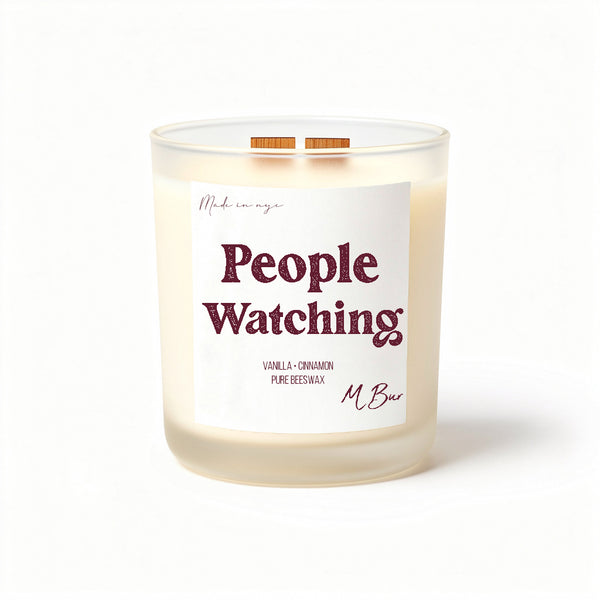
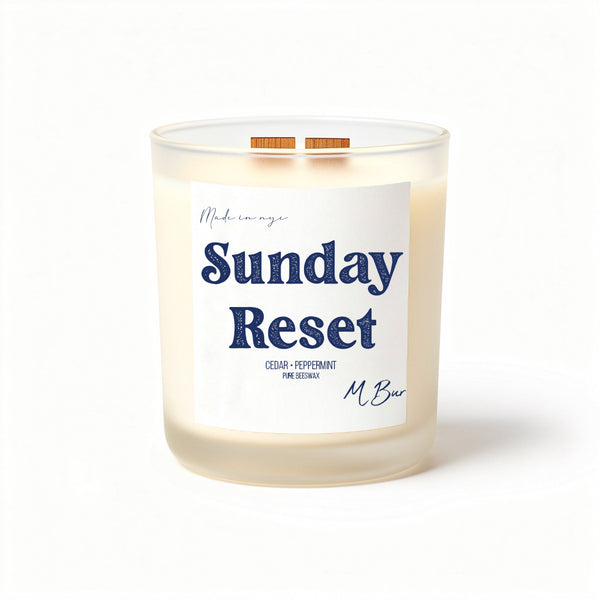
The Sunday Reset beeswax candle, like every candle in our line, uses a wooden wick. That crackling sound is not just pleasant. It is also the sound of a cleaner burn.
A Practical Framework for Evaluating Candle VOC Risk
Most consumers do not have access to laboratory testing for the candles they buy. But you can make a solid assessment based on these five factors:
| Factor | Higher VOC Risk | Lower VOC Risk |
|---|---|---|
| Wax type | Paraffin or unlabeled blend | 100% beeswax or 100% soy |
| Fragrance formulation | No disclosure, phthalates present | Phthalate free, disclosed ingredients |
| Wick material | Metal core (zinc, tin, or unlabeled) | Cotton or wooden wick |
| Dyes | Chemical dyes added for color | No dyes, natural color only |
| Ventilation during use | Enclosed rooms with no airflow | Cracked window or good circulation |
Practical Tips for Reducing Your VOC Exposure from Candles
Even with the cleanest possible candle, basic burning habits make a measurable difference in the air quality of your home.
Keep wicks trimmed to a quarter inch before each burn
A wick that is too long creates a larger, less stable flame that produces more soot and incomplete combustion products. Trim it before every single use, not just the first one.
Burn in ventilated spaces
Opening a window or door by even a few inches while a candle is burning dramatically reduces the concentration of any airborne compounds, including VOCs, that build up in enclosed rooms. This applies to all candles, including beeswax.
Do not burn for more than four hours at a stretch
Extended burns allow the wax pool to get very hot, which can accelerate the volatilization of fragrance compounds. Most candle manufacturers, including us, recommend four hours as a practical maximum per session.
Let the candle solidify completely before relighting
Relighting a candle before the wax has fully hardened disrupts the wax pool and can cause uneven burning, tunneling, and a less complete combustion in subsequent burns.
Check the bottom of the candle for wick material
If you are buying a candle at a store and there is no clear wick labeling, look at the base of the wick for a metallic appearance. If you see a rigid, shiny center, it likely has a metal core.
The Candle Industry Has a Transparency Problem
The Federal Trade Commission has guidelines about ingredient disclosure, but candles are not subject to the same transparency requirements as food or cosmetics. A candle can call itself "natural" without meeting any standardized definition of that term. A candle can use the word "clean" without any regulatory backing.
This is worth knowing not to make you paranoid about every candle in your home, but to calibrate your trust appropriately. When a brand tells you exactly what is in their candle, including the wax, the wick, the fragrance formulation philosophy, and what they have left out, that transparency itself is meaningful information.
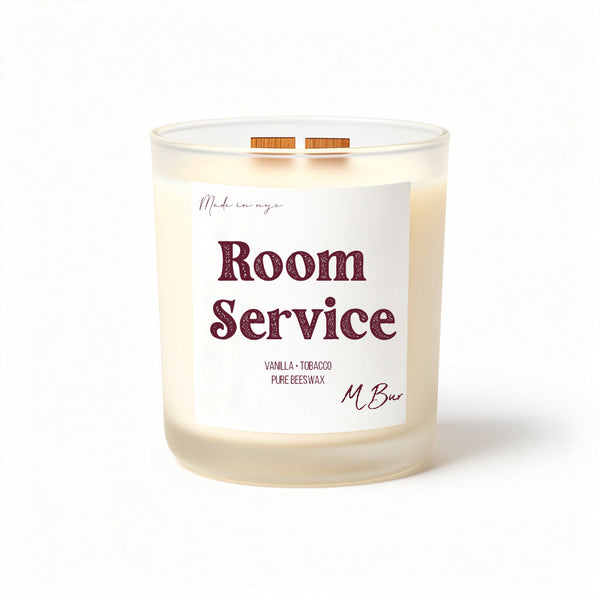
Our candles are 100% beeswax, not a blend. They use phthalate free non toxic fragrance. They use wooden wicks. They contain no chemical dyes. We say this not as a marketing checklist but because it directly addresses every single VOC risk factor identified in the research literature.
"I absolutely love these candles! I instantly notice the difference in the air quality, in comparison to the Bath and Body scented candles. I love Bath and Body's candles but I acknowledge that it caused a slight headache and other minor respiratory discomfort. Awesome products. Totally addicted." Jason H., Sunday Reset Candle
That kind of response is not unusual for people switching from conventional candles. The headache and respiratory irritation that many people attribute to candles in general are usually attributable to specific ingredients, particularly paraffin and toxic fragrance, not to candles as a category.
Frequently Asked Questions About VOCs in Candles
Do all scented candles release VOCs?
Most do to some degree, but the type and quantity vary enormously by wax type, fragrance formulation, and wick material. A beeswax candle with phthalate free non toxic fragrance and a wooden wick releases dramatically fewer VOCs than a paraffin candle with undisclosed fragrance and a metal core wick.
Are soy candles actually safer than paraffin on VOCs?
Pure 100% soy candles are generally lower in VOC output than paraffin because they are not petroleum derived. However, many soy candles are actually blends that include paraffin, and the fragrance component can still contribute significantly to VOC levels regardless of the wax base.
How long do VOCs linger after I blow out a candle?
That depends heavily on ventilation and what the candle was made of. In an enclosed room with a paraffin candle, VOC concentrations can remain elevated for 30 minutes to several hours after the flame is out. With a clean burning candle and adequate ventilation, levels typically return to ambient levels much faster.
Can I test my candle for VOC emissions at home?
Not in any rigorous way. Consumer air quality monitors can detect particulate matter and some VOC levels, but they do not identify specific compounds. The most practical approach is to choose candles with fully disclosed, low VOC ingredients from the start rather than trying to test afterward.
Are beeswax candles worth the higher price if I am concerned about VOCs?
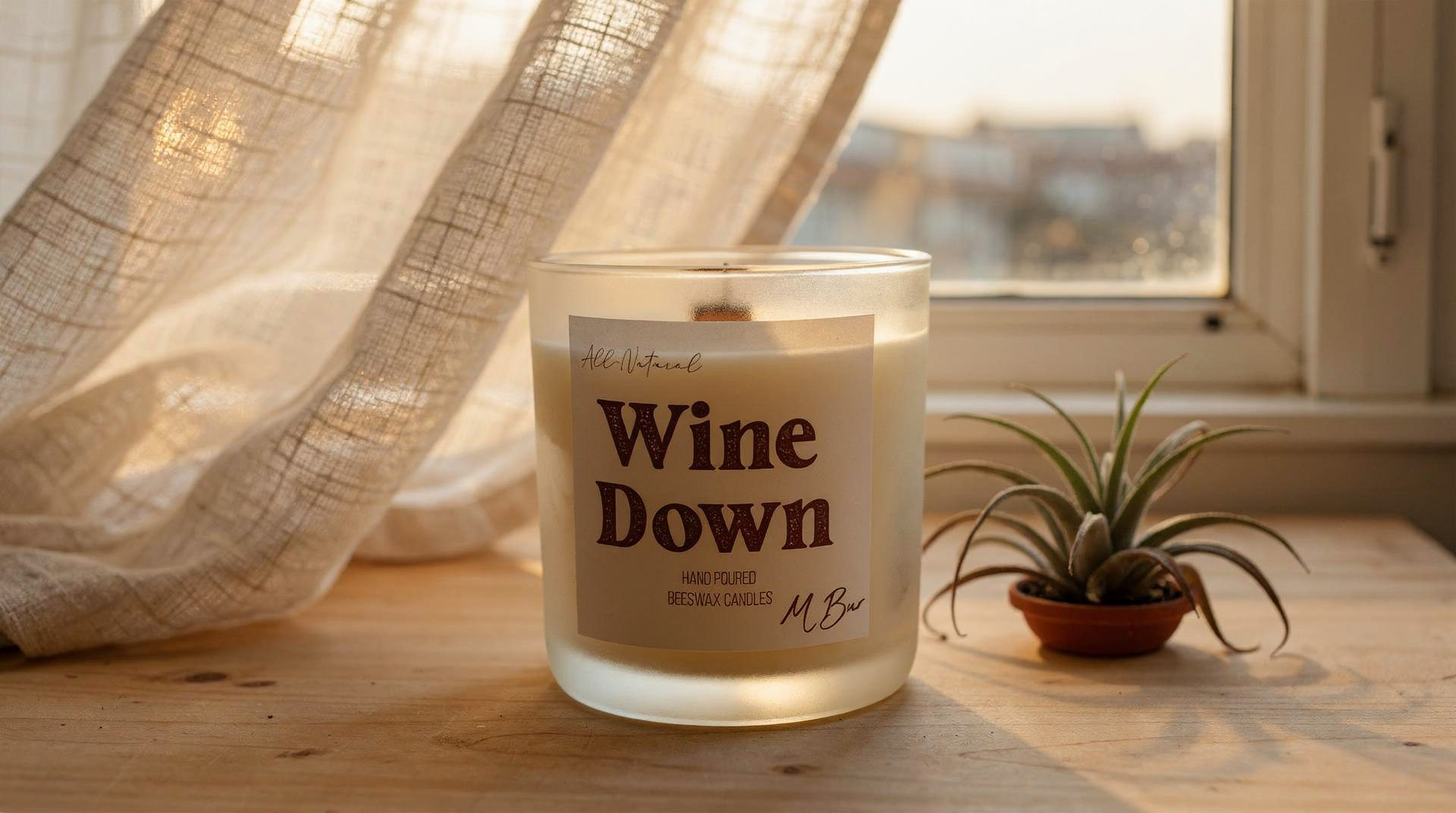
If you burn candles regularly and in enclosed living spaces, yes. Beeswax burns longer than any other wax type, with up to 80 hours from a single large candle, which means the cost per hour of burn time is competitive with lower priced paraffin alternatives once you run the math. The Wine Down beeswax candle in the 55 hour size is $37, which works out to $0.67 per hour of clean burn time.
The Short Version
VOCs in candles are real, measurable, and almost entirely avoidable if you know what to look for. Paraffin wax is the primary culprit. Toxic fragrance is the second. Metal core wicks are the third. Each of these contributes independently, and most conventional candles have all three working simultaneously in your living room.
The cleaner path is not complicated: 100% beeswax, phthalate free non toxic fragrance, wooden or cotton wick, no chemical dyes, and basic ventilation habits. That combination addresses every documented VOC risk factor from the candle side of the equation.
Shop the full collection of low-VOC beeswax candles
What buyers say:
Related reading:

