

Are Candles Bad for Allergies? Everything an Allergist Would Tell You
Are Candles Bad for Allergies? Everything an Allergist Would Tell You
Most people blame the scent. Turns out, the scent is often the least of your problems.
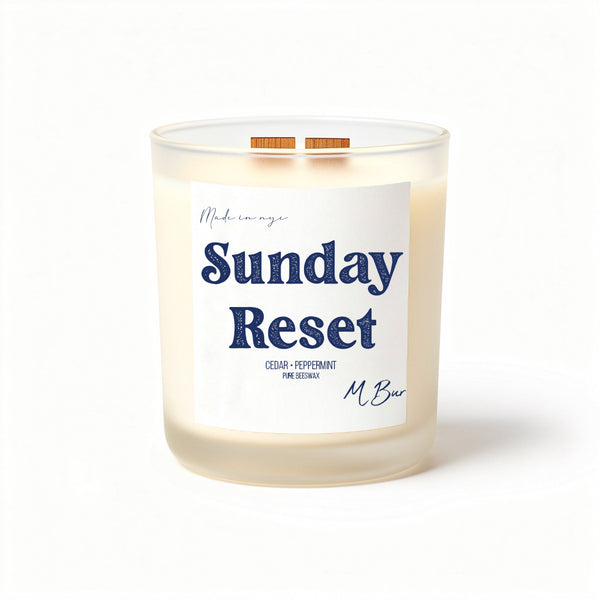
Here is a fact that surprises most people: the primary driver of candle related allergy symptoms is not fragrance at all. It is combustion byproducts, specifically the particulate matter, volatile organic compounds (VOCs), and chemical residue released when low quality wax burns. A 2009 study by researchers at South Carolina State University found that paraffin candles release a cocktail of toxic compounds including benzene, toluene, and formaldehyde during a normal burn. These are the same chemicals flagged by the EPA as indoor air pollutants. And paraffin, just to be clear, is a petroleum byproduct. It is refined crude oil turned into a candle. That context matters.
So when you find yourself sneezing, getting watery eyes, or waking up with a headache after burning a candle, the instinct is to blame the lavender or vanilla. But the likelier culprit is the wax itself, or the synthetic dyes, metal core wick, or toxic fragrance compounds mixed in. This post breaks down exactly what is happening in your body, which candle ingredients are most problematic for allergy and asthma sufferers, and what to actually look for when you want to keep burning candles without paying for it in congestion and discomfort.
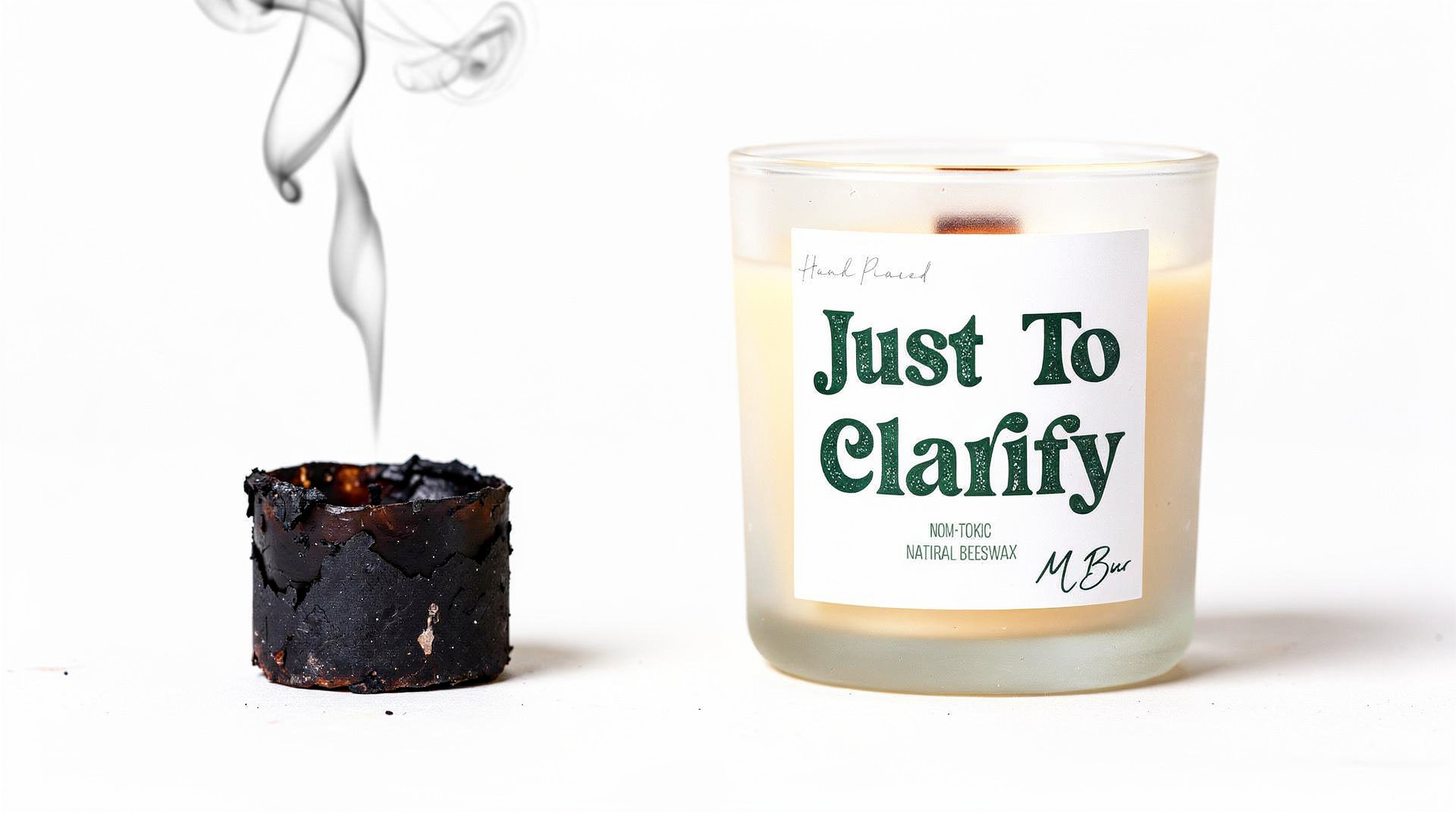
What Actually Happens When a Candle Triggers an Allergy
Allergic reactions to candles generally fall into two categories: true allergic responses and irritant responses. They feel similar but have different mechanisms.
A true allergic response involves your immune system identifying a specific compound as a threat, releasing histamine, and producing symptoms like sneezing, itching, nasal congestion, and watery eyes. Certain fragrance chemicals are known allergens, and the American Contact Dermatitis Society has flagged dozens of synthetic fragrance compounds as common sensitizers. If you have ever noticed your throat tightening or your sinuses flaring around heavy, chemically scented candles, that is your immune system doing its job, just not helpfully.
An irritant response is different. This does not involve the immune system at all. Instead, particulate matter and VOCs physically irritate the mucous membranes lining your nose, throat, and lungs. Think of it like getting cigarette smoke in your face. Your eyes water, your throat scratches, your nose runs. That is irritation, not allergy, but it feels just as miserable. Paraffin candle soot is a significant source of indoor fine particulate matter, and the EPA has linked indoor particulate exposure to respiratory symptoms, aggravated asthma, and reduced lung function over time.
Both types of responses are real. Both are avoidable with the right candle choices.
The Ingredients Most Likely to Trigger Reactions
Paraffin Wax
This is the big one. Paraffin is used in roughly 95 percent of commercially sold candles because it is cheap and easy to work with. But it is derived from the sludge leftover from petroleum refining, and when it burns, it releases known carcinogens and respiratory irritants. The South Carolina State University study mentioned earlier specifically identified paraffin as producing significantly more soot and VOC emissions than plant based or beeswax alternatives. For anyone with asthma, seasonal allergies, or general respiratory sensitivity, paraffin is worth avoiding entirely.
Toxic Fragrance Compounds
The word "fragrance" on an ingredient label is a legal black box. Under current FDA rules, fragrance formulas are considered trade secrets, which means a candle can list "fragrance" as a single ingredient and contain dozens of undisclosed chemical compounds. Some of those compounds, like phthalates (used to make scent last longer), are endocrine disruptors linked to hormonal disruption and respiratory irritation. Synthetic musks, formaldehyde releasing preservatives, and certain aldehydes also appear in conventional candle fragrance oils and are flagged by dermatologists and allergists as common triggers.
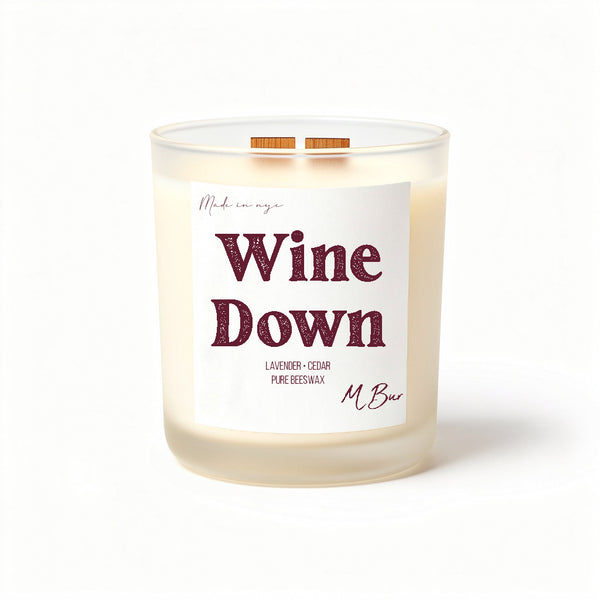
The fix is not to give up scented candles. It is to choose candles that use phthalate free fragrance with disclosed ingredients.
Chemical Dyes
That deep red or vibrant blue candle sitting in a gift shop? The color is almost certainly coming from petroleum based dyes or azo dyes, both of which release additional compounds when they combust. Candles with no added colorants burn noticeably cleaner, and for allergy sufferers, undyed candles are meaningfully lower risk.
Metal Core Wicks
This one catches people off guard. Some candle wicks are reinforced with a metal core, historically lead (banned in the US in 2003) but currently zinc or tin in many cases. When these wicks burn, they release trace metal particulates into the air. Zinc core wicks are legal but still a source of metal particulate that respiratory sensitive individuals may react to. Wooden wicks produce none of this.
Which Candle Wax Is Safest for Allergy Sufferers?
Paraffin: Avoid
As covered above, paraffin produces the most soot, the most VOCs, and the most problematic combustion byproducts of any common candle wax. If you are allergy or asthma sensitive, paraffin is worth cutting out of your home entirely.
Soy: Better, With Caveats
Soy wax burns cleaner than paraffin, and it has become the default "clean" candle marketing claim. But there are real caveats. First, many candles marketed as soy are actually soy blends containing paraffin. Second, soy wax is often processed with chemical solvents. Third, soy wax itself does not create the allergy problems, but the toxic fragrances and dyes commonly used alongside it can. A soy candle with low quality fragrance oil is still a problem for sensitive individuals.
Beeswax: The Cleanest Burn
Beeswax is the oldest candle material in recorded history, used continuously for over 5,000 years. It is also chemically distinct from every other candle wax because it is a natural biological product, not a refined industrial byproduct. Beeswax has the highest melting point of any common candle wax, which means it burns slower and cooler, releasing fewer airborne particulates. Some researchers have proposed that burning beeswax produces negative ions that may help neutralize airborne pollutants like dust, mold, and pollen. The science on ion therapy specifically is still developing, but what is well established is that beeswax produces dramatically less soot and fewer VOCs than paraffin under normal burning conditions.
Beeswax is also naturally hypoallergenic. It contains no synthetic compounds, requires no chemical processing, and in its pure form is free of the additives that trigger most candle related reactions. That said, individuals with bee or honey allergies should exercise appropriate caution and consult with their allergist before use.
MBur candles are made with 100 percent pure beeswax, not a blend. That distinction matters because many candles labeled as beeswax contain a small percentage of beeswax blended with soy or paraffin. Single ingredient wax means no hidden additives, no blending agents, and a more predictable burn for sensitive individuals.
The Fragrance Question: Scented vs. Unscented for Allergy Sufferers
The instinct when managing candle related allergies is to go unscented. That is not necessarily the right call.
An unscented paraffin candle still releases VOCs and soot. A beeswax candle with phthalate free fragrance using transparent, non toxic fragrance ingredients is almost certainly a better choice for a sensitive person than an unscented paraffin candle. The wax matters more than the scent in most cases.
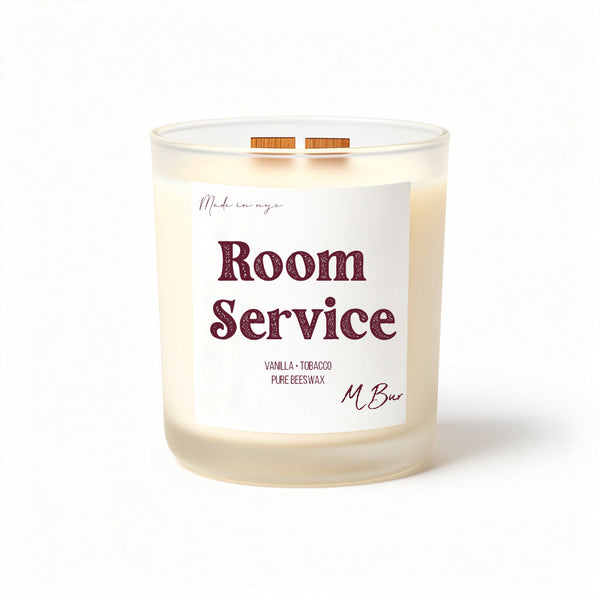
That said, for individuals with diagnosed fragrance sensitivity or contact dermatitis triggered by specific aromatic compounds, going fragrance free in beeswax is the cleanest possible option. And for everyone else, choosing candles with disclosed, phthalate free fragrance gives you the enjoyment of scent without the hidden chemical exposure of conventional fragrance oils.
Nicole D., a Wine Down candle customer who specifically mentioned sensitivity to strong scents, described the experience this way:
"A lot of other candles tend to give me headaches, but this one was a total game changer. I was able to enjoy the calming aroma without any discomfort. It made my space feel cozy and refreshed at the same time." Nicole D., Sunday Reset Candle
That kind of feedback comes up repeatedly from customers who switched from conventional candles. Jason H., who mentioned making a direct comparison after leaving Bath and Body Works candles behind, noted: "I instantly notice the difference in the air quality, in comparison to the Bath and Body scented candles. I love Bath and Body's candles but I acknowledge that it caused a slight headache and other minor respiratory discomfort."
Those are not outlier experiences. They reflect the documented difference between paraffin based candles with conventional fragrance and beeswax candles with non toxic fragrance.
The 20-hour size at $20 is the lowest-commitment way to test how a scent works for your sensitivity level before sizing up.
Practical Steps to Reduce Candle Related Allergy Symptoms
Even with the right candle, how you burn it matters. Here are the steps that make the biggest practical difference for sensitive individuals.
Trim the Wick Before Every Burn
A wick that is too long produces a larger, hotter flame that generates more particulate and soot. Keeping your wick trimmed to approximately one quarter inch before lighting reduces combustion byproducts meaningfully. This is especially important for cotton wicks, which tend to mushroom and produce black soot if left untrimmed.
Ventilate the Room
A cracked window or running a bathroom fan while a candle is burning in a small space makes a measurable difference in indoor air quality. The EPA recommends increasing ventilation as a general strategy for managing indoor air pollutants, and candles, even clean burning ones, are a combustion source adding to your indoor air load.
Do Not Burn for More Than Four Hours at a Time
Extended burns accumulate heat in the wax pool, can cause the wick to shift, and produce more particulate over time. Most candle safety guidelines recommend a maximum burn time of four hours per session, then allowing the candle to cool completely before relighting.
Avoid Burning Multiple Candles in an Unventilated Space
One candle in a well ventilated room has a different indoor air quality impact than three candles burning simultaneously in a closed bathroom. If you are sensitive, start with one candle in a larger, ventilated space and observe your reaction before increasing the number of candles.
Choose the Right Candle for the Right Room
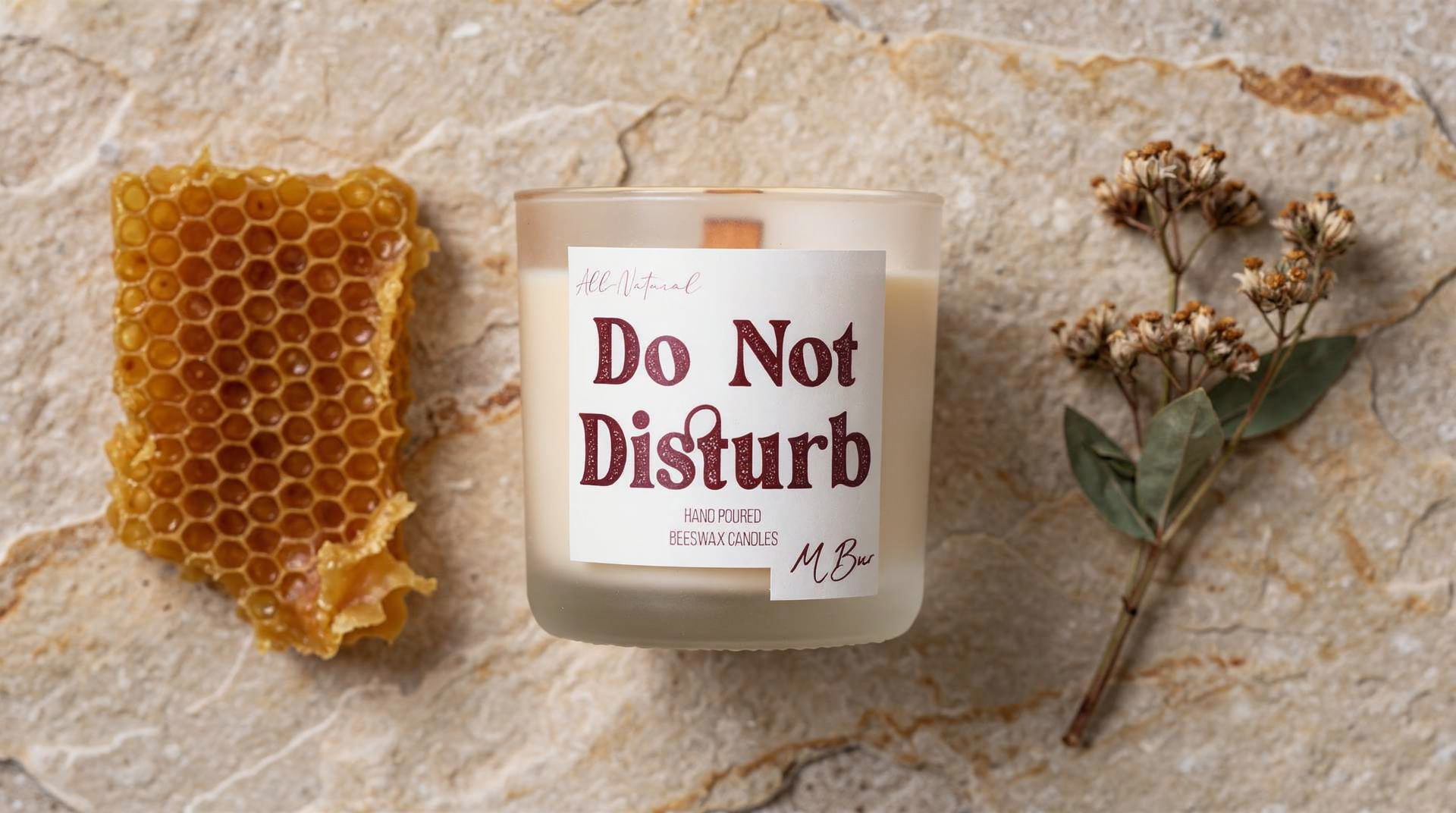
Bedroom burns are a specific consideration for allergy sufferers. You spend more time asleep in your bedroom than awake anywhere else in your home, which means air quality in that room accumulates over hours of low ventilation. If you burn candles in your bedroom at night, opting for the cleanest burning option available is especially important. The Do Not Disturb beeswax candle is designed specifically for bedroom use and is a practical choice for anyone who wants ambiance without respiratory tradeoffs in their sleep environment.
Frequently Asked Questions
Can beeswax candles still trigger allergies?
In rare cases, yes. Individuals with diagnosed bee or honey allergies should consult their allergist before burning beeswax candles, as trace proteins from beeswax may potentially be aerosolized during combustion, though this has not been extensively studied. For the vast majority of allergy sufferers whose symptoms are triggered by VOCs, soot, toxic fragrance, or synthetic dyes in conventional candles, beeswax is significantly lower risk.
Are soy candles actually better for people with allergies?
Soy candles are better than paraffin candles, with caveats. Many commercial soy candles are soy blends that still contain paraffin. The fragrance compounds used in soy candles vary widely in quality and safety. Pure soy wax burns cleaner than paraffin but not as cleanly as pure beeswax. If a soy candle also contains phthalate free fragrance and no chemical dyes, it is a reasonable choice. If it does not disclose its fragrance ingredients, assume they are conventional and apply normal caution.
How do I know if a candle has a metal core wick?
Remove the wick from the wax (or examine it before first burn) and look for a visible wire running through the center of the wick. Most quality candle brands disclose their wick material. Wooden wicks, like those used in MBur candles, have no metal core and produce no metal particulate. Cotton wicks are generally fine but require consistent trimming to prevent soot.
Do candles make asthma worse?
Paraffin candles and candles with conventional toxic fragrance can aggravate asthma symptoms in sensitive individuals. The American Lung Association includes candles in its list of indoor air quality sources that can worsen respiratory conditions. Switching to a cleaner burning wax with non toxic fragrance and maintaining good ventilation are the practical steps most likely to reduce candle related asthma triggers. Always follow guidance from your own healthcare provider for managing asthma specifically.
What is the cleanest burning candle for someone with serious allergies?
A 100 percent pure beeswax candle with no added dyes, phthalate free fragrance, and a wooden or untreated cotton wick, burned in a ventilated space with a trimmed wick. That description is exactly what you get with the MBur candle lineup. For a deeper look at what makes a candle truly non toxic, see our guide on what makes a candle non toxic.
The Bottom Line
Candles are not inherently bad for allergies. Paraffin candles with toxic fragrance compounds, chemical dyes, and metal core wicks are bad for allergies. That distinction is important, because it means you do not have to give up candles entirely. You just need to give up the cheap ones.
The switch to 100 percent pure beeswax with phthalate free fragrance is the single highest impact change allergy and asthma sensitive candle burners can make. Add good ventilation and consistent wick trimming, and you are eliminating the vast majority of what was causing your symptoms in the first place.
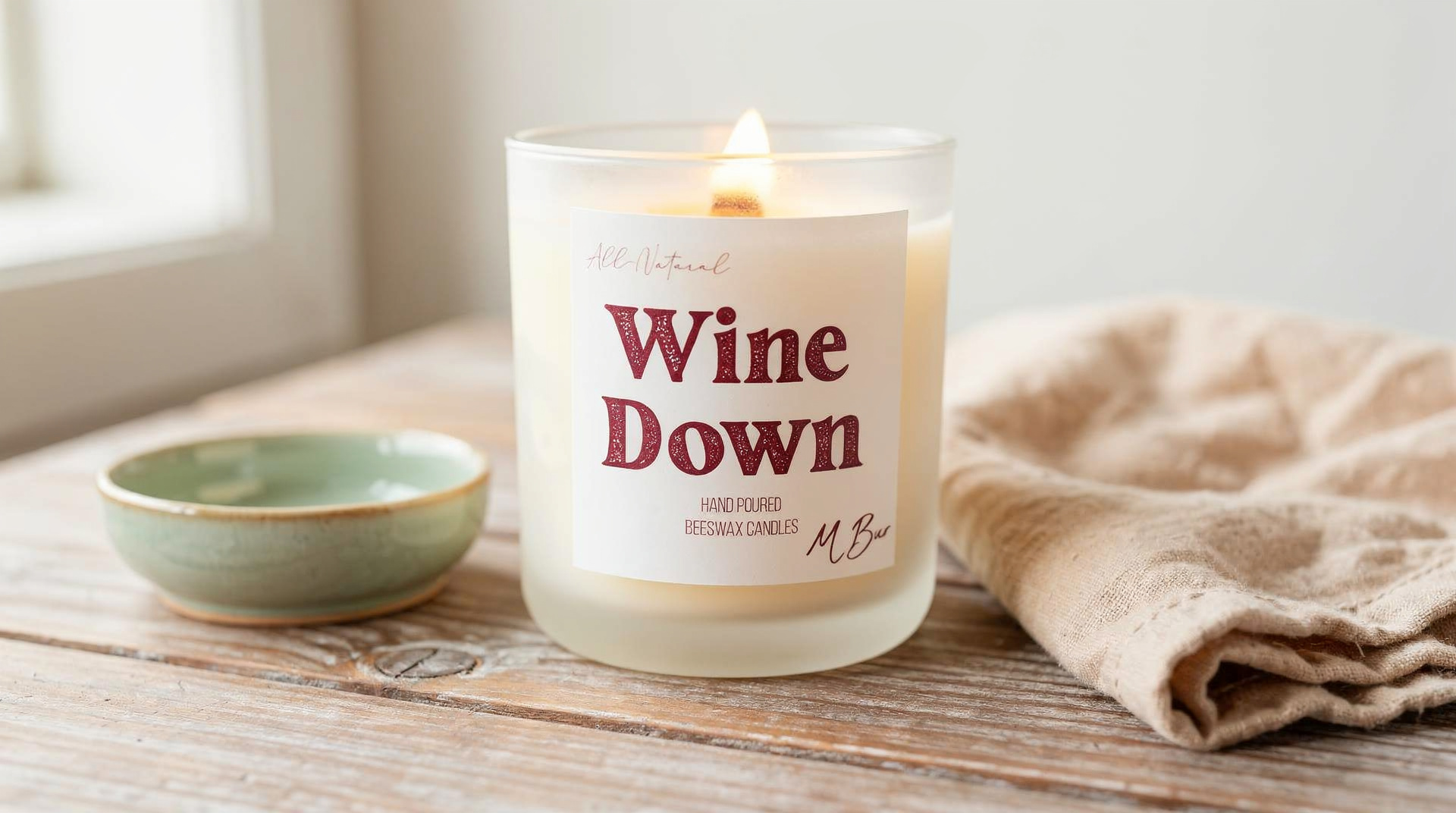
If you are ready to test the difference yourself, the Wine Down beeswax candle (starting at $20 for the 20 hour size) is a strong starting point for sensitive individuals. Lavender, chamomile, sage, cedar, and sandalwood, clean enough to burn for two hours in a bedroom without anyone waking up congested.
Browse the full collection of pure beeswax candles at MBur Candle Co.
What buyers say:
Related reading:

