

The Truth About Yankee Candles: Are They Really Bad for You?
If your favorite Yankee Candle leaves you with a dull headache after an hour of burning, the fragrance is probably not the whole story. The bigger issue is what the wax is made of and what the word "fragrance" on the label is allowed to hide. Once you understand both, the headaches stop feeling like a mystery.
This comes up a lot from people who genuinely love scented candles and cannot figure out why the pretty jar on the shelf makes them feel off. The good news is you do not have to give up candles. You just have to know what to look for, and there are cleaner options waiting in our full beeswax candle collection.

First, are Yankee Candles actually dangerous?
Let us be fair before we get critical. Yankee Candle says its products meet regional safety standards and are non hazardous when burned as directed, and that is a reasonable claim. Nobody is getting acutely poisoned by lighting one in a ventilated living room.
The lead wick rumor is also outdated. The U.S. Consumer Product Safety Commission banned lead core wicks back in 2003, so modern mass market candles use cotton or blended natural fibers. If you have heard that Yankee wicks contain lead, that has not been true in over two decades.
So the honest answer to "are Yankee Candles bad for you" is: they are not going to send you to the hospital, but they can absolutely lower your indoor air quality and make sensitive people miserable. That is a real problem worth solving.
Why the headaches happen: paraffin wax
Classic Yankee jar candles are made from a premium grade paraffin wax blend. Paraffin is a petroleum byproduct, which is the same crude oil supply chain your gasoline comes from. When you burn it, it does not just melt and disappear.
Burning paraffin releases volatile organic compounds, including trace amounts of benzene and toluene, along with fine particulate soot. Those are the emissions the science is concerned about. The Cleveland Clinic notes that burning any candle puts fine particulate matter and VOCs into your air, and for people with asthma, allergies, or a tendency toward migraines, that is often enough to trigger symptoms.
That black ring you see building up on the inside of the glass jar is the visible evidence. Soot on the glass means soot in your air, and by extension, in your lungs.

The fragrance loophole nobody explains
Here is the part that frustrates me most. Yankee Candle lists its scent blends under one word: "fragrance." That is legal under current regulations, and plenty of brands do it. But that single word can legally stand in for dozens of undisclosed compounds, including phthalates and parabens.
This is why I never call these "synthetic fragrance," because that word sounds harmless and technical. The accurate term is toxic fragrance, and the reason it matters is that you cannot avoid what a company will not disclose. When the label just says "fragrance," you are trusting a proprietary formula you are not allowed to read.
A cleaner candle does the opposite. It uses non toxic, phthalate free fragrance and tells you what is actually in the scent, top note to base note. That transparency is the whole ballgame.
How paraffin, soy, and beeswax really compare
| Factor | Paraffin | Soy | Beeswax |
|---|---|---|---|
| Source | Petroleum byproduct | Soybeans (often blended with paraffin) | Naturally occurring, byproduct of honey production |
| Emissions when burned | VOCs like benzene and toluene, plus soot | Cleaner than paraffin, but blends reintroduce paraffin issues | Cleanest burn, minimal soot, no chemical processing |
| Fragrance | Often undisclosed "fragrance" | Varies, can use toxic fragrance oils | Best when paired with phthalate free fragrance |
| Burn time | Shorter, lower melting point | Moderate | Longest, highest melting point |
The catch with soy is that a lot of "soy candles" are actually soy paraffin blends, so you can think you upgraded and still be burning petroleum. Beeswax is the one wax that is naturally occurring, needs no chemical processing, and has been used for candles since roughly 5,000 BCE.
What actually irritates people, and what does not
The problem is ingredient specific, not candle category wide. If you narrow it down, the real irritants in a mass market jar candle are usually these four things.
- Toxic fragrance containing phthalates and parabens hidden under the word "fragrance"
- Paraffin soot, the particulate matter that leaves that black ring on the glass
- Chemical dyes used to color the wax
- Poor combustion from an untrimmed wick, which cranks up the smoke and soot
Notice that none of those are inherent to candles as a concept. They are choices a manufacturer makes. Change the choices, and you change your experience.
"I love these candles. No headache or feeling nauseous like the Bath and Body candles with all the extra chemicals. In addition, I love the package and how carefully everything was wrapped." Jason H.
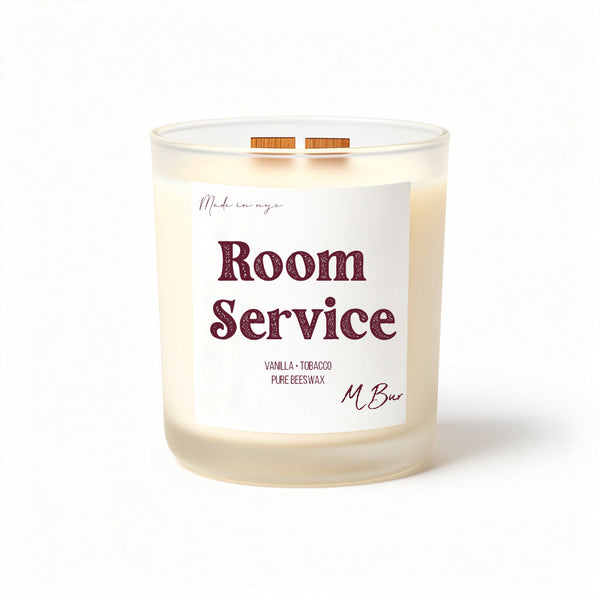
Jason is describing exactly the swap we are talking about. He noticed the difference in air quality the moment he stopped burning the mass market stuff. That is our Room Service candle, which layers saffron, white tea leaves, purple peonies, orchid, tobacco, vanilla, almond milk, and tonka bean. It is the closest thing to walking into a five star hotel lobby without leaving your couch.
Your checklist for a candle that will not fight back
If you want to keep enjoying candles without the headache, use this list next time you shop. A genuinely clean candle checks every box.
- 100% single ingredient wax, not a paraffin blend. Beeswax is the cleanest.
- Non toxic, phthalate free fragrance with the actual notes disclosed
- No chemical dyes in the wax
- A natural wick, cotton or wood, with no metal core
- Made in small batches by people who will tell you what is in it
Every MBur candle checks all five. We use 100% beeswax, wooden wicks that crackle and burn evenly, phthalate free fragrance, and no chemical dyes, all handmade in New York City. Beeswax also happens to have the highest melting point of any candle wax, which is why our candles run up to 80 hours of burn time, far longer than a comparable paraffin jar.
If you are new to clean candles and want something gentle to start with, Wine Down is a soft, calming blend of lavender, chamomile, sage, rosemary, camphor, cedar, and sandalwood. One reviewer named Nicole put it better than I can:
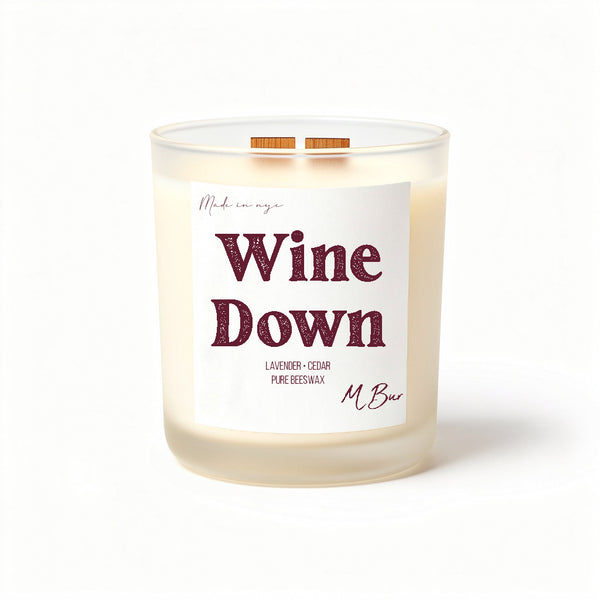
"A lot of other candles tend to give me headaches, but this one was a total game changer. I was able to enjoy the calming aroma without any discomfort. Highly recommend if you are sensitive to strong scents but still want something that smells amazing."
How to burn any candle more safely
Whatever candle you end up with, a few habits dramatically cut down on soot and irritation.
Trim the wick to a quarter inch before every single burn. A long or mushrooming wick is the number one cause of smoke and that black ring on the glass.
Never burn for more than four hours at a stretch, and give the room some airflow. VOCs and particulate matter accumulate fastest in tiny, sealed spaces, so a windowless bathroom is the worst case scenario.
If you or someone in your home has asthma, is pregnant, or is caring for an infant, follow your doctor's guidance on candle use. A cleaner burn is less likely to irritate, but medical advice always comes first.
Frequently asked questions
Are Yankee Candles made of paraffin wax?
Yes. Classic Yankee jar candles use a refined paraffin wax blend derived from petroleum. If you want to skip petroleum wax entirely, browse our beeswax candle collection, which is made from a single naturally occurring wax.
Do Yankee Candles release toxic chemicals into the air?
When burned, paraffin candles emit trace amounts of VOCs like benzene and toluene, plus particulate soot. That is why the glass jar develops a black ring over time. A pure beeswax candle burns far cleaner with minimal soot.
Can burning candles cause headaches or allergies?
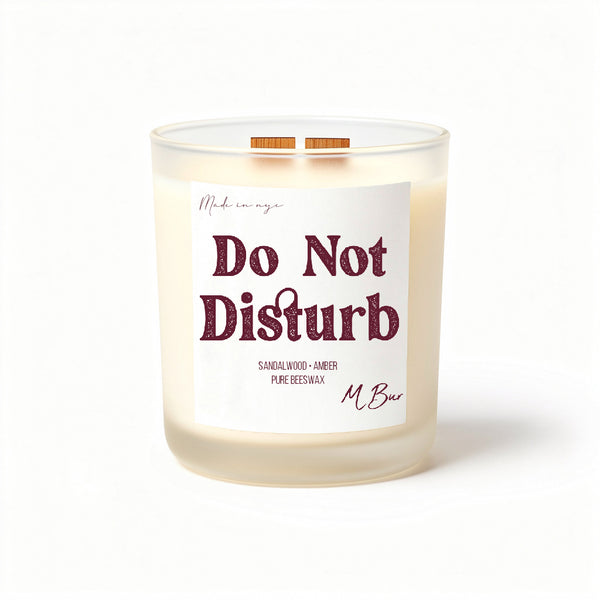
Yes. Heavy toxic fragrance oils and soot can trigger headaches, sneezing, or airway irritation in sensitive people. Many of our customers switched specifically because the mass market candles gave them headaches, and a phthalate free option like Do Not Disturb, with its bergamot and pear profile, solved it.
Are Yankee Candles safe to use at all?
Under normal, well ventilated conditions, health agencies note they do not pose an acute systemic toxicity risk, though they do lower indoor air quality. Trim your wick, ventilate the room, and cap burns at four hours. Or upgrade to a cleaner wax to avoid the tradeoff entirely.
What is the cleanest type of candle I can buy?
100% beeswax with a wooden wick and phthalate free fragrance. It skips the petroleum, the metal core wicks, and the chemical dyes. You can compare the whole lineup in our full beeswax candle collection.

The bottom line
Yankee Candles will not poison you, but the paraffin wax and undisclosed fragrance are a legitimate reason they leave sensitive people with headaches and lower your air quality. The fix is simple: choose a single ingredient wax with disclosed, phthalate free scent and a natural wick. Our top pick to start with is Room Service, a bestseller for a reason, but the whole collection checks every clean candle box.
MBur candles are hand poured in New York City and have earned dozens of five star reviews from people who finally found a candle that does not fight back. If Yankee Candles have been giving you grief, this is the swap to make.
Explore the full MBur beeswax candle collection here.
Related reading

