

The Truth About Bath and Body Works: Are Their Candles Really Toxic?
If a Bath and Body Works candle leaves you with a dull headache halfway through movie night, the wax is the more likely culprit than the scent itself. Most of their traditional three wick candles are built on a blend that includes petroleum derived paraffin, and burning paraffin can put volatile organic compounds like benzene and toluene into the air you are breathing. That is a real thing worth understanding, not a scare tactic. So before you toss every candle in your house, let me walk you through what is actually going on, why sensitive people react, and how to keep the cozy without the fine print.
If you have been chasing a cleaner option, our full beeswax candle collection is a good place to see what a single ingredient wax looks like in practice.

The problem, named plainly
Bath and Body Works makes candles that smell incredible and sell by the millions, so it is fair to assume they are heavily regulated and emissions tested. They are not. The US candle industry runs with very little federal oversight, and no federal agency requires pre market emission testing before a candle hits the shelf.
That matters because two things are stacked together in a typical mass market candle: a paraffin heavy wax and a fragrance formula you cannot fully read. Neither is disclosed in a way that lets you make an informed call at the register.
Why paraffin can be a problem
Paraffin is a petroleum byproduct. When it burns, it can release VOCs including benzene and toluene along with fine soot particles. Air quality specialists point out that occasional use in a well ventilated room is generally tolerated fine by healthy adults. The trouble shows up with frequency and small spaces.
Think about where people actually burn these candles. A closed bathroom. A bedroom with the door shut. A studio apartment with one window. Burn a couple of heavily scented paraffin candles in a room like that, night after night, and you are compounding indoor particulate exposure in exactly the place you sleep.
For a deeper look at the medical side of this, the NIH hosts an open review on the topic worth reading: The Unknown Risks of Scented Candles.
The word "fragrance" is doing a lot of hiding
Here is the part that surprises most people. Fragrance formulas are protected as trade secrets, so a label can list a single "fragrance" and legally bundle dozens, sometimes hundreds, of individual compounds underneath it. Estimates put the number of chemicals that can hide under that umbrella term in the thousands.
Some of those compounds are phthalates, which independent consumer health advocates like the Environmental Working Group have flagged for years. You are not reading a full ingredient list. You are reading a marketing name.
This is why so many candle headaches trace back to the fragrance load, not any single scent. Your body is reacting to a mix it cannot identify, and neither can you.

A quick word on the scary internet screenshots
You may have seen viral posts using industrial Safety Data Sheets to "prove" a Bath and Body Works product is poison. Those SDS documents exist for workplace bulk handling and transport of raw materials, not for someone lighting one candle in their living room. Treating an industrial handling sheet as proof of acute home poisoning is a genuine misread. The real, defensible concerns are simpler: paraffin combustion byproducts, undisclosed fragrance chemicals, and poor burn habits in small rooms.
How the waxes actually compare
| Wax type | Source | Burn characteristics | Common concerns |
|---|---|---|---|
| Paraffin | Petroleum byproduct | Fast, hot, more soot | Releases VOCs like benzene and toluene |
| Soy blend | Soybeans, often blended with paraffin | Cleaner than pure paraffin | Frequently blended, may carry toxic fragrance |
| Beeswax | Byproduct of honey production | Slow, longest burn, minimal soot | Naturally occurring, no chemical processing |
Beeswax is the oldest candle material humans have used, going back roughly 5,000 BCE, and it has the highest melting point of the three, which is why it burns so much longer. Single ingredient wax means there is nothing to hide behind.
The real risk factors, in order
The problem is ingredient specific, so treat it that way. The things actually worth avoiding are toxic fragrances carrying phthalates and parabens, metal core wicks, heavy paraffin soot, and chemical dyes. A candle that skips all four is a completely different experience for a sensitive person.
If you live with asthma, chronic migraines, or any respiratory condition, follow your doctor's guidance on what you keep in your home. A cleaner candle is less likely to irritate, and that is the honest ceiling on the claim. No candle treats or manages a medical condition.
The solution: a checklist for a clean candle
Here is what to look for so you never have to squint at a label again:
- Single ingredient wax, ideally 100 percent beeswax, not a "beeswax blend"
- Phthalate free, non toxic fragrance
- No chemical dyes
- A wooden or cotton wick with no metal core
- Made in small batches so you can actually trace who made it
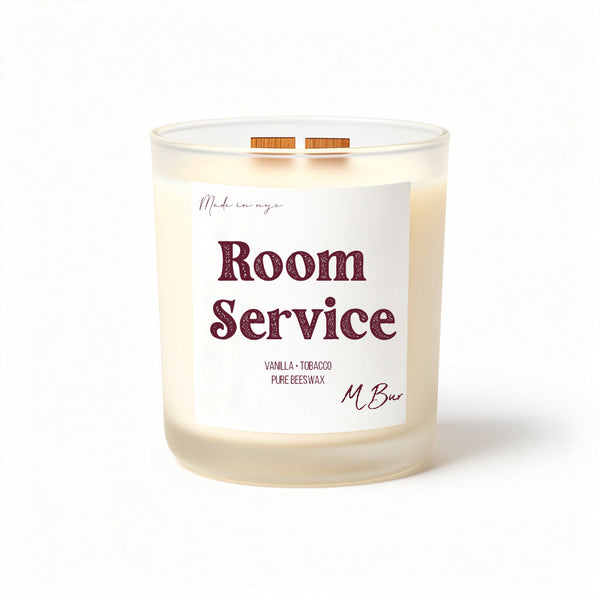
MBur checks every one of those boxes. Everything is 100 percent beeswax with a crackling wooden wick, phthalate free fragrance, no dyes, and it is handmade in New York City. The wax burns up to 80 hours in the largest size, which is the longest of any candle wax thanks to that high melting point. If you want an easy first pick, Wine Down was made for exactly the wind down moment where a paraffin candle would usually leave you with a headache.
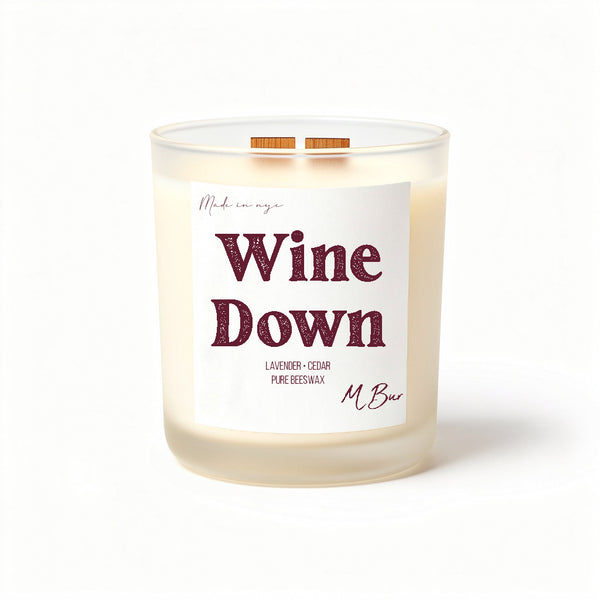
"Absolutely loved the Wine Down candle! The scent is so light and clean, not overpowering at all, which is exactly what I look for. A lot of other candles tend to give me headaches, but this one was a total game changer. I was able to enjoy the calming aroma without any discomfort." Nicole D.
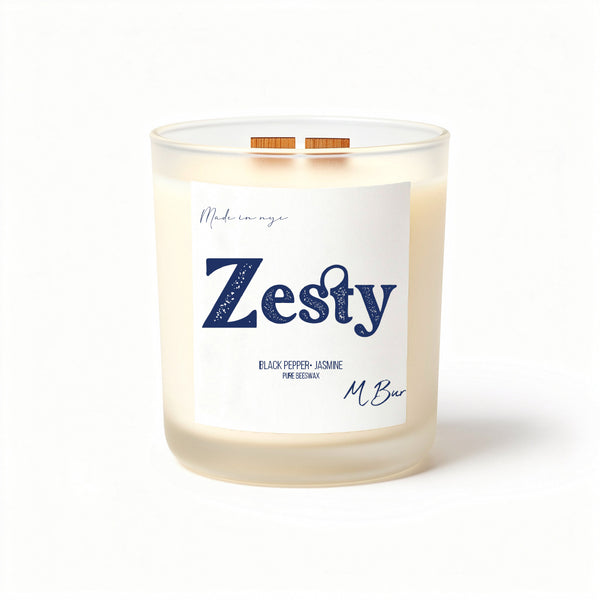
That review lines up with what a lot of switchers report. Another customer, Jason H., wrote that he loves Bath and Body Works candles but noticed they caused "a slight headache and other minor respiratory discomfort," and that the difference in air quality with beeswax was immediate. If bright citrus is more your speed, Zesty gives you the same lift without the fragrance load.

Practical tips no matter what you burn
Even a clean candle burns better with good habits, and these cut soot and irritation for any candle you own:
- Trim the wick to about a quarter inch before every burn
- Keep sessions to around four hours, then let it rest
- Crack a window or door so the room stays ventilated
- Keep debris out of the melt pool so it burns evenly
Ventilation is the single biggest thing most people skip. A closed bathroom with a wall refill running all day is the worst case setup for indoor air, regardless of brand.
The takeaway
Bath and Body Works candles are not going to poison you from one movie night, and the SDS panic posts overstate it. The legitimate issue is paraffin combustion plus an unreadable fragrance label, and it hits sensitive people hardest in small rooms. Switch to a single ingredient beeswax candle with phthalate free fragrance and most of that fine print disappears. With 57 reviews and a run of five star switchers who used to get headaches, our full beeswax candle collection is the simplest place to find your first clean candle.
Related reading

