

Sinus Issues and Scented Candles: How to Still Burn Without the Pain
Sinus Issues and Scented Candles: How to Still Burn Without the Pain
You light a candle. Within twenty minutes your nose is running, your head feels like it is being squeezed in a vice, and your eyes are watering. You blow it out, spend the next hour recovering, and quietly decide candles just are not for you.
Here is the thing: candles are not the problem. The ingredients inside most candles are the problem. There is a very real difference between a candle that triggers sinus inflammation and one that does not, and it comes down to exactly what is burning in your space.
By the end of this post, you will know what is actually causing the pain, which ingredients to avoid completely, and how to find candles that fill a room with scent without making you regret owning a nose. If you want to skip straight to the picks, our best candles to burn for allergies roundup has you covered.
Your Sinuses Are Not Being Dramatic
If scented candles make your sinuses flare, you are not imagining it and you are not being oversensitive. The reaction is real, it is measurable, and there is published science behind it.
A study published in Environmental Health Perspectives identified paraffin candles as a source of indoor volatile organic compounds, including benzene, toluene, and formaldehyde. These are the same chemicals you would find in paint thinner and car exhaust. Burning them in an enclosed room and then breathing the air for an hour is, predictably, not great for your airways.
The Cleveland Clinic has also noted that scented products, particularly those with strong chemical fragrances, are a common trigger for nonallergic rhinitis, which is basically chronic sinus inflammation without an identifiable allergen. Your immune system is not technically reacting to an allergen. The chemical compounds in the air are directly irritating the mucous membranes in your nasal passages.
So when your head throbs after burning a candle from a big box store, that is not a sensitivity issue. That is your body correctly identifying that something irritating is in the air and responding accordingly.
What Is Actually Triggering the Reaction
Not all candle ingredients are equal when it comes to sinus irritation. The culprits are specific, and knowing them makes it a lot easier to shop around them.
Paraffin Wax
Paraffin is a petroleum byproduct. Full stop. It is what is left over after crude oil is refined into gasoline and other fuels. When it burns, it releases a cocktail of volatile organic compounds and fine particulate matter that sits in the air and gets inhaled directly into your airways.
For people with sinus sensitivity, this is the single biggest trigger. The soot from paraffin is ultrafine black carbon that can penetrate deep into the nasal passages and respiratory tract. Most mass market candles, including the beloved three wick giants from Bath and Body Works, are paraffin based.
Toxic Fragrance
This one catches a lot of people off guard. Even candles marketed as natural or clean can contain toxic fragrance oils loaded with phthalates, which are endocrine disruptors that also happen to be potent airway irritants. The fragrance industry is not required to disclose every compound used in a scent formulation, so "fragrance" on a label can mean hundreds of individual chemicals.
Phthalates in particular have been linked to respiratory irritation in multiple studies. If a candle does not explicitly state that its fragrance is phthalate free, assume it is not.
Chemical Dyes
The pretty pink or deep burgundy color in a candle is usually achieved with synthetic dyes that also combust when the candle burns. These add another layer of airborne compounds into your space. They serve zero functional purpose and exist purely for aesthetics.
Metal Core Wicks
Older candles, and some current ones from less scrupulous manufacturers, use wicks with metal cores for stability. Lead wicks were officially banned in the US in 2003, but zinc and tin core wicks are still used and still release metallic particulates when burned.
The Wax Breakdown: Which Burns Cleanest
Once you know paraffin is the primary villain, the logical question is what to burn instead. Here is how the main wax types actually compare.
| Wax Type | Source | VOC Emissions | Sinus Friendliness | Burn Time |
|---|---|---|---|---|
| Paraffin | Petroleum byproduct | High (benzene, toluene, formaldehyde) | Poor | Moderate |
| Soy | Soybean oil | Lower than paraffin, but often blended with paraffin | Moderate (depends on blend) | Moderate to good |
| Coconut | Coconut oil | Low | Good | Moderate |
| Beeswax | Honeybee byproduct | Minimal, no chemical processing required | Best | Longest (up to 80 hours) |
Soy sounds great on paper, but the reality is messier. The majority of soy candles on the market are not 100% soy. They are soy blends, which almost always include some percentage of paraffin to improve scent throw and lower cost. Unless a label says 100% soy, you are probably burning a blend.
Beeswax is the oldest candle material in human history, dating back roughly 5,000 years. It is a single ingredient wax that requires no chemical processing. It burns at the highest melting point of any candle wax, which produces a more complete combustion and dramatically less soot. For sinus sufferers, this matters a lot.
If you want to go deeper on how these two stack up, our beeswax vs soy candles breakdown covers the full comparison with sources.
What a Sinus Safe Candle Actually Looks Like
Now that you know what to avoid, here is what a candle should have if you want to burn without the aftermath.
- 100% pure wax with no blending, beeswax being the gold standard
- Phthalate free fragrance, explicitly stated on the product page or label
- No chemical dyes
- A wooden or cotton wick with no metal core
- Transparent ingredient disclosure from the brand
This is exactly where MBur Candle Co.'s 100% beeswax candle collection earns its place. Every candle is made with single ingredient beeswax, meaning no paraffin blending and no petroleum derivatives. The fragrance is phthalate free. There are no chemical dyes. The wicks are wooden, which means no metal core particulates and a genuinely cleaner burn with that soft crackling sound that does not require you to sacrifice your sinuses for ambiance.
They are also handmade in Queens, NY, which means a real human being is paying attention to every pour rather than a machine optimizing for volume.
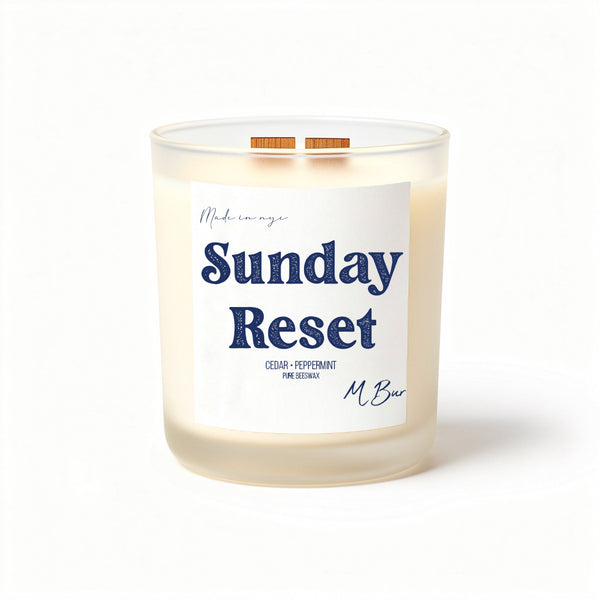
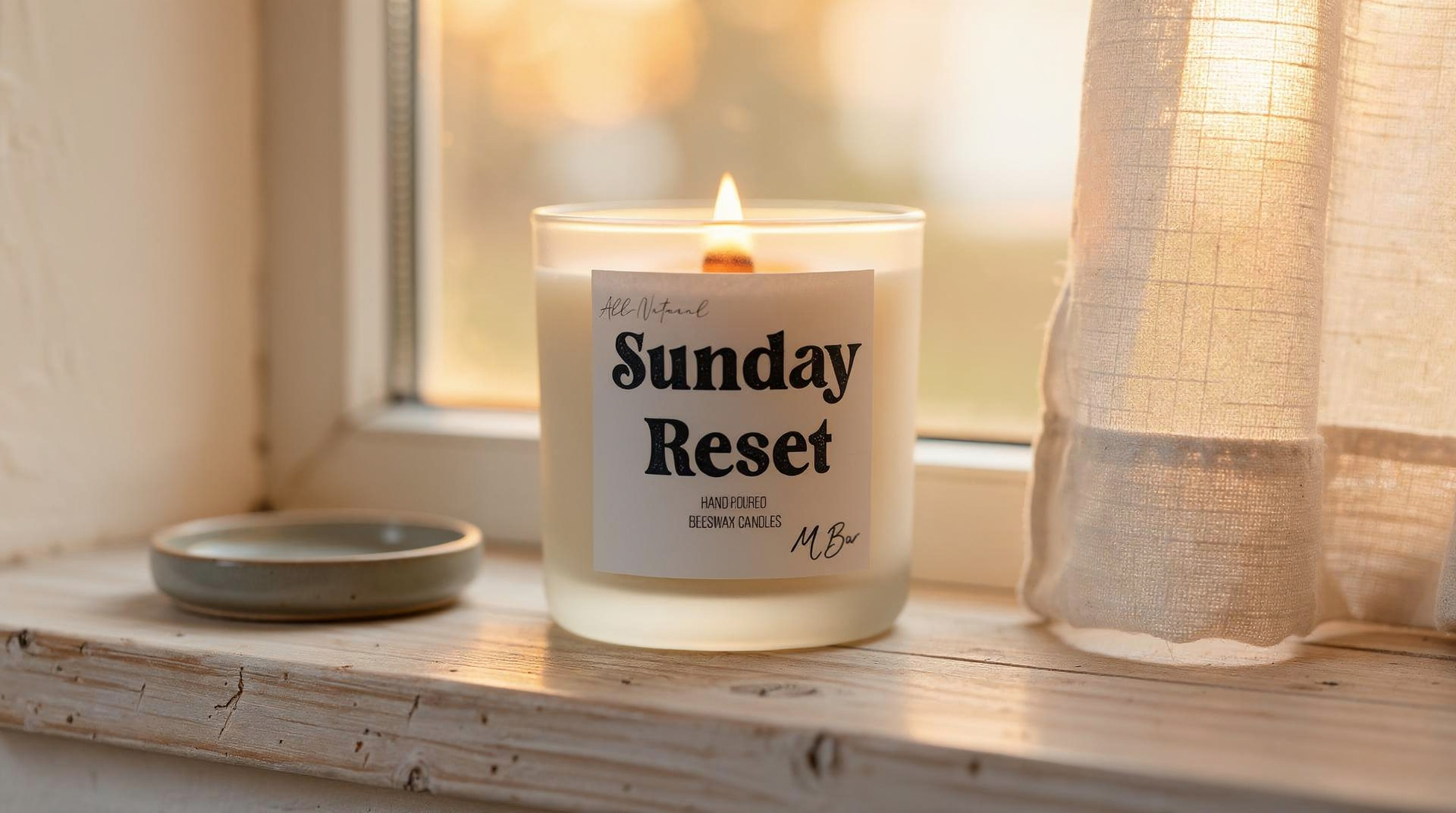
"I absolutely love these candles! I instantly notice the difference in the air quality, in comparison to the Bath and Body scented candles. I love Bath and Body's candles but I acknowledge that it caused a slight headache and other minor respiratory discomfort. Awesome products. Totally addicted." Jason H., Sunday Reset Candle
That is not marketing copy. That is someone who made the switch and felt the difference in real time.
The Scent Question: Do Clean Candles Actually Smell Good?
This is the concern that keeps sinus sufferers stuck burning nothing. The assumption is that if a candle is clean and non toxic, it must smell faint, flat, or vaguely like beeswax and sadness.
That assumption is wrong.
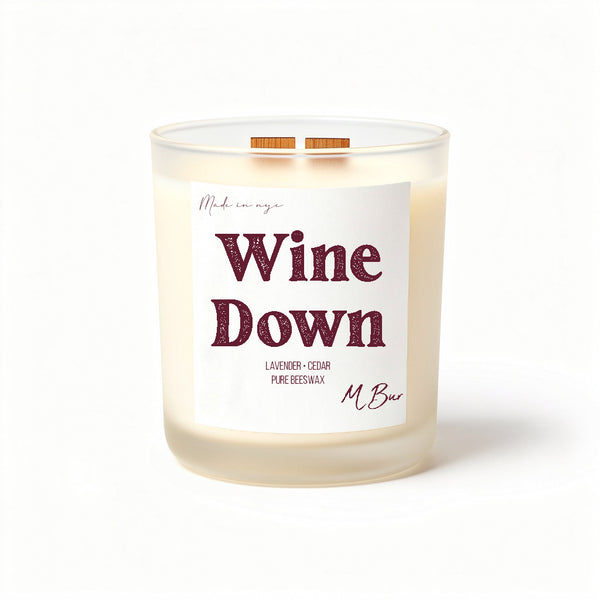
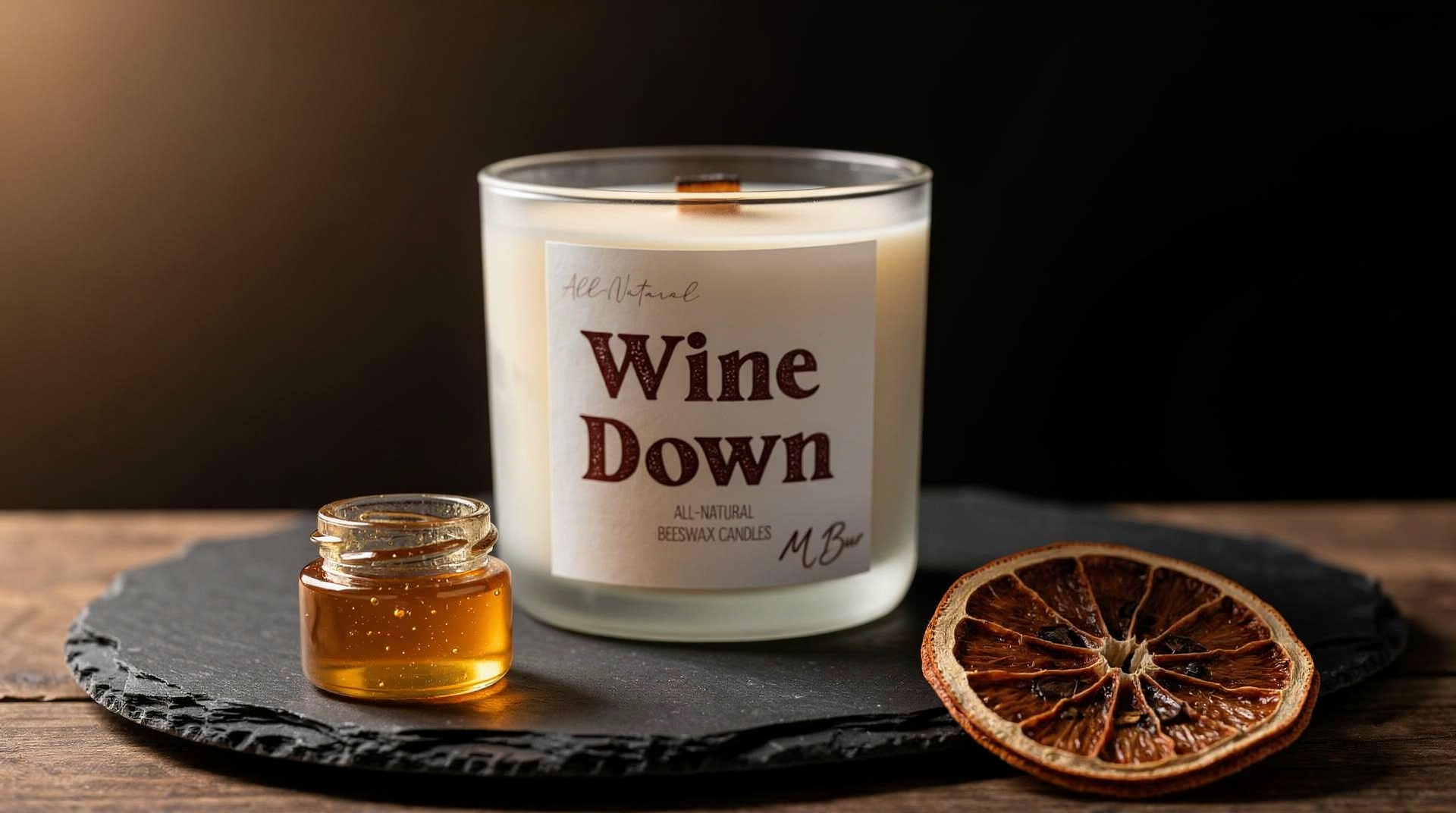
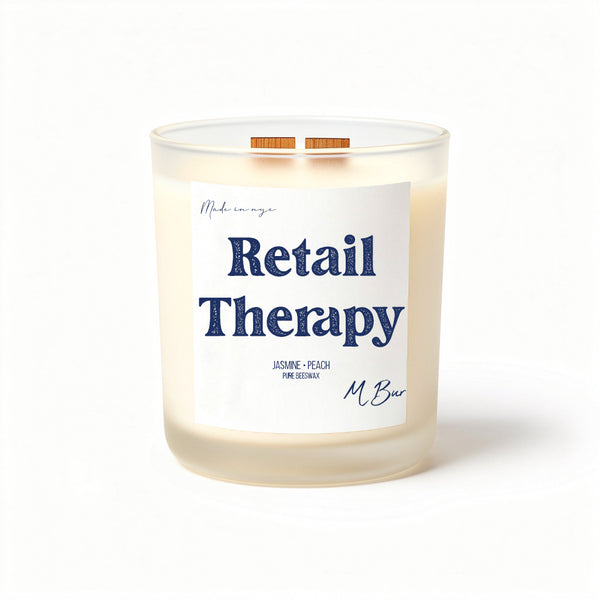
Phthalate free fragrance has come a long way. MBur's Wine Down beeswax candle (starting at $20 for the 20 hour size) uses fragrance notes of lavender, chamomile, and sage that are genuinely room filling without being weaponized. It is the kind of scent profile that works for sensitive noses precisely because it is not loaded with synthetic amplifiers.
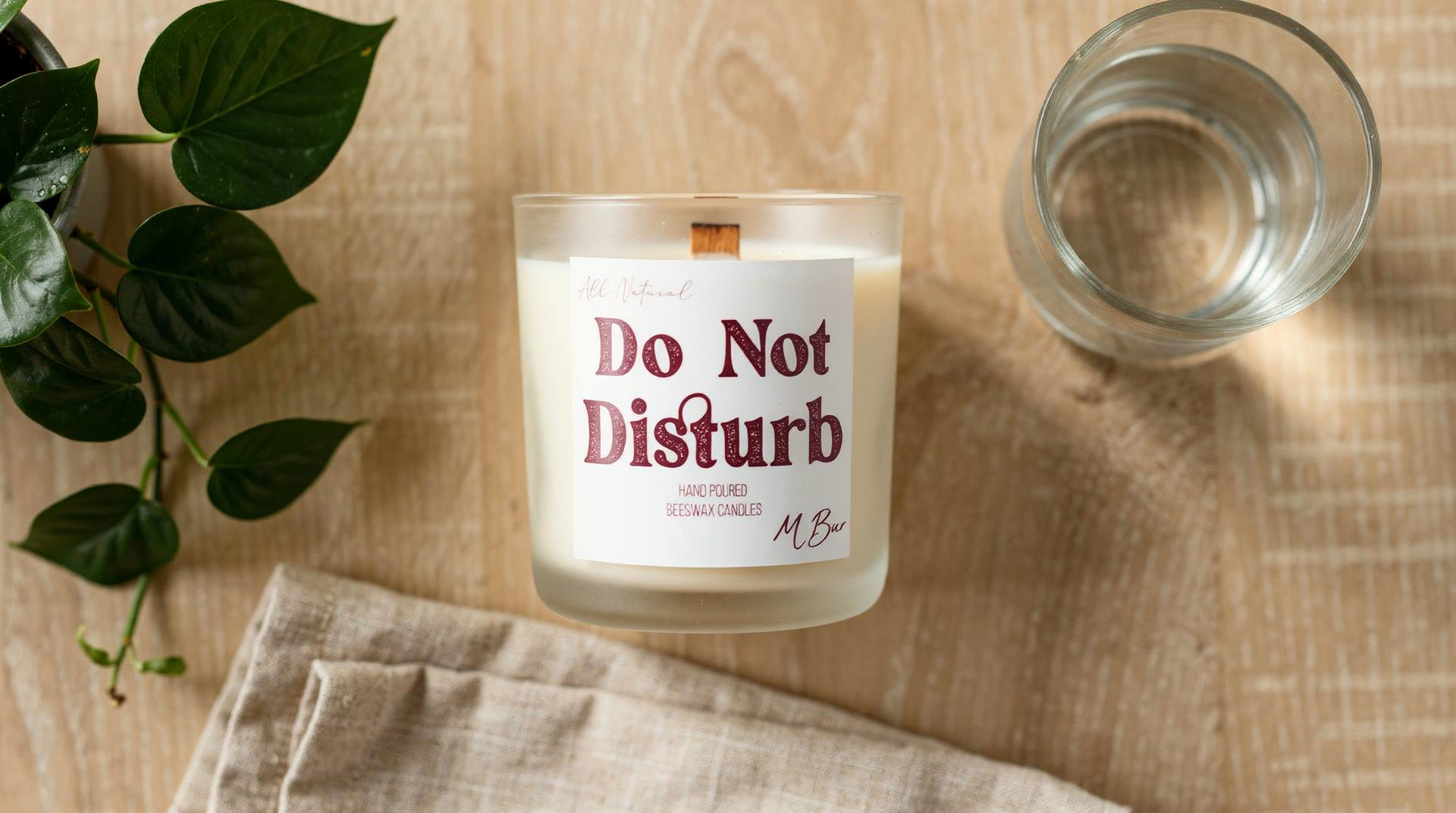
The Do Not Disturb beeswax candle (also starting at $20 for 20 hours) is another strong option for sinus sensitivity. The fragrance profile is floral and fresh without leaning into the sharp, synthetic brightness that tends to trigger reactions. One reviewer described it as "aromatherapy at its best" and noted it filled both a bedroom and bathroom without being overpowering.
If you want to test a few before committing to a full size, the MBur candle sample pack at $5 per sample lets you find your scent without gambling on a candle that ends up causing a reaction.
Frequently Asked Questions
Why do scented candles bother my sinuses but unscented ones do not?
The wax matters, but the fragrance compounds are often the more immediate trigger for sinus irritation. Toxic fragrance oils contain phthalates and other compounds that directly irritate nasal membranes. An unscented paraffin candle is still releasing VOCs, but the fragrance load adds a significant additional layer of airborne irritants. Switching to phthalate free fragrance in a clean wax makes a measurable difference.
Are soy candles actually better for sinus issues?
Sometimes, but not reliably. Most soy candles on the market are blended with paraffin, which means you are still burning petroleum derivatives. A true 100% soy candle is an improvement, but beeswax remains the cleanest burning option because it requires no chemical processing and produces minimal particulate matter. See our full beeswax vs soy comparison for the details.
How long should I burn a candle if I have sinus sensitivity?
Even with a clean burning candle, two to four hours in a burn session is a reasonable limit. Keep the room ventilated, meaning a slightly cracked window or door helps air circulate. Trim the wick before each burn to about a quarter inch to keep the flame at a controlled size and reduce any unnecessary particulate output.
Do beeswax candles actually smell like honey?
Pure unscented beeswax has a very faint, warm honey adjacent scent that most people find pleasant and completely non irritating. When fragrance is added, you smell the fragrance. MBur candles are available in a range of scent profiles from citrus to floral to fresh clean, so there is no shortage of options beyond the baseline beeswax note.
What is the best MBur candle for someone with sinus sensitivity?
Wine Down and Do Not Disturb are the two most commonly mentioned by customers who specifically note sinus and headache sensitivity. Both use soft, non aggressive fragrance profiles in a phthalate free formula on a 100% beeswax base. You can try both in sample size before buying a full candle.
Practical Tips for Burning Without the Aftermath
Even a clean candle benefits from smart burning habits, especially if your sinuses are on high alert.
Trim the wick before every burn. A wick longer than a quarter inch creates a bigger, less controlled flame that produces more soot and a stronger scent throw. Trimming keeps things even.
Ventilate the room slightly. You do not need a full open window. A slightly cracked door or window is enough to keep fresh air moving without canceling the scent entirely.
Limit sessions to two to four hours. This is good candle practice regardless of your sinuses. It prevents the wax from overheating and keeps the fragrance concentration in the room at a manageable level.
Start with a smaller size. MBur's 20 hour candles (starting at $20) are the right size for testing how your sinuses respond to a new scent before going all in on the 80 hour version.
Do not burn in a sealed room. A bathroom with the door closed and no ventilation concentrates everything. Give the scent somewhere to go.
The Bottom Line
Sinus issues and scented candles do not have to be mutually exclusive. The problem is almost never candles as a category. It is paraffin, toxic fragrance, chemical dyes, and metal wicks doing the damage. Swap those ingredients out and the reaction usually goes with them.
If you have been avoiding candles because of sinus pain, the Wine Down beeswax candle is the place to start. It is consistently the one our most sinus sensitive customers come back to, and it is made with exactly the ingredient profile that gives your airways a fighting chance.
Rated 5 stars by customers who made the switch from major candle brands and never looked back.
Try the Wine Down beeswax candle starting at $20 for 20 hours and find out what a candle that does not fight your sinuses actually feels like.
What buyers say:
Related Reading:

