

Candle Soot and Your Health: What It Is, Why It Happens, and How to Avoid It
Candle Soot and Your Health: What It Is, Why It Happens, and How to Avoid It
You notice it first on the wall behind your favorite candle. A thin, dark smudge climbing up the paint. Then you start to notice it on the jar itself. Then, eventually, somewhere in the back of your brain, you start wondering what exactly you have been breathing.
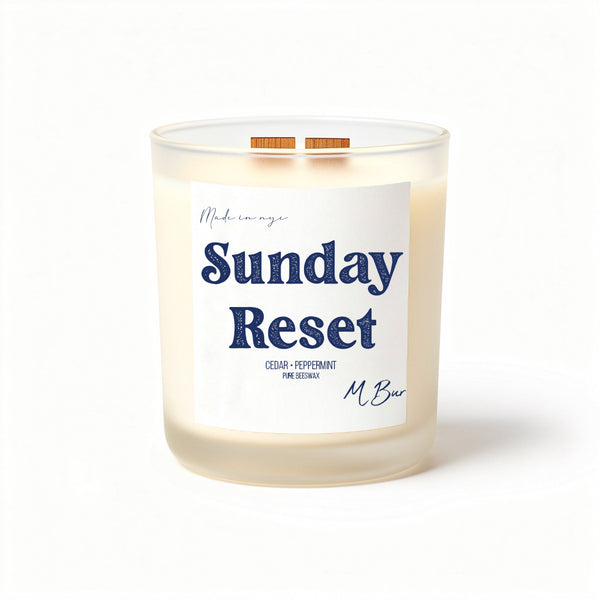
That black residue is candle soot. If you burn candles regularly, especially paraffin ones, it is worth understanding what it actually is, where it comes from, and what it is doing to the air inside your home. This guide covers all of it. By the end, you will know which candles produce the most soot, which produce almost none, and what to look for when buying candles if indoor air quality is something you actually care about.
If you want to skip straight to the verdict, our beeswax candles designed for allergy-sensitive homes are a good place to start. But read on for the full picture first.
What Candle Soot Actually Is
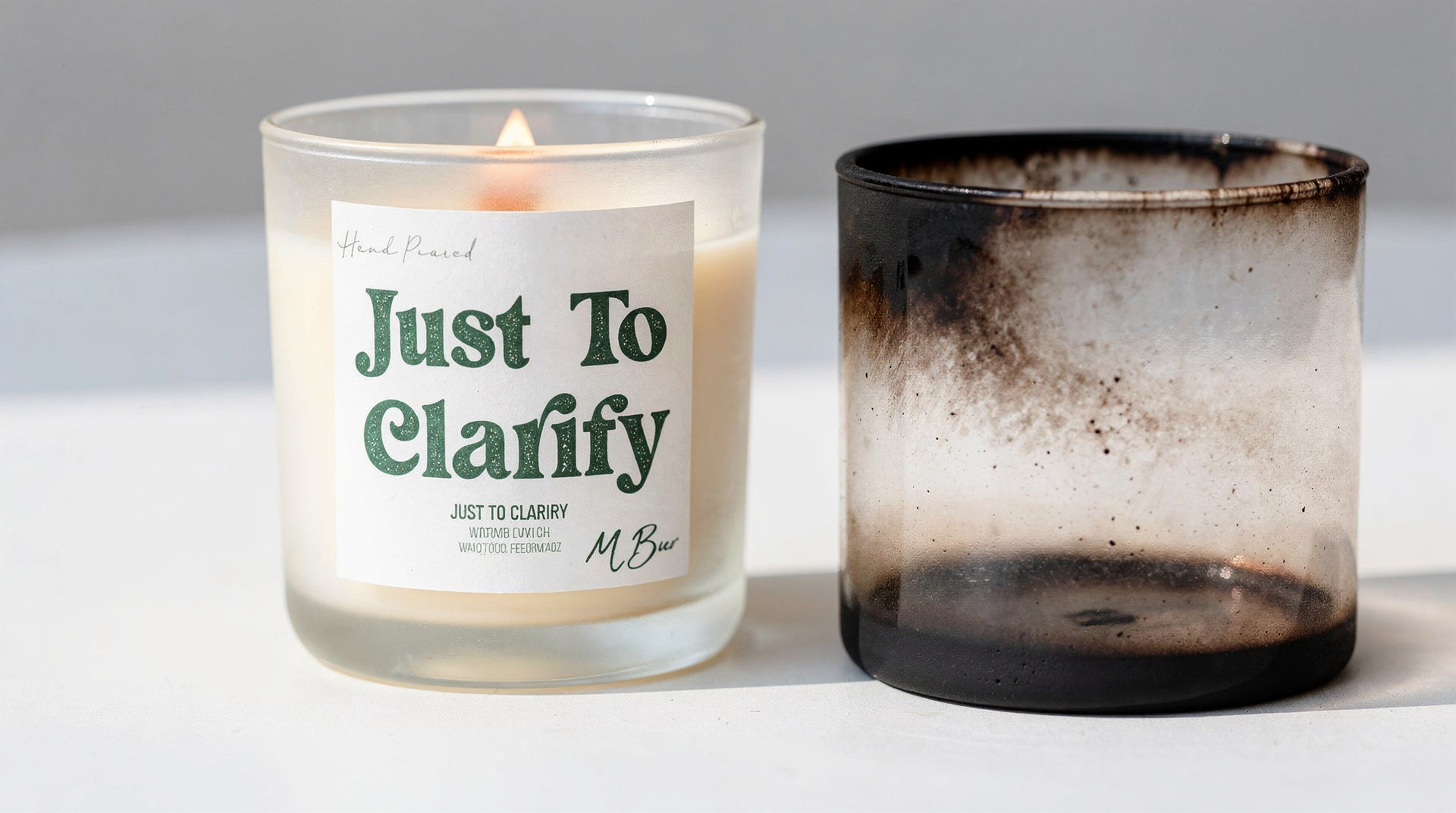
Soot is elemental carbon. When wax burns completely, the byproducts are water vapor and carbon dioxide. When combustion is incomplete, some of that carbon does not fully combust and escapes as tiny solid particles instead.
Those particles are small. Very small. Candle soot is classified as ultrafine particles and PM 2.5, meaning particles smaller than 2.5 micrometers in diameter. To put that in perspective, a human hair is roughly 70 micrometers wide. PM 2.5 particles are fine enough to bypass your nose and throat entirely, penetrate deep into your lungs, and in some cases enter your bloodstream.
The particle size is only part of the problem. The chemical makeup of paraffin candle soot is what makes researchers pay attention.
What Is Actually in Paraffin Candle Soot
Paraffin is a petroleum byproduct. It is refined from crude oil, and its molecular structure reflects that origin. When paraffin burns incompletely, the soot it releases can contain a range of compounds you would not want to inhale:
- Benzene: A known human carcinogen classified as such by the EPA.
- Toluene: A neurological toxin that can affect the central nervous system.
- Formaldehyde: A respiratory irritant and probable carcinogen.
- Polycyclic Aromatic Hydrocarbons (PAHs): Compounds linked to DNA damage and lung irritation.
Research from Danish researchers has found that particles from burning candles can cause measurable inflammatory and DNA-damaging effects in mouse lung tissue, with results in some experiments comparable to or exceeding equivalent doses of diesel exhaust fumes. That comparison is worth sitting with for a moment.
None of this means that lighting a candle once a week is going to cause serious harm. Context and exposure levels matter enormously. But if you are burning candles daily in a small, poorly ventilated space, the cumulative exposure is worth thinking about.
Why Soot Happens: The Real Causes
Soot is not random. It is a symptom of incomplete combustion, and incomplete combustion has specific, identifiable causes. Most of them are preventable.
1. The Wick Is Too Long
This is the most common cause. When a wick is longer than about a quarter of an inch, it creates a flame that is too large and unstable. The wax fuel gets drawn up faster than the available oxygen can combust it fully. The excess carbon has nowhere to go except into the air as soot.
Trim your wick to between an eighth and a quarter inch before every single lighting, not just the first one.
2. Drafts and Air Currents
A flickering flame is an incomplete combustion event happening in real time. Every flicker means the combustion rate is being disrupted. If your candle is near a fan, an open window, or a vent, you are generating more soot than you would in a still room.
Move the candle away from air sources, or close the vent. The change is immediate.
3. The Wax Type Itself
This is the variable that does not change no matter how well you maintain your wick. Paraffin has a complex carbon structure that is inherently harder to burn completely. Soot is essentially baked into its chemistry. You can minimize it with good wick maintenance, but you cannot eliminate it.
Plant-based and animal-derived waxes, including soy, coconut, and beeswax, have simpler molecular structures. They burn more completely and produce significantly less soot as a result. Beeswax in particular burns with such a high melting point that it tends to combust more efficiently than almost any other wax. That is part of why it is consistently recommended as one of the best candles for people with allergies and respiratory sensitivities.
4. High Fragrance Load with Toxic Fragrance
Candles loaded with toxic fragrance compounds can alter the combustion chemistry of the wax. High fragrance oil concentrations can saturate and partially clog the wick, causing incomplete burns. Phthalates and other chemical additives in low-quality fragrance blends contribute their own compounds to the soot output.
Non-toxic, phthalate-free fragrance burns cleaner. It is not just a marketing claim. The chemistry is different.
5. Burning Past Four Hours
After about four hours of continuous burning, carbon begins to accumulate at the tip of the wick. This creates what candle people call a mushroom cap, an enlarged, carbon-heavy wick head that produces an oversized flame and sends a stream of soot into the air.
Let the candle cool, trim the wick, then relight. That is the entire protocol.
The Wax Comparison: Paraffin vs. Soy vs. Beeswax
Not all candle soot is created equal. The wax type is the single biggest variable in how much soot a candle produces and what is in it.
| Wax Type | Source | Soot Level | VOC Output | Common Additives |
|---|---|---|---|---|
| Paraffin | Petroleum byproduct | High | High (benzene, toluene, formaldehyde) | Synthetic dyes, toxic fragrance, UV stabilizers |
| Soy | Soybean oil | Low to moderate | Lower than paraffin | Often blended with paraffin; may contain toxic fragrance |
| Coconut | Coconut oil | Low | Very low | Typically clean; check for paraffin blending |
| Beeswax | Honeybee byproduct | Very low to near zero | Negligible | None required when 100% pure |
The soy caveat is important. A candle marketed as soy is not necessarily a soy candle. Industry labeling standards allow a blend that contains as little as 51 percent soy to be called a soy candle. The remaining 49 percent can be paraffin. Check the ingredient list, not just the label.
The Real Risk Factors: What Matters Most
When people ask whether candles are bad for indoor air quality, the answer depends almost entirely on these specific factors. Candle category alone is not the whole story.
Metal Core Wicks
Older candles and some budget imports still use wicks with metal cores, originally designed to keep the wick upright. Lead-core wicks were banned in the US in 2003, but zinc and tin core wicks are still legal. They burn hotter and produce more particulate matter. Cotton and wooden wicks are the cleaner options.
Synthetic Dyes
Color does not occur naturally in wax. Every dyed candle contains added chemicals that participate in combustion. Most are not tested for inhalation safety. If indoor air quality is a priority, dye-free candles are the straightforward choice.
Paraffin Soot Specifically
As covered above, paraffin soot carries a different chemical profile than soot from plant-based or beeswax candles. The comparison to diesel exhaust is extreme but it illustrates why the wax choice matters beyond just aesthetics.
Poor Ventilation
Burning any candle in a sealed, unventilated room increases particulate concentration. Even the cleanest beeswax candle adds some particles to the air. A cracked window or intermittent ventilation keeps air moving and concentration low.
"I absolutely love these candles! I instantly notice the difference in the air quality, in comparison to the Bath and Body scented candles. I love Bath and Body's candles but I acknowledge that it caused a slight headache and other minor respiratory discomfort. Awesome products. Totally addicted." Jason H., verified purchaser
Jason is not alone. The pattern where people notice a real physical difference after switching from paraffin to beeswax comes up consistently in our reviews. It is anecdotal, and it points in a clear direction.
Your Buying Guide: What to Look For in a Soot-Free Candle
Here is the checklist. A genuinely clean-burning candle should hit every one of these points.
Checklist: Clean Candle Criteria
- 100% single-ingredient wax. Not a blend. Not "soy blend" or "natural blend."
- No paraffin anywhere in the wax. Read the ingredient list.
- Wooden or cotton wick. No metal-core wicks.
- Phthalate-free, non-toxic fragrance. Or no fragrance at all if you want zero additives.
- No synthetic dyes.
- Clear burn time information. A longer burn time often signals better wax quality and wick calibration.
Best Soot-Free Candles Worth Considering
Here are some options across different price points and profiles, including a few outside MBur, because an honest buying guide includes the full picture.
MBur Candle Co. (Best Overall Beeswax Option)
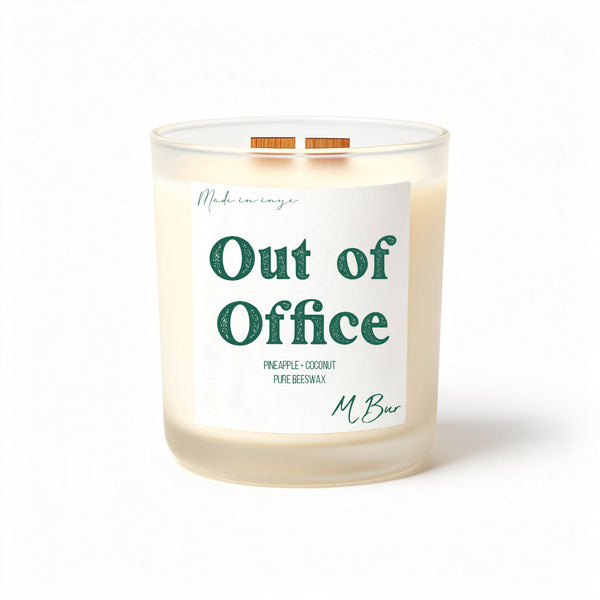
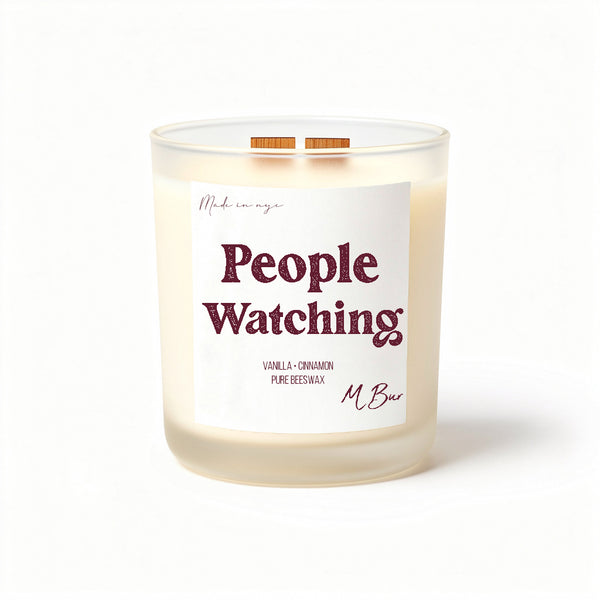
MBur uses 100% pure beeswax, no blends. The wicks are wooden, which burn cleanly without mushrooming the way cotton wicks can, and produce a soft crackle that makes the experience noticeably different. Fragrances are phthalate-free non-toxic fragrance oils. No synthetic dyes. Made by hand in Far Rockaway, Queens, NY.
The 80-hour burn time at $65 is a direct result of beeswax having the highest melting point of any candle wax. Higher melting point means slower, more complete combustion. Slower, more complete combustion means less soot.
If you want to try before committing to the largest size, the 20-hour size at $20 is the entry point across every scent in the line. The 40-hour at $25 is the per-hour sweet spot at $0.625/hour, which is the best value in the lineup if you burn candles regularly.
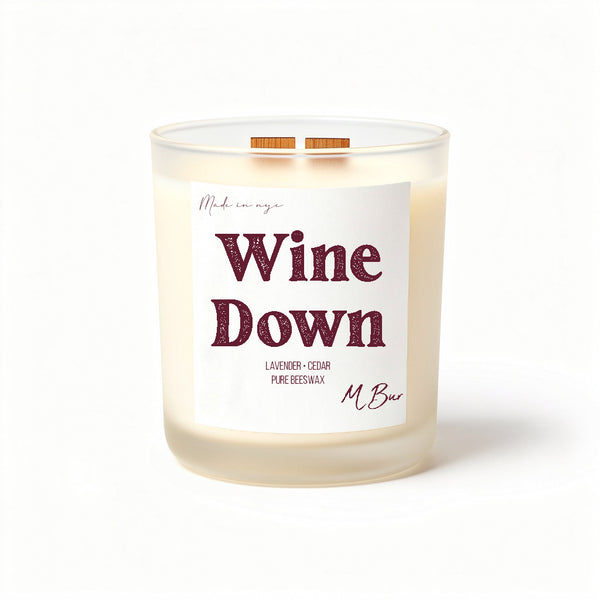
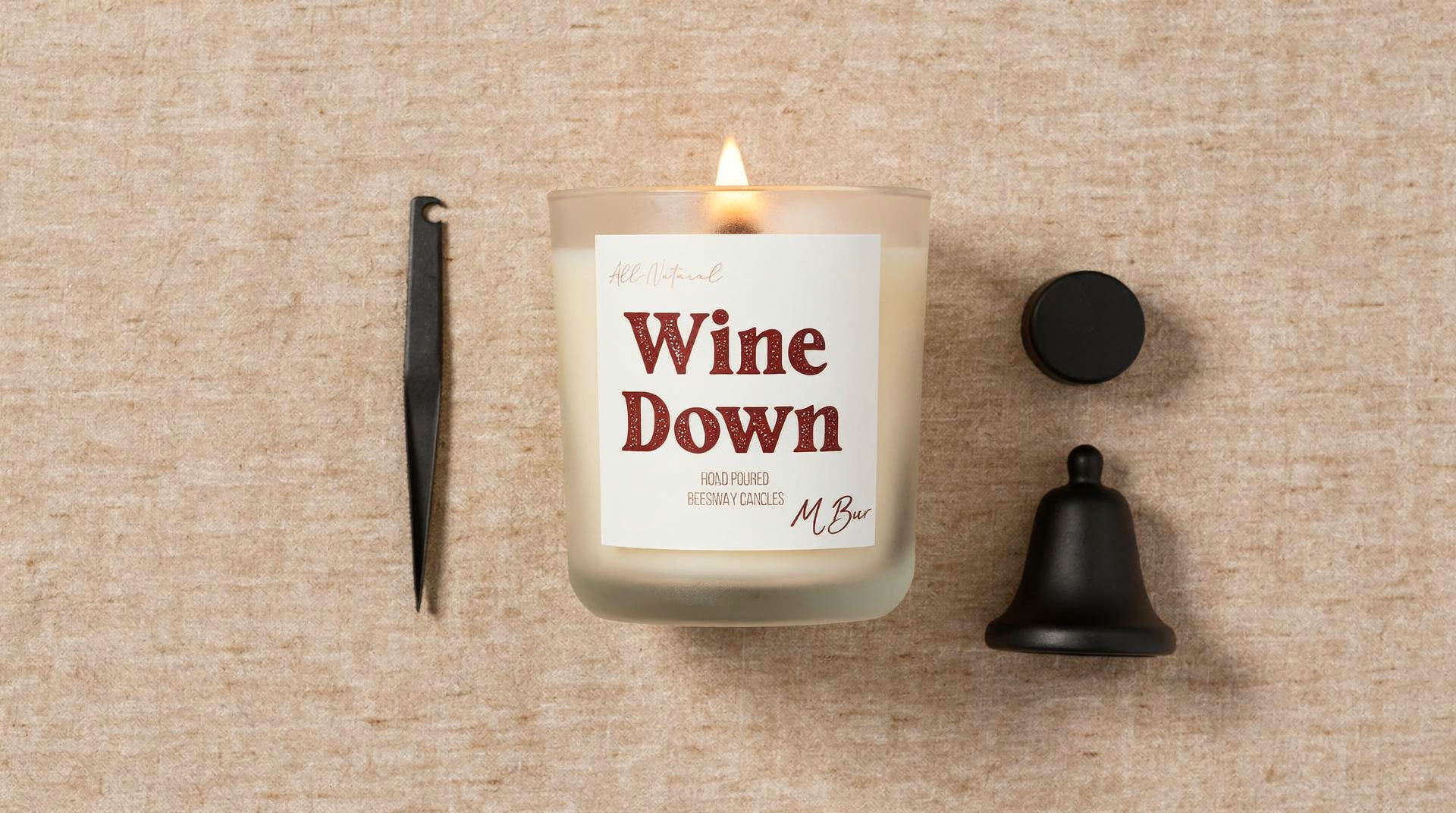
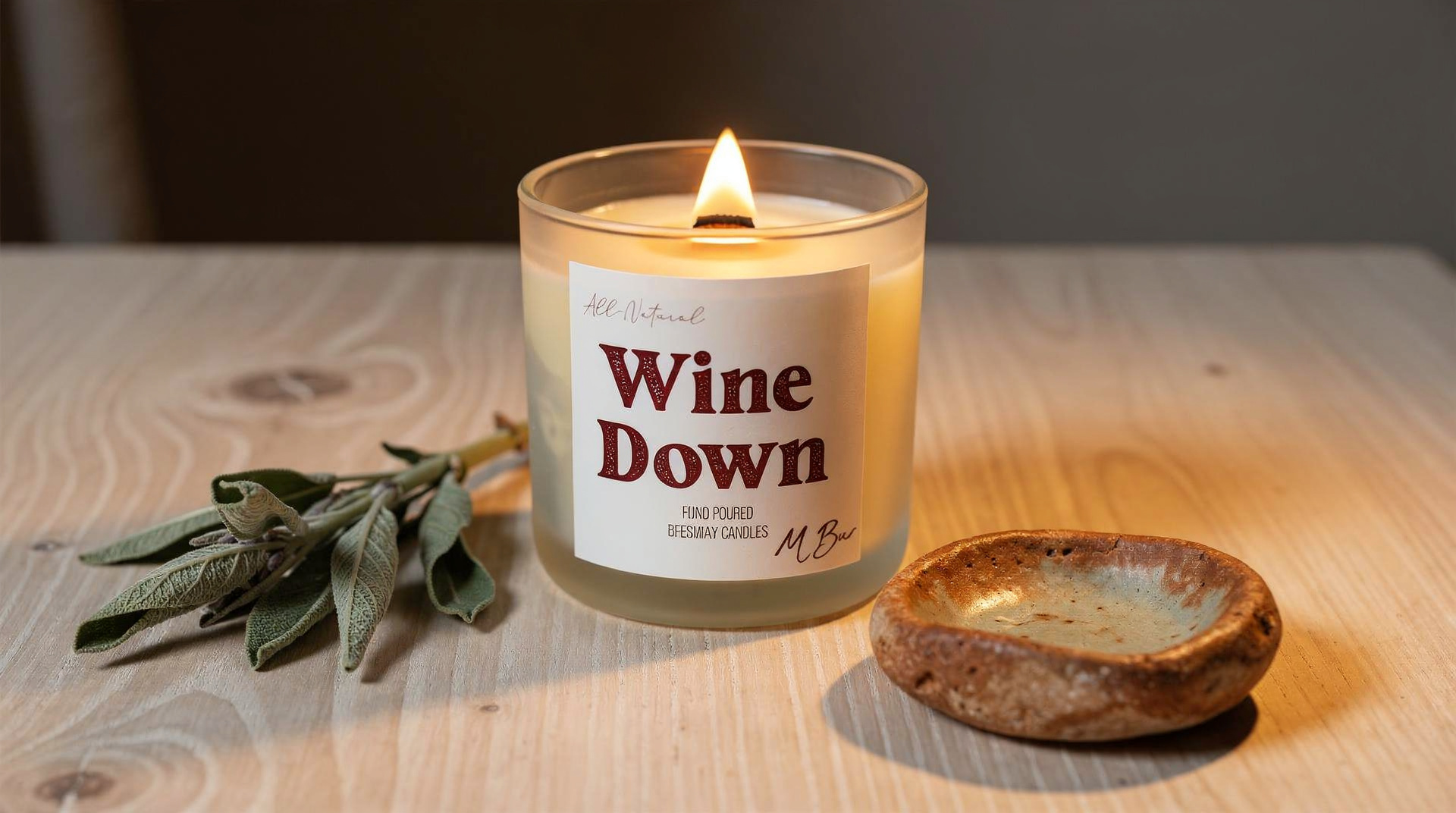
For something specifically designed around calm and low-sensory environments, the Wine Down beeswax candle (20-hour at $20, 40-hour at $25, 80-hour at $65) has lavender as a leading note and consistently comes up in reviews from people who are sensitive to stronger scents.
"Absolutely loved the Wine Down candle! The scent is so light and clean, not overpowering at all, which is exactly what I look for. A lot of other candles tend to give me headaches, but this one was a total game changer. I was able to enjoy the calming aroma without any discomfort." Nicole D., verified purchaser
Fontana Candle Co. (Best MADE SAFE Certified Option)
Fontana uses a beeswax and coconut oil blend with wooden wicks and essential oil scenting. Their candles carry MADE SAFE certification, which involves third-party ingredient screening. Prices range from roughly $15 for tins to $30 for glass jars. A solid option if certification matters to you and you want a verified third-party label to point to.
Grow Fragrance (Best Fully Transparent Plant-Based Option)
Grow Fragrance publishes every ingredient in their candles, which is still genuinely rare in this category. They are 100% plant-based, certified toxin-free, and priced around $34. No paraffin, no phthalates. Very low soot profile. The right pick if vegan certification is a requirement alongside clean burning.
Bluecorn Beeswax (Best Budget Beeswax Option)
If you want the cleanest possible burn profile at the lowest price, Bluecorn tapers (around $12 to $15 a pair) are the answer. Open taper candles have unobstructed airflow to the flame, which minimizes incomplete combustion almost by default. No jar, no tunneling, no oxygen restriction. Just clean beeswax burning the way beeswax is supposed to burn.
Frequently Asked Questions
How do I know if my candle is producing soot?
The most obvious sign is black residue on the inside of the jar, on the walls near where you burn the candle, or visible smoke when you blow it out. A clean-burning candle should have a steady, teardrop-shaped flame with no visible black smoke during the burn. If you see smoke while the candle is lit, the wick is too long, there is a draft, or the wax type itself is the issue.
Can candle soot actually hurt you?
The honest answer is: it depends on exposure level, frequency, and what type of candle you are burning. Occasional use of a paraffin candle in a ventilated room is unlikely to cause acute harm. Regular, daily burning of paraffin candles in enclosed spaces, particularly with poor ventilation, is a different conversation. The PM 2.5 particles released can penetrate deep into lung tissue, and the chemical compounds in paraffin soot are the same ones regulators flag in other combustion contexts. If respiratory sensitivity or air quality is a concern, switching wax type is the simplest intervention. Our guide to candles that burn cleanly for allergy-prone homes goes deeper on this.
Does beeswax really produce no soot?
Near-zero is more accurate than zero. Any candle burning improperly, with a long wick, in a draft, or past the four-hour mark, will produce some soot. What makes beeswax different is that its baseline soot output under normal conditions is dramatically lower than paraffin, and the chemical profile of what little it does release does not include the petroleum-derived compounds found in paraffin soot. Maintain the wick and you will rarely see any residue at all.
Is soy wax a good alternative to paraffin for reducing soot?
Yes, with caveats. Pure soy burns cleaner than paraffin and produces less soot under normal conditions. The problem is that most commercially available soy candles are not pure soy. They are paraffin blends that carry a soy label. If you want a soy candle that actually burns clean, you need to verify that the wax is 100% soy with no paraffin added. Even then, beeswax tends to outperform soy on soot output and burn efficiency. You can read the full breakdown in our beeswax vs. soy comparison.
What is the right way to put out a candle without creating a soot cloud?
Do not blow it out. Blowing sends a puff of ash and soot particles directly into the air. Use a wick dipper to bend the wick into the liquid wax and then straighten it back up, or use a bell snuffer that deprives the flame of oxygen without the air blast. Both methods extinguish the flame without the smoke event that blowing creates. The wick also stays primed for the next light. Our piece on candle snuffers and how to use them covers the tool options in detail.
The Practical Tips That Actually Make a Difference
The buying decision matters most. Even the right candle benefits from good habits.
Trim the wick before every light. An eighth to a quarter inch is the target. This single habit eliminates the most common cause of soot. A dedicated wick trimmer with a debris catch makes it easier and keeps the trimming out of the wax pool.
Keep burns under four hours. Carbon accumulates on the wick over time. After four hours, let the candle cool completely, trim the mushroom cap off the wick, and then relight. Your candle will burn cleaner and last longer.
Keep the flame still. Drafts are the enemy of complete combustion. Keep candles away from fans, vents, and open windows during burning.
Ventilate the room periodically. Even a clean-burning beeswax candle adds some particulate matter and CO2 to a sealed space. Open a window for a few minutes every hour or two. This keeps background air quality high regardless of what you are burning.
Snuff, do not blow. Use a snuffer or wick dipper. The smoke event from blowing out a candle is a genuinely unnecessary soot injection into the air you are about to breathe.
The Bottom Line
Candle soot is not inevitable. It is a symptom of specific, fixable problems: the wrong wax, a neglected wick, a drafty room, or burning past the point where the flame is still clean. Most of those problems are solved at the point of purchase.
Choose 100% beeswax with a wooden wick and phthalate-free fragrance, trim the wick before every light, burn for under four hours at a stretch, and extinguish with a snuffer. That covers most of what matters. The difference in what you see on your walls, and what you are breathing, is real.
MBur's Wine Down beeswax candle (starting at $20 for 20 hours of burn time) is the one we point people toward most often when clean burning and scent sensitivity are both part of the conversation. It hits every item on the clean candle checklist and consistently earns reviews from people who switched away from paraffin specifically because of how their body responded to it.
"I love these candles. No headache or feeling nauseous like the Bath and Body candles with all the extra chemicals. In addition, I love the package and how carefully everything was wrapped." Jason H., verified purchaser
If you want to try a few scents before committing to the largest size, the 20-hour size at $20 is the lowest-friction way to do it. Every scent in the line is available at that size. Pick two or three, burn them properly, and see what a soot-free candle actually looks and smells like in your space.
Start with the 20-hour Wine Down at $20, or browse the full collection at mburcandle.co.
What buyers say:
Related reading:

