

Safe Candles for Cats: How to Pick a Candle That Won't Harm Your Feline
Your cat's liver is missing an enzyme that yours has. That one biological difference is why the candle on your nightstand could be making your cat sick, even if it smells perfectly fine to you.
Cats lack an enzyme called glucuronyl transferase, which means their bodies cannot break down and eliminate certain chemical compounds the way humans (or even dogs) can. When those compounds enter the air from a burning candle, your cat inhales them, and they accumulate in the liver with nowhere to go. Over time, that buildup can lead to real health problems.
The good news: you do not have to give up candles. You just need to know what to look for. This guide covers exactly what makes a candle dangerous for cats, which ingredients to avoid, and how to choose pet safe beeswax candles that let you enjoy a scented home without worrying about your feline.
Why Cats Are Uniquely Vulnerable to Candle Ingredients
Dogs have a stronger sense of smell than cats, but cats are actually at higher risk from candle toxins. The reason comes down to liver chemistry. According to the Merck Veterinary Manual, cats are deficient in the enzyme glucuronyl transferase, which makes them very sensitive to phenol and phenolic compounds that some fragrances and waxes contain. PetMD confirms that cats do not have the liver enzymes needed to break down essential oils, so toxic compounds build up in their bloodstream.
Cats also groom themselves constantly. Any airborne particles that settle on their fur get licked up and ingested, creating a second route of exposure that most pet owners never consider.
The Three Candle Ingredients That Put Your Cat at Risk
1. Paraffin Wax
Paraffin is a petroleum byproduct, and it is still the most common candle wax on the market. When it burns, it releases volatile organic compounds (VOCs) including benzene, toluene, and formaldehyde into your air. Your lungs can handle trace amounts. Your cat's smaller, more sensitive respiratory system has a much harder time.
Paraffin candles also produce significantly more soot than plant or animal based waxes. That black residue on your walls? Your cat is breathing it.
2. Toxic Fragrance Oils
The word "fragrance" on a candle label is a catch all that can cover hundreds of undisclosed chemicals, including phthalates and parabens. Many mainstream candle brands use toxic fragrance oils loaded with these compounds. For humans, the effects are subtle. For cats, with their enzyme deficiency, even low level exposure over time can stress the liver.
3. Certain Essential Oils
This one surprises most cat owners. "Natural" does not mean "safe for cats." The Pet Poison Helpline lists citrus oil, peppermint oil, eucalyptus oil, tea tree oil, cinnamon oil, and clove oil as known causes of poisoning in cats. Even in a candle (as opposed to a diffuser), concentrated essential oils release compounds that cats struggle to metabolize.
If you have allergies on top of cat concerns, you might also find our guide on non toxic candles helpful.
What Makes a Candle Actually Safe for Cats
There is no official "cat safe" certification for candles, so you need to read labels yourself. A genuinely safe candle for cats checks all of these boxes:
- Wax: 100% beeswax, soy, or coconut. No paraffin, no blends that sneak paraffin in.
- Fragrance: Phthalate free, non toxic fragrance oils. No undisclosed "fragrance" ingredients.
- Wick: Wood or cotton. No metal core wicks (some contain lead or zinc).
- Dyes: None. Chemical dyes release additional compounds when burned.
- Essential oils: Either absent or carefully selected to exclude oils known to be toxic to cats.
Beeswax stands out as the best wax for cat owners specifically because it burns at the highest melting point of any candle wax, which means it produces less soot and fewer airborne particles than soy or coconut alternatives. Some studies also suggest beeswax releases negative ions when burned, which may help clean the air rather than pollute it.
Cat Safe Candle Picks: What's Actually Worth Burning
A few brands get the formula right. Here is what stands out:
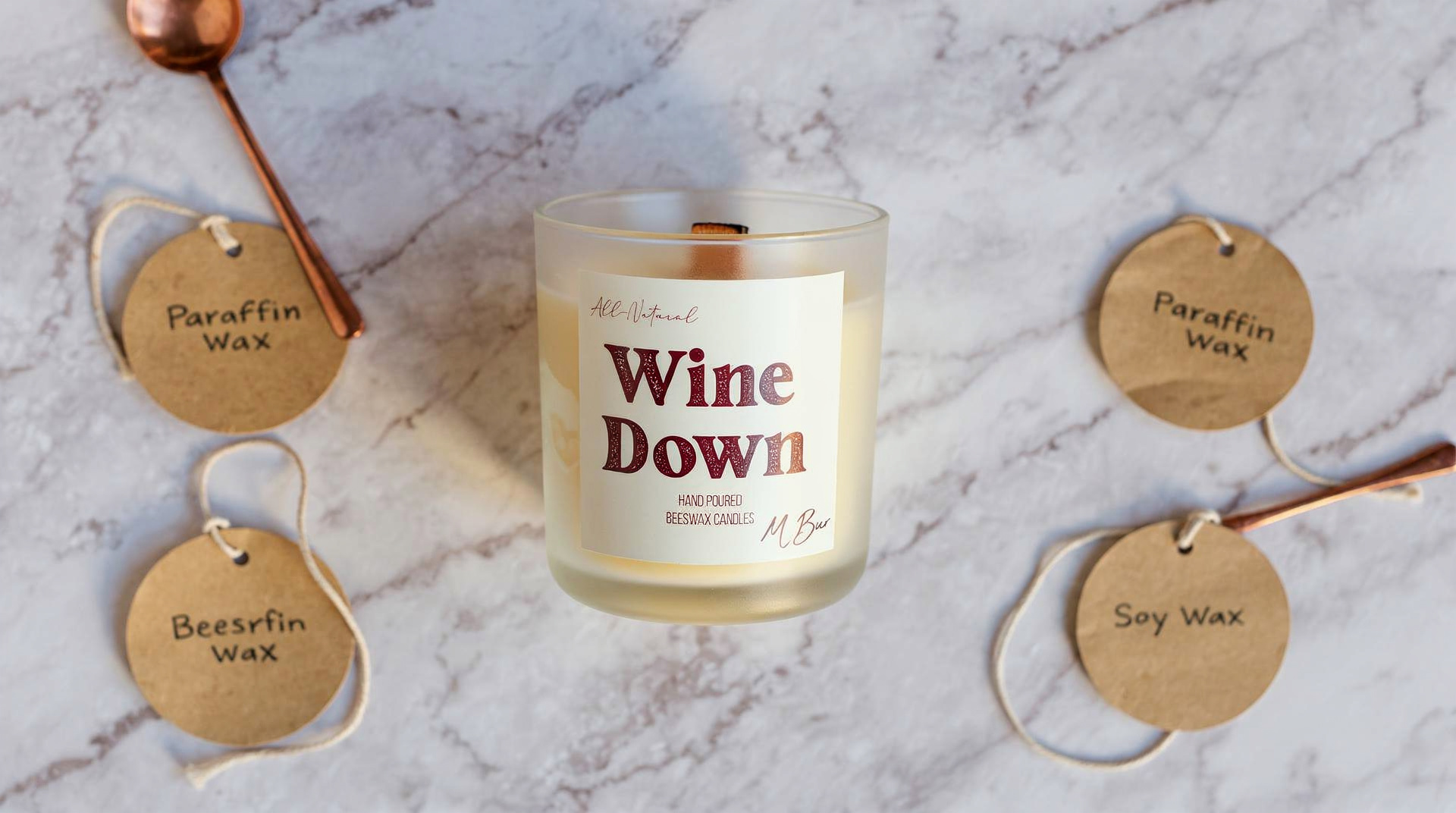
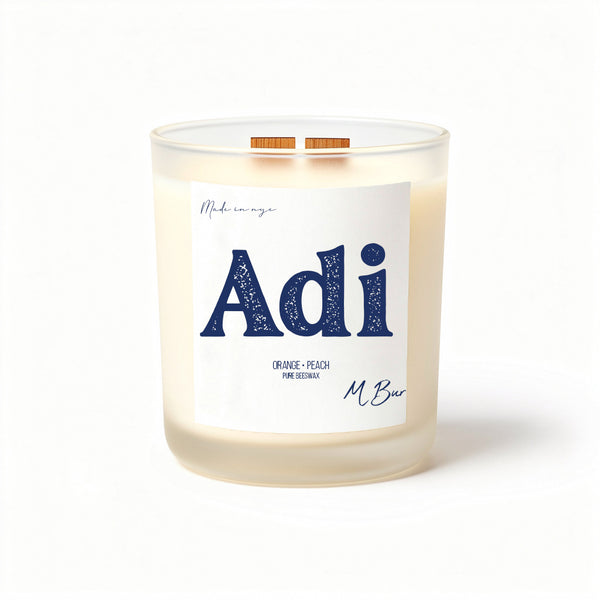
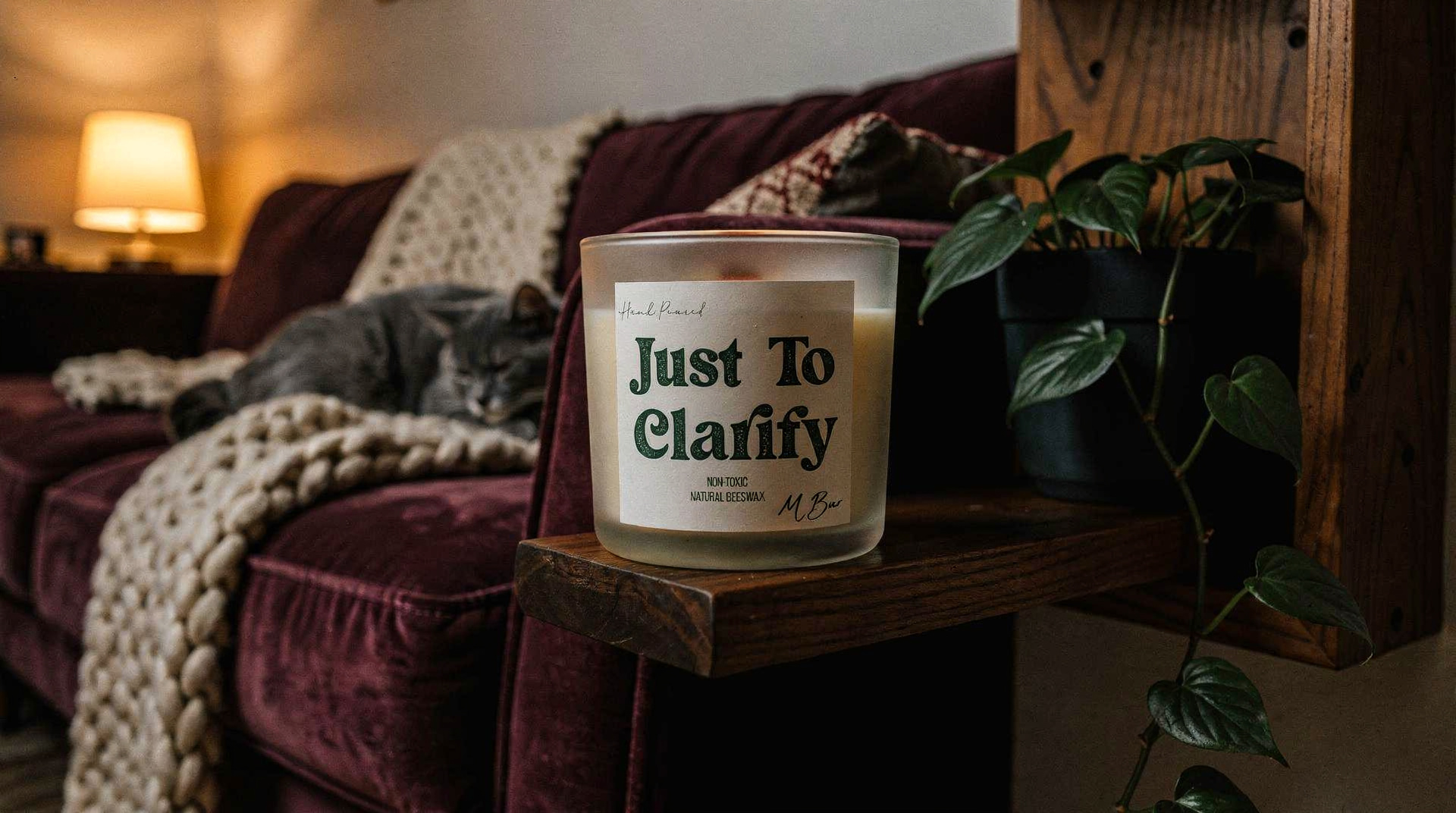
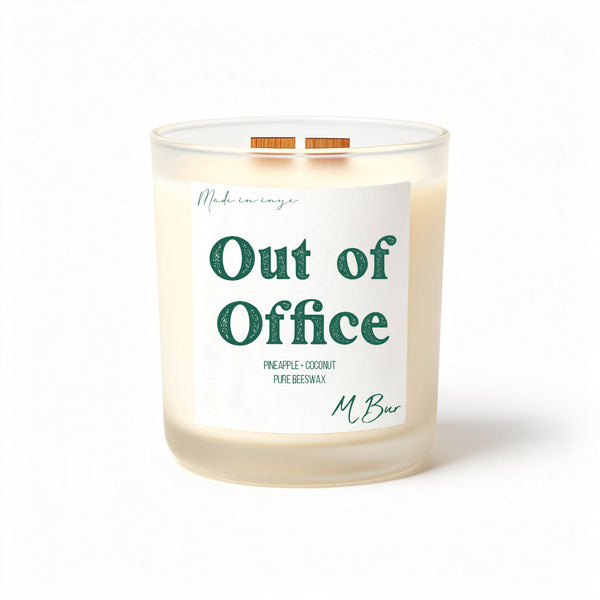
MBur Candle Co. makes every candle with 100% pure beeswax (not a beeswax "blend"), wooden wicks, phthalate free fragrance, and zero chemical dyes. The 80 hour burn time on the largest size means fewer candles burned overall, which means less cumulative exposure for your cat. And because beeswax burns cleaner than any other wax, you get scent without the soot. If you want a place to start, Wine Down is a popular choice for evenings. Light, clean, nothing overwhelming.
"Absolutely loved the Wine Down candle! The scent is so light and clean, not overpowering at all, which is exactly what I look for. A lot of other candles tend to give me headaches, but this one was a total game changer." Nicole D.
See all candlesAdi Candle$65.00
Pet House by One Fur All is a soy wax candle specifically marketed for pet owners. At $23.99 for the standard size, it uses 100% natural soy wax, a cotton wick, and is phthalate free with no dyes or paraffin. It also includes an odor neutralizer, which is a nice touch if you have a litter box situation going on. The burn time is up to 60 hours.
Honey Candles (Canada) makes 100% pure Canadian beeswax candles marketed as safe for cats. They use minimal non toxic dye and are free from harmful chemicals. If you prefer unscented candles, their line is worth a look.
For a deeper comparison of candle types and how they affect indoor air quality, read our breakdown of whether candles are bad for your health.
Practical Tips for Burning Candles Safely Around Cats
Even with the cleanest candle in the world, a few common sense habits go a long way:
Ventilate the room. Crack a window when you burn any scented candle. This dilutes airborne compounds and gives your cat fresh air to breathe.
Place candles where cats cannot reach. This one sounds obvious, but cats are absurdly creative climbers. A sturdy, heavy candle on a high, stable surface works best. MBur candles are poured into thick glass vessels that resist tipping, which helps.
Trim the wick before every burn. A trimmed wick (about 1/4 inch) produces a smaller, steadier flame with less smoke. Wooden wicks like the ones in MBur's full beeswax candle collection tend to self trim better than cotton, but a quick check never hurts.
Limit burn sessions. Two to three hours at a time is plenty. This gives the wax pool time to form evenly without overloading the air with fragrance.
Watch your cat. If your cat starts sneezing, pawing at its face, or leaving the room every time you light a candle, that is information. Pay attention and adjust. If your cat has asthma or a chronic respiratory condition, talk to your vet before burning anything scented.
FAQ
Can beeswax candles hurt my cat?
Beeswax itself is non toxic and is considered one of the safest candle waxes for homes with cats. The concern is less about the wax and more about what else is in the candle. A pure beeswax candle with phthalate free fragrance and no chemical dyes, like those in MBur's collection, is about as safe as a scented candle gets for feline households.
Are essential oil candles safe around cats?
Not always. Certain essential oils, including peppermint, eucalyptus, tea tree, citrus, and cinnamon, are toxic to cats. Even in candle form, they release compounds that cats struggle to process. Candles using non toxic fragrance oils (rather than concentrated essential oils) are generally a safer bet.
How long can I burn a candle with my cat in the room?
Keep burn sessions to two to three hours maximum, and always in a ventilated room. This limits your cat's cumulative exposure to any airborne particles and also prevents the candle from overheating.
What is the difference between "pet safe" and "non toxic" on a candle label?
There is no regulated definition for either term on candles, which is why reading the actual ingredient list matters more than marketing claims. Look for single ingredient wax (like 100% beeswax), phthalate free fragrance, no dyes, and a wood or cotton wick.
The Bottom Line
Your cat's biology demands a cleaner candle than most brands deliver. The fix is straightforward: skip paraffin, avoid toxic fragrances and dangerous essential oils, and choose a wax that burns clean. Beeswax checks every box, and it happens to burn longer than any other candle wax on the market.
MBur's 20 hour candle starts at $20, making it an easy way to test whether your cat tolerates a specific scent before committing to a larger size. Browse the full beeswax candle collection and pick the one that fits your space.
Related Reading
- Are Scented Candles Safe for Cats? What Pet Owners Should Know
- What candles are non toxic?
- Are Candles Bad for Your Health?
- What Makes a Candle Non Toxic? How to Spot the Real Thing
What buyers say:

