

Pet Safe Candles for Cats: What to Burn When You Live With Curious Felines
Your cat's liver is missing something. Specifically, it is missing a key enzyme called glucuronyl transferase, which humans and even dogs use to metabolize certain chemical compounds. That biological quirk means your cat processes airborne toxins differently than you do, more slowly and less completely. And when the source of those toxins is a candle burning six feet away on your coffee table, your cat is breathing in everything that candle puts out while also lacking the biological equipment to deal with it.
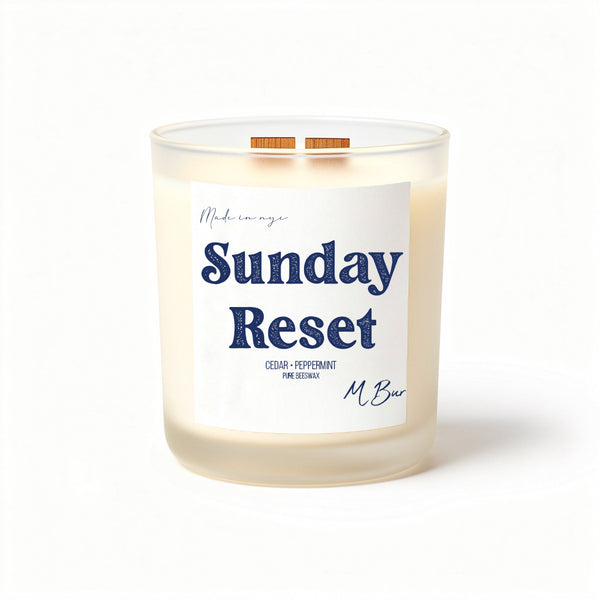
If you have been wondering whether your candles are safe for your cat, the short answer is: probably not, if you are burning the kind sold at most big box stores. The longer answer involves wax types, fragrance chemistry, and wick materials, all of which we are about to break down. By the end of this post, you will know exactly what to look for (and what to avoid) when shopping for cat friendly candles that burn clean.
Why Most Candles Are a Problem for Cats
The issue is not "candles" as a category. It is specific ingredients inside most commercial candles that create problems for feline respiratory systems.
Paraffin wax is a petroleum byproduct. When burned, it releases volatile organic compounds (VOCs) including benzene and toluene into your indoor air. Your cat spends most of its time close to the ground, right where soot and heavier particulate matter settle. A paraffin candle is essentially releasing petroleum combustion byproducts directly into the air your cat breathes at floor level.
Toxic fragrance oils are the second major culprit. The word "fragrance" on a candle label can legally represent hundreds of undisclosed chemicals, including phthalates and parabens. Cats cannot metabolize many of these compounds efficiently. Over time, repeated exposure can stress a cat's liver and irritate their respiratory tract.
Chemical dyes and metal core wicks round out the list. Cheap dyes can off gas when heated, and some wicks still contain metal cores that release trace heavy metals into the air. None of this is ideal for humans, but for a seven pound cat with a compromised detoxification pathway, it is a bigger deal.
Essential Oils: The "Natural" Trap Cat Owners Fall Into
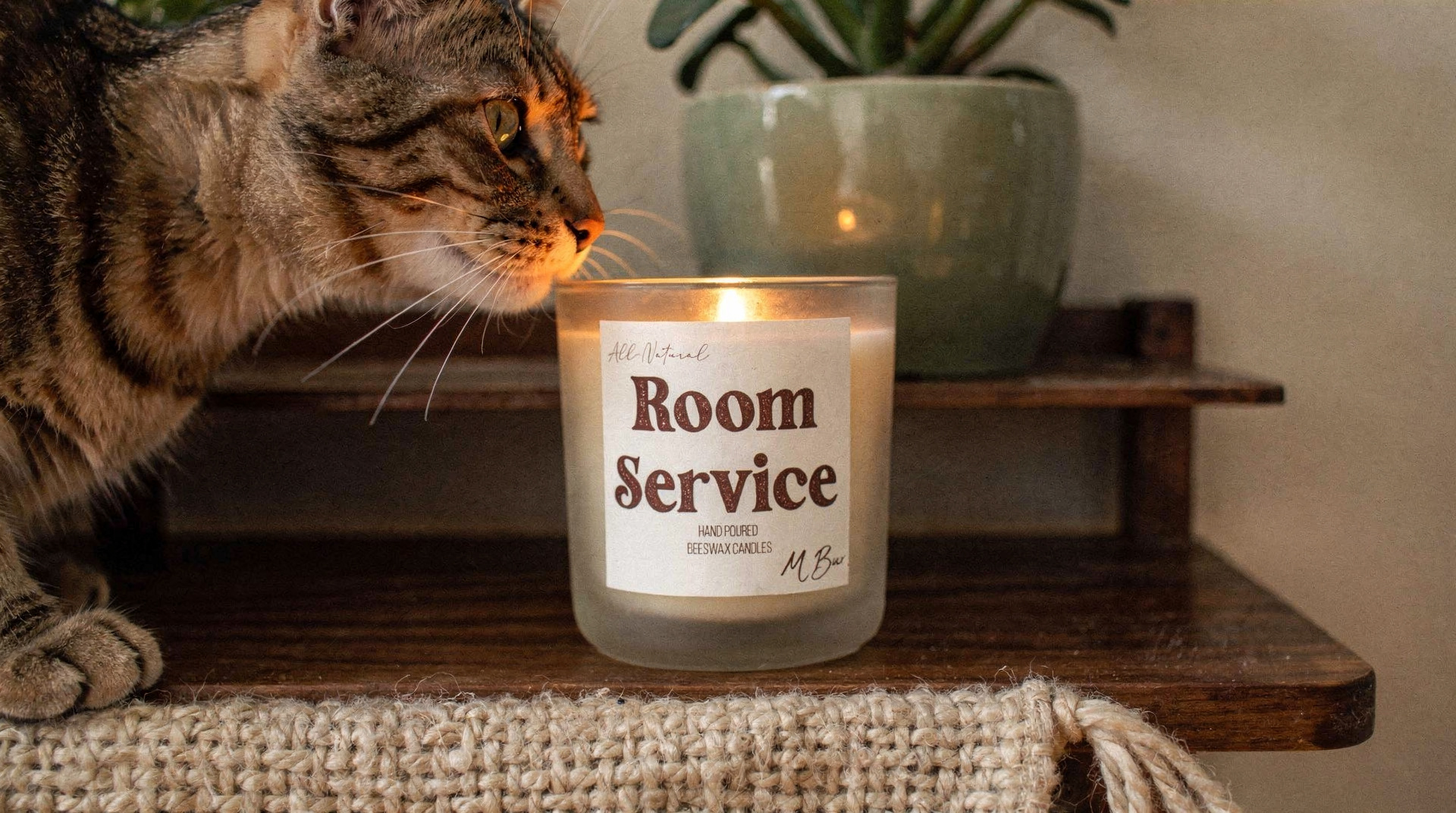
Many pet owners switch to "all natural" candles scented with essential oils, assuming natural equals safe. For cats, this is not always true. Certain essential oils are toxic to felines even at low concentrations because, again, their livers lack the enzymes to process specific compounds.
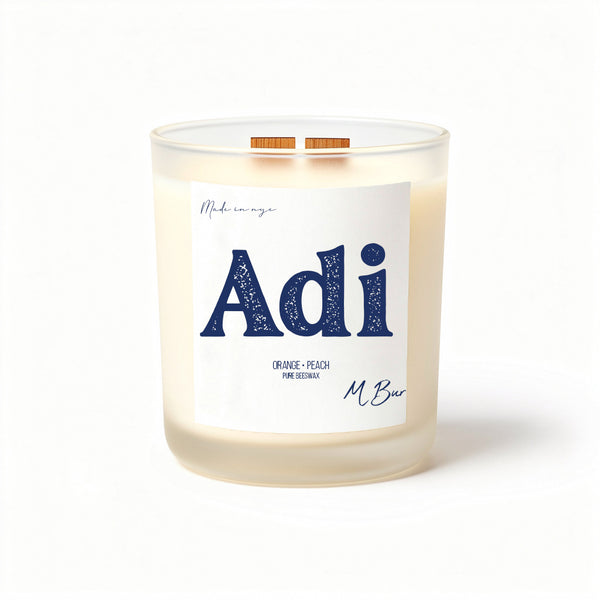
Essential oils to avoid burning around cats include tea tree, peppermint, eucalyptus, citrus oils (lemon, orange, grapefruit), cinnamon, wintergreen, ylang ylang, and pine. If a candle's ingredient list features any of these as concentrated essential oils, it is not cat safe regardless of how clean the wax is.
This is where phthalate free, non toxic fragrance oils actually have an advantage. Quality fragrance oils formulated without phthalates and parabens can deliver scent without the concentrated plant compounds that are specifically problematic for feline metabolisms. The key is knowing which fragrance oils are in the candle and confirming they are free of the harmful additives. If a brand will not disclose what is in their fragrance, walk away.
What a Truly Cat Safe Candle Looks Like
There is no regulation around the phrase "pet safe" on candle labels. Any brand can print it. So you need a checklist, and it is a short one:
- Wax: 100% beeswax, coconut wax, or soy wax. No paraffin. No "wax blend" with undisclosed ratios.
- Fragrance: Phthalate free, non toxic fragrance oil, or essential oils that are verified safe for cats. No undisclosed "fragrance" ingredients.
- Wick: Wooden or untreated cotton. No metal cores.
- Dyes: None. Dye free only.
- Soot: Minimal to none. Paraffin candles and poorly made soy candles produce black soot that settles on surfaces (and in lungs).
Beeswax checks every box by default. It is the cleanest burning candle wax available, with the highest melting point of any natural wax, which means it burns slower and produces virtually no soot. It also emits a light spectrum closest to natural sunlight, and some studies suggest burning beeswax may release negative ions that bind with airborne particles like dust and dander. If you also deal with allergies alongside your cat concerns, our guide to the best candles for allergy sufferers covers that overlap in detail.
Cat Safe Candle Brands Worth Considering
We looked at brands that actually disclose their ingredients, use non toxic wax, and skip the chemical dyes. A few stand out.
MBur Candle Co.
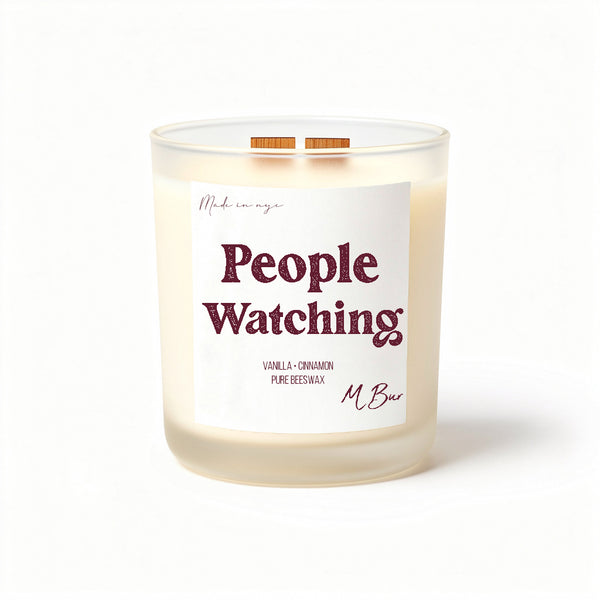
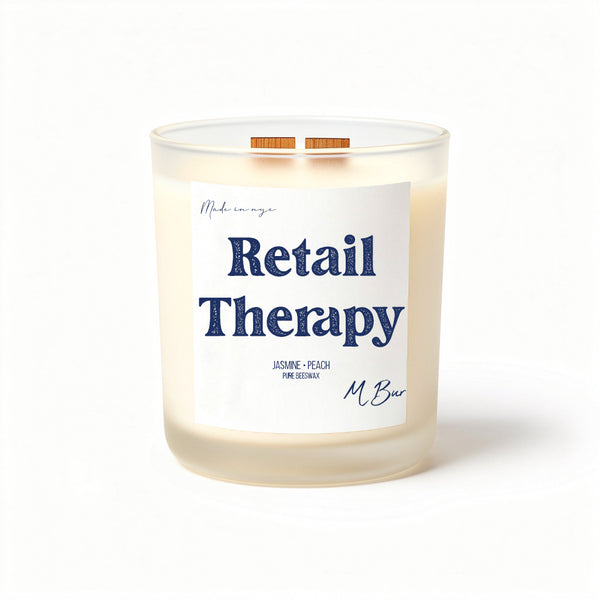
MBur's full beeswax candle collection is built on 100% pure beeswax, single ingredient, no blending with paraffin or soy. Every candle uses a wooden wick (which gives you that quiet crackling sound and an even burn) and phthalate free, non toxic fragrance with no chemical dyes. Handmade in Manhattan, NY. Burn times run up to 80 hours in the largest size, which is exceptional for any candle and means you are not constantly relighting and re exposing your cat to initial burn off.
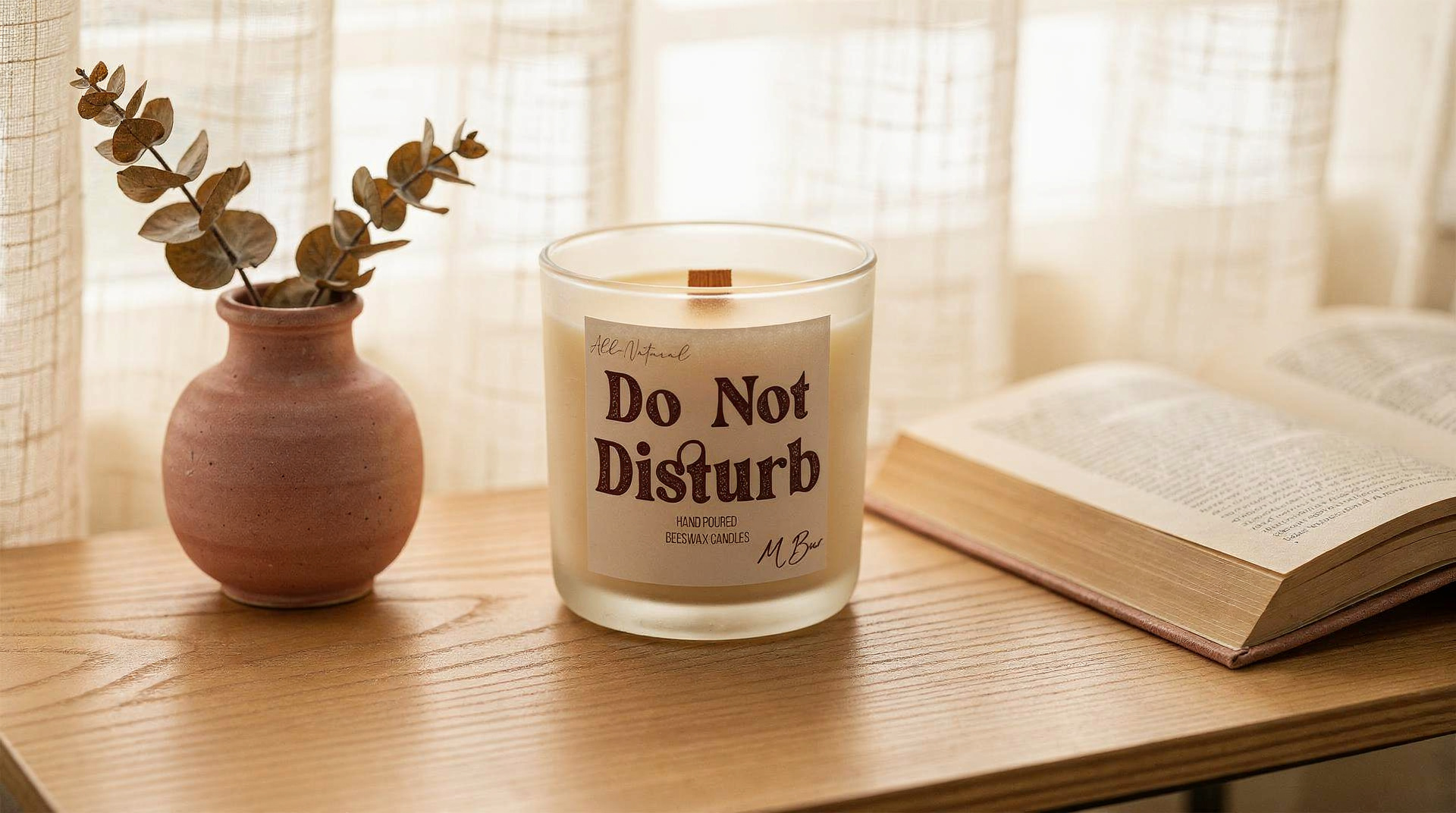
The Do Not Disturb candle is a solid pick for a bedroom you share with a cat. It is a floral forward scent that is gentle enough to sleep with, and the beeswax base means virtually zero soot settling onto surfaces where your cat lounges. The 20 hour size starts at $20, and the 80 hour size is $65.
"I love the scent of this candle. It is lovely not overpowering. It's soothing fragrance more than covers my bedroom and bathroom. It is aromatherapy at its best." Dawne Forrest, Do Not Disturb customer
That "not overpowering" part matters. Cats have roughly 200 million scent receptors compared to our five million. A candle that fills a room gently rather than aggressively is exactly what a cat household needs.
Pet House by One Fur All
Pet House candles are made with 100% plant based, dye free wax (soy based) and use cotton wicks. They are free from parabens, phthalates, and paraffin. The brand was built specifically for pet households, with an odor neutralizing formula that targets litter box and pet smells. Available in over 30 fragrances with burn times around 60 hours. They are widely available at pet supply stores and online. One caveat: some pet owners with very scent sensitive cats report that certain Pet House fragrances can be on the strong side, so ventilation matters.
Fontana Candle Co.
Fontana uses a blend of beeswax and coconut oil with pure essential oils and wooden wicks. They are the first MADE SAFE certified candle brand, meaning their products have been independently tested and verified free of toxins known to harm humans, animals, or ecosystems. Handmade in Lancaster County, PA. Burn times run about 35 hours per candle. Because they use essential oils rather than fragrance oils, scent projection is softer, which can actually be a benefit in a cat household where gentle scenting is the goal. Just double check the specific essential oil blend in any scent you are considering to make sure it does not contain oils problematic for cats.
Practical Safety Tips for Burning Candles Around Cats
Even the cleanest candle in the world requires some common sense when a cat lives in your house.
Placement matters more than anything. Cats jump. They knock things over. They swish their tails through flames they did not notice. Place candles on high, stable surfaces your cat cannot easily reach, and never leave a burning candle unattended in a room with your cat.
Ventilate the room. Crack a window or keep a door open when burning any scented candle. This reduces the concentration of airborne compounds your cat is exposed to, no matter how clean the candle is.
Trim the wick before every burn. With wooden wicks, this means breaking off the charred edge. With cotton wicks, trim to about a quarter inch. A properly trimmed wick produces a cleaner, more controlled flame with less soot.
Limit burn sessions. Two to four hours at a time is the general recommendation. This gives the room time to clear and prevents wax from overheating.
Watch your cat's behavior. If your cat starts sneezing, coughing, leaving the room immediately when you light a candle, or showing watery eyes, stop burning that candle around them. Every cat is different, and sensitivities vary. If your cat has a respiratory condition like feline asthma, consult your veterinarian before introducing any scented product into your home.
The Bottom Line
Your cat cannot read labels, so you have to. The vast majority of candles on the market are made with paraffin wax, toxic fragrance oils loaded with phthalates, and chemical dyes that have no place in a home with a cat. Switching to a 100% beeswax candle with a wooden wick and phthalate free fragrance eliminates the biggest risk factors in one move.
If you want a place to start, browse MBur's full beeswax candle collection. Every candle is pure beeswax, wooden wick, non toxic fragrance, no dyes, and burns up to 80 hours. Nicole D., a Wine Down customer, described the difference this way: "A lot of other candles tend to give me headaches, but this one was a total game changer. I was able to enjoy the calming aroma without any discomfort." If it is gentle enough for a headache prone human, it is a strong starting point for a cat household too.
Shop cat safe beeswax candles at MBur Candle Co.
Related Reading
- Are Scented Candles Safe for Cats? What Pet Owners Should Know
- What candles are non toxic?
- What Candles Are Safe to Burn? A Guide to Clean, Non Toxic Options
- What Makes a Candle Non Toxic? How to Spot the Real Thing
What buyers say:

