

How to Get the Sour Milk Smell Out of Baby Bottles: A Step by Step Guide
You washed it twice, maybe three times. You even ran it through the dishwasher. And the bottle still smells like sour milk the second you pop the cap off. That curdled, slightly funky odor clinging to the plastic is one of those small parenting frustrations that feels disproportionately maddening, especially at 2 a.m. when you just need a clean bottle and everything in the drying rack smells suspicious.
The good news: the fix is straightforward, cheap, and does not require any specialty products. The better news: once you understand why it happens, you can prevent it from coming back. This guide walks you through exactly what causes that sour smell, how to eliminate it step by step, and how to keep your nursery smelling fresh (without introducing toxic fragrances anywhere near your baby's things).
Why Baby Bottles Smell Sour in the First Place
Milk, whether breast milk or formula, contains fats and proteins that are surprisingly sticky at a microscopic level. When residue gets trapped in the tight crevices of your bottle (the nipple threads, anti colic valve slots, the ring where the collar screws on), it creates a warm, damp environment where bacteria thrive. Those bacteria feed on the leftover milk fats and produce the sour, rancid odor you keep catching.
The smell is essentially a signal. It means residue is hiding somewhere your cleaning routine is not reaching. A quick rinse, or even a standard wash cycle, often cannot penetrate those tiny seams. And if you reassemble the bottle before every part is bone dry, you are sealing moisture inside, which gives bacteria exactly the conditions they need to multiply.

Step by Step: Removing the Sour Milk Smell
Step 1: Fully Disassemble Every Part
This is where most people's routines fall short. Take apart every single component: the bottle body, the nipple, the collar ring, any anti colic valves or vent inserts. If a piece unscrews, unsnaps, or pulls apart, separate it. Milk residue hides in the seams between parts, and no amount of soaking will reach it if the bottle is still assembled.
Step 2: Rinse with Hot Water Immediately After Feeding
This step is preventive, but it makes the deep clean dramatically easier. As soon as your baby finishes a bottle, rinse all the parts under hot running water. Milk proteins start bonding to plastic surfaces within minutes, so a quick rinse right after feeding keeps residue from setting in.
Step 3: The Baking Soda Shake
Baking soda is the single most effective deodorizer for baby bottles, and it is completely food safe. Add one tablespoon of baking soda to the bottle, fill it halfway with warm water, cap it, and shake vigorously for about two minutes. The mild abrasive action of the baking soda loosens trapped residue while neutralizing the acids causing the sour smell.
For the smaller parts (nipples, valves, rings), drop them into a bowl with two tablespoons of baking soda dissolved in warm water and let them soak for at least an hour. For stubborn odors, leave them overnight.
Step 4: Scrub with a Dedicated Bottle Brush
After soaking, scrub every part with a soft bottle brush designed for infant feeding supplies. Avoid abrasive sponges or steel wool. Scratching the plastic surface creates micro grooves where bacteria can permanently lodge, making the odor problem worse over time. Use a smaller nipple brush to get inside the nipple tip and the threads where the collar attaches.
Step 5: Vinegar Rinse for Persistent Odors
If baking soda alone does not fully resolve the smell, follow up with a vinegar soak. Mix one part white vinegar to three parts water in a bowl, submerge all the parts, and soak for 30 minutes to an hour. Vinegar breaks down the fatty residue that baking soda might have loosened but not fully dissolved. Rinse thoroughly with hot water afterward.

Step 6: Sterilize
Once everything has been scrubbed and deodorized, sterilize to kill any remaining bacteria. You have a few options:
- Boiling: Submerge all parts in a pot of water and bring to a rolling boil for five minutes.
- Steam sterilizer: Follow your unit's instructions, typically around ten minutes.
- Microwave steam bags: A quick option that works well for on the go parents.
Note that the CDC recommends sterilization as especially important for newborns under two months, premature infants, and babies with weakened immune systems. For healthy older infants, thorough cleaning and complete drying may be sufficient for daily use.
Step 7: Dry Completely Before Storing
This step is non negotiable and probably the most commonly skipped. Place all parts on a clean drying rack and let them air dry fully before reassembling. Do not towel dry (towels can transfer bacteria) and do not snap the cap back on while there is any moisture left inside. Trapped humidity is the number one reason the sour smell keeps coming back.
When to Replace a Bottle Entirely
If a plastic bottle stays cloudy, has visible cracks or scratches, or retains a sour odor after a full deep clean and sterilization cycle, it is time to retire it. Plastic is porous, and over time the surface degrades enough that bacteria can embed permanently. Glass bottles are more resistant to odor retention, which is worth considering when you replace worn out ones.
Keeping the Nursery Smelling Fresh (Without Toxic Fragrances)
Once the bottles are handled, there is the matter of the nursery itself. Between spit up, diaper changes, and the general humidity of a baby's room, odors accumulate. Many parents reach for a scented candle or plug in air freshener, but this is where it pays to be careful about what you are burning or diffusing around a baby.
Most conventional candles use toxic fragrances containing phthalates and parabens, paraffin wax (a petroleum byproduct that releases compounds like benzene and toluene when burned), and sometimes metal core wicks that produce heavy soot. In a nursery, where air quality matters more than almost anywhere else in your home, those are worth avoiding.
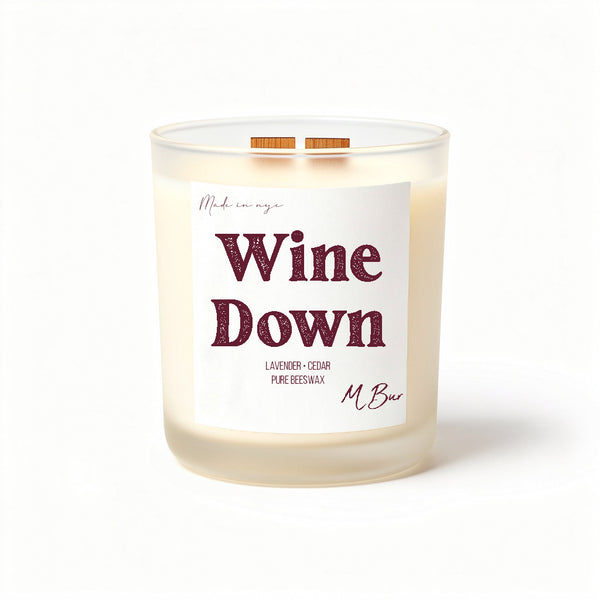
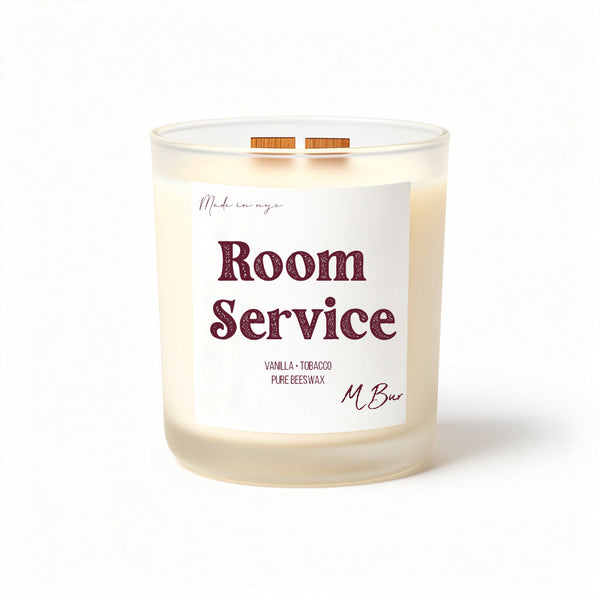
Beeswax candles are a cleaner alternative. Beeswax is a single ingredient wax with no chemical processing, it burns without the black soot that paraffin leaves on walls and ceilings, and it has the longest burn time of any candle wax because of its high melting point. MBur's full beeswax candle collection uses phthalate free fragrance oils, wooden wicks, and no chemical dyes, which makes them a solid option for rooms where you want scent without worrying about what is in the air.
"I absolutely love these candles! I instantly notice the difference in the air quality, in comparison to the Bath & Body scented candles. I love Bath & Body's candles but I acknowledge that it caused a slight headache and other minor respiratory discomfort. Awesome products. Totally addicted." Jason H.
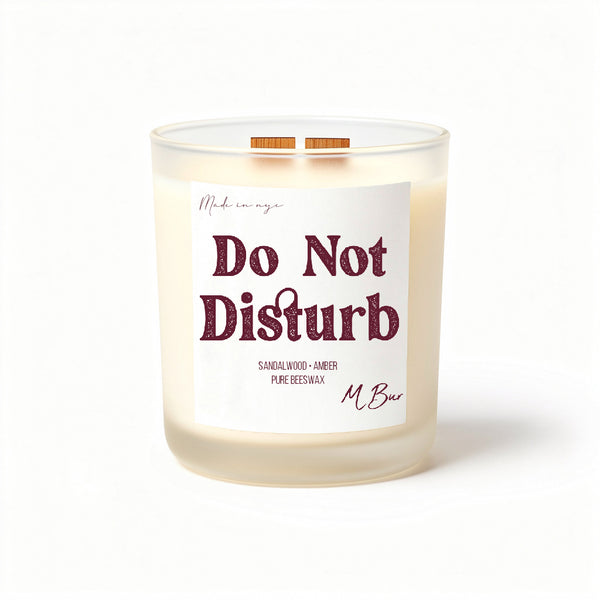
For a nursery specifically, something calming works well. Do Not Disturb, with its bergamot and pear notes, has a soft, soothing quality that fills a room without being overpowering. Light it during the evening routine (not during sleep, obviously, and always in a well ventilated room with the candle in sight) and blow it out before putting the baby down. The scent lingers gently after the flame is out.

Common Mistakes That Make the Smell Worse
Using scented dish soap. Fragranced soaps can mask the sour smell temporarily, but the chemical residue left behind may transfer to your baby's milk on the next feed. Stick to unscented, baby safe cleansers for bottle washing.
Scrubbing with abrasive materials. Steel wool pads and rough sponges create tiny scratches in plastic that become permanent bacterial hideouts. Soft bristle bottle brushes only.
Storing bottles damp. Even a few drops of water trapped inside a sealed bottle will restart the bacterial cycle within hours. Air dry fully, every time.
Skipping disassembly. Running an assembled bottle through the dishwasher feels efficient, but water jets cannot reach inside threaded collars and valve slots. Take it apart first.
Frequently Asked Questions
Is a sour smelling bottle actually dangerous for my baby?
The smell itself signals bacterial presence from residual milk. While it does not always mean the bottle is unsafe, it does mean the cleaning was not thorough enough to prevent germ buildup. A sour smell should always prompt a deep clean and sterilization before the next use. If you want to keep the nursery environment as clean as the bottles, consider burning candles made with non toxic ingredients, like the pure beeswax options in MBur's collection.
Does the bottle material affect how much odor it holds?
Yes. Plastic bottles are more porous than glass and absorb odors more readily over time. They also develop micro scratches with use, which trap residue. Glass bottles resist odor retention much better, though they are heavier and breakable. If you are constantly battling sour smells despite thorough cleaning, switching to glass for at least some of your rotation can help.
Can I just boil the smell away without scrubbing first?
Boiling sterilizes, meaning it kills bacteria, but it does not remove the physical residue causing the odor. You need to scrub and deodorize first (baking soda, then vinegar if needed), then sterilize as the final step. Skipping the manual clean is like spraying air freshener over a mess. The source is still there.
How often should I do a deep clean versus a regular wash?
A thorough wash with hot soapy water and full disassembly should happen after every single feeding. The baking soda deep clean described above is more of a weekly maintenance step, or whenever you notice the first hint of sour odor returning. Sterilization frequency depends on your baby's age and health. Check current guidance from your pediatrician.
The Short Version
Sour milk smell in baby bottles comes down to trapped residue and moisture. Disassemble fully, deodorize with baking soda, scrub with a soft brush, sterilize, and air dry completely before storing. Do that consistently and the smell stays gone.
For keeping the nursery itself smelling fresh, skip the paraffin candles and plug in air fresheners with undisclosed fragrance blends. A clean burning beeswax candle with phthalate free fragrance does the job without compromising the air your baby breathes. Browse MBur's full beeswax candle collection to find a scent that fits your space.
Related reading

