

How to Get the Smell Out of Cloth Diapers: A Parent's Guide
Your cloth diapers came out of the dryer and they still smell like a barn. Or worse, they passed the sniff test dry, but the second your baby wet one, a wall of ammonia hit you so hard your eyes watered. Either way, something in your wash routine is off, and no amount of extra rinse cycles seems to fix it.
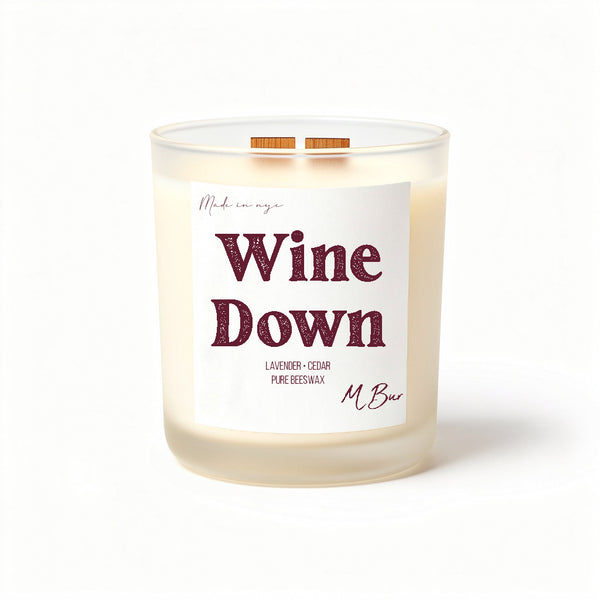
The good news: cloth diaper odor is almost always a solvable problem. Clean diapers should smell like nothing (or faintly like your detergent). If yours don't, the issue is rarely the diapers themselves. It's bacteria, mineral buildup, or detergent residue trapped in the fibers. Below, we'll walk through exactly why each type of stink happens and how to eliminate it for good. And once the diapers are sorted, we'll cover how to keep the nursery itself smelling fresh, because the laundry hamper situation between washes is its own challenge. If you're already browsing ways to make your home smell better with little ones around, our full beeswax candle collection is worth a look.
First, Identify Your Stink
Cloth diaper odor falls into two distinct categories, and the fix for each is different. Treating the wrong one can actually make things worse.
Ammonia: The Sharp, Eye Watering Smell
If you notice a harsh chemical smell the moment a diaper gets wet, that's ammonia. Bacteria in the fabric are breaking down leftover urine into ammonia compounds, and fresh moisture reactivates the reaction. This points to insufficient cleaning power during your wash cycle. The urine wasn't fully removed, so bacteria stayed behind, quietly converting residue into something that burns your nose.
Barnyard: The Musty, Sour Smell
This one hits when diapers are warm, often straight from the dryer. It smells stale, sometimes fishy, sometimes like actual manure. The culprit is usually soil or detergent residue trapped deep in the fibers, creating a breeding ground for bacteria. Hard water minerals can compound this by forming a film that locks everything in.

The Fix: A Wash Routine That Actually Works
Most cloth diaper odor comes down to one of four wash routine mistakes. Correct these and the smell goes away, usually within two to three wash cycles.
1. Use a Two Stage Wash
This is the single most important change you can make. A cold or warm pre wash removes the bulk of waste so your main wash isn't churning in dirty water. Follow it with a hot, heavy duty main wash. Skipping the pre wash is the most common reason diapers come out smelling wrong.
2. Use Enough Detergent
Cloth diaper inserts are thick, multi layered, and heavily soiled. They need more detergent than a normal load of laundry. Start with the manufacturer's recommended amount for "heavily soiled" loads and adjust from there. Too little detergent is actually the primary cause of odors for most families, not too much. That said, consistently over dosing can leave its own residue, so finding the sweet spot matters.
3. Account for Hard Water
If your water is hard (you can test with an inexpensive strip kit), minerals interfere with your detergent's ability to clean. Adding a water softener like washing soda or Calgon to your wash cycle lets the detergent do its job. Ignoring hard water is one of those invisible problems that makes parents feel like they're doing everything right while the smell keeps coming back.
4. Don't Overload the Machine
Mechanical agitation is what scrubs soil out of fabric. Cramming too many diapers into one load means nothing moves freely enough to get clean. Aim for roughly 18 diapers or fewer per load in a standard machine, and make sure there's room for everything to tumble.
When You Need a Full Reset
If your diapers have been smelling bad for a while, fixing your routine going forward is essential, but you may also need a one time deep clean to clear out accumulated buildup. This is what the cloth diaper community calls "stripping."
A strip involves soaking diapers in hot water with a mineral removing agent (like RLR Laundry Treatment or a combination of washing soda, Calgon, and a small amount of blue Dawn dish soap) for several hours, then running them through a full wash cycle. It removes mineral deposits and detergent buildup that regular washing can't reach.
One important distinction: stripping is a corrective measure, not routine maintenance. If you find yourself needing to strip every few weeks, your daily wash routine still needs adjusting. A good routine means you should rarely, if ever, need to strip again.
For bacterial issues specifically (ammonia smell), a bleach sanitize can help. Use regular, unscented bleach diluted according to the diaper manufacturer's guidelines. Never combine bleach with vinegar or ammonia based cleaners, as this creates toxic fumes. The CDC's diapering hygiene guidelines offer additional context on safe sanitization practices.

Prevention: Keeping the Smell from Coming Back
Once you've reset and dialed in your wash routine, these habits keep odor from returning.
Wash every one to two days. Letting dirty diapers sit longer than two to three days gives bacteria more time to multiply and ammonia to build.
Use open, ventilated storage. A sealed pail traps moisture and creates the perfect environment for bacterial growth. Hanging wet bags or open pails with airflow make a noticeable difference.
Skip the fabric softener entirely. Fabric softener coats fibers, reducing absorbency and trapping odor causing residue. It's one of those products that feels like it should help but actively makes things worse.
Wash in warm to hot water. Aim for 104°F to 140°F for the main wash. Avoid "Sanitize" cycles that exceed 150°F, as extreme heat can damage PUL waterproof layers on diaper covers.
Now About the Nursery Itself
Even with a perfect wash routine, the reality of cloth diapering is that dirty diapers live in your home for a day or two before they hit the machine. The nursery can take on a background funk that lingers between washes, and if you're changing diapers in the living room (because who walks to the nursery every single time), that smell migrates.
Reaching for an air freshener spray is tempting, but most conventional sprays and plug ins use toxic fragrance oils loaded with phthalates and other undisclosed chemicals. In a baby's room, where a tiny human is breathing all day and all night, that's worth thinking about.
Beeswax candles are a genuinely useful option here (burned on a high shelf, well out of reach, and only while you're in the room). Unlike paraffin candles, which release soot and volatile organic compounds, pure beeswax burns clean and produces no petrochemical byproducts. Some research suggests beeswax may even help reduce airborne particulates, though the primary benefit is simple: a warm, subtle scent without adding more chemicals to your baby's air.
"I absolutely love these candles! I instantly notice the difference in the air quality, in comparison to the Bath & Body scented candles. I love Bath & Body's candles but I acknowledge that it caused a slight headache and other minor respiratory discomfort. Awesome products. Totally addicted." Jason H.
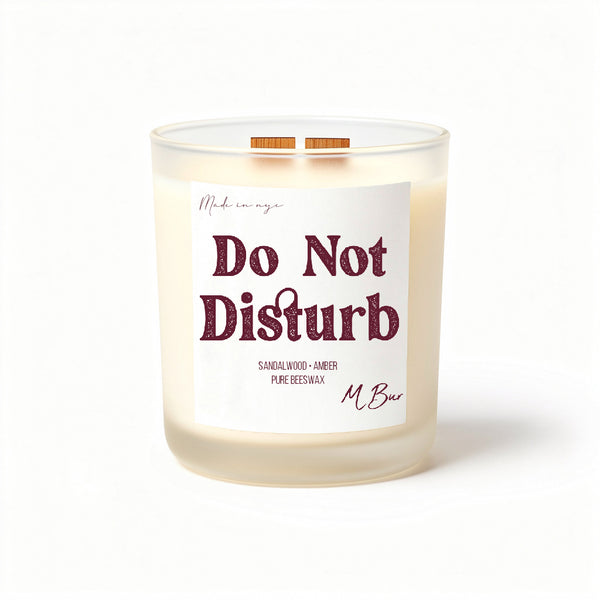
Do Not Disturb is a good pick for a nursery or bedroom. Its bergamot and pear notes are soft and calming without being heavy. And because beeswax has the highest melting point of any candle wax, the 80 hour size at $65 lasts significantly longer than a comparable soy or paraffin candle, which matters when you're burning one regularly.
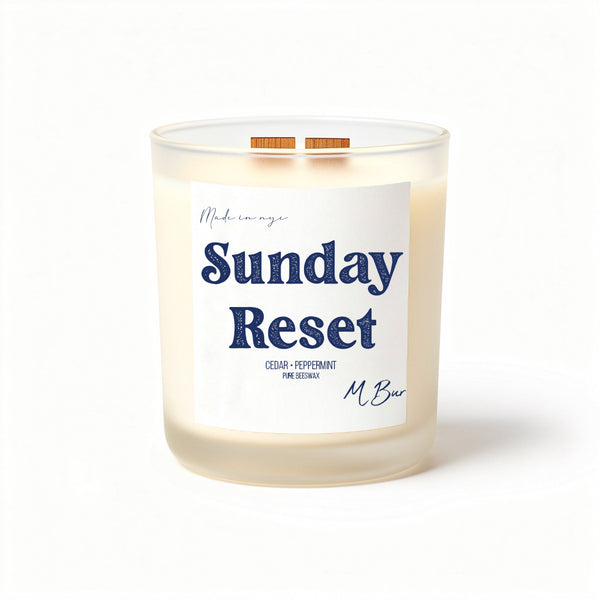
For common areas where diaper changes happen on the couch (no judgment, we all do it), Sunday Reset brings eucalyptus and cedar that cut through lingering odors without overpowering the room. Its peppermint top note is crisp enough to reset the air after a particularly memorable diaper change.

A Quick Note on Candle Safety with Babies
Candles and babies require common sense precautions. Always place candles on a high, stable surface completely out of reach. Never leave a burning candle unattended in a room with a child. Blow it out before you leave. And ensure the room has some ventilation, a cracked window or open door is plenty. Choosing a clean burning candle (pure beeswax, non toxic fragrance, no chemical dyes) minimizes what goes into the air your family breathes.
Frequently Asked Questions
Why do my cloth diapers smell fine until they get wet?
That's the ammonia signature. Bacteria left in the fabric from incomplete washing convert urine residue into ammonia, and fresh moisture triggers the reaction. The fix is almost always more detergent, a proper pre wash cycle, or both. Once your routine is dialed in, this stops happening.
Does vinegar actually help with cloth diaper smell?
Vinegar is a mild acid that can help neutralize ammonia's high pH, but it's not a replacement for a thorough detergent based wash. Think of it as a supplement, not a solution. If you're relying on vinegar to keep odor away, your main wash routine needs work.
How often should I strip my cloth diapers?
Ideally, almost never. Stripping is a corrective reset for mineral or detergent buildup, not a regular maintenance step. If your wash routine is working properly (two stage wash, right detergent amount, accounting for water hardness), you shouldn't need to strip more than once or twice over the life of the diapers.
What's the safest way to freshen a nursery between diaper washes?
Open ventilated storage for dirty diapers helps enormously. For ambient freshening, a pure beeswax candle burned safely on a high shelf adds warmth without petrochemicals or toxic fragrance. Browse MBur's beeswax candle collection for options that burn clean and last up to 80 hours.
The Bottom Line
Cloth diaper odor is a wash routine problem with a wash routine solution. Identify whether you're dealing with ammonia or barnyard smell, fix the underlying cause (usually more detergent, a pre wash cycle, or a hard water adjustment), and the stink goes away. For the between wash nursery funk, ventilation and a clean burning candle go a long way toward keeping your home smelling like a place where adults live, too.
If you're looking for a candle you can feel good about burning around your family, explore MBur's full beeswax candle collection. Every candle is 100% pure beeswax with a wooden wick, phthalate free fragrance, and no chemical dyes, handmade in Queens, New York. The 20 hour size starts at $20.
Related reading

