

How to Get the Smell Out of a Diaper Pail for Good
The diaper pail smells worse than the diapers themselves. You changed the bag an hour ago, wiped down the lid, and the nursery still hits you with that warm, sour wall of funk the second you walk in. Scented trash bags did nothing. The little clip on air freshener dangling from the handle made it worse, somehow combining fake lavender with ammonia into something truly unholy.
The problem is real, it is predictable, and it has a fix. Actually, it has several fixes, and they work best when you layer them together. By the end of this post you will have a step by step system for eliminating diaper pail odor at the source, keeping it from coming back, and making the nursery a room you actually want to spend time in.
If you are already thinking about how scent fits into this equation, our full beeswax candle collection was designed for exactly these kinds of rooms, but we will get to that. First, the science of why your pail betrays you.
Why Diaper Pails Smell So Bad (Even Clean Ones)
Urine breaks down into ammonia. Fecal bacteria produce hydrogen sulfide and other volatile compounds. In an enclosed plastic container, those gases concentrate fast. Every time you open the lid, a burst escapes into the room, and a fresh wave of warm, moist air enters the pail, feeding the bacteria that produce the smell in the first place.
Plastic makes it worse over time. Unlike stainless steel, plastic is porous at a microscopic level. Odor molecules embed themselves into the material after weeks of use, which is why a pail can still reek after you have scrubbed it, dried it, and put in a brand new bag. If your pail has been in rotation for more than a year and nothing seems to help, the plastic itself may be saturated. At that point, replacing it (ideally with a steel model) is the most effective move.

The other culprit people miss: the gasket and rim. That rubber seal around the lid and the crevice where the lid meets the body collect residue you cannot see. Bacteria colonize those spots, and no amount of bag changing addresses them.
The Layered System That Actually Works
One product will not solve this. Air fresheners mask odor molecules without removing them, which is why your nursery ends up smelling like "tropical breeze plus diaper." You need a layered approach: reduce the source, neutralize what remains, and then (only then) add a pleasant scent on top.
Layer 1: Source Reduction
Flush solid waste into the toilet before you put the diaper in the pail. This is standard practice in cloth diapering communities and it makes a dramatic difference with disposables too. You are removing the single biggest source of bacterial odor before it ever enters the container.
Roll each diaper tight and tab it shut. Less exposed surface area means fewer odor molecules escaping into the pail's airspace. Empty the bag when it hits 10 to 12 diapers, or sooner if you notice the smell creeping. Waiting for the bag to be completely full is one of the most common mistakes parents make.
Layer 2: Weekly Deep Clean
Manufacturers often suggest cleaning every few months. Ignore that. A weekly deep clean is the difference between a pail that works and a pail that haunts you.
Mix 2 cups of warm water with 2 tablespoons of Borax and a quarter cup of white vinegar. Spray the interior generously, paying special attention to the lid seal, the rim, and any crevices where residue hides. Let it sit for a few minutes, then wipe with a microfiber cloth and rinse. The CDC's guidance on diaper changing hygiene reinforces the importance of cleaning and disinfecting these surfaces regularly to prevent the spread of germs.
The step most people skip: drying the pail completely before putting a new bag in. A damp pail is a breeding ground for mold and bacteria. Leave it open in a ventilated spot, or set it in direct sunlight for 20 minutes if you can. Sun drying is particularly effective for plastic pails because UV light helps break down odor compounds trapped in the surface.
Layer 3: Natural Deodorizers Between Cleanings
Sprinkle a thin layer of baking soda at the bottom of the pail after every bag change. Baking soda is alkaline, which means it neutralizes the acidic compounds in urine odor rather than just covering them up. For extra absorption, toss a small activated charcoal pouch inside the pail. Charcoal is porous enough to trap volatile organic compounds passively for weeks.

Coffee grounds work in a pinch too, though they need replacing more often. What does not work: scented bags on their own, clip on air fresheners, or those little scented discs that stick to the inside of the lid. All of these attempt to overpower the odor with fragrance rather than eliminate it, and the result is a layered smell that is arguably worse than the original problem.
Layer 4: The Right Scent in the Room (Not Inside the Pail)
Once you have addressed the source, cleaned the container, and placed a neutralizer inside, you can add a pleasant ambient scent to the nursery. This is where candle choice matters more than most parents realize.
Many candles use toxic fragrance oils containing phthalates and parabens. In a nursery, where a baby sleeps and breathes for hours at a stretch, that is a real concern. Paraffin wax candles release benzene, toluene, and formaldehyde when they burn. Those are the same compounds responsible for the headaches and sinus irritation some people experience around conventional candles. Burning one in a baby's room to cover diaper smell is trading one air quality problem for another.
"I absolutely love these candles! I instantly notice the difference in the air quality, in comparison to the Bath & Body scented candles. I love Bath & Body's candles but I acknowledge that it caused a slight headache and other minor respiratory discomfort. Awesome products. Totally addicted." Jason H.
Beeswax is a different story. It burns cleaner than soy or paraffin, produces no black soot, and has the longest burn time of any candle wax because of its high melting point. Some studies suggest beeswax may even release negative ions that help settle dust and particulates, though the science on that is still emerging.
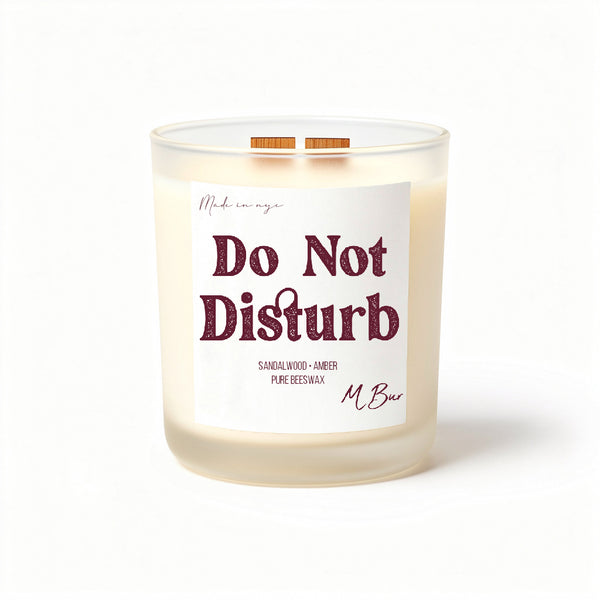
For a nursery specifically, Do Not Disturb is worth a look. Its notes of bergamot, pear, jasmine, vanilla, and sandalwood are soft and calming without being cloying, and the wooden wick crackle adds a gentle white noise element that some parents swear by for nap time. Light it during a diaper change or while you are in the room, then blow it out before you leave. The scent lingers without any of the air quality concerns that come with conventional candles.
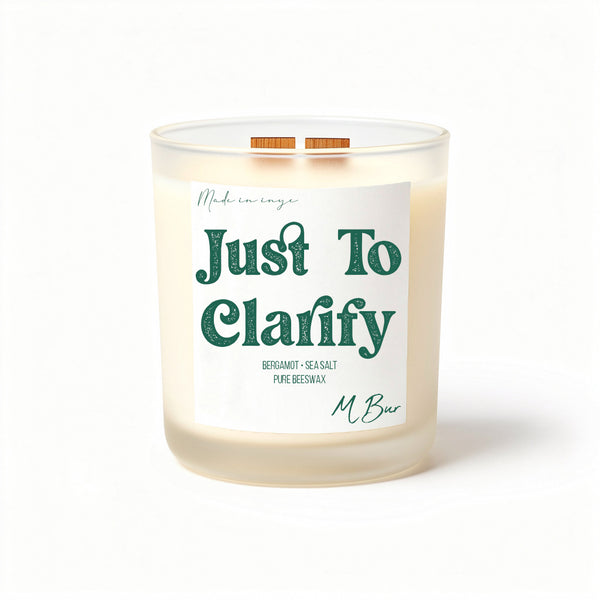
If your nursery runs warmer or you prefer something brighter, Just to Clarify, with bergamot, lemon, orange, green tea, black tea, and sandalwood, reads more like a clean open window than a scented product. Either one pairs well with the baking soda and charcoal system because you are not stacking fragrance on top of fragrance. You are neutralizing first, then adding a single clean layer.

Quick Reference: What Works vs. What Doesn't
| Method | Eliminates Odor? | Notes |
|---|---|---|
| Baking soda in pail | Yes | Neutralizes acidic compounds. Replace with each bag change. |
| Activated charcoal pouch | Yes | Absorbs VOCs passively. Replace every 2 to 4 weeks. |
| Weekly vinegar deep clean | Yes | Kills bacteria in seals, rim, and crevices. |
| Flushing solids before pail | Yes | Removes the biggest odor source entirely. |
| Scented trash bags | No | Masks odor, does not neutralize. Creates layered smell. |
| Clip on air fresheners | No | Same masking problem. Often contains phthalates. |
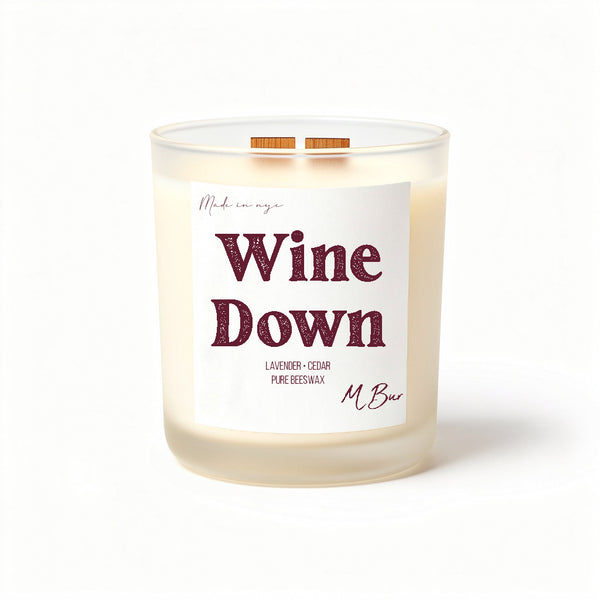
| Clean burning beeswax candle | Ambient improvement | Best used after neutralizing. No soot, no toxic fragrance. |
Frequently Asked Questions
How often should I actually clean my diaper pail?
Once a week, minimum. Wipe down the lid seal, rim, and interior with a vinegar and Borax solution, rinse, and let it dry completely before putting a new bag in. If you are dealing with a stomach bug or your baby has started solid foods (which changes the odor profile dramatically), bump that up to twice a week.
Is it safe to burn a candle in a baby's room?
It depends entirely on the candle. Paraffin candles release compounds you do not want in a nursery. A 100% beeswax candle with a wooden wick and non toxic, phthalate free fragrance burns much cleaner. Light it while you are in the room and extinguish it before you leave. Never leave a burning candle unattended around children. Browse our beeswax candle collection for options made specifically with clean ingredients.
My pail still smells after I cleaned it. What now?
If you have deep cleaned multiple times and the odor persists, the plastic has likely absorbed the smell permanently. At that point, replacing the pail is more effective than continuing to fight it. Stainless steel models resist odor absorption far better than plastic ones.
Do baking soda and charcoal actually work, or is that just an internet thing?
They work, and the mechanism is straightforward. Baking soda is alkaline and neutralizes acidic odor compounds from urine. Activated charcoal is extremely porous and physically traps volatile organic compounds. Neither one "masks" anything. They remove odor molecules from the air inside the pail.
The Bottom Line
Diaper pail odor is a solvable problem, but only if you stop trying to cover it up and start eliminating it at the source. Flush solids, clean weekly, dry completely, and keep baking soda or charcoal in the pail at all times. Then, if you want the nursery to smell genuinely good (not "air freshener fighting diaper" good), light a clean burning beeswax candle while you are in the room.
Every candle in MBur's beeswax collection is made with phthalate free fragrance, wooden wicks, and zero chemical dyes. The 20 hour size starts at $20, which is a reasonable way to find out if beeswax makes the difference parents keep telling us it does.
Related reading

