
How to Get Rid of Hair Dye and Salon Chemical Smell at Home
The ammonia hit from a fresh box dye can fill your entire bathroom in under a minute. Two hours later, your hair looks incredible and your apartment smells like a chemistry lab. You open windows, spray air freshener, shove a towel under the bathroom door. The chemical smell barely budges.
That lingering odor is not your imagination being dramatic. Ammonia, sulfur compounds, and volatile organic compounds (VOCs) from hair dye formulas cling to surfaces, hang in the air, and settle into porous materials like towels, shower curtains, and upholstery. The EPA classifies many of these VOCs as indoor air quality concerns for good reason.
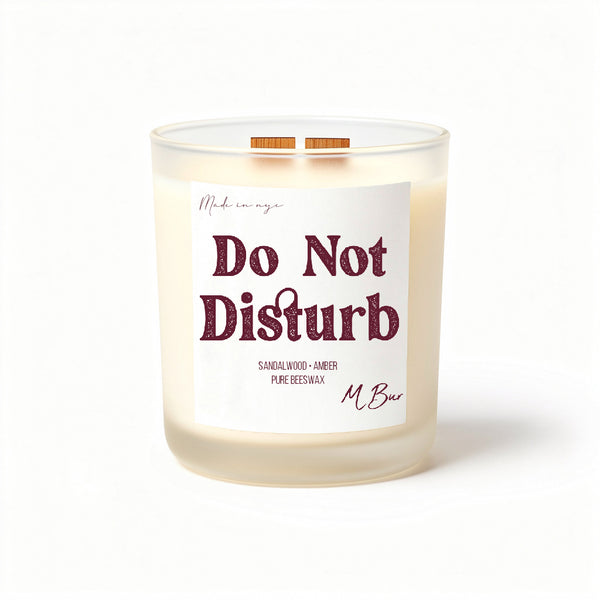
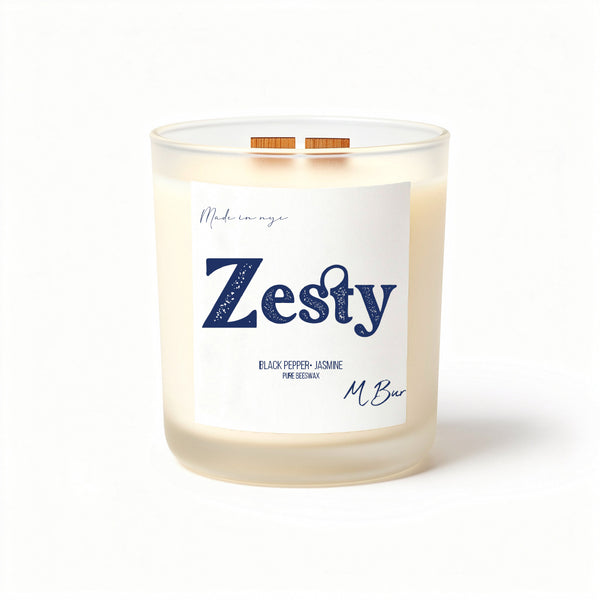
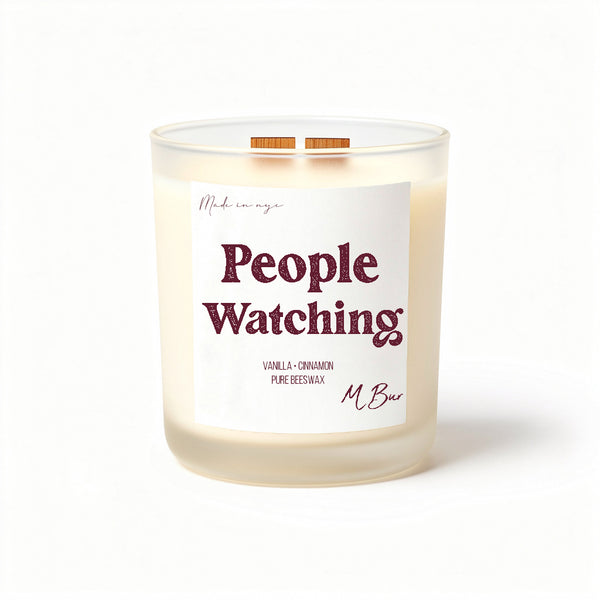
This guide breaks down exactly why that smell sticks around, how to neutralize it at the source, and how to get your space smelling normal again. If you want to skip ahead to the part where your apartment stops smelling like a salon back room, our full beeswax candle collection is a good place to land.
Why Hair Dye Smell Lingers (and Why Air Freshener Barely Helps)
Most permanent hair dyes use ammonia to pry open the hair cuticle so color molecules can penetrate the shaft. That sharp, eye watering smell is ammonia gas escaping into the air as the dye processes. Color removers are even worse: they rely on sulfur based reduction agents that produce sulfur dioxide, which is the "rotten egg" smell people describe after stripping old color.
These are not scents that dissipate the way cooking smells do. Ammonia is alkaline and volatile. It bonds with moisture in the air and on surfaces, which means your bathroom mirror, your grout, and your cotton towels are all absorbing it while you sit there with foils in your hair.
Conventional air fresheners mask the smell by layering a stronger fragrance on top of it. The ammonia and sulfur compounds are still present. You are just smelling two things now instead of one. To actually eliminate the odor, you need to neutralize the chemical residues and ventilate the space properly.

Step 1: Start with Your Hair (the Source of the Smell)
The biggest mistake people make is under rinsing. Experts consistently point to insufficient rinsing as the number one reason chemical odors persist after coloring. For shoulder length hair, rinse with warm water for a full five minutes minimum. For longer hair, add one minute per inch of additional length, then do a second five minute rinse after that.
Warm water matters here. Cold water closes the hair cuticle prematurely, which traps chemical residues inside the shaft. That means the smell keeps leaching out slowly over the next few days every time your hair gets warm or damp.
Neutralizing rinses that actually work
Baking soda solution: Dissolve two teaspoons of baking soda in a mug of warm water. Pour it through your hair after your final rinse and let it sit for ten minutes before rinsing again with warm water. Baking soda is mildly alkaline, which helps neutralize sulfur compounds specifically.
Apple cider vinegar rinse: Mix one part ACV with three parts water. This works better for ammonia based odors because the acidity neutralizes the alkaline residue. Pour it through, wait two minutes, rinse. Use this sparingly, once is enough, since repeated acid rinses can dry out freshly colored hair.
Clarifying shampoo: If you are past the 48 to 72 hour waiting period for color to set, a single wash with a sulfate free clarifying shampoo can strip lingering chemical residue without pulling too much pigment.
Step 2: Ventilate Aggressively (Not Just "Crack a Window")
Opening one window in the bathroom while the door stays closed does almost nothing. You need cross ventilation, meaning air flowing in from one opening and out through another.
Open the bathroom window and a window in an adjacent room. If your bathroom has an exhaust fan, run it during the entire dyeing process and for at least two hours after. If you do not have an exhaust fan, place a small portable fan in the doorway facing outward to push contaminated air toward the nearest open window.
This is the single most effective thing you can do for the room itself. Chemical ventilation is not about freshness. It is about physically moving VOC laden air out of the space and replacing it with clean air.
Step 3: Neutralize What is Left in the Air and on Surfaces
After ventilating, there will still be residual odor clinging to soft surfaces and hanging in corners where airflow is weakest. This is where most people reach for an aerosol spray and make things worse by adding more chemicals to an already chemical heavy room.
Surface cleanup
Wipe down hard surfaces (counters, mirrors, tile) with a solution of equal parts white vinegar and water. The acetic acid in vinegar reacts with ammonia residue and neutralizes it on contact. Toss any towels, washcloths, or capes you used directly into the washing machine with an extra rinse cycle.
Air purification
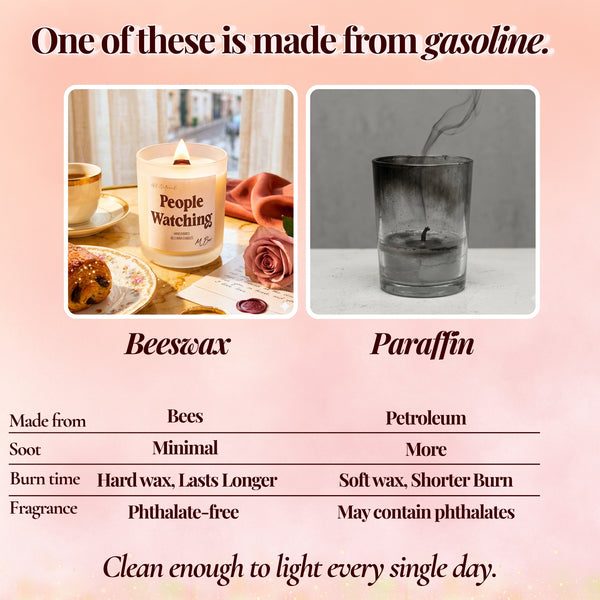
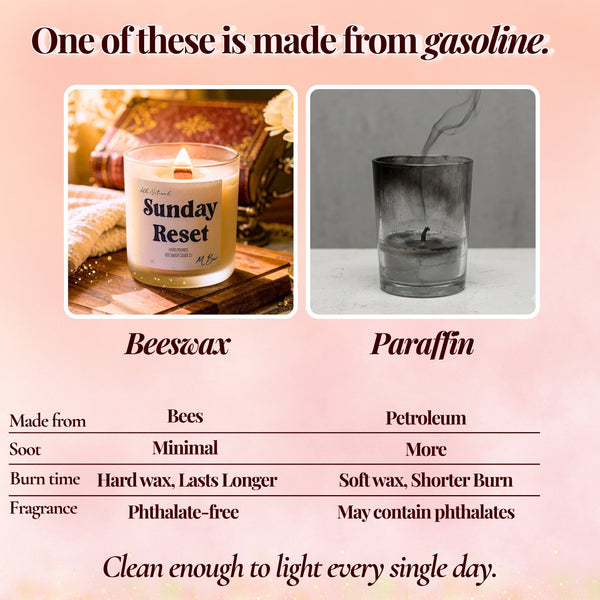
Beeswax candles are one of the few candle types that do more than mask a smell. When beeswax burns, it produces negative ions, which some research suggests may help bind with positively charged pollutant particles in the air and pull them down out of suspension. Whether or not you care about the ion science, the practical effect is noticeable: beeswax burns cleaner than paraffin or soy, produces virtually no soot, and does not add its own layer of chemical fragrance to a room already saturated with chemicals.
A candle made with toxic fragrance oils (the kind containing phthalates and undisclosed chemical compounds) would be counterproductive here. You are trying to reduce airborne chemicals, not add new ones. This is exactly the situation where the wax type and fragrance quality matter most.

"I absolutely love these candles! I instantly notice the difference in the air quality, in comparison to the Bath & Body scented candles. I love Bath & Body's candles but I acknowledge that it caused a slight headache and other minor respiratory discomfort. Awesome products. Totally addicted." Jason H.
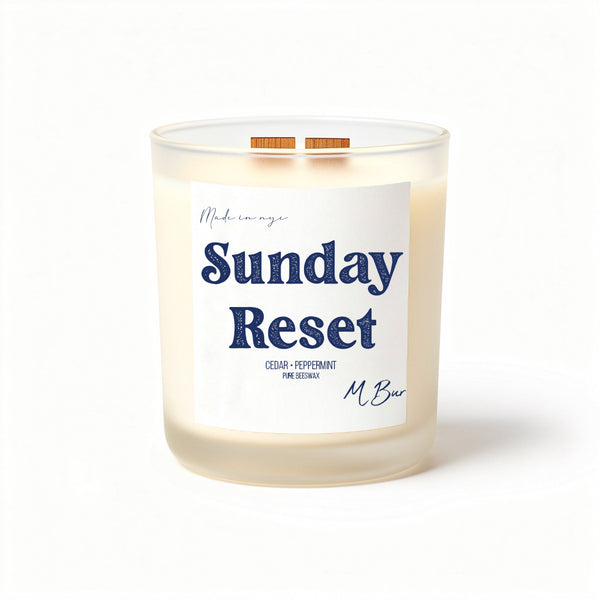
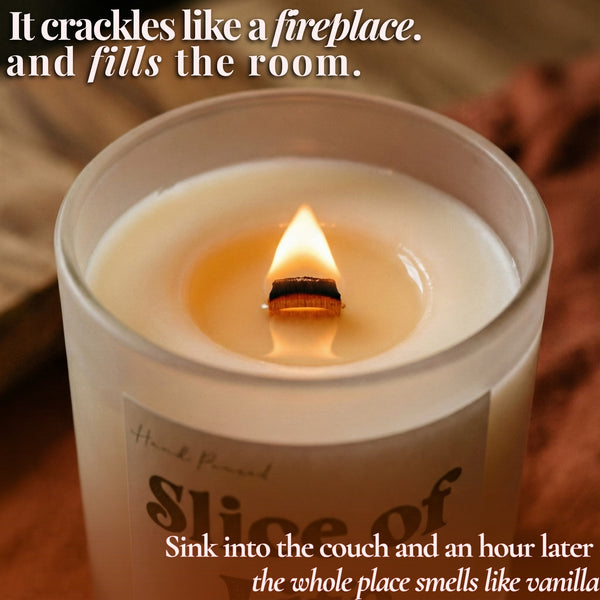
That review captures exactly why wax type matters when you are already dealing with chemical fumes. If you are looking for a candle that cleans the air instead of competing with salon chemicals, MBur's Sunday Reset candle is a strong pick for this situation. Its eucalyptus and peppermint notes cut through stale chemical odors with a sharp, clean scent, and the clove and cedar underneath keep it from smelling medicinal. The wooden wick crackle is a bonus when you have been sitting in ammonia fumes for an hour and your nerves are shot.
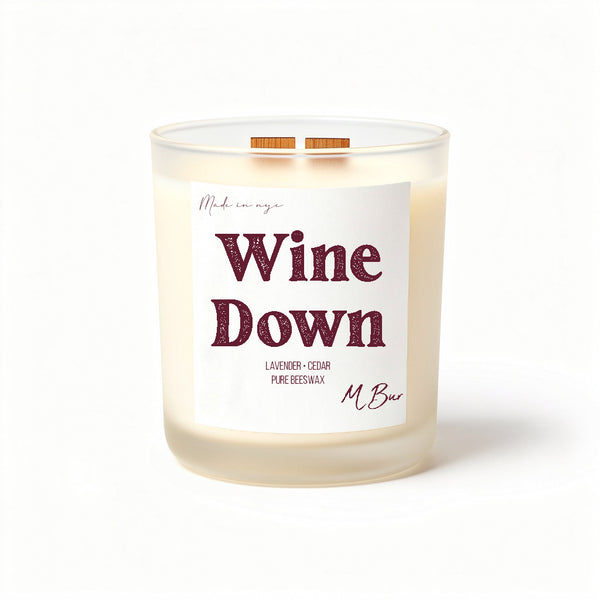
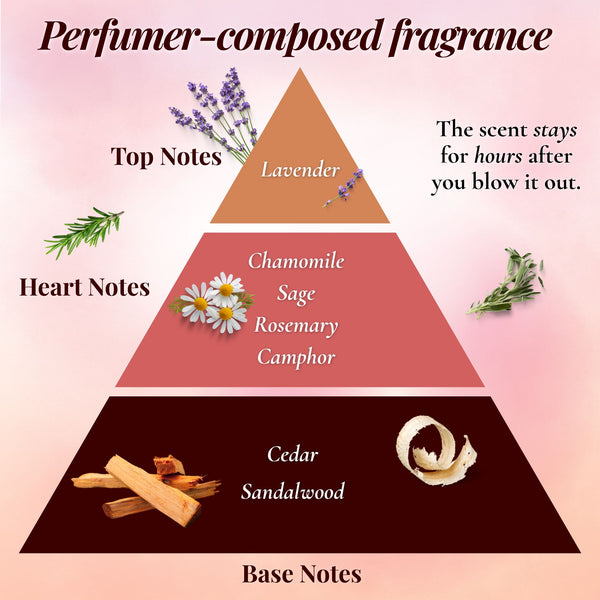
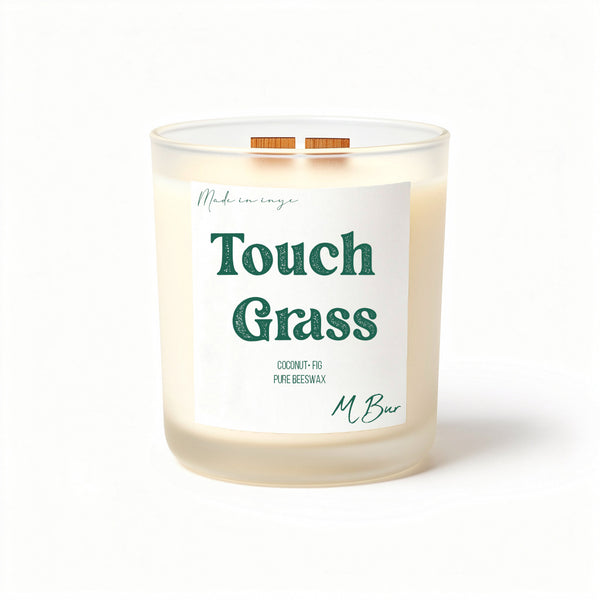
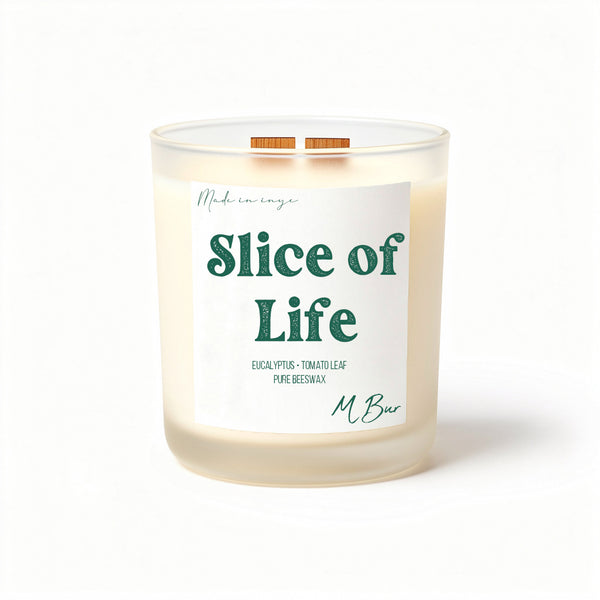
For something softer, especially if you are doing an evening color session and want to wind down after, Wine Down layers lavender, chamomile, sage, rosemary, and sandalwood in a way that reads as herbal and grounding rather than perfumey. Both are 100% beeswax with phthalate free fragrance and wooden wicks, so they burn clean in a room that has already had enough chemicals for one day.
Step 4: Prevent the Smell from Spreading in the First Place
If you color your hair at home regularly, a few prep habits can keep the smell contained to the bathroom instead of letting it colonize your entire apartment.
Close interior doors before you start. Chemical vapors travel through open doorways and settle into living room upholstery, bedding, and curtains. Keep the bathroom door closed (with the exhaust fan running or a fan pointed out the window) during processing time.
Lay down old towels or plastic sheeting. Porous surfaces absorb ammonia vapors. The less exposed fabric in the room, the less there is to absorb and re release the smell later.
Pre light a beeswax candle 15 minutes before you start dyeing. This gets negative ion production going before the ammonia hits the air. It will not eliminate the smell entirely during processing, but it gives you a head start on neutralization rather than playing catch up after.
Dispose of gloves, foils, and dye packaging immediately. Bag them and take them to the outdoor trash. Leaving used dye materials in your bathroom trash can is like leaving the source of the smell on a slow release timer.

Step 5: The 24 Hour Reset
Even after doing everything above, faint chemical traces can linger for a day. This is normal. Ammonia and sulfur compounds break down over time with exposure to fresh air. Here is how to speed up that final stretch.
Leave a small bowl of baking soda on the bathroom counter overnight. It absorbs airborne odor molecules passively. Replace it in the morning.
Run your bathroom exhaust fan for a full 24 hours after coloring if your setup allows it. Continuous low level ventilation is more effective than blasting a fan for 30 minutes and then closing everything up.
Wash your pillowcase the morning after coloring, even if you think the smell is gone from your hair. Your hair releases trace chemicals onto fabric while you sleep, and you will smell it when you lay down the next night if you skip this step.
A Quick Word About "Stronger Smell = Better Results"
This is one of the most persistent myths in at home hair coloring. A more pungent formula does not mean more effective color deposit. It usually means a more aggressive chemical cocktail. Many professional colorists in 2025 are moving toward ammonia free and low odor formulas that use botanical alternatives to open the cuticle. If the smell is consistently unbearable with your current brand, switching to a gentler formula might solve the problem before it starts.
Frequently Asked Questions
Why does my hair still smell like rotten eggs days after using a color remover?
Color removers use sulfur based reduction agents that produce sulfur dioxide. If you did not rinse long enough (five minutes minimum, plus one minute per inch of hair length past your shoulders, plus a second five minute rinse), those compounds get trapped inside the hair cuticle and slowly release every time your hair gets warm or wet. A baking soda rinse can help neutralize what is left. Going forward, rinse longer than you think you need to.
Can I wash my hair right after dyeing to get rid of the smell?
You should rinse thoroughly with warm water immediately after processing. Shampooing is a different question. Most colorists recommend waiting 48 to 72 hours before using shampoo so the cuticle can fully close and lock in pigment. If the smell is genuinely unbearable, a single gentle wash with a sulfate free shampoo is unlikely to ruin your color, but it may cause slight fading.
Do beeswax candles actually help with chemical smells or just cover them up?
Beeswax is the only candle wax that produces negative ions when burned, which some research suggests helps reduce airborne particulates. More practically, beeswax produces almost no soot and burns without releasing its own VOCs, so it does not add chemicals to a room that already has too many. A paraffin candle would make the air quality worse. A beeswax candle with non toxic fragrance, like the ones in MBur's collection, gives you a clean scent without the chemical tradeoff.
How long does it take for salon chemical smell to fully leave a room?
With aggressive ventilation (cross ventilation, exhaust fan, open windows), most of the smell will clear within two to four hours. Faint traces on soft surfaces can linger up to 24 hours. Using a baking soda bowl overnight and continuous low fan ventilation speeds this up significantly.
Will air freshener sprays help with hair dye smell?
Aerosol air fresheners layer a new scent on top of the chemical odor without neutralizing it. Many commercial sprays also contain their own VOCs and toxic fragrance compounds, which adds to the chemical load in the room rather than reducing it. Vinegar surface wipes, baking soda, ventilation, and a clean burning beeswax candle are all more effective approaches.
The Recap
Getting rid of hair dye smell comes down to three things: rinse your hair longer than you think necessary, ventilate the room with actual cross airflow, and neutralize residue on surfaces and in the air with vinegar, baking soda, and a candle that burns clean instead of adding more chemicals to the mix.
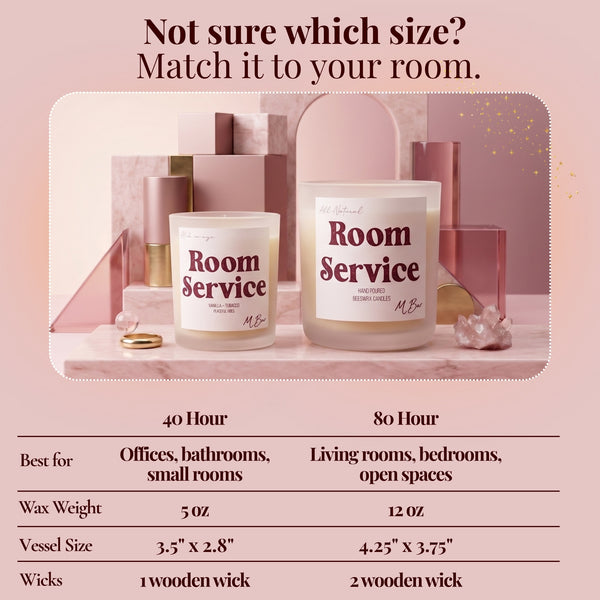
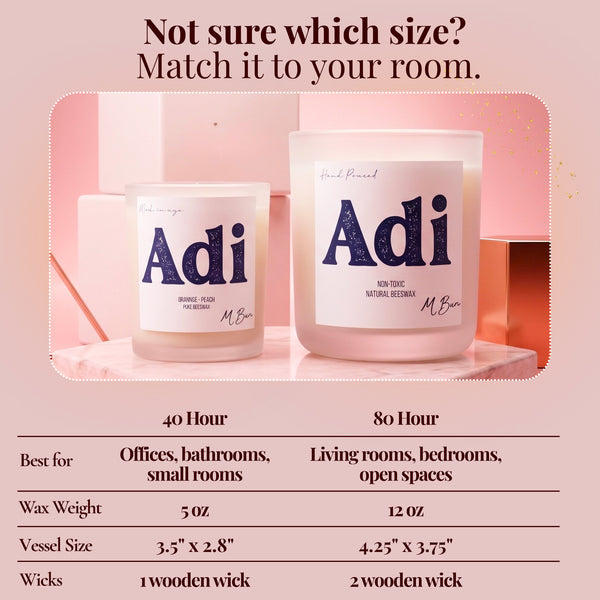
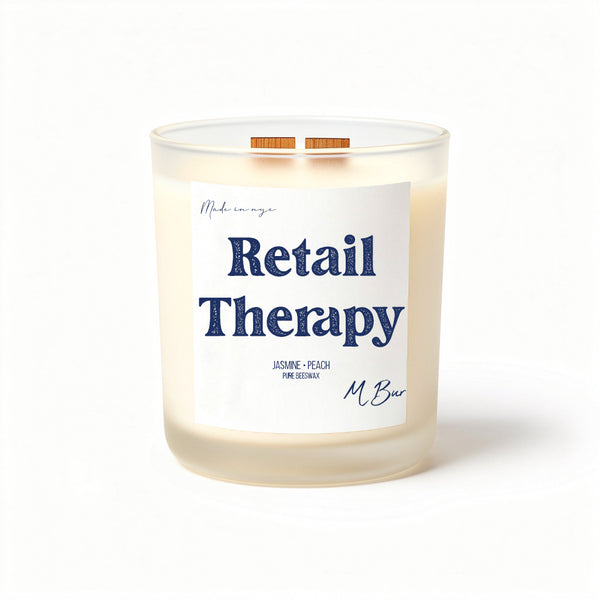
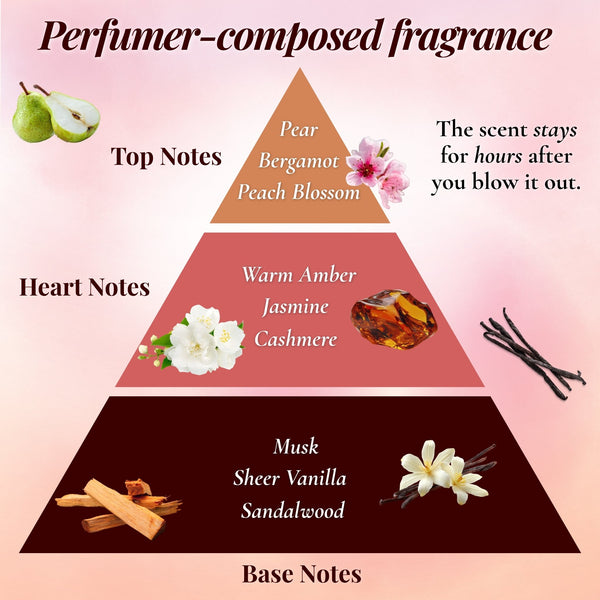
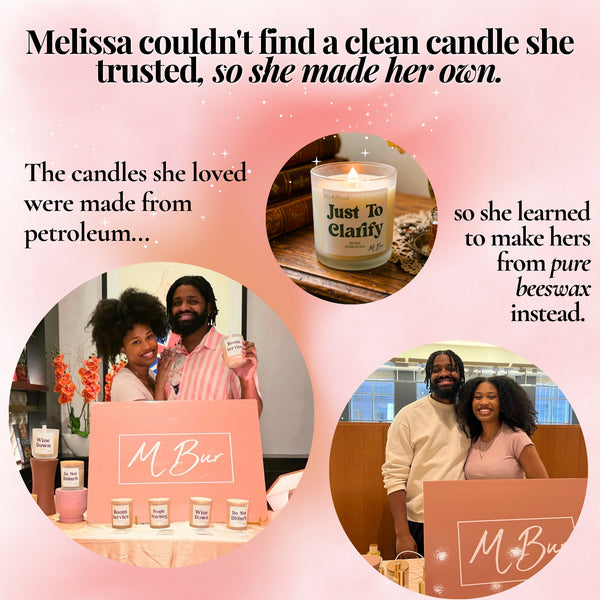
If you are going to light a candle in a room that is already saturated with ammonia and sulfur fumes, make it one that will not pile on more airborne junk. MBur's beeswax candles are 100% beeswax, phthalate free fragrance, wooden wicks, no chemical dyes, handmade in Queens, New York. The 20 hour size starts at $32 if you want to try one before committing to the 80 hour size.
"I love these candles. No headache or feeling nauseous like the Bath & Body candles with all the extra chemicals." Jason H.
Browse the full beeswax candle collection and find one that fits your post dye recovery ritual.
Related reading
Shop our candles