

How to Get Rid of Cast Iron Pan Smell: Tips and Tricks for a Fresh Kitchen
That cast iron skillet sitting on your stovetop smells like last Tuesday's salmon, and no amount of wiping it down has fixed it. You cooked one ambitious dinner and now the whole kitchen carries a faint, greasy reminder every time you walk past the stove.
The good news: a smelly cast iron pan is almost always a surface level problem with a straightforward fix. The better news: once you understand why it happens, you can prevent it from happening again. And if you want to neutralize lingering kitchen odors while you are at it, a clean burning candle does more than you might expect.
Below, we will walk through the actual science of cast iron odors, the most effective solutions (including a few myths worth busting), and how to keep your kitchen smelling the way you want it to. If you are already browsing for something to freshen up the room, our full beeswax candle collection is worth a look.
Why Does Your Cast Iron Pan Smell in the First Place?
Cast iron odors come down to three culprits, and identifying the right one determines the fix.
Rancid Oil Buildup
This is the most common cause. When you apply oil to your pan after cooking, the goal is for that oil to polymerize, which means it bonds to the iron and hardens into a smooth, plastic like surface. That is what seasoning actually is. It is a chemical transformation, not just a coating.
The problem starts when too much oil gets applied. Excess oil never fully polymerizes. It sits on the surface in a thin, sticky layer, and over days or weeks, it oxidizes. Oxidized oil is rancid oil. That stale, slightly nauseating smell wafting from the pan in your cabinet? Rancid oil is almost certainly the source.
Trapped Food Particles
Garlic, fish, onions, and peppers leave behind volatile compounds that cling to the pan's surface. If the pan was not cleaned thoroughly after cooking, those particles get sealed under the next layer of oil, essentially trapping the smell inside the seasoning.
Moisture and Improper Storage
A pan that was put away while still damp, or stored with a lid trapping moisture inside, creates the perfect conditions for off odors and even rust. Iron and water are not friends, and the metallic, musty smell that results is distinct from rancid oil.

How to Get Rid of Cast Iron Pan Smell: 5 Methods That Actually Work
1. Wash It With Soap (Yes, Really)
The old rule that soap destroys cast iron seasoning came from an era when household soap contained lye, which absolutely could strip a polymerized surface. Modern dish soap is mild enough to clean food residue and odors without damaging your seasoning. Virginia Tech's food science department has addressed this directly: today's detergents are safe for seasoned cast iron.
Use warm water, a squirt of dish soap, and a stiff brush or chainmail scrubber. Get into the edges and the sides, not just the flat cooking surface. Rinse thoroughly.
2. Try a Salt Scrub
Pour a generous amount of coarse kosher salt into the warm skillet and scrub with a paper towel, a brush, or even a cut potato. The salt acts as a gentle abrasive, lifting stuck on residue and absorbing trapped odors without chemicals. For stubborn smells, let the salt sit overnight in the pan before scrubbing.
3. Heat Treatment in the Oven
After cleaning, place the empty pan upside down in a 400°F oven for about 10 minutes. This temperature is high enough to vaporize the volatile compounds that cause odors (trialkylamines from fish, oxidized fatty acids from rancid oil) without damaging your seasoning. Think of it as burning off the smell at a molecular level.
4. Baking Soda Boil
Fill the pan with water, add a tablespoon of baking soda, and bring it to a boil for about 5 minutes. The alkaline solution helps break down greasy residue and neutralizes acidic odor compounds. Dump the water, scrub lightly, and dry completely over low heat on the stovetop.
5. Proper Re Seasoning (When All Else Fails)
If the smell persists after the methods above, the seasoning itself may be compromised. Strip it back with a 50:50 vinegar and water soak (no longer than 30 minutes, or you risk damaging the iron), scrub the surface clean, and re season from scratch. Apply approximately one teaspoon of a high smoke point oil, buff it across the entire surface, then wipe until the pan looks dry rather than glossy. Bake at 450°F for an hour. Let it cool in the oven.
The critical detail: when applying oil, less is more. You want the thinnest possible layer. Buff the oil on and then buff it off as if you made a mistake and are trying to remove it all. That counterintuitive approach is what prevents the rancid oil problem from returning.

Now Fix the Kitchen Air
Cleaning the pan solves the source of the smell. But cooking odors do not stay in the pan. They drift into curtains, settle on countertops, and linger in the air long after the food is gone. Opening a window helps. Running the range hood helps more. But if you want to actively replace a stale kitchen smell with something you actually enjoy breathing, the candle you choose matters.
Most grocery store candles are made from paraffin wax, which is a petroleum byproduct. Burning paraffin releases compounds like benzene and toluene into your air. So you are essentially swapping one air quality problem for another, which defeats the purpose when the whole goal is a fresher kitchen.
Beeswax burns cleaner than paraffin or soy. It produces minimal soot, has the longest burn time of any candle wax (due to its high melting point), and some studies suggest it may even help improve indoor air quality rather than degrade it.
"I absolutely love these candles! I instantly notice the difference in the air quality, in comparison to the Bath & Body scented candles. I love Bath & Body's candles but I acknowledge that it caused a slight headache and other minor respiratory discomfort. Awesome products. Totally addicted." Jason H.
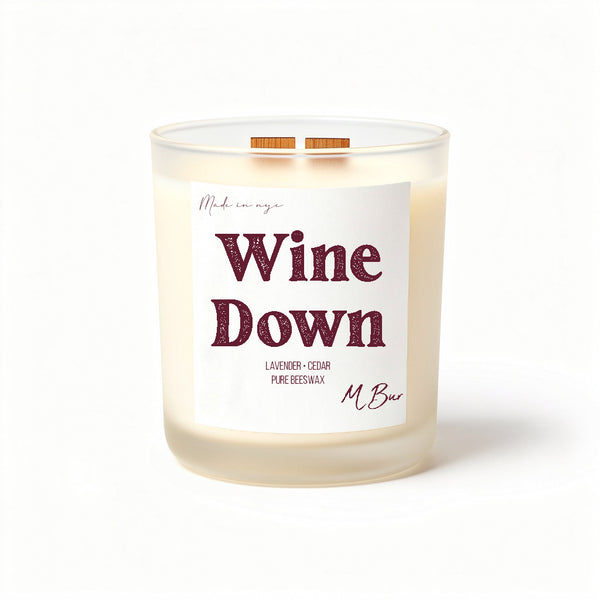
For a kitchen that just had a cast iron odor situation, Slice of Life is a strong pick. Its notes of spearmint, eucalyptus, tomato leaf, anise, and mint read as fresh and green, the kind of scent that makes a kitchen smell alive rather than perfumed. And Sunday Reset, with eucalyptus, clove, cedar, patchouli, and vanilla, works well if you want something that feels clean and grounding while you cook.
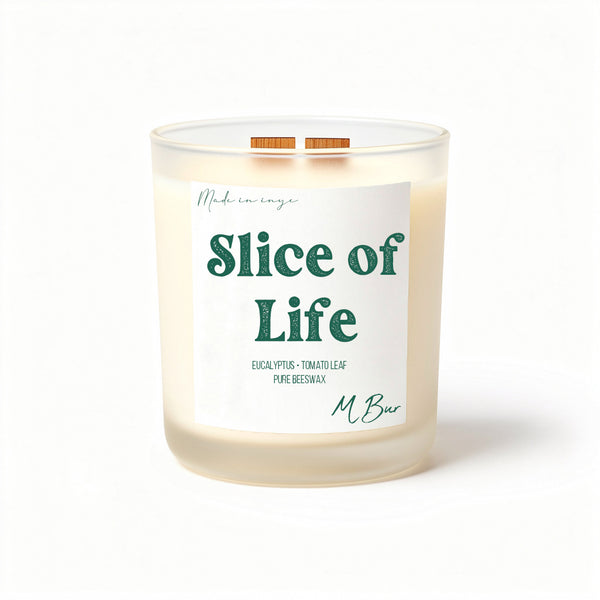
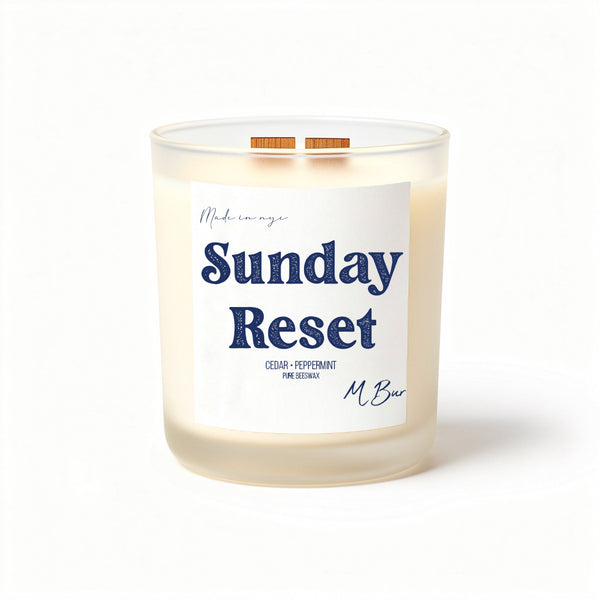
Both are 100% beeswax with wooden wicks and phthalate free fragrance. No toxic fragrance oils, no chemical dyes, no paraffin. Handmade in Queens, New York.
Preventing Cast Iron Smell From Coming Back
The best fix is prevention. Once your pan is clean and re seasoned, these habits will keep it that way.
Dry it completely every time. After washing, place the pan on a low burner for a minute or two until all moisture evaporates. Never let a cast iron pan air dry. Water pooling on iron is how you get rust and musty smells.
Stop over oiling. If you cook with the pan frequently (a few times a week), you likely do not need to apply oil after every use at all. The cooking itself maintains the seasoning. If you do oil for long term storage, one teaspoon buffed to a dry looking finish is all you need.
Store it uncovered. Stacking a lid on top traps moisture and prevents airflow. If you must stack pans, place a paper towel between them.
Cook something fatty after something pungent. If you seared fish, follow it up by cooking bacon, cornbread, or anything with butter the next time. The fat from the new cook helps absorb and replace lingering odor compounds in the seasoning.

Frequently Asked Questions
Why does my cast iron pan smell even when I haven't cooked in it?
Almost always rancid oil. If the pan was oiled before storage and that oil was applied too thickly, it never polymerized into proper seasoning. Instead, it sat on the surface and oxidized over time. The fix is a thorough wash with soap and warm water, followed by a 400°F oven treatment for 10 minutes. Then re oil with the thinnest possible layer.
Can I use a candle to cover up cooking smells?
You can, but what you burn matters. Paraffin candles add their own chemical compounds to the air, which is not ideal in a kitchen where you are already dealing with odor buildup. A 100% beeswax candle like the ones in MBur's collection burns cleaner and introduces fewer irritants. Pair it with good ventilation for the best results.
Is it safe to cook in a cast iron pan that smells bad?
Generally, yes. A strong odor is usually a sign of surface level issues (rancid oil or trapped food particles) rather than a safety hazard. That said, the flavor of your food will suffer, and rancid oil tastes as bad as it smells. Clean the pan before your next cook.
How long should I let salt sit in the pan to absorb odors?
For mild odors, 15 to 20 minutes of scrubbing should do it. For deeply embedded smells (fish, strong curry), pour a thick layer of coarse salt into the pan and leave it overnight. The salt draws out moisture and absorbs volatile odor compounds. Dump it in the morning, rinse, and dry over heat.
Does the type of oil I use for seasoning affect the smell?
Yes. Oils with lower smoke points are more likely to leave a sticky, partially polymerized residue that turns rancid. Stick to high smoke point options like refined avocado oil, grapeseed oil, or flaxseed oil. And regardless of the oil, the quantity matters more than the type. Apply less than you think you need, then wipe off even more.
The Short Version
Cast iron pan smell is a fixable problem. Wash with soap (it is fine, the lye myth is dead), scrub with salt, heat treat in the oven at 400°F, and re season with the absolute minimum amount of oil. Going forward, dry the pan over heat every time, stop over oiling, and store it uncovered.
For the lingering kitchen air, skip the paraffin candles and burn something that actually cleans up the room instead of adding to the problem. Browse the full MBur beeswax candle collection to find a scent that fits your kitchen. The 20 hour size starts at $20, and every candle is made with phthalate free, non toxic fragrance, wooden wicks, and pure beeswax.
Related reading

