
How to Get Rid of Attic Smell: A Comprehensive Guide
That stale, damp smell drifting down from your attic every time you open the hatch is telling you something. It might be faint, just a musty whisper when the house gets warm. Or it might be aggressive enough to seep into the bedroom below and settle into your pillows. Either way, attic odor does not fix itself, and ignoring it usually means a bigger problem six months from now.
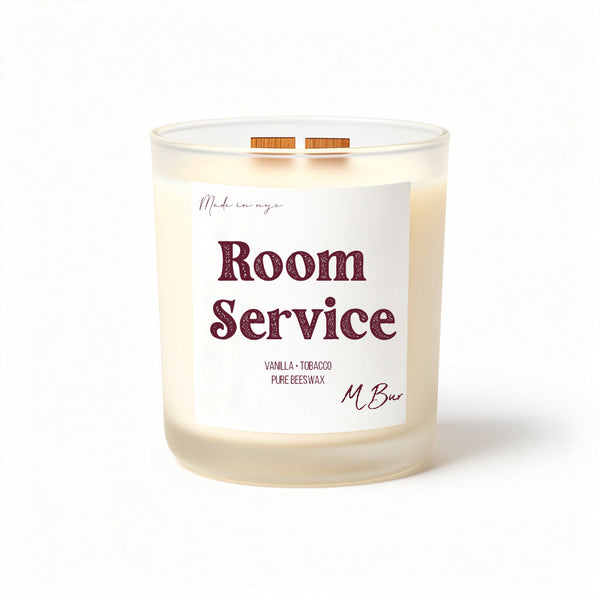
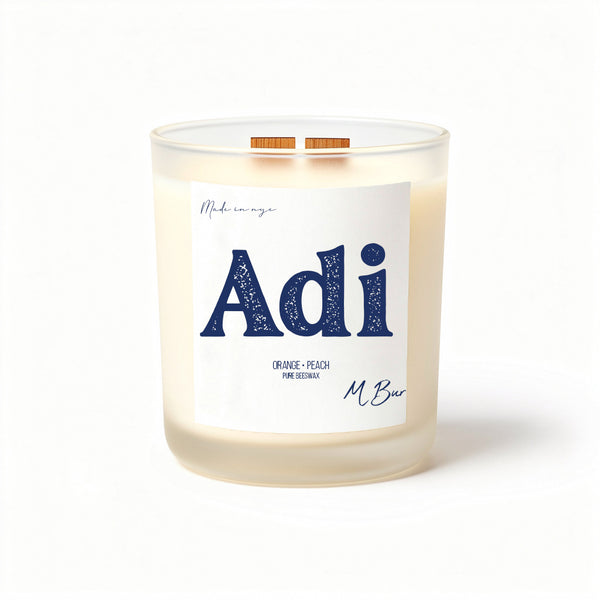
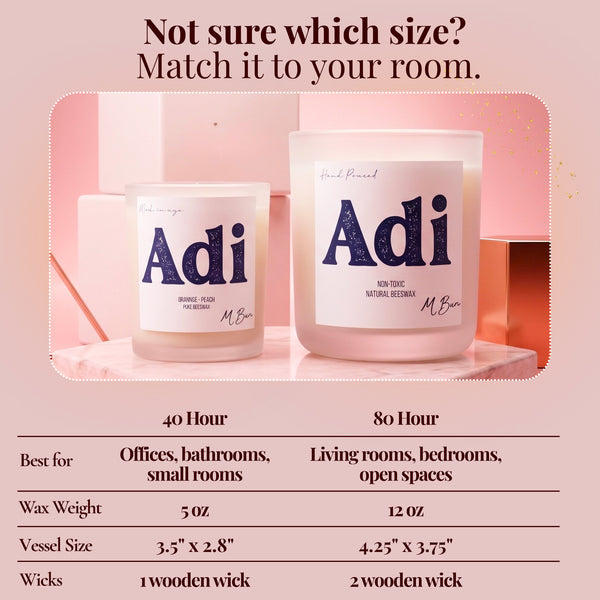
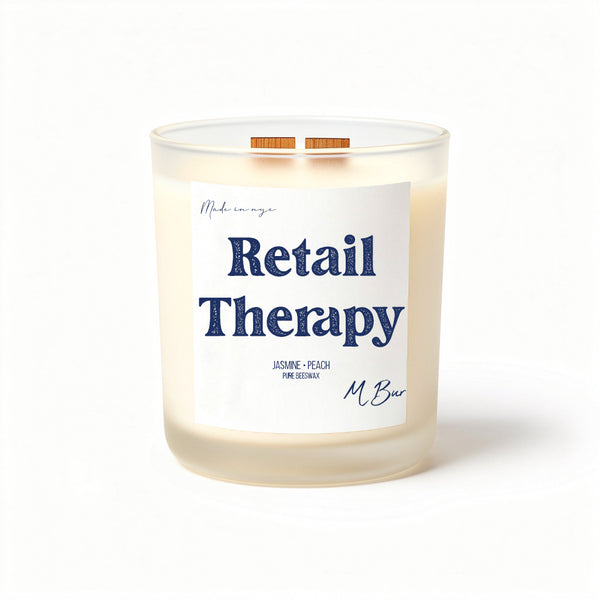
The good news: most attic smells trace back to a short list of causes, and every one of them has a practical fix. This guide walks through exactly why your attic smells, how to eliminate the source, and how to keep the air in your home clean once the work is done. If you are also rethinking what you burn and spray inside your living space, our full beeswax candle collection is worth a look, but we will get to that.
Why Your Attic Smells (and Why Air Fresheners Won't Fix It)
Spraying a can of something floral into a musty attic is like putting a bandage on a leaking pipe. The smell comes back because the source never left. Attic odors almost always fall into one of four categories, and each requires a different response.
1. Mold and Mildew
This is the most common culprit. Approximately 47% of U.S. homes show visible mold or detectable mold odors, and attics are prime territory. Warm, humid air rises from the living space below, hits the cold underside of the roof deck, and condenses. That moisture feeds mold, which can begin growing within 24 to 48 hours on porous materials like wood sheathing and insulation.
The telltale sign is an earthy, damp smell. You might also notice rusted nail tips poking through the roof sheathing (a sign of ongoing condensation) or dark discoloration on rafters.
2. Rodents and Pests
Mice, squirrels, raccoons, bats. If something has been living in your attic, it left behind urine, droppings, nesting material, and possibly a carcass. The smell is sharper and more pungent than mold. It gets worse in warm weather.
3. Poor Ventilation
Even without mold or pests, an attic with inadequate airflow will smell stale. Trapped heat, humidity from bathroom exhaust fans venting into the attic (instead of outdoors), and stagnant air all contribute to that "old house" funk that people mistakenly accept as normal.
4. Contaminated Insulation
Old insulation absorbs everything: moisture, pest waste, dust, cooking odors from decades past. If the insulation is wet, compacted, or visibly soiled, it is acting as a sponge that holds and releases odor continuously.

Step by Step: How to Get Rid of Attic Smell for Good
The order matters here. Deodorizing before fixing the source is wasted effort. Work through these steps sequentially.
Step 1: Inspect and Identify the Source
Grab a flashlight and get up there. You are looking for:
- Dark spots, discoloration, or fuzzy growth on rafters, sheathing, or joists (mold)
- Water stains or damp patches on insulation (leak or condensation)
- Droppings, chewed materials, or nesting debris (pests)
- Blocked or absent soffit and ridge vents (ventilation failure)
If you find mold covering more than about 10 square feet, evidence of active pest infestation, or extensive water damage, call a professional. This is not a weekend DIY situation at that scale.
Step 2: Fix the Moisture Problem
Every attic smell guide that skips this step is lying to you. Moisture is the engine behind most attic odor. Until you cut off the water source, everything else is temporary.
Check the roof. Look for cracked flashing, missing shingles, or gaps around vents and chimneys. Even a small drip can saturate insulation over months.
Reroute exhaust fans. Bathroom and kitchen exhaust fans should vent to the outside of the house, not into the attic. This is one of the most common and easily fixable causes of attic moisture. A contractor can reroute ducting in a few hours.
Target humidity. Aim for relative humidity between 30% and 50% in the attic. A standalone dehumidifier works for active problems. A hygrometer (under $15 at any hardware store) lets you monitor levels over time.
The EPA's mold cleanup guide is a solid resource if you want the full technical breakdown on moisture remediation.
Step 3: Improve Attic Ventilation
Proper attic ventilation means balanced airflow: cool air enters through soffit vents at the eaves and exits through ridge vents or gable vents at the peak. This continuous cycle prevents warm, moist air from pooling and condensing.
Common mistakes that kill ventilation:
- Insulation pushed up against soffit vents, blocking intake
- Ridge vents installed but soffit vents missing (or vice versa)
- Gable vents painted shut during exterior renovations
If your attic has no ventilation system at all, a roofing contractor can install soffit and ridge vents. It is one of the most cost effective upgrades you can make for both odor prevention and energy efficiency.

Step 4: Remove Contaminated Materials
Once the moisture source is fixed and ventilation is working, deal with what is already damaged.
Insulation: If it is wet, compacted, or contaminated with pest waste, it needs to come out. Installing new insulation over old, contaminated material just traps the odor underneath. This is a common and expensive mistake.
Mold on wood: For small areas of surface mold on rafters or joists, scrub with a stiff brush and a solution of water and detergent. Skip the bleach. Bleach is often ineffective on porous surfaces like wood because it only kills surface mold while the root structure survives underneath. Worse, it introduces extra water into the equation.
Pest cleanup: Wear an N95 respirator and gloves. Remove all nesting material and droppings. Enzyme based cleaners are effective for breaking down the proteins in urine that cause lingering odor. If you suspect a dead animal in an inaccessible area, a pest removal service can locate and extract it.
Step 5: Deodorize Naturally
Now, and only now, does deodorizing make sense. With the source eliminated, natural deodorizers can handle residual smell.
Baking soda: Spread open containers or shallow trays of baking soda across the attic floor. It absorbs odor molecules over time. Replace every two to four weeks until the smell is gone.
Activated charcoal: More effective than baking soda for persistent odors. Place charcoal bags near the areas that were most affected. They work passively and last for months.
White vinegar: Bowls of undiluted white vinegar absorb airborne odors. The vinegar smell itself dissipates within a day or two.
Ventilation boost: On dry days, open the attic hatch and any windows or vents to flush stale air. A box fan pointed toward an open vent accelerates the process significantly.
What you want to avoid: chemical sprays, plug in air fresheners, and anything that adds volatile organic compounds to an already compromised space. If you are trying to clean up your indoor air, introducing more chemicals defeats the purpose.
Keeping the Rest of Your Home Smelling Clean
Attic smells rarely stay in the attic. Gaps around the hatch, recessed light fixtures, and unsealed ductwork all act as pathways for musty air to drift into your living space. Even after you fix the attic itself, you might notice that stale note lingering in the rooms below for a while.
This is where what you burn in your home actually matters. Many conventional candles and air fresheners use toxic fragrances containing phthalates and parabens, which add their own load of VOCs to your indoor air. If you just spent a weekend fixing an air quality problem in your attic, the last thing you want is to introduce new pollutants at nose level.
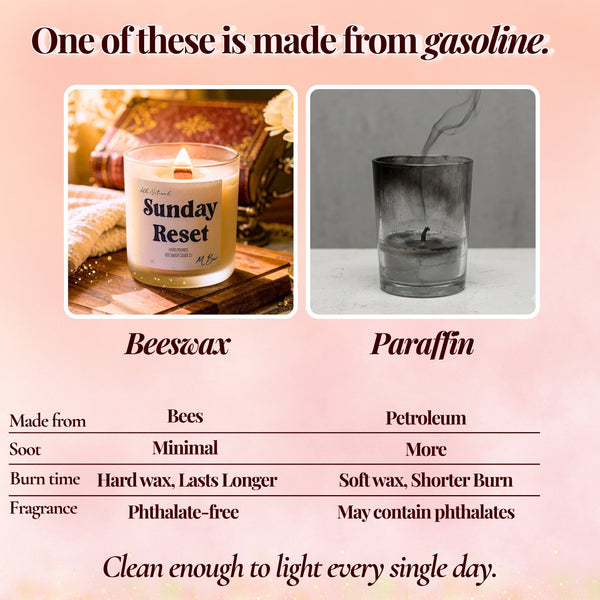
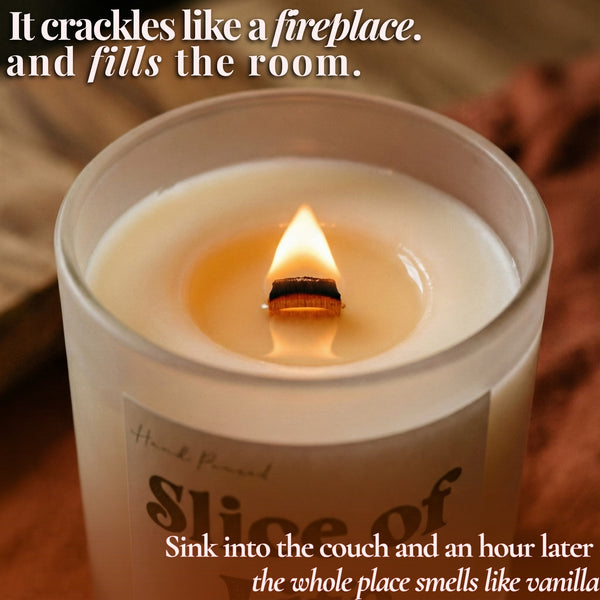
Pure beeswax candles are a genuinely different category. Beeswax is the cleanest burning candle wax available, producing virtually no soot (unlike paraffin, which is a petroleum byproduct and leaves that black residue on walls and ceilings). Some studies suggest beeswax may even release negative ions that help neutralize airborne pollutants, though the primary benefit is simply what it does not put into the air.
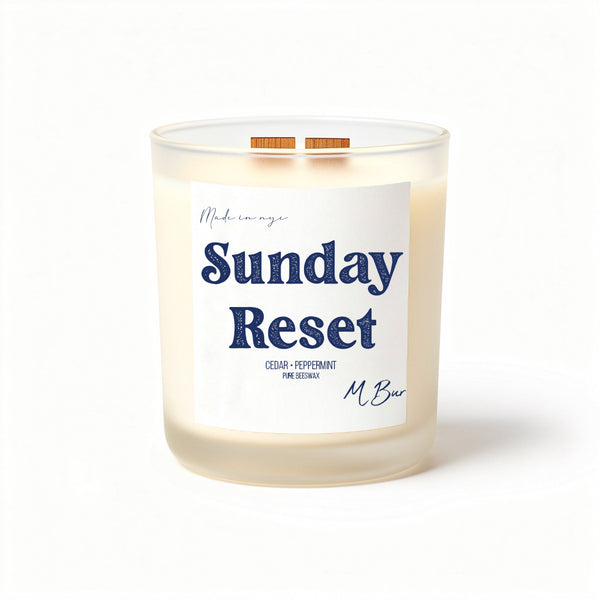
Our Sunday Reset candle is a good match for a freshly cleaned space. The eucalyptus, clove, and cedar notes hit clean and sharp, the kind of scent that signals a fresh start rather than masking something underneath. It is 100% beeswax with a wooden wick and phthalate free fragrance, so you are adding scent without adding chemicals.
"I absolutely love these candles! I instantly notice the difference in the air quality, in comparison to the Bath & Body scented candles. I love Bath & Body's candles but I acknowledge that it caused a slight headache and other minor respiratory discomfort. Awesome products. Totally addicted." Jason H.
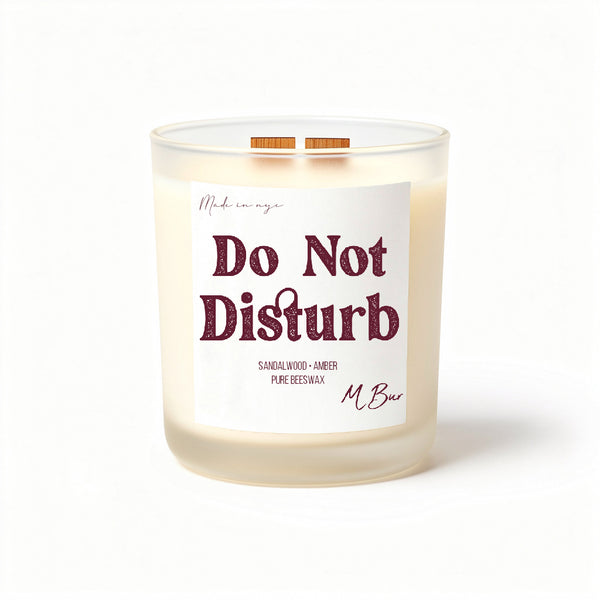
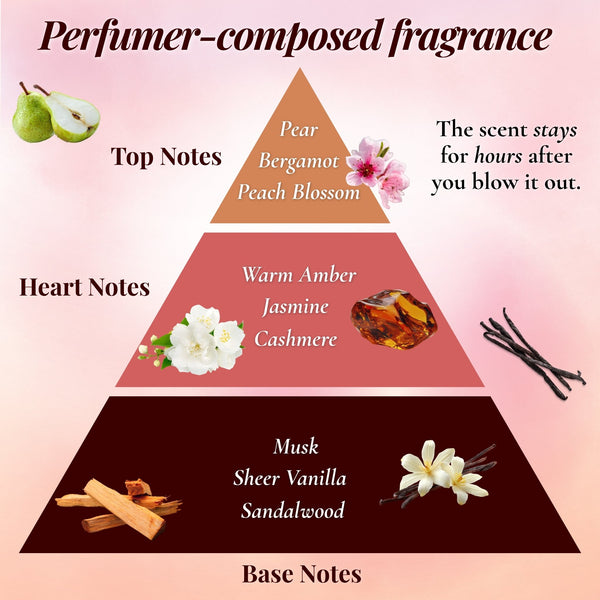
For rooms that connect to the attic, like upstairs bedrooms, Do Not Disturb works well. Bergamot and pear, soft and calming, without the overpowering perfume quality that makes some scented candles feel like part of the problem.

Preventing Attic Smell from Coming Back
Once you have done the hard work, a little maintenance keeps the problem from returning.
Inspect twice a year. Check the attic in spring and fall. Look for new water stains, condensation, pest activity, or blocked vents. Catching a small issue early prevents a big one later.
Monitor humidity. Leave a hygrometer in the attic permanently. If humidity creeps above 60%, investigate before mold has a chance to establish.
Keep vents clear. After any insulation work or renovation, verify that soffit and ridge vents are unobstructed.
Seal the attic boundary. Weatherstrip the attic hatch. Seal gaps around light fixtures, pipes, and wiring that pass through the attic floor. This prevents both moisture migration upward and odor migration downward.
Replace insulation proactively. If your insulation is more than 20 years old and has been through any moisture event, replacement is worth the investment for both air quality and energy efficiency.
Frequently Asked Questions
Why does my attic smell musty even though I don't see any leaks?
Poor ventilation is the most likely cause. Warm, humid air from the living space below rises into the attic and condenses on cold surfaces like the roof deck and nail tips. Over time, that moisture feeds mold and mildew growth even without a single drop of rain getting in. Improving soffit to ridge airflow often resolves this entirely.
Can attic smells actually affect the air quality in my bedroom?
Absolutely. Gaps around the attic hatch, recessed lighting, and unsealed ductwork create direct pathways for musty air and mold spores to circulate into your living space. Sealing those gaps is critical, and switching to clean burning candles like those in our beeswax candle collection helps ensure you are not adding more pollutants on top of the problem.
Is bleach the best way to kill mold in my attic?
It is actually one of the least effective options for porous surfaces like wood. Bleach kills surface mold but cannot penetrate deep enough to reach the root structure, and the water content in bleach can actually feed further growth. A stiff brush with detergent and water works better for small areas. For anything larger than about 10 square feet, call a professional.
How long does it take for natural deodorizers to work?
Baking soda and activated charcoal typically need one to four weeks to absorb residual odors, depending on severity. The key is that the odor source must already be eliminated. If you are still smelling mustiness after a month of natural deodorizers, the moisture problem has not been fully resolved.
Do beeswax candles actually help with indoor air quality?
The primary benefit is what beeswax does not do. Unlike paraffin candles, which release benzene, toluene, and formaldehyde when burned, 100% beeswax produces virtually no soot or toxic byproducts. Some studies suggest beeswax releases negative ions that may help neutralize airborne particles, though this should not be treated as a substitute for proper ventilation and source control. The Sunday Reset candle with its eucalyptus and cedar notes is a popular choice for freshening a room without adding chemicals.
The Bottom Line
Attic smell is a symptom, not the disease. Fix the moisture, improve the ventilation, remove contaminated materials, and then deodorize. That sequence matters. Skip a step and the smell comes back.
Once the attic is handled, pay attention to what you are putting into your indoor air everywhere else. Pure beeswax candles with non toxic, phthalate free fragrance and wooden wicks give you real scent without the chemical load that conventional candles carry. Browse our full beeswax candle collection to find the right fit for your freshly clean home.
Related Reading
Shop our candles