

How to Get Rid of Kitchen Sponge Smell: 10 Effective Tips
That sour, mildewy punch that hits you when you pick up your kitchen sponge is bacteria. Millions of them. A kitchen sponge can harbor upward of 32 million bacteria in a single cubic centimeter, and the porous structure of the sponge actually helps those colonies thrive better than a laboratory petri dish, according to research funded by the National Science Foundation.
The good news: you can fix it. Below are ten practical ways to kill the smell, slow the bacterial growth, and keep your kitchen from greeting you with that wet dog funk every time you reach for the dish soap. And once the sponge situation is handled, we will cover how to make the whole kitchen smell like a place you actually want to cook in.
If you are already thinking about how to make the kitchen smell better in general, our full beeswax candle collection is worth a look. But first, the sponge.
Why Your Kitchen Sponge Smells (The Short Version)
The culprit is a bacterium called Moraxella osloensis. It feeds on the food particles, soap residue, and moisture trapped deep inside the sponge's pores, and it produces that distinctive sour odor as a byproduct. The same organism is responsible for the smell in musty laundry.
Warmth and moisture accelerate everything. A sponge sitting in a wet sink basin is essentially a petri dish with better ventilation. And the longer a sponge stays in rotation, the deeper bacteria colonize its structure, making surface cleaning less and less effective over time.

10 Ways to Get Rid of Kitchen Sponge Smell
1. Microwave It (The Fastest Fix)
Soak the sponge in water so it is completely saturated, then microwave on high for 60 to 120 seconds. The USDA found this kills over 99% of bacteria, yeasts, and molds. One critical detail: the sponge must be wet. A dry sponge in the microwave is a fire hazard. Also skip this method if your sponge has any metallic scrub pad attached.
2. Run It Through the Dishwasher
Toss the sponge on the top rack and run the hottest, longest cycle with heated dry. The combination of high water temperature and the dry cycle does a solid job of reducing bacterial load. This is a good set it and forget it option if you run the dishwasher daily anyway.
3. Bleach Soak
Mix one tablespoon of regular bleach per gallon of water. Submerge the sponge for five to ten minutes, then rinse thoroughly and wring it out. This works, though the USDA's own testing found high heat methods (microwave and dishwasher) were generally more effective than chemical soaks.
4. Vinegar Soak
If you prefer to skip bleach, submerge the sponge in undiluted white vinegar for five minutes. Vinegar is a weaker disinfectant than bleach, but it does reduce bacterial counts and neutralizes odor. Rinse well afterward.
5. Wring It Out Completely After Every Use
This is the single most overlooked habit. Bacteria need moisture to reproduce. A sponge that sits in even a thin film of water between uses becomes a breeding ground within hours. After every use, squeeze out as much water as you possibly can.
6. Store It Upright in a Ventilated Holder
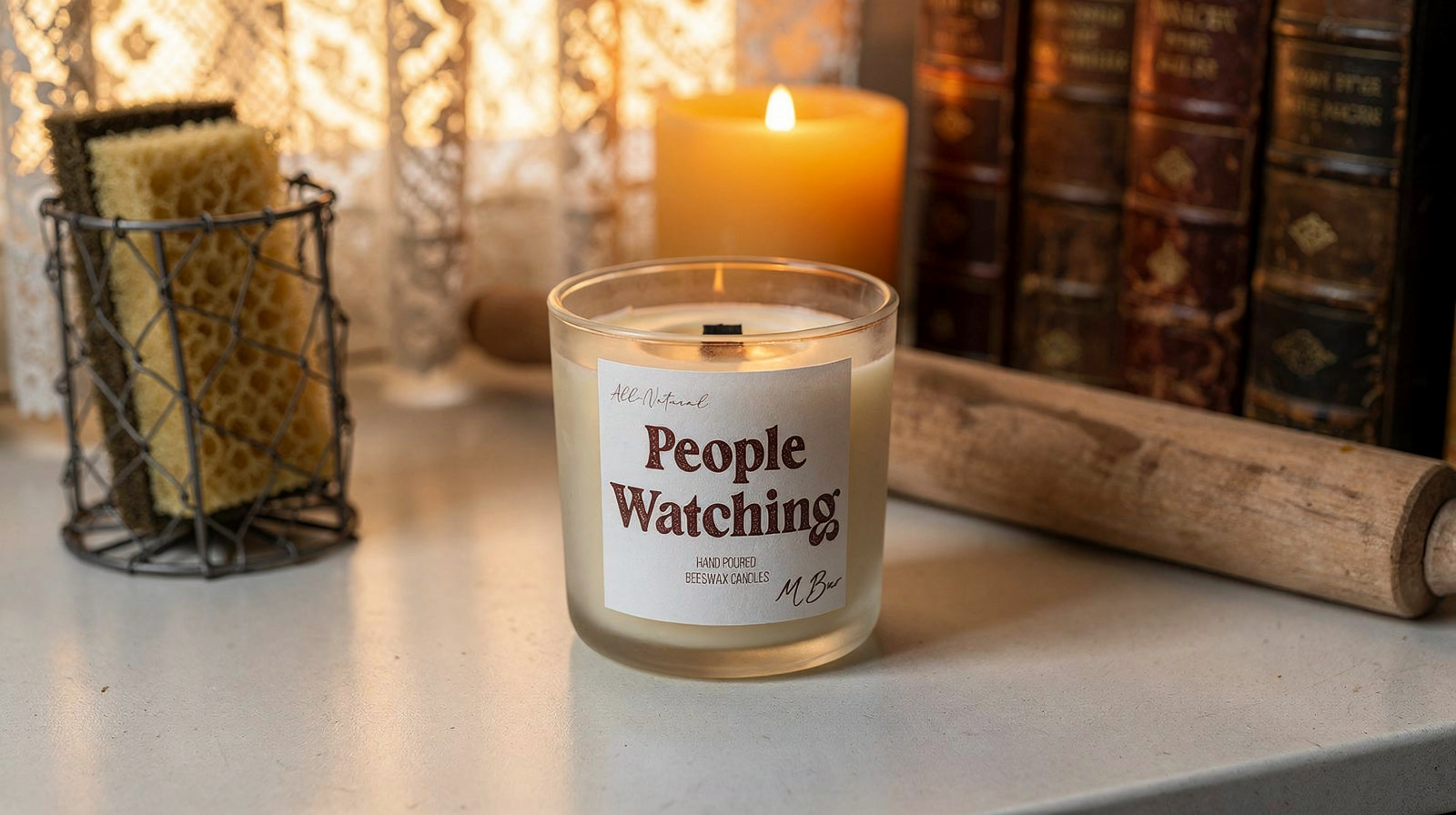
A sponge lying flat on the sink ledge or sitting in a puddle at the bottom of a soap dish dries slowly and unevenly. A small wire holder or a clip that lets air circulate on all sides makes a measurable difference. The faster the sponge dries, the slower bacteria grow.
7. Designate Separate Sponges for Separate Jobs
Using the same sponge for dishes, countertops, and wiping up raw chicken juice is a cross contamination problem that also accelerates odor. Keep one sponge for dishes and use paper towels or disposable wipes for raw meat messes and surface cleaning. Your dish sponge will stay fresher longer when it is not pulling double duty on raw protein.
8. Replace It Every One to Two Weeks
This is the recommendation from food safety researchers at Clemson University and others: replace your sponge every one to two weeks, period. If it smells sour, feels slimy, or is starting to fall apart, do not try to sanitize it back to life. Toss it. Sanitization becomes less effective as the sponge degrades, and research suggests the most resilient bacteria are the ones that survive repeated disinfection attempts.
9. Try a Sponge Alternative
Silicone scrubbers, dish brushes with replaceable heads, and Swedish dishcloths all dry faster than traditional cellulose sponges, which means bacteria have less time to colonize. A dish brush with a long handle also keeps your hands farther from the grime. If you are tired of the sponge smell cycle entirely, switching to a faster drying tool is the most permanent fix.
10. Keep the Sink Area Dry
A chronically wet sink basin and countertop create a humid microclimate that affects everything nearby, including the sponge. Wipe down the area around the faucet after doing dishes. It takes thirty seconds and it changes the smell equation for the entire sink zone.
Once the Sponge Is Handled: Making the Kitchen Smell Good
Eliminating the sponge smell solves the bacteria problem, but it does not make your kitchen smell like anything. It just removes the bad. If you want the kitchen to actually smell inviting, especially before guests arrive or while you are cooking something that leaves a lingering odor (fish, curry, fried anything), you need something that puts scent into the air without adding chemicals to it.
This is where candle choice matters more than most people realize. Paraffin candles release soot and volatile organic compounds when they burn. In a kitchen where you are already dealing with cooking fumes and moisture, adding petroleum byproducts to the air is counterproductive. Beeswax burns cleaner than paraffin or soy, produces virtually no soot, and has the longest burn time of any candle wax because of its high melting point.
"I absolutely love these candles! I instantly notice the difference in the air quality, in comparison to the Bath & Body scented candles. I love Bath & Body's candles but I acknowledge that it caused a slight headache and other minor respiratory discomfort. Awesome products. Totally addicted." Jason H.
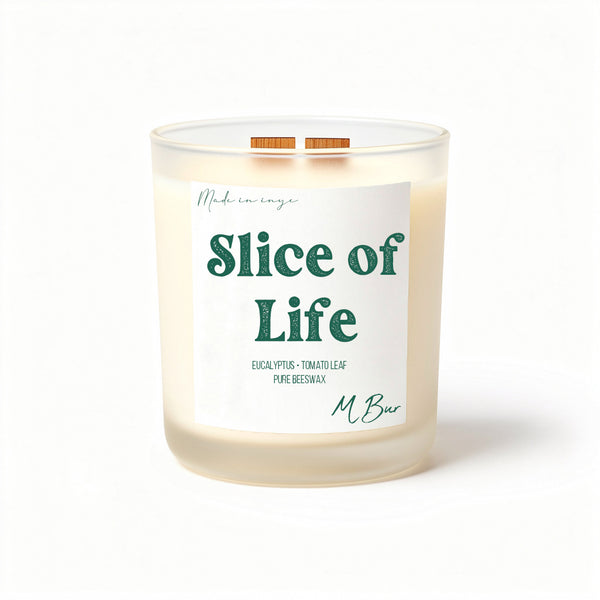
For the kitchen specifically, Slice of Life was built for this room. Its scent notes are spearmint, eucalyptus, tomato leaf, anise, and mint. That green, herbal profile cuts through cooking odors without competing with them. The eucalyptus opens the room up, the spearmint keeps things clean and sharp, and the tomato leaf grounds it so it actually smells like a kitchen, just a really good one.
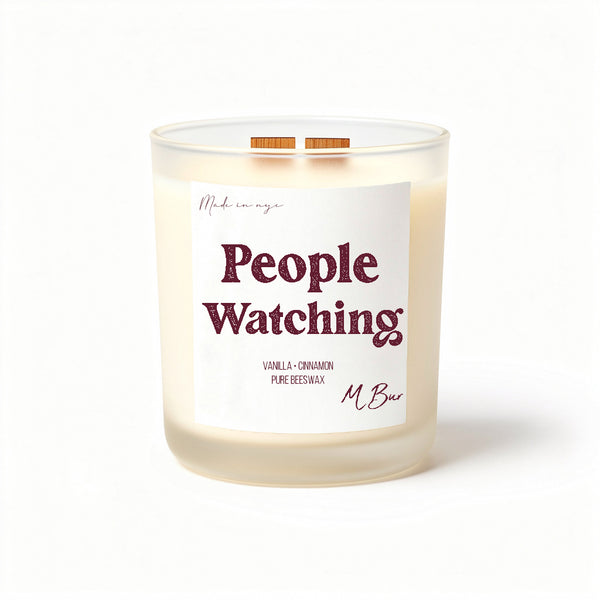
If you prefer something warmer, People Watching brings lemon, orange, vanilla, cinnamon, clove, nutmeg, and allspice. Think citrus zest over warm baking spice. It works especially well in open concept spaces where the kitchen flows into a living area.

A Quick Note on Kitchen Air Quality
Between cooking fumes, cleaning products, and yes, that sponge, the kitchen takes a hit on air quality more than any other room. Ventilation helps enormously. Run the range hood when you cook, crack a window when the weather allows, and avoid burning candles made with toxic fragrance oils that contain phthalates and parabens. Every MBur candle uses non toxic, phthalate free fragrance, wooden wicks (no metal cores releasing particulates), and 100% pure beeswax with no chemical dyes. They are handmade in Queens, New York.
The 20 hour size starts at $20 and the 80 hour size runs $65. At 80 hours of burn time, you are looking at weeks of kitchen sessions from a single candle.
Frequently Asked Questions
Why does my kitchen sponge smell even after I wash it?
Soap and warm water do not penetrate deep enough into the sponge's pores to kill the bacteria living there. In fact, leaving the sponge damp after a soapy rinse can encourage more growth. You need high heat (microwave or dishwasher) or a bleach soak to make a real dent, and even those are temporary measures. Replacement every one to two weeks is the only reliable long term fix.
Is a smelly sponge actually dangerous or just gross?
Both. The odor itself comes from bacteria, and some of the bacteria sharing that space include E. coli, Salmonella, and Campylobacter. These pathogens can transfer from sponge to countertop to hands to food. A 2026 study found that pathogens can survive for weeks even after a sponge has dried out. So yes, it is a real food safety issue.
What is the best candle scent for a kitchen?
Herbal and citrus profiles work best because they complement food smells rather than clashing with them. Slice of Life (spearmint, eucalyptus, tomato leaf, anise, mint) was designed specifically for kitchen spaces. If you want to browse more options, the full candle collection has twelve scents and each product page describes exactly what the candle smells like.
How long do beeswax candles actually burn?
Beeswax has the highest melting point of any candle wax, which means it burns slower and lasts longer. MBur candles range from 20 hours (the smallest size) to 80 hours (the largest). For context, a typical paraffin candle of similar size burns roughly 40 to 50% faster.
Can I burn a candle while cooking?
Yes, with common sense. Keep it away from the stove, anything flammable, and any area where you are actively handling food. A candle on the kitchen island or a side counter works well. Trim the wick to about 1/8 inch before each burn for a clean, even flame.
The Takeaway
Kitchen sponge smell is a bacteria problem with a straightforward fix: sanitize regularly with high heat, dry the sponge completely between uses, and replace it every one to two weeks instead of trying to nurse it back to health. Once the source of the odor is gone, a clean burning beeswax candle can make the kitchen smell the way you want it to.
Browse the full MBur beeswax candle collection to find the right scent for your kitchen. Every candle is 100% pure beeswax, wooden wick, phthalate free fragrance, and handmade in Queens. The 20 hour size starts at $20.
Related reading

