

The Ultimate Guide to Verifying Clean Candle Claims: What to Look For Before You Buy
Every candle brand calls itself "clean" now. Scroll through any candle shop online and you will see the same words repeated like a mantra: natural, non toxic, clean burning, eco friendly. The problem is that none of those terms are legally regulated. A company can pour paraffin wax, add a fragrance blend loaded with phthalates, stick a cotton wick in it, and slap "clean" on the label without breaking a single law.
That is not a hypothetical. It is the current state of the candle industry. And if you have ever stood in a store trying to figure out which candle is actually worth your money and your lungs, the confusion is by design. "Clean" sells. Proving it is optional.
This guide breaks down exactly what to check, what to ignore, and how to tell whether a candle brand is transparent or just good at marketing. If you want to skip ahead and see what full ingredient transparency looks like in practice, browse our full beeswax candle collection where every material is listed and explained.
Why "Clean" Means Nothing (Legally Speaking)
There is no federal agency, certification body, or industry standard that defines what a "clean" candle is. The U.S. Consumer Product Safety Commission regulates candle fire safety. The EPA tracks volatile organic compounds. But the word "clean" on a candle label? Completely unregulated.
Compare that to food labeling, where "organic" requires USDA certification and regular audits. In the candle world, "organic," "natural," and "non toxic" are all voluntary marketing claims. No audits. No inspections. No consequences for misuse.
This means the burden falls entirely on you, the buyer. And that is frustrating, but it is also fixable once you know what to look for.

The Five Things That Actually Matter
Forget the buzzwords on the front of the label. Flip it over. Here is what separates a genuinely clean candle from one that just plays the part.
1. Full Ingredient Disclosure
This is the single most important thing to check, and the one most brands fail. Under the 1973 Fair Packaging and Labeling Act, fragrance formulas are classified as trade secrets. That means a brand can hide hundreds of individual chemicals behind the single word "fragrance" or "parfum" on their label.
A trustworthy brand will voluntarily list its wax type, wick material, and fragrance components. Not just "soy blend" or "natural fragrance," but the actual materials. If a company will not tell you what is in the candle, that silence is your answer.
2. Wax Source and Composition
Wax is the fuel. It is what you are burning for hours in an enclosed room, so it matters.
Paraffin is a petroleum byproduct. When burned, it can release compounds like benzene, toluene, and formaldehyde. Many candles labeled "soy" or "coconut" are actually blends that contain a significant percentage of paraffin, because blending is cheaper and the label only needs to name the most prominent wax.
Pure beeswax is a single ingredient wax. It has the highest melting point of any candle wax, which means it burns slower and produces less soot. It is also a natural byproduct of honey production, not a petroleum refining process. If a label says "beeswax blend," that blend is mostly something else.
3. Wick Material
Lead core wicks were banned in the United States in 2003, so that particular danger is mostly behind us for domestic brands. But wick material still affects burn quality. Zinc core wicks can produce a metallic smell. Some cotton wicks are treated with chemicals to control the burn rate.
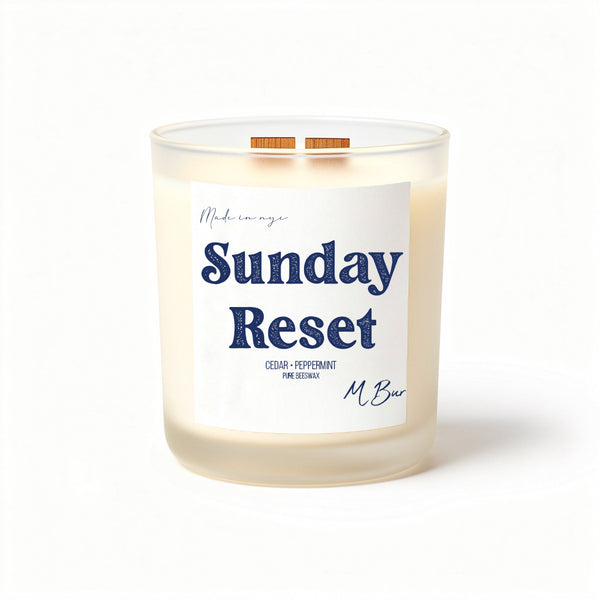
Wooden wicks burn at a lower temperature, produce minimal soot, and create an even melt pool across the surface of the candle. They also make a quiet crackling sound, which is a pleasant side effect rather than a safety feature, but worth mentioning.
4. Fragrance Transparency
This is where most "clean" candles quietly fall apart. A candle can use 100% soy wax and a cotton wick and still fill your room with phthalates, parabens, and other endocrine disruptors hidden inside its fragrance oil.
The distinction that matters is between toxic fragrance and non toxic fragrance. Toxic fragrance oils contain phthalates (used as fixatives to make scent last longer) and other compounds linked to hormonal disruption. Non toxic, phthalate free fragrance oils deliver scent without those compounds.
When a brand says "natural fragrance" without specifying what that means, it tells you very little. Essential oils can also contain natural allergens that trigger respiratory issues in sensitive individuals. The question is always: will you tell me exactly what is in this?
5. Dyes and Additives
Chemical dyes are often overlooked. They can release additional compounds when burned and contribute to soot buildup. A candle that gets its color from its wax (beeswax is naturally golden, for instance) rather than from added dyes is one fewer variable to worry about.

The Verification Checklist
Before you buy any candle that claims to be clean, run through this list. If the brand cannot answer these questions clearly, keep looking.
- Is the wax a single ingredient or a blend? If it is a blend, what are the percentages?
- What is the wick made of? Cotton, wood, hemp, or something else?
- Are the fragrance oils phthalate free? Not "natural," not "clean," but specifically free of phthalates.
- Are chemical dyes used? If the candle is colored, where does the color come from?
- Will the brand share a full ingredient list? Not a marketing summary. The actual list.
- Where is the candle made? Domestic, small batch production tends to have tighter quality control than mass overseas manufacturing.
A brand that checks every one of those boxes is doing the work. A brand that checks two or three and hides behind buzzwords for the rest is cutting corners where you cannot see them.
What Full Transparency Looks Like in Practice
MBur Candle Co. is a useful case study here because there is nothing hidden. The wax is 100% pure beeswax, a single ingredient, not a blend. The wicks are wooden. The fragrance oils are phthalate free and non toxic. There are no chemical dyes. Every candle is handmade in small batches in Queens, New York.
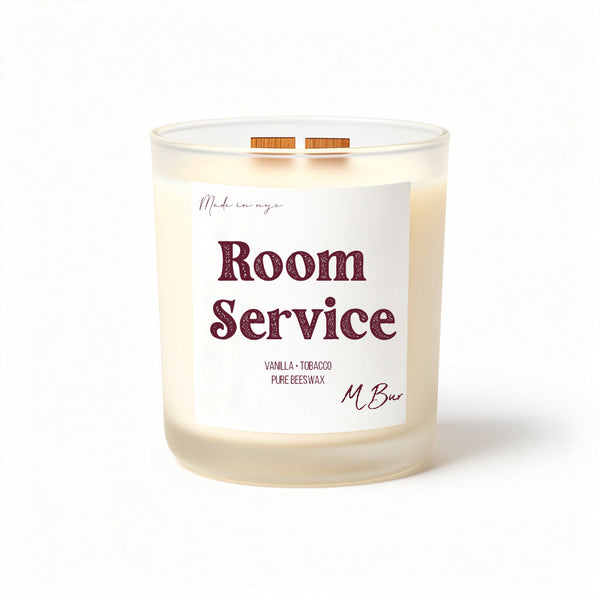
That level of specificity is what you should expect from any brand asking for your trust. If Room Service, our bestseller with notes of saffron, white tea leaves, purple peonies, orchid, tobacco, vanilla, almond milk, and tonka bean, can list every ingredient and scent note on its page, so can any candle company that genuinely has nothing to hide.
"I absolutely love these candles! I instantly notice the difference in the air quality, in comparison to the Bath & Body scented candles. I love Bath & Body's candles but I acknowledge that it caused a slight headache and other minor respiratory discomfort. Awesome products. Totally addicted." Jason H.
Jason's experience illustrates something important: the difference between a clean candle and a conventional one is often something you feel physically before you understand intellectually. Headaches, sinus irritation, that film of black soot on your walls. Those are symptoms of what is burning, not just how it smells.
Common Traps to Avoid
"Soy Blend" Does Not Mean Soy
A candle labeled "soy blend" can legally be mostly paraffin with a small percentage of soy wax mixed in. There is no required ratio. If the label does not say "100% soy" and list the exact composition, assume the blend contains paraffin.
"Natural" Is Not a Safety Guarantee
Essential oils are natural. Some of them are also potent allergens. Eucalyptus, cinnamon, and clove oils can all trigger respiratory sensitivity in some people. "Natural" describes origin, not safety. What matters is whether the specific ingredients are disclosed so you can make an informed decision.
Pretty Packaging Is Not Proof
Minimalist labels, earth tones, recycled cardboard. These design choices signal "clean" without proving anything about the product inside. A candle in a mason jar with a hand lettered label can contain the same paraffin and toxic fragrance as a candle from a big box store. Design is not data.

Burn Practices That Matter Regardless of Wax Type
Even the cleanest candle benefits from proper use. A few habits make a measurable difference in air quality and burn performance.
Trim the wick to a quarter inch before every burn. This controls flame height, reduces soot, and helps the candle burn evenly. For wooden wicks, snap off the charred tip with your fingers or a wick trimmer.
Let the wax pool reach the edges on the first burn. This usually takes about two hours for a standard sized candle. Blowing it out before the pool reaches the edges creates tunneling, which wastes wax and shortens the candle's life.
Keep candles away from drafts. Air movement causes the flame to flicker, which produces uneven burning and more soot. A steady flame in still air is what you want.
Ventilate the room. Even a clean burning candle is still combustion. Crack a window or keep a door open, especially in smaller rooms.
Frequently Asked Questions
Is "non toxic" a regulated term for candles?
It is not. There is no government mandated definition or certification for "non toxic" candles. Any brand can use the term without meeting a specific standard. That is why checking the actual ingredient list matters more than trusting the label claim. Brands like MBur that list every component, from wax to wick to fragrance, give you the information to decide for yourself. You can see exactly what goes into each candle in our full beeswax candle collection.
Do beeswax candles really burn longer than soy or paraffin?
Yes. Beeswax has the highest melting point of any candle wax, which means it burns slower. MBur's largest size burns for approximately 80 hours. That is significantly longer than a comparably sized soy or paraffin candle, which typically maxes out around 40 to 50 hours.
How can I tell if a candle's fragrance contains phthalates?
If the label just says "fragrance" with no further detail, you cannot tell. That is the problem. Look for candles that explicitly state "phthalate free" and ideally list the fragrance components. If a brand will not disclose what is in their fragrance, treat that as a red flag.
Are wooden wicks better than cotton wicks?
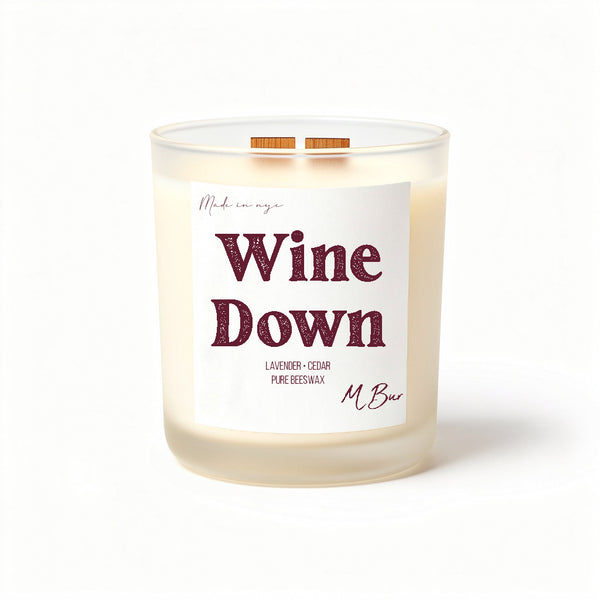
Both can be fine if they are properly sized for the candle. Wooden wicks tend to produce a wider, more even melt pool and generate less soot than cotton wicks. They also burn at a slightly lower temperature. The crackling sound is a bonus. Try Wine Down, with its notes of lavender, chamomile, sage, rosemary, camphor, cedar, and sandalwood, to hear the difference a wooden wick makes.
What if I am sensitive to scents in general?
Sensitivity to candles is often a reaction to specific compounds in the fragrance or wax, not to scent itself. Switching to a candle with phthalate free fragrance, pure wax (no petroleum byproducts), and no chemical dyes removes the most common irritants. Many people who thought they "could not do candles" find that a genuinely clean candle does not trigger the same reaction. If you have a diagnosed respiratory condition, follow your doctor's guidance on any scented products.
The Bottom Line
"Clean" is a marketing word. Ingredient lists are facts. Every candle purchase is a trust exercise, and the brands worth trusting are the ones that show you everything: the wax source, the wick material, the fragrance composition, the dye situation, and where it was all put together.
If you want a candle that checks every box on the verification checklist above, explore MBur's full beeswax candle collection. Pure beeswax, wooden wicks, phthalate free fragrance, no chemical dyes, handmade in Queens. Starting at $20 for the 20 hour size.
"Absolutely loved the Wine Down candle! The scent is so light and clean, not overpowering at all, which is exactly what I look for. A lot of other candles tend to give me headaches, but this one was a total game changer." Nicole D.
Related reading
- What Makes a Candle Non Toxic? How to Spot the Real Thing
- Why Paraffin Free Candles Are a Must Have for a Healthier Home
- Discover the Benefits of Non Toxic Candle Fragrance Oils: Enhancing Your Space without Harmful Chemicals
- Discover the Secret to Soot Free Candles: Say Goodbye to Mess and Hello to Clean Burn

