

How to Fix a Smelly Wooden cutting boards, Step by Step
Your wooden board still smells faintly of raw meat or onion after washing because the juices settle into the knife grooves, where a quick rinse cannot reach. Wash it hot, sanitize it, then scrub it with coarse salt and lemon and let it dry standing up. Oiling the wood afterward seals the grain so smells stop soaking in.
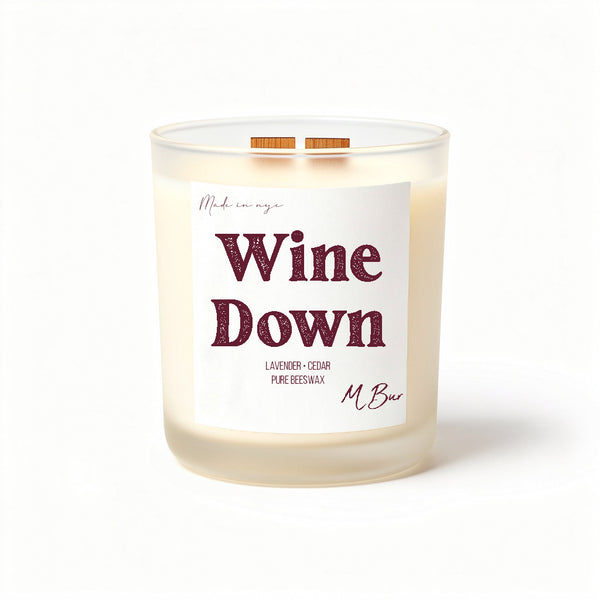
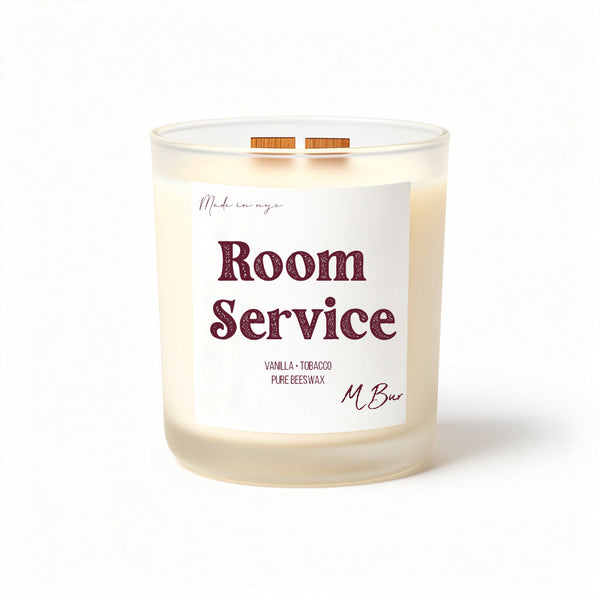
We make small-batch beeswax candles in Far Rockaway, so a room that truly smells clean is our whole focus, and that always starts at the source rather than the scent. Below is where the smell comes from, how to clear it step by step, and how to keep the space fresh afterward, with the full the MBur beeswax candle collection here as you read.

Why wood holds the smell
Wood is porous, so the juices from raw meat, onion, and garlic soak below the surface. The fine grooves left by your knife then trap food and bacteria where soap and water skate right over them.
That is more than a smell problem. A board that held raw meat can pass bacteria to whatever you cut next, so cleaning it well matters for safety as much as odor.
How to clean and deodorize it, step by step
- Wash it hot right away. Scrub the board with hot water and dish soap as soon as you finish, working a brush into the grooves rather than just wiping the surface.
- Sanitize it. Wipe or spray it with a food-safe bleach solution, about one tablespoon of unscented bleach per gallon of water, or with plain white vinegar, then let it sit a minute and rinse. The USDA's cutting board guidance covers this for both wood and plastic.
- Scrub with salt and lemon. Pile coarse salt on the board and scrub it in with half a lemon to lift set-in smells, then rinse.
- Dry it upright. Stand the board on its edge so both faces air-dry, and never leave it lying flat in water.
- Oil the wood. Rub in a little food-safe mineral oil now and then to seal the grain so juices cannot soak in as easily.
Never soak a wooden board or run it through the dishwasher. The heat and water warp it, split the grain, and open up more grooves for bacteria to hide in.
Keep it from happening again
Keep one board for raw meat and a separate one for produce and ready-to-eat food, which the USDA recommends to avoid cross-contamination. Color-coded boards make the habit easy.
Replace any board once the grooves get too deep to clean, since a worn board cannot really be sanitized.
Freshen the whole room once the source is gone
With a smelly board handled, the air itself is the last step. A clean candle is the finishing touch here, best lit once the space is already clean. From there it is the fastest way to make the room read fresh rather than merely neutral.
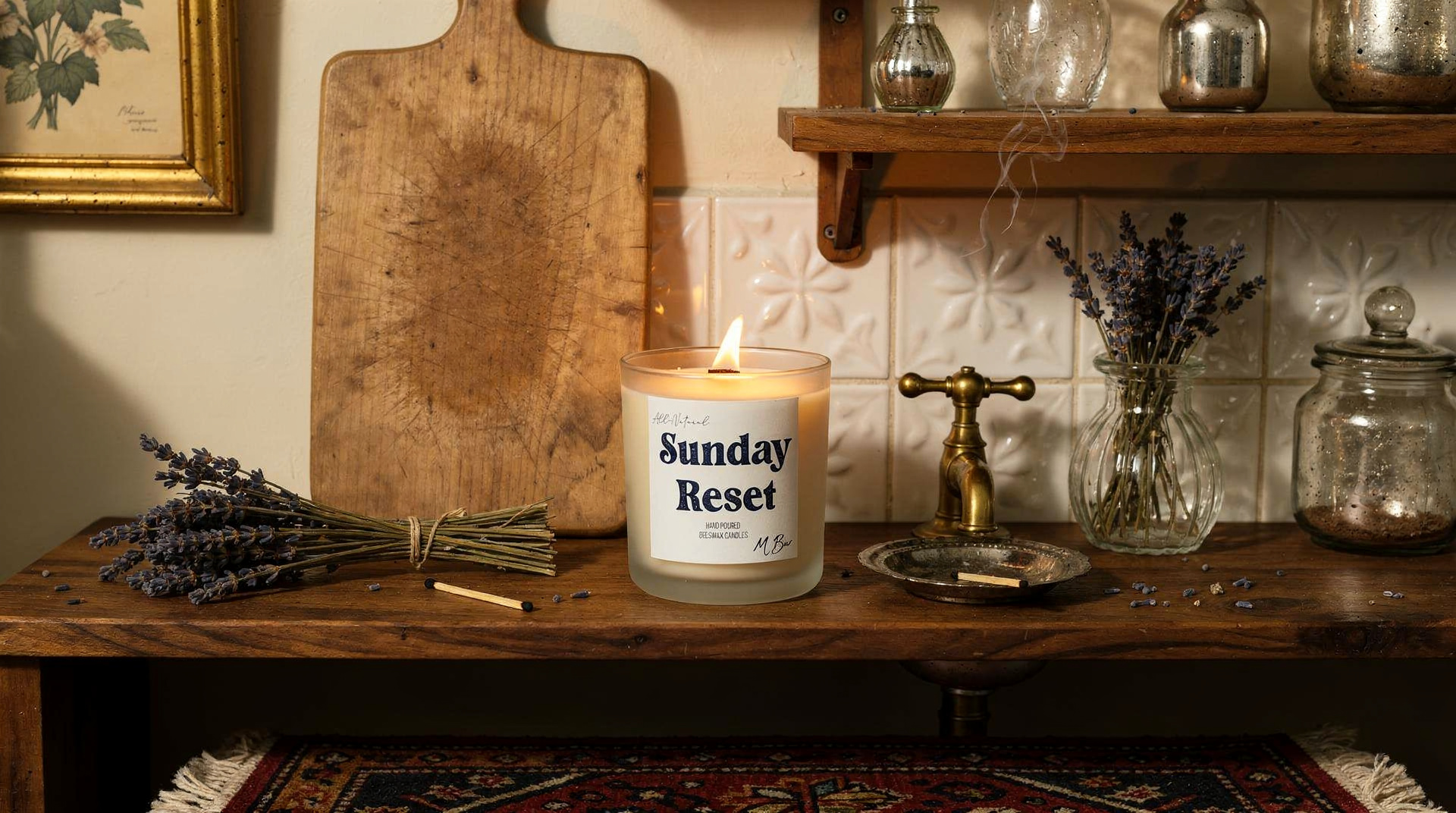
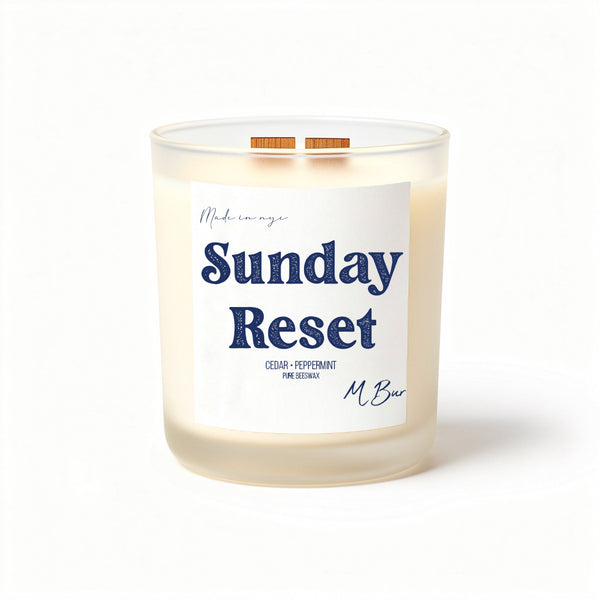
For your kitchen, Sunday Reset fits well. It is cool and clearing, with peppermint, eucalyptus, and grapefruit, and like every MBur candle it is poured from 100% beeswax with a wooden wick and phthalate-free non-toxic fragrance oils, so freshening the air never means adding soot on top.

Frequently asked questions
Can I put a wooden cutting board in the dishwasher?
No. The prolonged heat and water warp and crack wood and open new grooves. Wash it by hand and dry it standing up.
How do I get the raw-meat smell out of the wood?
Sanitize it first, then scrub coarse salt and lemon over the surface to lift the odor from the grain, and rinse.
When should I replace a wooden board?
When it develops deep, hard-to-clean grooves or splits, since those trap bacteria that cleaning cannot reach.
Is wood or plastic better for raw meat?
The USDA says either is fine. What matters more is using a separate board for raw meat and cleaning it thoroughly afterward.
Ready to keep your space smelling clean once the source is handled? Explore the MBur beeswax candle collection and find the scent that fits the room.

