

Sponge Odor: What Causes It and How to Clear It
That sour, musty smell on your hands after washing dishes is coming from the sponge. A damp sponge traps food and stays wet, which makes it one of the most bacteria-heavy things in the kitchen, and the sour smell is that bacteria. The honest fix is usually to replace it, though you can sanitize a sponge that has not turned yet.
We make small-batch beeswax candles in Far Rockaway, so a room that truly smells clean is our whole focus, and that always starts at the source rather than the scent. Below is where the smell comes from, how to clear it step by step, and how to keep the space fresh afterward, with the full the MBur beeswax candle collection here as you read.
Why sponges go sour
Sponges hold onto water and bits of food, and they sit in a warm kitchen, which is exactly what bacteria need to multiply. That is why a sponge can hold more germs than almost anything else you touch.
Once a sponge smells sour, the bacteria are established deep in it. You can knock the numbers down, but the smell usually means it is time for a new one.
How to deal with it, step by step
- Replace it if it smells. This is the cheapest and most reliable fix, since a sour sponge rarely recovers fully.
- Sanitize one that has not turned yet. Microwave a wet sponge, never a dry one, for one to two minutes, or run it through the dishwasher on the hot cycle with a heated dry.
- Wring it out and dry it. Squeeze the water out after every use and store it somewhere airy rather than in a puddle at the sink. A sponge that dries out breeds far less.
- Launder dish cloths hot. Wash rags in the hot cycle and dry them fully, as FoodSafety.gov's four steps to food safety recommends, and never leave a damp cloth bunched up.
- Swap on a schedule. Replace sponges every week or two, before they have a chance to sour.
Keep two in rotation so one can dry fully while the other is in use, and keep separate cloths for wiping surfaces and washing dishes.

Keep the smell away
A dry sponge is a quiet sponge, so drying it between uses matters more than any single cleaning trick. Rinsing food off it and wringing it out each time does most of the work.
If a sponge smells the moment it gets wet again, that is your signal to toss it rather than sanitize it one more time.
Freshen the whole room once the source is gone
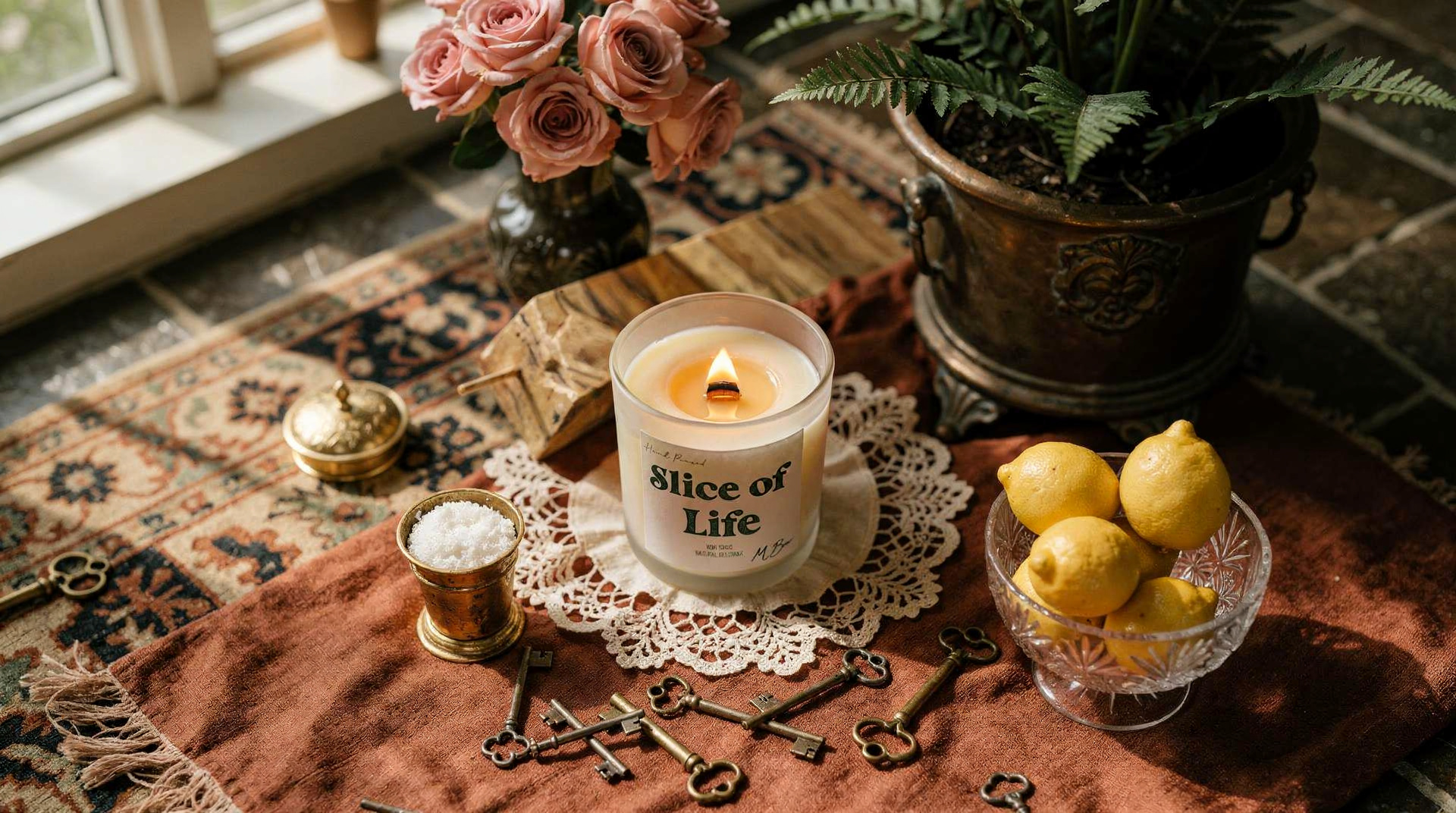
With a sour sponge handled, the air itself is the last step. A clean candle is the finishing touch here, best lit once the space is already clean. From there it is the fastest way to make the room read fresh rather than merely neutral.
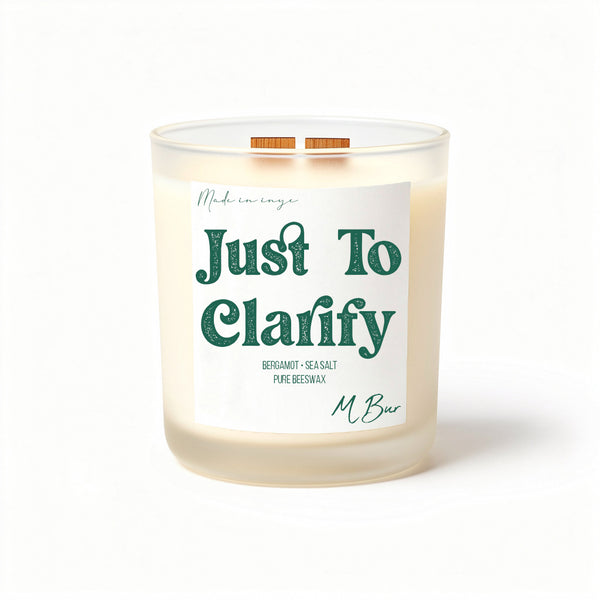
For your kitchen, Just to Clarify fits well. It is clean and crisp, with bergamot, lemon, and green tea, and like every MBur candle it is poured from 100% beeswax with a wooden wick and phthalate-free non-toxic fragrance oils, so freshening the air never means adding soot on top.
Frequently asked questions
Does microwaving a sponge kill the germs?
A wet sponge microwaved for one to two minutes kills a large share of bacteria, but it will not remove a smell that is already set in. If it still smells, replace it.
How often should I replace a sponge?
Every one to two weeks with regular use, and sooner if it smells or falls apart.
Why does my sponge smell even after I clean it?
It is saturated with bacteria deep in the material. Sanitizing lowers the count but does not clear the odor, so a smelly sponge should be thrown out.
Is a dishcloth better than a sponge?
Cloths have an edge because you can wash them hot and dry them fully between uses, which is harder to do with a sponge.
Ready to keep your space smelling clean once the source is handled? Explore the MBur beeswax candle collection and find the scent that fits the room.

