

How to Choose a Candle: A Buying Guide That Actually Checks the Label
That "beeswax" candle you bought last week? It might be mostly paraffin. In many places a candle can say beeswax on the front with only a small fraction of beeswax inside. The rest is petroleum wax. Nobody is lying, exactly. The label is just doing a lot of quiet work.
Most people pick a candle by scent and jar color. That is how you end up with a headache and soot on the ceiling. If you care about a room that smells fresh instead of masked, start with what the candle is made of, because pure beeswax candles burn clean with no paraffin soot and no heavy chemical load fighting your air.
Fix the source of a bad smell first. Then let a clean candle keep the room fresh. The buying part is where people slip, so we will go criteria by criteria, ranked from the ones you already check to the one almost nobody checks.

Start with the wax, because it sets the floor for everything else
Wax is the base ingredient. It decides how clean the burn is and how long the candle lasts. Get this wrong and the rest barely matters.
Paraffin is a petroleum byproduct. When it burns it can release compounds like benzene, toluene, and formaldehyde. Research has shown paraffin candles do put these into the air. That is the wax in most cheap store candles.
Soy is a step up. But soy is often blended with paraffin, and the label may not tell you the ratio. Many soy candles also carry toxic fragrances loaded with phthalates.
Beeswax is the oldest candle material, used since about 5,000 BCE. It is a single naturally occurring ingredient. It has the highest melting point of common candle waxes, so it burns slower and longer. It also throws light close to natural sunlight.
What the label word is doing
Watch the front-of-jar language. "Beeswax blend" can mean mostly paraffin. "Natural wax" means nothing specific at all. If a brand is proud of its wax, it will tell you the percentage. MBur is 100% beeswax, one ingredient, no blend. That is the standard to measure others against.
| Wax type | Source | Burn quality | Common catch |
|---|---|---|---|
| Paraffin | Petroleum byproduct | Sooty, releases VOCs | Cheap, hides in "blends" |
| Soy | Soybean oil | Cleaner than paraffin | Often blended with paraffin |
| Beeswax | Byproduct of honey production | Cleanest, longest burn | Costs more to make |
So wax sets the floor. The next thing you can actually hear tells you about the burn itself.
The wick, which you can hear before you smell anything
The wick controls the flame. A bad wick means uneven burning, tunneling, and smoke. Most people never think about it.
Avoid metal-core wicks. Some old ones used lead. Even lead-free metal cores can burn hotter and dirtier than you want.
Cotton wicks are fine and common. Wooden wicks burn even and make a soft crackle, like a tiny fireplace. They also tend to give a steady, wide melt pool. MBur uses wooden wicks for that reason.
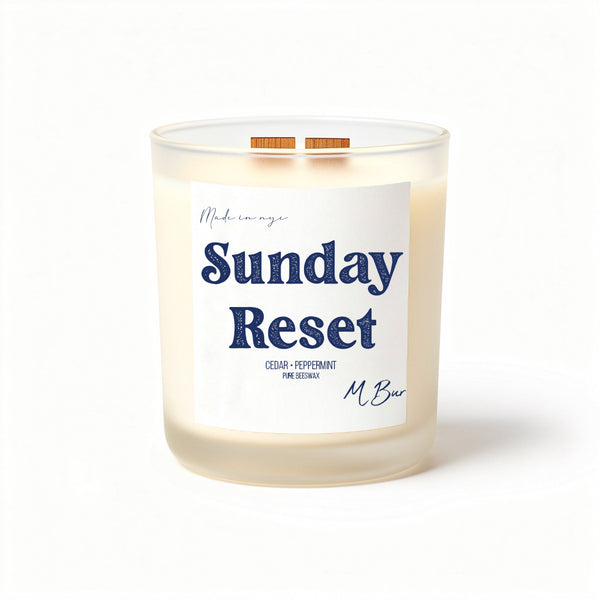
One quick test after you buy: light it and watch the flame. A calm, steady flame means a good wick. A tall, flickering, smoking flame means trouble. Our Sunday Reset candle is a good example of a wooden wick doing its job, with notes of eucalyptus, clove, cedar, patchouli, and vanilla that open cool and settle warm.

Where the scent comes from, and the word to hunt for
Scent is where most brands cut corners you cannot see. This is the criterion that separates a candle that smells fresh from one that gives you a dull ache behind your eyes.
The risk is toxic fragrance. Many candles use fragrance oils that contain phthalates and parabens. Those are the compounds tied to headaches for a lot of sensitive people.
Look for the word phthalate-free. If a brand does not say it, assume the fragrance is not. A clean candle uses non-toxic, phthalate-free fragrance oils and skips chemical dyes entirely.
"I absolutely love these candles! I instantly notice the difference in the air quality, in comparison to the Bath & Body scented candles. I love Bath & Body's candles but I acknowledge that it caused a slight headache and other minor respiratory discomfort. Awesome products. Totally addicted." Jason H.
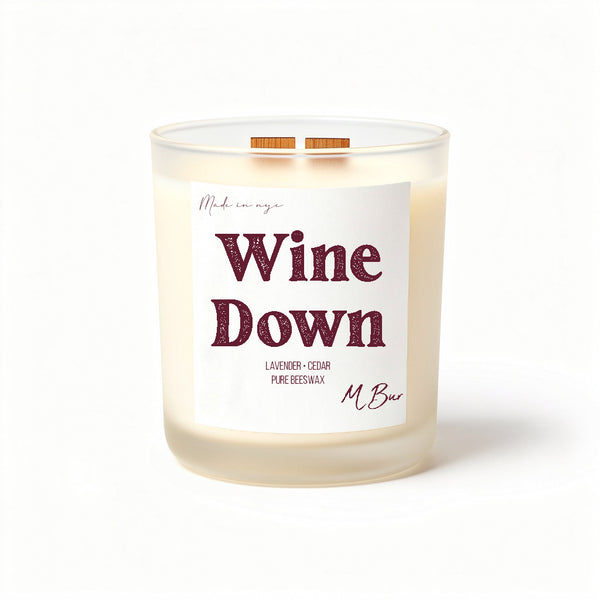
That is the difference people feel in the room. If you get headaches from candles, ask your doctor about your own triggers, and choose phthalate-free every time. For a lighter, calming scent that reviewers with sensitivity tend to reach for, the Wine Down candle carries lavender, chamomile, sage, rosemary, camphor, cedar, and sandalwood.
So scent decides comfort. Size and price decide whether the candle is a fair deal, and those two are easy to fake.
Size and the real number: price per hour
Ounces on the label look like the honest number. They are not the number that matters. Two candles of the same weight can burn wildly different lengths depending on the wax.
The number that actually tells you value is price per burn hour. Beeswax wins here because it burns slow. A bigger ounce count in cheap wax can still burn out faster.
Here is MBur's own ladder so you can see how it works. The 20 hour size is $20. The 40 hour size is $32. The 55 hour size is $37. The 80 hour size is $65, the longest burning candle in the lineup because beeswax has the highest melting point.
Run the math on that 80 hour size and you are paying about 81 cents per hour of clean burn. Compare that to a cheap candle that tunnels and dies early. The sticker looked lower. The price per hour was not.
"From the packaging to the burn of the candle-everything was top-notch! Candle burned slowly and was exactly the amount of hours the company said it would burn. I was able to enjoy it for days even though it was the smaller size." Portia Darby
Notice her point. The burn matched the stated hours. That is the whole reason price per hour is trustworthy only when a brand actually hits its numbers.

The quick-reference checklist
Print this. Take it shopping. It moves from the checks you already do to the one that catches the most people.
- Scent: Do you like it? Fine, but do not stop here.
- Wax: Is it 100% of one clean wax, or a vague "blend"? Look for a stated percentage.
- Wick: Cotton or wooden, never metal-core.
- Fragrance: Does it say phthalate-free? No claim means no.
- Dyes: Chemical dyes add nothing but color. Skip them.
- Size and price per hour: Divide price by stated burn hours. That is your real cost.
- Made where: Small-batch handmade beats mass factory pours for quality control.
But my candle is in a heavy fancy jar
A heavy jar and a linen label feel premium. They tell you nothing about the wax inside. Presentation is cheap. Clean single-ingredient wax is not.
And if you have burned paraffin for years with no obvious problem, that is real. Not everyone reacts. The point of a clean candle is a fresher room and a longer, more even burn, which you get either way.
MBur candles are handmade in New York City, 100% beeswax, wooden wick, phthalate-free fragrance, no chemical dyes, and naturally hypoallergenic. That is every checklist box in one candle. Browse the full range on the candle collection page.
Frequently asked questions
How long do beeswax candles actually burn?
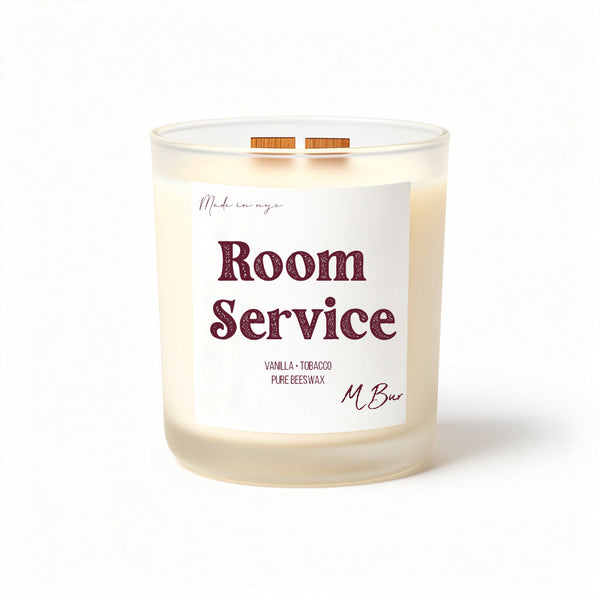
Longer than most waxes, because beeswax has the highest melting point of common candle materials. The MBur ladder runs from a 20 hour size up to the 80 hour size at $65. That 80 hour Room Service candle is the bestseller for a reason, with saffron, white tea, peony, orchid, tobacco, vanilla, almond milk, and tonka bean.
Why does my candle only burn down the middle?
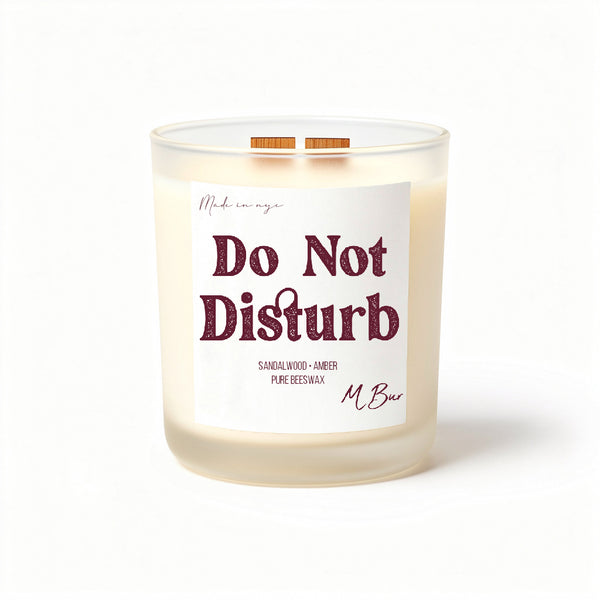
That is tunneling. It usually comes from a first burn that was too short. Let the melt pool reach the edges on the first light. A steady wooden wick, like the one in our Do Not Disturb candle, helps keep the burn even.
Are beeswax candles better for a fresh-smelling room?
They burn clean with no paraffin soot and no heavy chemical load. Some people believe beeswax candles help freshen indoor air, though this is not scientifically established. Fix the source of any odor first, then let the candle keep things fresh. See the candle collection to pick a scent.
Is a higher price always a better candle?
No. Price without burn hours means nothing. Divide the price by the stated hours and compare. A slow, clean beeswax candle often wins on price per hour even when the sticker looks higher.
How do I know the fragrance is safe?
Look for phthalate-free on the label. MBur uses non-toxic, phthalate-free fragrance oils and no chemical dyes. If you have allergies or asthma, follow your doctor's guidance on scents.
The bottom line
Scent gets you in the door, but wax, wick, fragrance sourcing, and price per hour tell you whether a candle is worth your money. Check the wax percentage, hunt for phthalate-free, and do the price-per-hour math. MBur checks every box, with hundreds of happy reviewers and a lineup that starts at $20 for the 20 hour size.
If you want one candle that proves the whole checklist, start with the bestselling Room Service candle and see the difference a clean burn makes.
Related reading

