

Indoor Air Quality Worries? How to Burn Candles the Clean Way
If you keep a window cracked every time you light a candle, your instinct is a good one. Burning anything indoors adds fine particles to the air you breathe. The concern behind your indoor air quality worries is real, and the science backs you up.
Here is the part most people get wrong. The wax is not the whole story. A big driver of what lands in your lungs is the fragrance load and how the candle is burning, which is exactly why MBur's pure beeswax candles burn clean with no paraffin soot or heavy toxic fragrance, so a room ends up smelling fresh instead of coated.
Most people spend about 90% of their time indoors. That makes the air in your living room a bigger deal than the air outside your door.

First, the concern is legitimate
Let's not pretend candles are harmless magic. When a wick lights, it starts a small fire in an enclosed room. That fire makes combustion byproducts. Every candle does this.
Burning releases fine particulate matter, called PM2.5. These are tiny specks small enough to travel deep into your lungs. Candles also release trace volatile organic compounds, or VOCs. Paraffin candles in particular can put out benzene, toluene, and formaldehyde.
Research has shown indoor particle counts can spike fast. Levels near the flame can climb to about 1.5 times baseline within five minutes of lighting. So your worry is not paranoia. Your nose and your instincts are tracking something real.
Here is where it gets more useful, though. Not all of that pollution comes from the same place. The type of wax, the fragrance, and the way the flame behaves all pull different weights. Once you know which lever matters most, the fix gets simple.
The myth that switching wax fixes everything
Plenty of people swap paraffin for soy or beeswax and assume the problem is solved. Wax choice does matter. Natural waxes like beeswax and soy make less visible soot and fewer petrochemical byproducts.
But recent combustion studies point at a second culprit. The fragrance load often adds more VOCs than the wax base does. A heavy scent oil can partly combust into new byproducts no matter what wax carries it.
This is why a "natural soy" candle drenched in cheap scent can still stink up your air. The label says clean. The fragrance says otherwise. That combination is where a lot of headaches actually come from, and it is worth understanding before you buy again.
How the three main waxes really compare
Here is a plain look at the wax types, using MBur's verified specs and honest descriptions of the rest.
| Wax type | Source | Burn behavior | Notes |
|---|---|---|---|
| Paraffin | Petroleum byproduct | Sootier, releases VOCs like benzene and toluene | The dirtiest common option |
| Soy | Plant-based | Cleaner than paraffin, but often blended | Can still carry toxic fragrance oils |
| Beeswax (MBur) | Byproduct of honey production | Cleanest burn, highest melting point | 100% beeswax, wooden wick, up to 80-hour burn, phthalate-free fragrance, no chemical dyes |
Beeswax is the oldest candle material, used since around 5,000 BCE. It burns slow because it has the highest melting point of any candle wax. That is part of why the 80-hour MBur size lasts as long as it does.
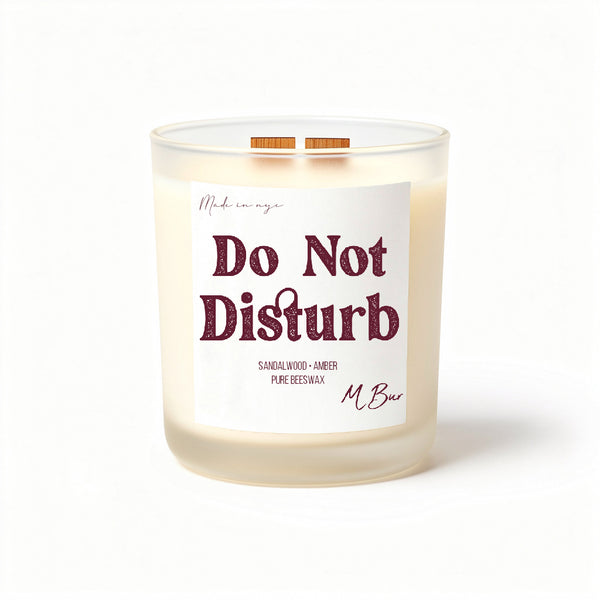
If you want a beeswax candle that keeps a room feeling clean rather than perfumed over, our Do Not Disturb candle leans soft and calm with bergamot and pear, good for a bedroom where you want light scent and clean air. The 40-hour size is $32.

The real risk factors are ingredients, not candles
The problem is specific, so the fix can be too. A few things do most of the damage.
Toxic fragrances top the list. Many candles use fragrances loaded with phthalates and parabens. These can emit trace pollutants as they burn. MBur uses only non-toxic, phthalate-free fragrance oils.
Metal-core wicks are another. Some old-style wicks contain metal that can add particles to the air. Chemical dyes and heavy paraffin soot round out the list. None of these are required to make a candle. They are cost shortcuts.
One reviewer, Jason H., put the difference plainly:
"I absolutely love these candles! I instantly notice the difference in the air quality, in comparison to the Bath & Body scented candles. I love Bath & Body's candles but I acknowledge that it caused a slight headache and other minor respiratory discomfort. Awesome products. Totally addicted."
His experience lines up with the science. Drop the toxic fragrance and the harsh dyes, and a lot of the discomfort goes with them.
A checklist for a clean candle
Use this when you shop. A candle worth burning near your face should hit all of these.
- 100% single-ingredient wax, ideally beeswax, not a mystery blend
- Wooden or unbleached cotton wick, never metal-core
- Phthalate-free, non-toxic fragrance
- No chemical dyes
- Clear about what is inside
MBur checks every box. It is 100% beeswax with a wooden wick, phthalate-free fragrance, no chemical dyes, and it is handmade in New York City. Beeswax is also naturally hypoallergenic, which matters if scent usually leaves you sniffly.
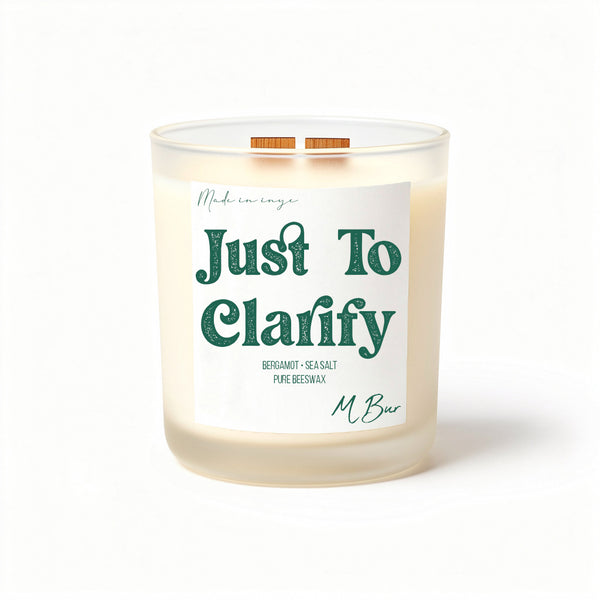
If you want a scent that reads bright and fresh instead of syrupy, Just to Clarify pairs bergamot, lemon, orange, green tea, black tea, and sandalwood for a clean, awake feel. The 55-hour size is $37, or step up to the 80-hour size at $65 for the longest burn.
Practical tips for cleaner burning
Even a great candle burns better with good habits. These small moves cut particles a lot.
Trim your wick to about a quarter inch before every burn. A long wick makes a big, unstable flame. A flickering or smoking candle can throw off far more soot particles than a steady one.
Keep candles out of drafts. A flame that dances is a flame that smokes. Put it away from vents, fans, and open windows so it burns tall and calm.
Ventilate the room. Candles add to the air, they do not clean it, so give the space some airflow. And skip the birthday-cake blowout. Blowing hard scatters soot and burnt wick debris. Use a snuffer or dip the wick instead. If you or someone at home has asthma or allergies, follow your doctor's guidance on scent and exposure.
Frequently asked questions
Do burning candles actually ruin indoor air quality?
Burning any candle adds fine particles and trace VOCs to a room. The amount depends heavily on the wax, the fragrance, and how steady the flame is. Choosing a clean beeswax option like those in the MBur candle collection and burning it in a ventilated room keeps that impact low.
Are beeswax candles really cleaner than paraffin?
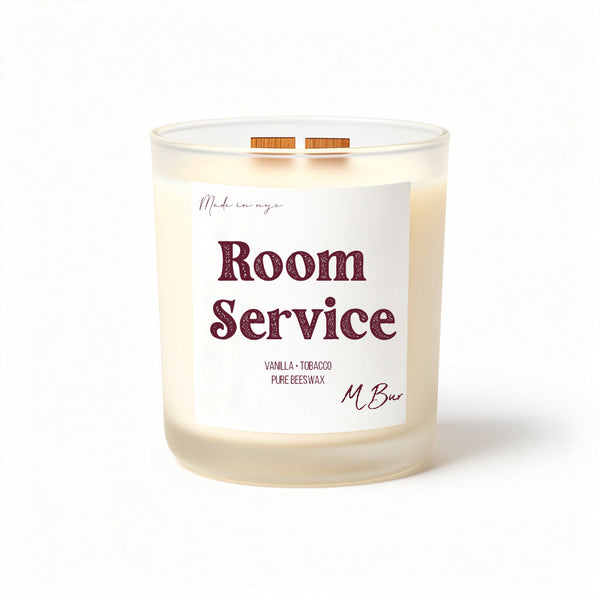
Beeswax makes less visible soot and skips the petroleum byproducts paraffin carries. It also burns slow thanks to a high melting point. Our Room Service candle, the bestseller with saffron, white tea leaves, purple peonies, orchid, tobacco, vanilla, almond milk, and tonka bean, comes in an 80-hour size for $65.
Can candles trigger asthma or allergies?
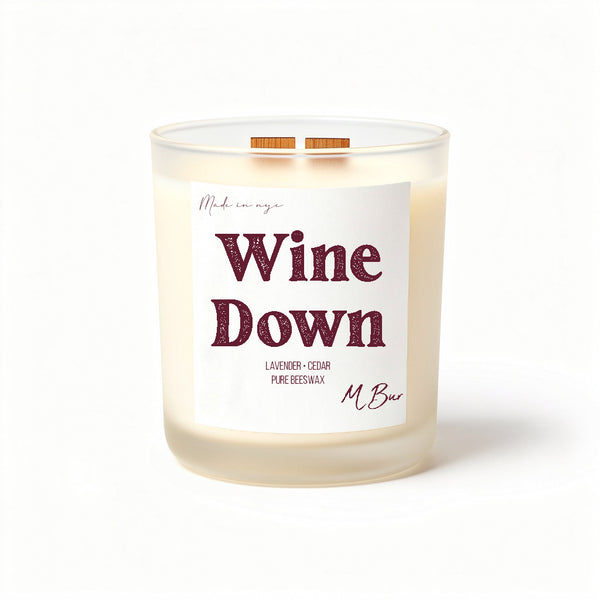
Yes. Fine soot and strong fragrance compounds can irritate airways in sensitive people. Beeswax is naturally hypoallergenic and MBur uses phthalate-free fragrance, which helps, but if you have a condition, follow your doctor's guidance. Reviewer Nicole D. noted the Wine Down candle did not give her the headaches other candles did.
How can I minimize air pollution when I burn?
Trim the wick to a quarter inch, avoid drafts, and keep the room ventilated. Pick a single-ingredient wax with a clean wick and non-toxic fragrance. That handles most of the risk before you strike the match.
The takeaway
Your instinct is right. Burning anything indoors matters, but the biggest levers are the fragrance and the flame, not just the wax. Pick a 100% beeswax candle with a wooden wick and phthalate-free fragrance, trim it, and give the room air.
For a bedroom or living room where you want light scent and clean air, start with our Do Not Disturb candle, loved across dozens of five-star reviews. As one customer, Dawne, wrote, "It's soothing fragrance more than covers my bedroom and bathroom."
Browse the full lineup of pure beeswax candles and pick the scent for the room you worry about most. Shop MBur beeswax candles here.
Related reading

