

Essential Oil Diffusers vs. Candles: Which Is Safer for Your Baby's Room?
Type "essential oil diffuser baby" into any parenting forum and you will find two camps ready to go to war. One side swears diffusers are the gentle, flameless alternative every nursery needs. The other side says a clean burning candle is fine as long as you pick the right one. Both sides have blind spots, and your baby's lungs are too small for guesswork.
This is a full comparison of the actual risks, ingredient by ingredient, so you can make the call based on facts instead of Facebook threads. We will cover what pediatric experts say about each option, break down the chemicals involved, and lay out which scenarios favor which choice. If you want to skip ahead to what a genuinely clean candle looks like, browse our full beeswax candle collection for reference.
Why This Debate Matters More for Babies Than Adults
Babies breathe faster than adults. Their respiratory rate is roughly double ours, which means they pull in a higher volume of airborne particles relative to their body weight every single minute. Their immune systems and airways are still developing, so compounds that barely register for a grown adult can cause real irritation in a newborn.
That applies equally to essential oil mist and candle emissions. "Natural" does not mean "gentle enough for an infant." Essential oils are highly concentrated plant extracts. A single drop of eucalyptus oil contains compounds at concentrations you would never encounter by walking through a eucalyptus grove. And a paraffin candle releases volatile organic compounds (VOCs) like benzene and toluene with every burn. Both deserve scrutiny.

Essential Oil Diffusers: What the Pediatric Experts Actually Say
The guidance from major children's hospitals is more cautious than most wellness blogs let on.
Children's Hospital of Philadelphia (CHOP) recommends avoiding aromatherapy entirely for children under age 3, citing a lack of safety data and real risks of poisoning and respiratory irritation. Johns Hopkins All Children's Hospital flags specific oils like peppermint and eucalyptus as potentially causing seizures and severe breathing difficulties in infants.
The core problem is concentration. A diffuser aerosolizes essential oil compounds directly into the air your baby breathes. In a closed nursery (which most nurseries are, especially at night), those compounds accumulate. A 2023 study published in Science of the Total Environment found that diffusers significantly alter indoor air chemistry, raising terpene levels and VOC concentrations well above baseline.
Specific Risks of Diffusers Around Infants
- Respiratory irritation: Aerosolized oil particles can inflame developing airways, especially in babies with any predisposition to asthma or allergies.
- Neurological reactions: Certain oils (eucalyptus, peppermint, wintergreen, tea tree) contain compounds like 1,8 cineole and menthol that can cause breathing suppression in young children.
- Bacterial growth: Standing water in diffuser reservoirs can harbor mold and bacteria, which then get misted into the room.
- Overexposure: Parents who run diffusers overnight in a closed room create hours of continuous exposure, which even cautious guidelines warn against.
Candles: Where the Real Risk Lives (and Where It Doesn't)
The obvious concern with candles is fire. That is a legitimate, serious risk, and no candle should ever burn unattended in a room where a baby sleeps. Period. If the baby is in the crib and you are leaving the room, the candle goes out.
Beyond the flame, the risk depends almost entirely on what the candle is made of. And this is where most comparisons fall apart, because they lump all candles into one category.
Paraffin Candles
Paraffin is a petroleum byproduct. When it burns, it can release benzene, toluene, and formaldehyde. The black soot that collects on your walls and ceiling? That is particulate matter entering your air. For a baby with developing lungs, this is worth avoiding.
Soy Candles
Soy burns cleaner than paraffin, but many "soy" candles are actually soy and paraffin blends. The label does not always make that clear. Soy candles also frequently use toxic fragrance oils containing phthalates and parabens, which are endocrine disruptors you do not want anywhere near a nursery.
Beeswax Candles
Beeswax is the cleanest burning candle wax available. It is a single ingredient, a natural byproduct of honey production, with no chemical processing required. It produces virtually no soot and does not release the VOCs associated with paraffin. Some studies suggest beeswax candles may even produce negative ions that help settle airborne particulates, though this should be taken as a potential benefit rather than a medical claim.
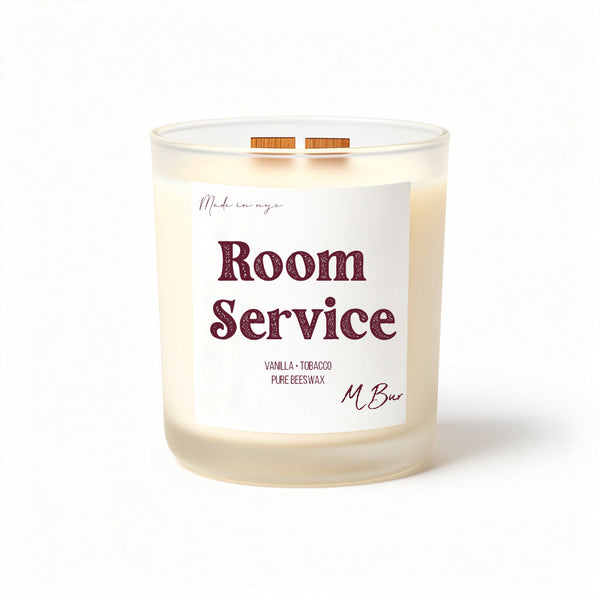
When you pair pure beeswax with a wooden wick (no metal core releasing heavy metals) and phthalate free fragrance, you have a candle with a fundamentally different risk profile than the paraffin jar candle from the drugstore.

Side by Side Comparison
| Factor | Essential Oil Diffuser | Paraffin/Soy Candle | Pure Beeswax Candle |
|---|---|---|---|
| Open Flame | No | Yes | Yes |
| VOC Emissions | Elevated terpenes, varies by oil | Benzene, toluene, formaldehyde possible | Minimal to none |
| Soot / Particulates | None (mist based) | Moderate to high (paraffin) | Virtually none |
| Pediatric Expert Guidance | Avoid for children under 3 (CHOP) | Caution with paraffin; avoid toxic fragrance | Cleanest wax option; use with ventilation |
| Toxic Fragrance Risk | Concentrated plant compounds, some toxic to infants | Often contains phthalates, parabens | Depends on brand (look for phthalate free) |
| Overnight Use | Not recommended (accumulation risk) | Never (fire hazard) | Never (fire hazard) |
| Bacterial/Mold Risk | Yes (standing water reservoir) | No | No |
| Cost Range | Device: $5 to $100+, plus ongoing oil costs | $5 to $40 typically | $20 to $65 typically |
So Which One Wins?
It depends on how you plan to use it and how old your baby is.
For Newborns to 12 Months
Skip the diffuser entirely. Pediatric guidelines are clear on this. If you want scent in the nursery, a pure beeswax candle burned in an adjacent room with the door open (so the scent drifts gently without direct exposure) is the lower risk option. Light it while you are in the room, extinguish it before you leave. Ventilation matters.
For Toddlers (12 Months to 3 Years)
Diffusers remain a "proceed with extreme caution" category. If you do use one, keep sessions under 30 minutes, avoid eucalyptus and peppermint oils completely, and never run it in a closed room. A beeswax candle in the living room while the toddler plays nearby (supervised, candle out of reach) is a simpler, more predictable option.
For the Parent Who Wants Scent Without Worry
A beeswax candle with a wooden wick and non toxic fragrance, burned during waking hours in a ventilated room, gives you ambient scent without aerosolized compounds, without standing water breeding bacteria, and without the concentrated plant chemicals that pediatric hospitals flag as problematic for young children.
MBur's Do Not Disturb candle, with its bergamot, pear, and vanilla notes, was designed for bedroom spaces. Pure beeswax, wooden wick, phthalate free fragrance, no chemical dyes. It burns for up to 80 hours in the largest size, which means less relighting and fewer moments fiddling with a flame.
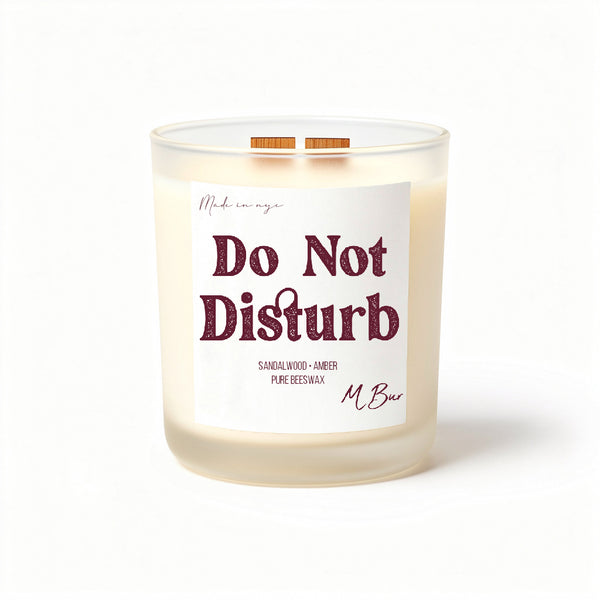
"I love the scent of this candle. It is lovely not overpowering. It's soothing fragrance more than covers my bedroom and bathroom. It is aromatherapy at its best." Dawne Forrest, Do Not Disturb customer

The Ingredient Checklist for a Baby Safe Candle
If you are going to burn a candle anywhere near a baby's living space, here is what to look for:
- Wax type: Pure beeswax or 100% soy. Avoid paraffin and "blends" that do not specify the ratio.
- Wick: Cotton or wood. Avoid any candle with a metal core wick, which can release lead or zinc.
- Fragrance: Phthalate free, non toxic fragrance oil with full ingredient disclosure. If the label just says "fragrance" with no further detail, that is a red flag.
- Dyes: None. Chemical dyes can release additional compounds when burned.
- Burn location: Never in the same room as a sleeping baby. An adjacent room with airflow is the safest approach.
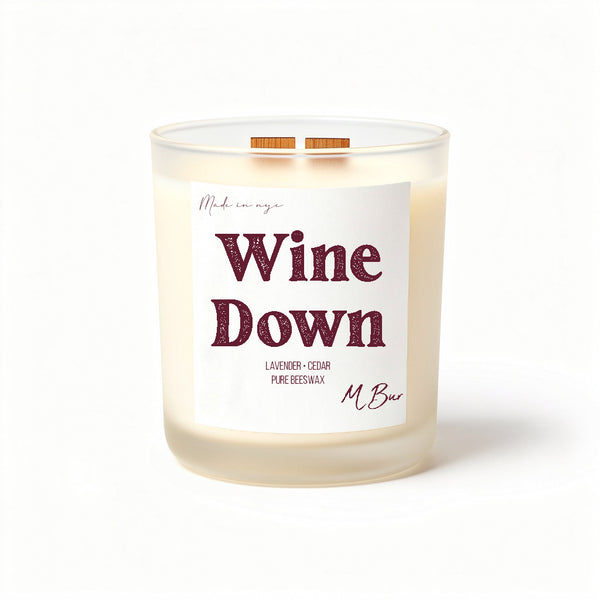
MBur candles check every item on that list. 100% beeswax, wooden wicks, phthalate free fragrance, no dyes, handmade in Queens, New York. The Wine Down candle, with lavender, chamomile, sage, rosemary, camphor, cedar, and sandalwood, is another strong pick for parents who want something calming without the risks that come with diffusing concentrated essential oils directly into the air.
Practical Safety Tips for Either Option
If you use a diffuser (for older children only):
- Run it for 30 minutes maximum, then turn it off.
- Keep the room ventilated. Crack a window or leave the door open.
- Avoid eucalyptus, peppermint, tea tree, wintergreen, and rosemary oils around any child under 6.
- Clean the reservoir after every use to prevent mold and bacterial buildup.
- Consult your pediatrician before introducing any essential oil around your child.
If you use a candle:
- Never leave a burning candle unattended. Ever.
- Trim the wick to about 1/4 inch before each burn to reduce soot.
- Burn in a ventilated room, away from drafts that could cause uneven burning.
- Keep candles on a stable surface, well out of a child's reach.
- Extinguish the candle before leaving the room or going to sleep.
Frequently Asked Questions
Can I run a diffuser in my baby's room at night?
Pediatric experts say no. Children's Hospital of Philadelphia recommends avoiding aromatherapy for children under 3. Running a diffuser overnight in a closed nursery creates hours of continuous exposure to concentrated aromatic compounds, which is exactly the scenario that carries the most risk.
Are beeswax candles actually safer than soy candles for a baby's room?
Beeswax is a single ingredient wax that produces virtually no soot and no petroleum derived VOCs. Many soy candles are blended with paraffin (which the label may not disclose) and use toxic fragrance oils containing phthalates. If you want the cleanest burn possible, pure beeswax is the better choice. You can see the full lineup at MBur's beeswax candle collection.
How long do beeswax candles actually burn?
Beeswax has the highest melting point of any candle wax, which means it burns slower. MBur's largest size delivers up to 80 hours of burn time. The 20 hour size starts at $20. Compare that to a soy candle of similar size that typically burns 40 to 50 hours, and the cost per hour tilts in beeswax's favor.
What if my baby has asthma or allergies? Should I avoid all scented products?
If your baby has a diagnosed respiratory condition, follow your pediatrician's guidance first. In general, fewer airborne irritants means fewer triggers. A pure beeswax candle with non toxic, phthalate free fragrance is less likely to irritate than a paraffin candle or a diffuser running concentrated essential oils. But every child is different, and your doctor knows your baby's specific situation best.
Is the "negative ion" claim about beeswax candles real?
Some studies suggest that burning beeswax may produce negative ions that help settle dust and airborne particulates. The research is not conclusive enough to call it a proven benefit, so treat it as a potential bonus rather than a reason to buy. The real, verifiable advantages of beeswax are the clean burn, minimal soot, and absence of petroleum byproducts.
The Bottom Line
Essential oil diffusers are not the safe, gentle alternative that wellness marketing suggests, at least not for babies. Major pediatric hospitals recommend avoiding them for children under 3. Candles carry a fire risk that demands respect and supervision, but the air quality question comes down to ingredients. A pure beeswax candle with a wooden wick and phthalate free fragrance gives you the warmth and scent you want with the fewest airborne irritants of any option on this list.
"Absolutely loved the Wine Down candle! The scent is so light and clean, not overpowering at all, which is exactly what I look for. A lot of other candles tend to give me headaches, but this one was a total game changer." Nicole D.
If you are ready to find a candle you feel good about burning near your family, explore MBur's full beeswax candle collection. Every candle is 100% beeswax, wooden wick, non toxic fragrance, no dyes, handmade in Queens, New York. Starting at $20 for the 20 hour size.
Related reading

