

How to Get the Sour Milk Smell Out of a Car Seat (For Real This Time)
Spilled milk in the car smells fine for about twelve hours. Then it smells like a biology experiment you forgot about in the back of a locker. If you are reading this, you are probably past the twelve hour mark.
The frustrating part is that you already cleaned it. You wiped the seat, maybe sprayed something on it, and the smell came back worse the next afternoon. That is because sour milk odor is a bacteria problem, not a surface problem. The liquid sinks into foam padding, seat tracks, and plastic trim gaps within minutes of the spill. What you are smelling is butyric acid, the compound bacteria produce as they feast on trapped milk proteins and fats. And it gets worse in heat, which is why your car on a warm afternoon smells like a dairy farm.
This guide covers the actual fix: how to get the source out, neutralize what remains, and make your car smell like something you would voluntarily sit in again. We will also cover what to do once the seat is clean, because masking the problem with a cheap air freshener is how you end up with a car that smells like sour milk AND fake pine.

Why Sour Milk Smell Keeps Coming Back
Milk is not like a water spill. It contains proteins, fats, and sugars that bacteria love. When milk soaks into porous upholstery foam, those bacteria get a steady food supply in a warm, enclosed environment. They produce butyric acid as a byproduct, and that is the rancid smell that hits you every time you open the car door.
Surface cleaning does almost nothing here. You can wipe the top of the fabric until it looks spotless, but the milk that soaked into the foam underneath is still decomposing. Temperature makes it worse. A car parked in direct sun becomes a bacterial incubator, which is why the smell spikes on hot days.
The other issue is hidden reservoirs. Milk pools under seat rails, inside buckle mechanisms, and along the edges of plastic trim. If you clean the obvious spot and the smell persists, these hidden areas are almost certainly the reason.
Step 1: Blot Immediately (If the Spill Is Fresh)
If you caught it early, you have a window of about five to ten minutes before the liquid penetrates deep into the foam. Press a clean, dry cloth firmly into the spill and hold it there. Do not rub. Rubbing pushes milk deeper into the fibers and spreads it across a wider area. Just press, lift, reposition to a dry section of the cloth, and repeat until you are not pulling up any more liquid.
If the spill happened days or weeks ago, skip ahead. Blotting will not help you now.
Step 2: Extract, Do Not Just Soak
This is the step most people skip, and it is the most important one. You need to physically pull liquid out of the seat cushion, not just add more liquid on top of it.
A wet/dry shop vacuum is the best tool most people already have access to. Saturate the affected area with cool water (not hot, which can set milk proteins), then vacuum it out. Repeat this two or three times. You are flushing the foam and extracting the contaminated liquid each pass.
If you do not own a shop vac, many car washes and hardware stores rent carpet extractors that work the same way. Professional auto detailers use commercial extraction tools that reach deeper into seat foam, and for a spill that is been sitting for weeks, a professional detail may be worth the cost.
Step 3: Apply an Enzyme Cleaner
Enzyme cleaners are the real solution. They contain biological agents that break down milk proteins and fats at the molecular level, eliminating the food source bacteria need to produce butyric acid. Pet odor removers (the enzyme based kind sold at pet stores) work well for this because they are designed to handle the same type of organic decomposition.
Saturate the affected area with the enzyme cleaner and let it dwell for ten to fifteen minutes. Some products recommend up to thirty minutes. The enzymes stay active and continue working for twelve to twenty four hours after application, so do not rush to wipe it up.
One important note: do not use vinegar on milk spills. Vinegar can cause milk proteins to curdle, which actually makes the residue harder to remove.

Step 4: Baking Soda for Residual Odor
After the enzyme cleaner has done its work and the area has been extracted again, sprinkle a generous layer of baking soda over the treated spot. Baking soda absorbs residual moisture and surface level odors. You can leave it on the seat for up to three days before vacuuming it up with a regular vacuum.
Baking soda alone will not fix a deep spill. But as a finishing step after extraction and enzyme treatment, it handles whatever faint smell lingers near the surface.
Step 5: Dry the Seat Completely
This matters more than people realize. If the seat is still damp when you close up the car, you are creating the exact warm, moist environment that bacteria and mold thrive in. Leave the windows cracked or the doors open in a garage. Point a fan at the seat if you can. Do not put a seat cover or child car seat back on until the upholstery is bone dry.
What Not to Do
A few common mistakes that make the problem worse:
- Do not spray air freshener over the smell. Masking agents do not address the bacteria. The sour smell will return as soon as the freshener fades, and now you have two competing scents fighting for dominance.
- Do not over saturate the seat with water. Flooding the area without extracting the liquid just pushes milk deeper and creates conditions for mold growth.
- Do not steam clean without extracting first. Steam can help kill surface bacteria, but if the milk solids remain in the foam, the odor will come back.
Once the Seat Is Clean: Keeping Your Car Smelling Good
After you have done the hard work of actually removing the source, you want your car to smell like something pleasant. This is where most people reach for a plastic tree air freshener or a vent clip loaded with toxic fragrance chemicals, and that is a step backward.
Many mass market car air fresheners use fragrance blends containing phthalates and other undisclosed compounds. In an enclosed space like a car interior, you are breathing those in continuously. After going through the effort of eliminating a bacterial odor source, replacing it with a chemical one defeats the purpose.
A better option is keeping a clean burning candle at home for when you get back from a drive, or using a room spray made with non toxic fragrance to refresh the car briefly with the doors open. MBur Candle Co. makes a room spray crafted with organic grape alcohol and non toxic fragrance that works well for a quick refresh without leaving chemical residue behind.
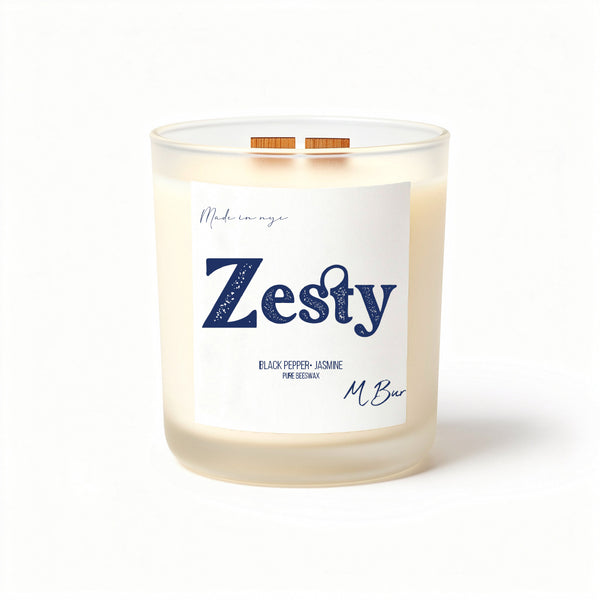
And for the house, if you have been transporting the offending car seat inside while cleaning it and your living room now smells like collateral damage, a beeswax candle is genuinely useful. Beeswax burns cleaner than paraffin or soy, produces no black soot, and the warm glow from a wooden wick does a lot for morale after you have spent an afternoon elbow deep in a car seat. Zesty is a good pick here. Its ocean breeze and mandarin notes read fresh and clean, which is exactly the energy you want after battling butyric acid.
"I absolutely love these candles! I instantly notice the difference in the air quality, in comparison to the Bath & Body scented candles. I love Bath & Body's candles but I acknowledge that it caused a slight headache and other minor respiratory discomfort. Awesome products. Totally addicted." Jason H.

Frequently Asked Questions
Why does the sour milk smell come back after I clean the seat?
Because the milk soaked past the fabric into the foam padding underneath. Surface cleaning removes what you can see, but bacteria are still feeding on milk residue trapped deep in the cushion. You need extraction (a wet/dry vacuum) and an enzyme cleaner to reach it.
Will the smell eventually go away on its own?
It will get worse, not better. Bacteria continue breaking down milk proteins as long as the residue is there, and warm temperatures accelerate the process. The smell intensifies over time.
Can I use baking soda to fix a milk spill in my car?
Baking soda works as a finishing step to absorb surface moisture and faint lingering odors, but it cannot reach or neutralize milk that has soaked into seat foam. Use it after enzyme treatment and extraction, not instead of them.
What is the best way to keep my car smelling fresh after cleaning?
Skip the chemical laden vent clips. Crack the windows when you can, keep surfaces dry, and use a non toxic room spray for a quick refresh. At home, a clean burning beeswax candle from MBur's collection will reset the vibe in whatever room needs it.
The Short Version
Sour milk smell is a bacteria problem that lives deep in your seat foam, not on the surface. The fix is extraction with a wet/dry vacuum, enzyme cleaner to break down the organic residue, baking soda as a finishing touch, and thorough drying. Skip the masking agents entirely.
Once your car is clean, keep the air quality high. MBur's full beeswax candle collection is worth browsing if you want something for the house that burns clean, lasts up to 80 hours, and does not introduce the kind of chemicals you just spent all afternoon removing. The 20 hour size starts at $20 if you want to try one without committing to the large format.
Related reading
- Discover the Secret to Soot Free Candles: Say Goodbye to Mess and Hello to Clean Burn
- What Makes a Candle Non Toxic? How to Spot the Real Thing
- Discover the Benefits of Non Toxic Candle Fragrance Oils: Enhancing Your Space without Harmful Chemicals
- Why Paraffin Free Candles Are a Must Have for a Healthier Home

