

Can You Burn Candles While Pregnant? What's Actually Safe
Can You Burn Candles While Pregnant? What's Actually Safe
Pregnancy raises a lot of indoor air quality questions, and candles are one of the most common. The honest answer isn't "yes, all candles are fine" or "no, ban candles entirely." It's that some candles are genuinely fine during pregnancy, and others have ingredients that are worth specifically avoiding. The difference comes down to wax type, fragrance composition, and how the candle is used. Here's what the science says, with a focus on what's actually actionable rather than overly cautious or dismissive.
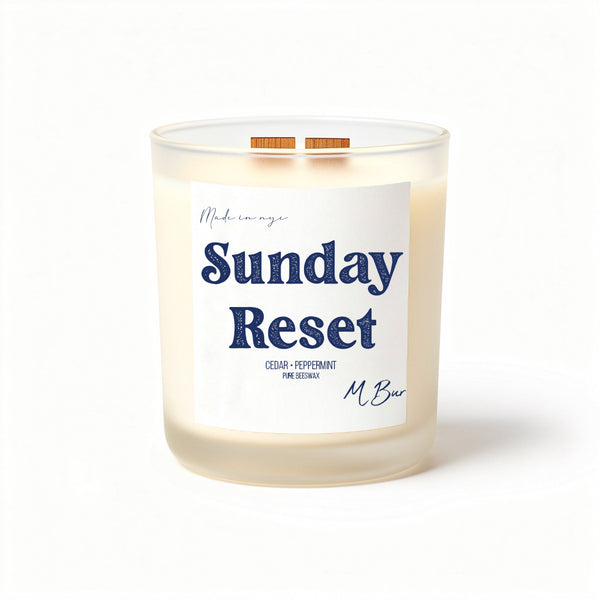
For candles that meet the cleaner-pregnancy criteria, browse the full MBur beeswax candle collection.
The Quick Answer
Yes, you can burn candles while pregnant. The candle type matters more during pregnancy than it does otherwise. Paraffin candles release benzene and toluene when burned, both of which are recognized reproductive toxins under California's Proposition 65. Phthalates in synthetic fragrance are linked to developmental effects in multiple peer-reviewed studies. 100% beeswax candles with phthalate-free fragrance (or unscented) are the safer category to use during pregnancy. Avoid heavy fragrance candles in small unventilated spaces, and use moderation rather than daily multi-hour burns.
Why Candle Choice Matters More During Pregnancy
Pregnancy changes how the body interacts with environmental compounds in two ways that matter for candle exposure.
First, the placental barrier is selective but not absolute. Many small molecules cross from maternal circulation to fetal circulation. This includes some of the volatile organic compounds released by paraffin combustion (benzene crosses readily) and some phthalate metabolites from synthetic fragrance. Fetal exposure during specific developmental windows can affect outcomes that wouldn't matter for an adult.
Second, pregnancy increases respiratory rate by 30 to 50% to support the higher oxygen demand. More breaths per minute means more air contact with lung tissue per minute, which means higher uptake of whatever's in the indoor air. The same candle in the same room delivers a higher effective dose to a pregnant person than to a non-pregnant adult.
Specific Candle Concerns During Pregnancy
Paraffin Wax Combustion
Paraffin is petroleum-derived. When burned, it releases benzene, toluene, formaldehyde, and other volatile organic compounds. Benzene specifically is listed under California's Proposition 65 as a reproductive toxin and a known human carcinogen. Toluene has reproductive toxicity data showing fetal developmental effects at high exposures. Normal candle use in well-ventilated rooms produces much lower exposures than the levels in toxicology studies, but the precautionary case for avoiding paraffin during pregnancy is reasonable.
Phthalates in Synthetic Fragrance
Diethyl phthalate (DEP) is a common fragrance fixative used to extend scent throw and bind volatile aromatic compounds. Multiple peer-reviewed studies have linked maternal phthalate exposure during pregnancy to outcomes in offspring, including reduced anogenital distance in male infants (an indicator of androgen disruption), neurodevelopmental effects, and metabolic markers. The American College of Obstetricians and Gynecologists (ACOG) recommends reducing exposure to phthalates during pregnancy among other environmental chemicals. Candles with phthalate-free fragrance stated explicitly are the safer choice.
Soot and Particulate Matter
All burning candles produce some soot. Paraffin candles, dyed candles, and candles with thin wicks produce more. Particulate matter in indoor air is associated with pregnancy outcomes including preterm birth in epidemiological studies, though candle-specific exposures are typically much lower than the outdoor air pollution levels in those studies. Reducing soot exposure is still reasonable; beeswax produces the least soot of any candle wax.
Scent and Pregnancy Nausea
Pregnancy increases olfactory sensitivity, and many people develop scent aversions during the first trimester. Some scents become triggers for nausea. Others actually help. Ginger, lemon, peppermint, and lavender are commonly reported as nausea-easing. Heavy gourmand and floral candles often become triggers. This is worth experimenting with rather than guessing; a candle that helped pre-pregnancy may not work the same way during pregnancy.
What Counts as a "Safer" Candle for Pregnancy
A candle that meets the following criteria is in the cleaner pregnancy-use category:
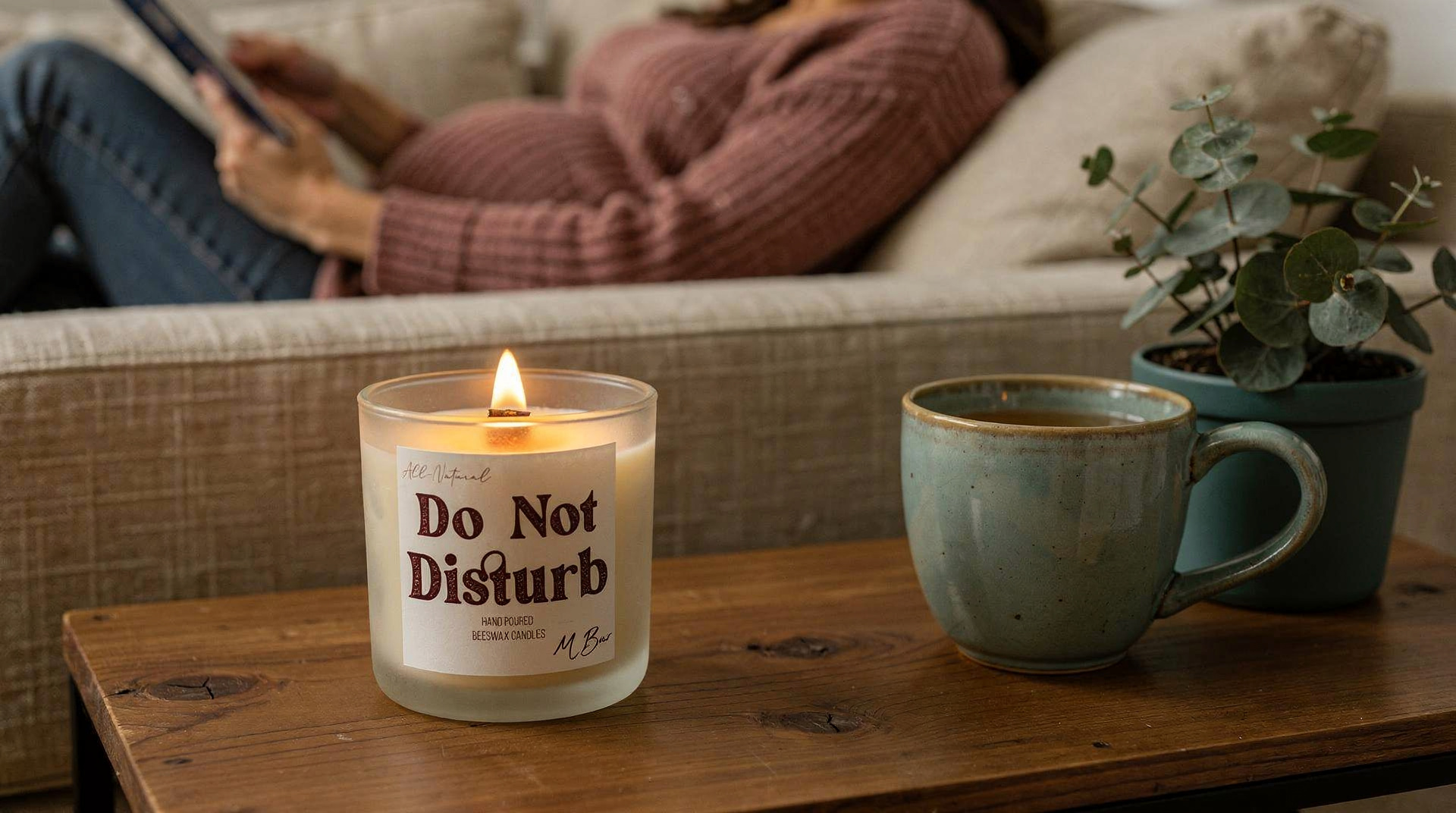
100% beeswax wax (not a blend that may contain paraffin). Phthalate-free fragrance, stated explicitly by the brand (or unscented). Cotton or wooden wick with no metal core. No synthetic dyes in the wax. Brand transparency on all ingredients.
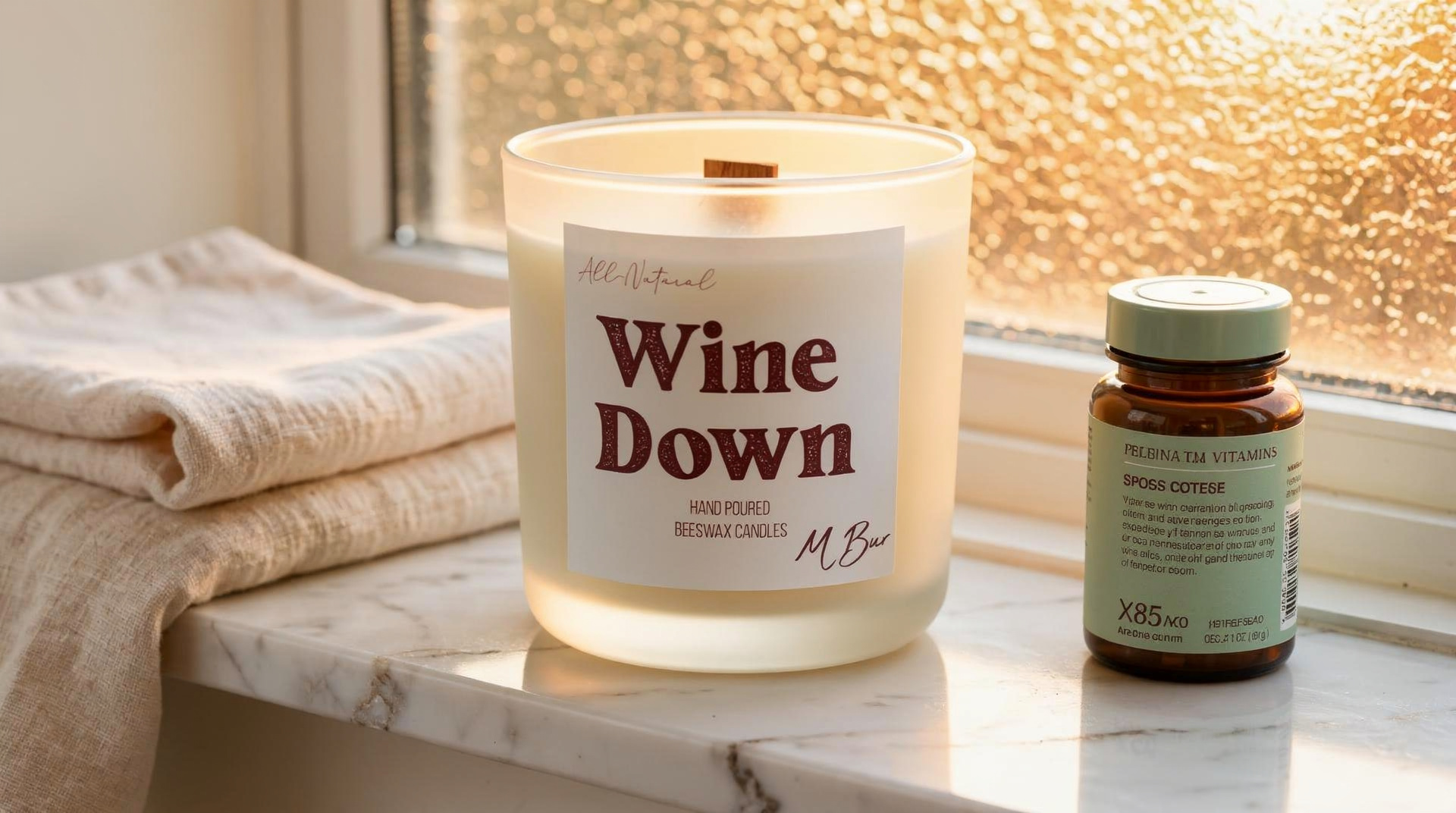
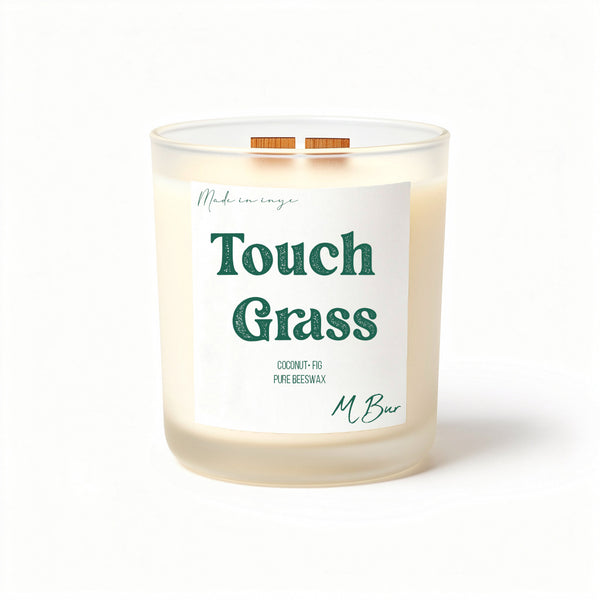
Brands that meet this profile include MBur (100% beeswax, phthalate-free non-toxic fragrance, wooden wicks, no dyes, stated explicitly), Big Dipper Wax Works (100% beeswax, unscented, cotton wicks), and Fontana (beeswax-coconut blend, essential oils, MADE SAFE certified, which is the most rigorous independent clean-product standard).
How to Use Candles Safely During Pregnancy
Choose candles from the criteria above. Burn in well-ventilated rooms (cracked window, fan, or open door). Avoid burning candles in small unventilated bathrooms during long baths. Limit total daily burn time; an hour or two is different from six hours of continuous use. Skip the candle on days you're feeling nausea-sensitive even if the scent normally helps. Don't fall asleep with candles burning (fire risk, separate from chemical risk). After your third trimester, avoid burning candles in the room where you're planning to nurse or care for the newborn.
Frequently Asked Questions
Are scented candles really dangerous for pregnancy?
"Dangerous" is too strong for most clean candles in normal use. The reasonable precaution is to avoid candles with paraffin wax and undisclosed fragrance, which describes most mass-market candles (Yankee, Bath & Body Works, Diptyque, Capri Blue, IKEA, Target Threshold, and similar). Clean beeswax candles with explicit phthalate-free fragrance are in a different category and aren't a meaningful pregnancy concern at normal use levels.
What scents are best during pregnancy?
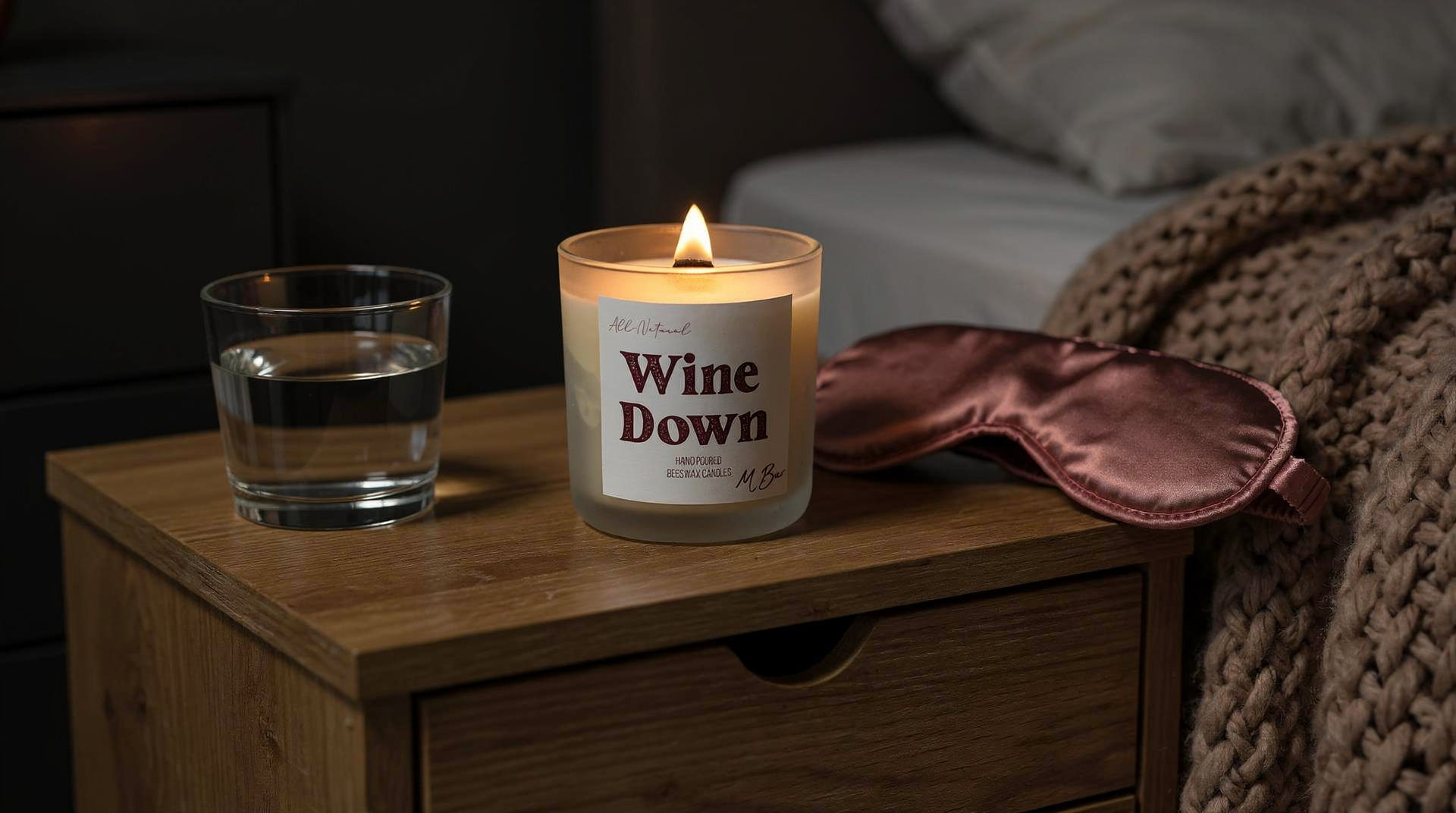
This is highly individual because pregnancy olfactory sensitivity varies. Common reports: lavender for calming, lemon and ginger for nausea relief, peppermint for energy and nausea, sandalwood for grounding. Common pregnancy aversions: heavy vanilla, sweet gourmand scents, strong florals, anything overly perfumed. Wine Down (lavender, chamomile, sandalwood) is a frequent pregnancy pick.
Can I burn a candle in the nursery?
For pregnancy itself, yes if the room is well-ventilated and you're using clean candles. After the baby arrives, candles in the nursery aren't recommended because of fire safety and newborn respiratory sensitivity (separate article on that topic). Use candles in other rooms once the baby arrives.
What if I've been burning paraffin candles before I knew I was pregnant?
Don't worry about past exposure. The pregnancy-relevant exposure science is about ongoing exposure during pregnancy, not retrospective single events. Switch to cleaner candles going forward, ventilate well, and that's a reasonable precaution.
Are essential oil candles safe during pregnancy?
Some are; some aren't. A few essential oils have specific pregnancy cautions (clary sage, rosemary, juniper at high concentrations). Lavender, chamomile, sandalwood, citrus, and most common candle essential oils are fine at typical candle exposures. If you have a specific medical concern, ask your OB about specific oils rather than assuming "essential oil" automatically means safe.
The Bottom Line
Candles aren't off-limits during pregnancy, but the candle type matters more than it does at other times. Paraffin candles and synthetic fragrance with undisclosed composition are the candles to avoid. 100% beeswax with phthalate-free fragrance (or unscented) is the cleaner category, used in ventilated rooms with reasonable moderation. The MBur lineup, Fontana (MADE SAFE certified), and Big Dipper (unscented) all meet the pregnancy-safer criteria. Pregnancy isn't a reason to give up candles entirely, but it's a good reason to upgrade what's burning in your home.
Shop the full collection of clean-burning beeswax candles
What buyers say:
Related reading:

