

Can You Burn Candles Around a Newborn?
Can You Burn Candles Around a Newborn?
The first weeks with a newborn change the calculus on a lot of household habits, including candle use. Newborns have different respiratory mechanics than older children or adults, their lungs are still developing, and indoor air quality has a more direct effect on them than on the rest of the household. The candle question doesn't have a simple yes or no answer. It depends on the candle, the room, and how it's being used. Here's a practical breakdown.
For the cleanest candle options to use in a newborn household, browse the full MBur beeswax candle collection.
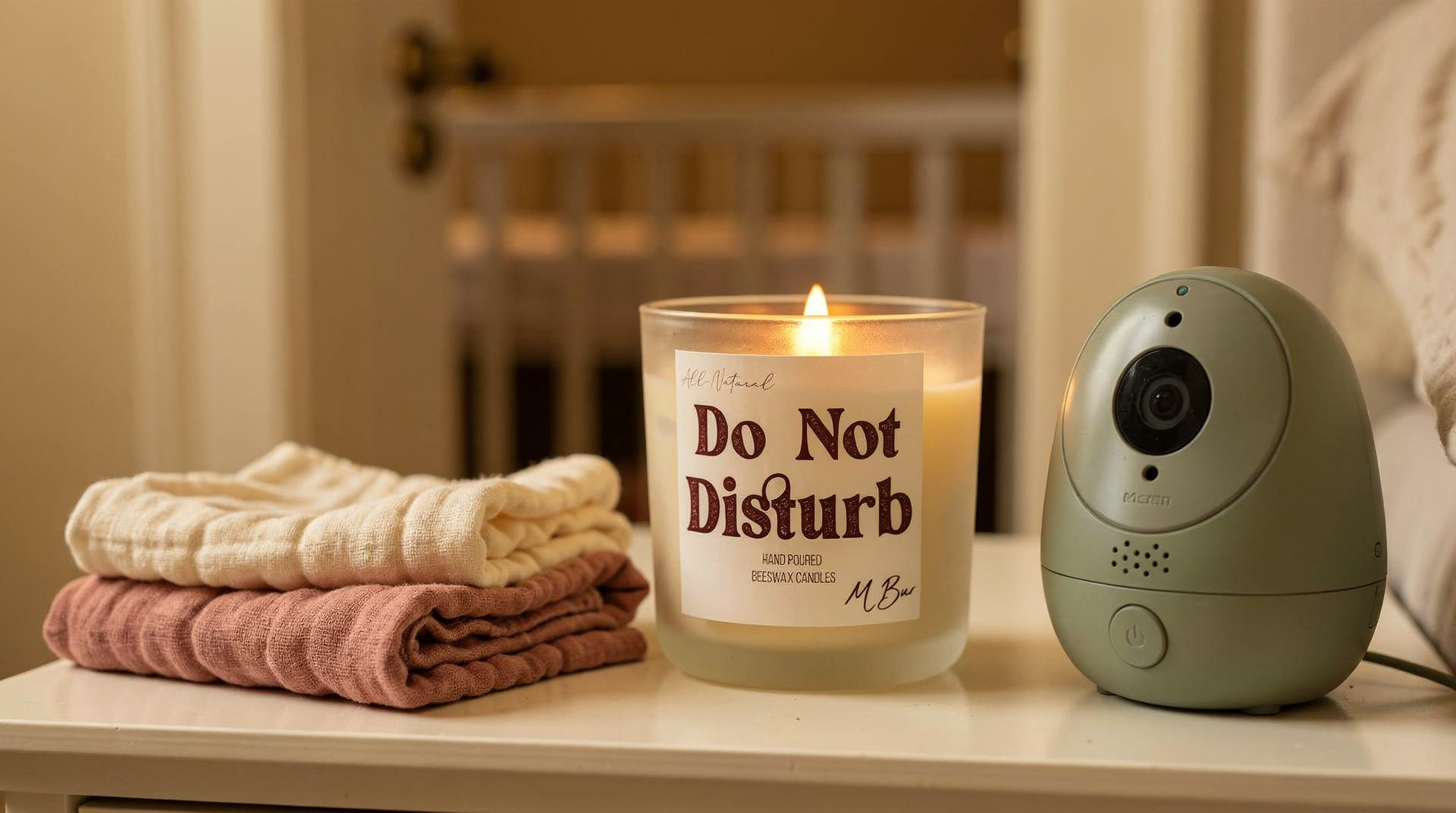
The Quick Answer
Avoid burning candles in the same room as a newborn. Avoid candles in the nursery entirely (fire safety as much as air quality). 100% beeswax candles with phthalate-free fragrance or unscented can be used in other rooms of the house with normal ventilation. Paraffin candles, scented mass-market candles, and any candle with undisclosed fragrance should be avoided in the home while the baby is small, or at minimum kept far from the baby's living areas. The newborn period is the most cautious window; this loosens somewhat as the baby grows.
Why Newborns Are More Vulnerable
Newborns breathe much faster than adults. The average newborn breathing rate is 40 to 60 breaths per minute, compared to 12 to 20 for adults. That's three to four times the air contact per minute relative to body size. Whatever's in the room air reaches the newborn's lungs faster than it reaches yours.
Newborn lungs are also still developing. Alveolar development continues for the first two years, with the most rapid growth in the first months. Exposure to respiratory irritants during this window can affect lung development and increase risk of childhood respiratory conditions. The research on indoor air pollutants and infant respiratory outcomes is consistent: lower exposure during the first year is associated with better outcomes.
Newborn skin is also more permeable than adult skin, which matters for compounds that settle on skin from indoor air. And newborns spend essentially all their time in indoor environments, so whatever the indoor air contains is what they're breathing constantly.
Specific Candle Concerns for Newborns
Paraffin Combustion
Paraffin candles release benzene, toluene, formaldehyde, and other volatile organic compounds when burned. These are recognized respiratory irritants for adults and considerably more concerning for developing infant lungs. Daily paraffin candle use in a home with a newborn is the candle scenario worth specifically avoiding.
Synthetic Fragrance and Phthalates
Phthalates from scented candles can affect endocrine function and have been studied in connection with developmental outcomes. The American Academy of Pediatrics and several similar bodies have flagged phthalates as a category to reduce for infant exposure. Candles with explicit phthalate-free claims are the safer option; candles with undisclosed fragrance composition are the category to avoid.
Soot and Particulates
Particulate matter in indoor air is associated with respiratory development outcomes in infants. Paraffin candles, dyed candles, and candles with thin or poor-quality wicks produce significantly more soot than clean beeswax candles. Reducing soot exposure during the first months of life is a reasonable precaution.
Fire Safety
This is separate from but as important as air quality. Newborn caregivers are often sleep-deprived, distracted, or holding the baby in positions that make it easy to forget about a lit candle. The National Fire Protection Association data shows candles cause approximately 7,400 home fires per year in the US, with a substantial percentage starting in bedrooms where someone fell asleep. Don't burn candles in the nursery. Don't burn candles in any room where you might forget about them while attending to the baby.
Where Candles Can Be Used (and Where They Can't)
Can be used (with clean candles, ventilation, normal precautions):
Living rooms with the baby in a different room. Kitchens during cooking, with the baby elsewhere. The parents' bathroom for self-care, with the door closed and baby not in the room. The dining room during a meal when the baby is in a swing or bouncer at a distance.
Should not be used:
The nursery. The room where the baby is sleeping. Any room where you might be holding the baby for an extended time (heat and proximity concerns). Small rooms where the baby spends regular time, without ventilation. Anywhere you might fall asleep while baby is also in the room.
What Counts as a Safer Candle for a Newborn Household
The criteria are the same as for pregnancy plus stricter use guidelines:
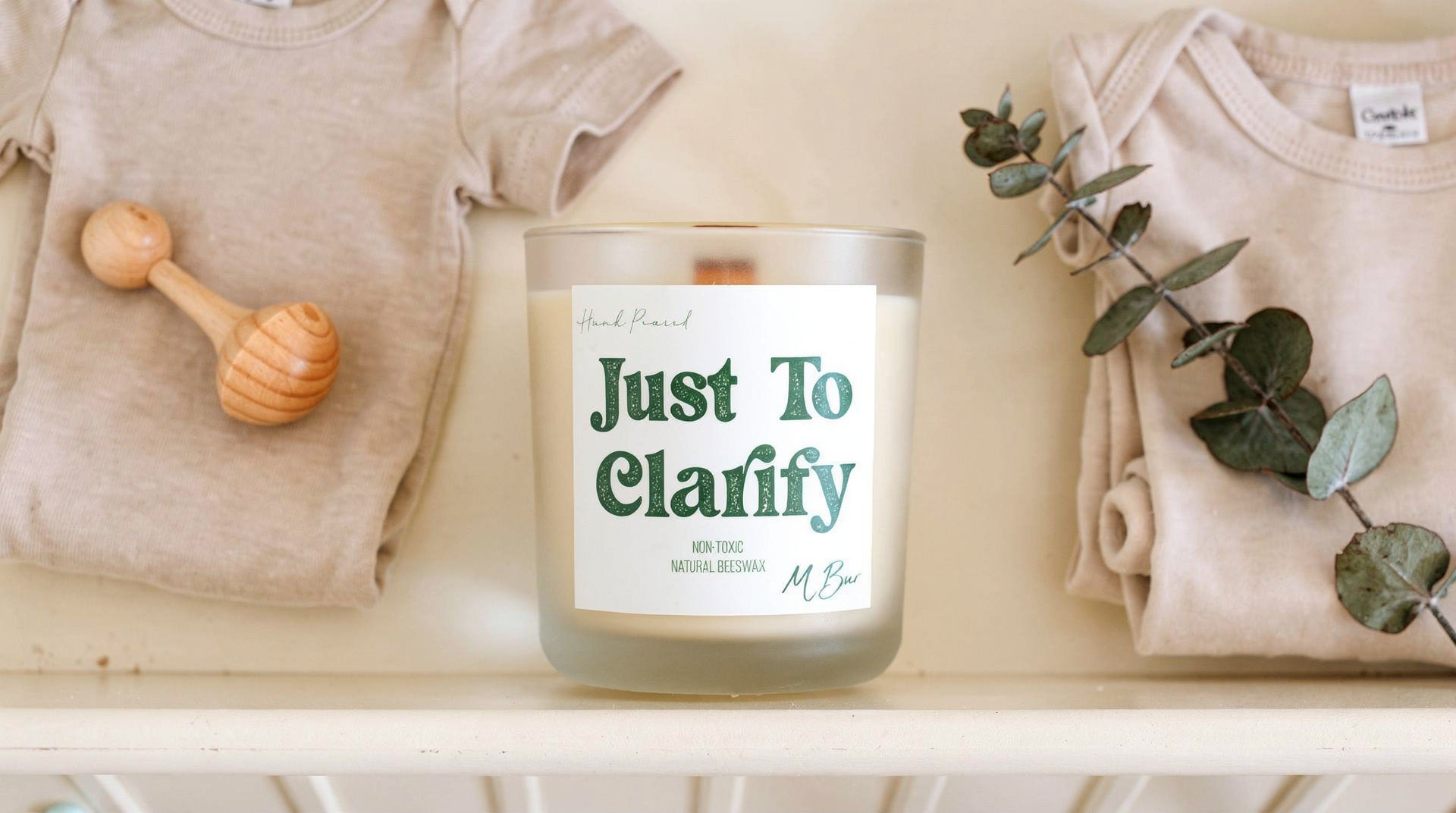
100% beeswax wax (not a blend). Phthalate-free non-toxic fragrance, stated explicitly (or unscented). Cotton or wooden wick with no metal core. No synthetic dyes. Used in rooms the baby isn't in, with ventilation, and not while you're so tired you might forget the flame.
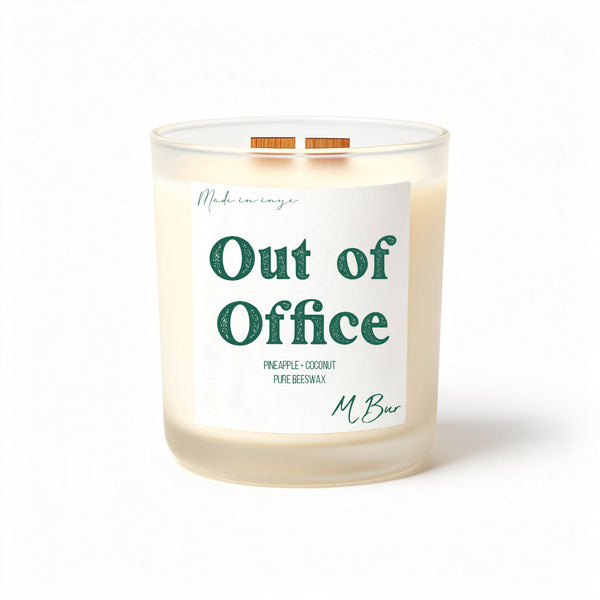
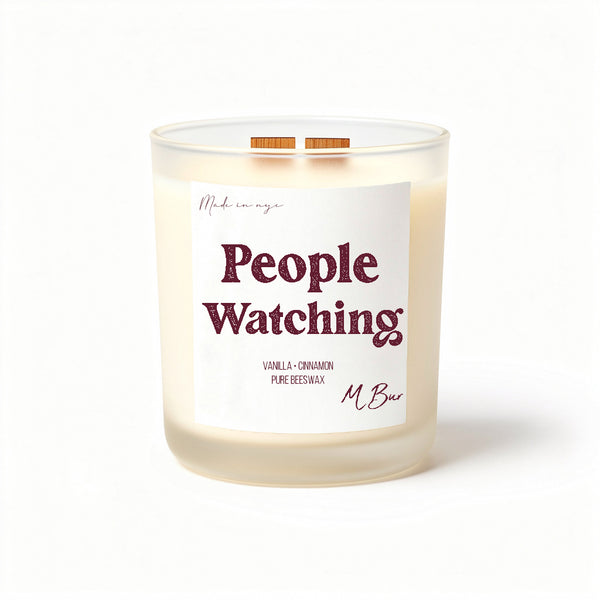
Brands meeting these criteria: MBur (100% beeswax, phthalate-free, wooden wicks, no dyes), Big Dipper Wax Works (100% beeswax, unscented), Fontana (MADE SAFE certified beeswax-coconut blend). Avoid: any paraffin candle, any candle without explicit clean ingredient claims, any candle marketed for "strong scent throw" (which is exactly what you don't want around a newborn).
Frequently Asked Questions
Can I burn a candle while the baby is asleep in another room?
For clean candles in a ventilated different room with the door closed between you and the baby, yes. Air does move between rooms in most homes, so even this isn't zero exposure, but it's reasonable. Don't burn candles in the same room as a sleeping newborn even briefly.
What about birthday candles or candles for a special occasion?
Brief candle use for a specific event (singing happy birthday over a cake, lighting a Hanukkah candle, blowing out wishes on a new year's candle) is a different exposure level than ambient candle burning. The total minutes of air contact are minimal. Just don't do this in the room the baby is in; bring the candle to a different area or move the baby first.
How long should I avoid candles after the baby is born?
The strictest period is the first 6 months when lung development is most rapid. After that the precautions loosen somewhat, but reducing paraffin and synthetic fragrance exposure remains worthwhile through the first year and beyond. Clean candles in other rooms are fine from very early on; full nursery candle use with any candle is generally not recommended in the first year.
Are aromatherapy candles okay for sleep training?
Don't burn candles in the baby's sleep environment, even clean ones. The combination of fire risk and respiratory considerations makes this not worth it. If aromatherapy is part of the sleep approach, use a passive diffuser with a few drops of essential oil (lavender is the best-studied for sleep) in a different room, or a baby-safe pillow spray on bedding rather than an actual candle.
What if my baby is in the NICU and coming home soon?
NICU graduates, especially premature babies, have respiratory systems that may be even more sensitive than full-term newborns. Coordinate with the medical team but generally avoid candles in the home entirely for the first months, or strictly limit to clean candles in unused rooms.
The Bottom Line
Newborns are more vulnerable to indoor air pollutants than older children or adults because of higher breathing rates, developing lungs, and constant indoor exposure. Don't burn candles in the same room as a newborn, and skip the nursery entirely. Clean candles (100% beeswax, phthalate-free fragrance or unscented) can be used in other rooms with ventilation and normal fire safety. Paraffin candles and aggressively scented candles aren't appropriate in a newborn home regardless of room. The precautions ease as the baby grows, but the first months warrant the strictest approach.
Shop the full collection of clean-burning beeswax candles
What buyers say:
Related reading:

