

Are Candles Bad for Reptiles and Small Pets?
Are Candles Bad for Reptiles and Small Pets?
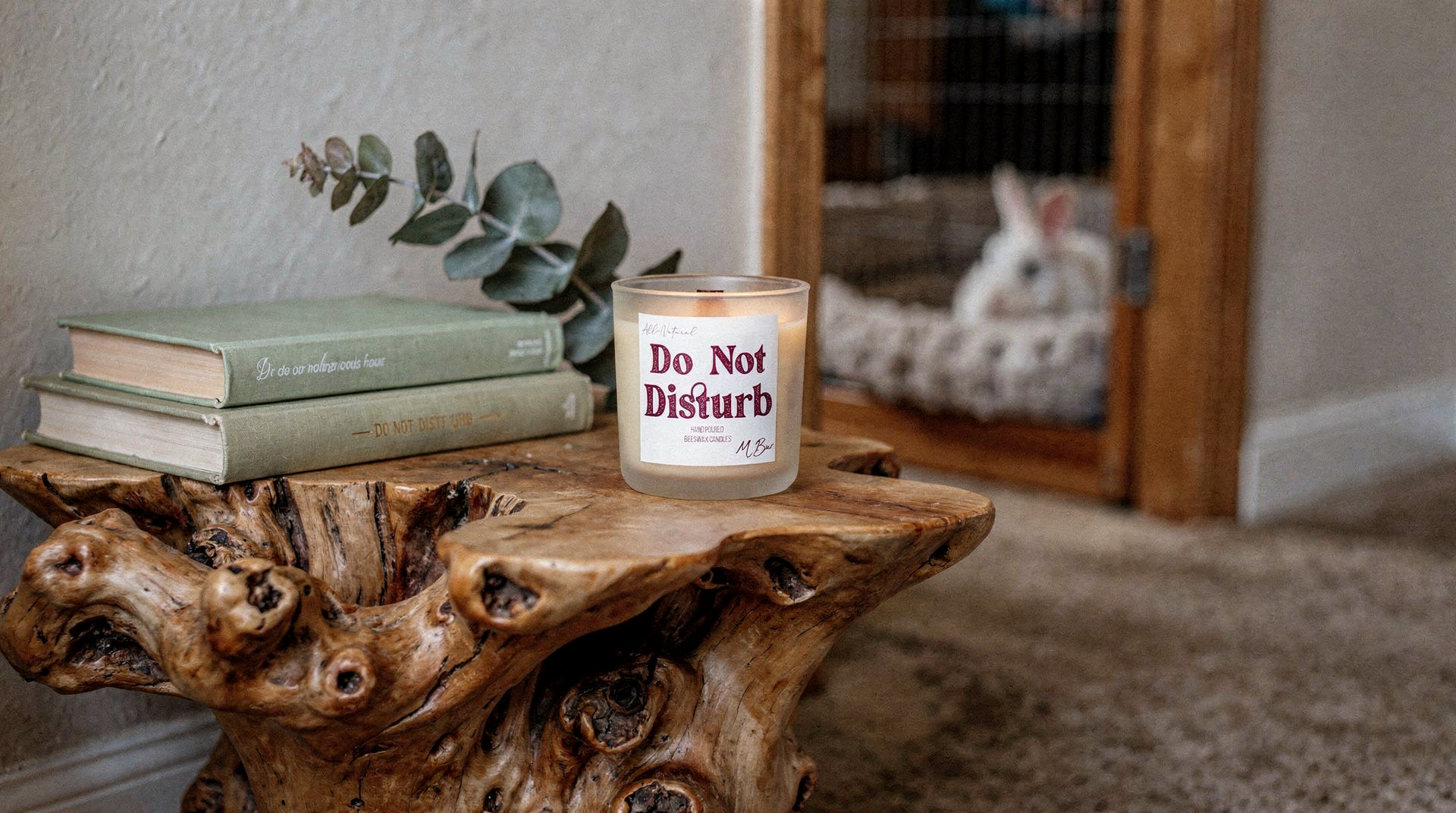
Reptiles, rabbits, guinea pigs, hamsters, chinchillas, ferrets, and other small pets share something in common when it comes to candles: their bodies are small enough that indoor air quality matters more to them than it does to a human in the same room. The proportional exposure per body weight is higher, and several of these species have sensitive respiratory systems that compound the issue. The full answer to whether candles are safe around small pets depends on the species and the candle, but the precautionary side leans clearer than for cats and dogs.
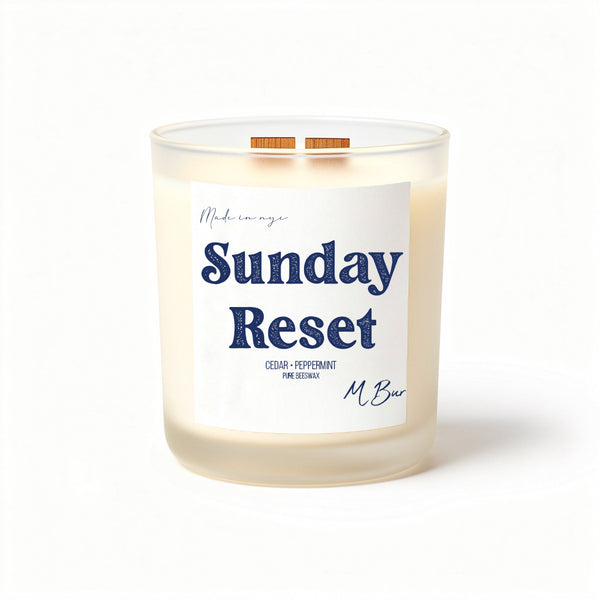
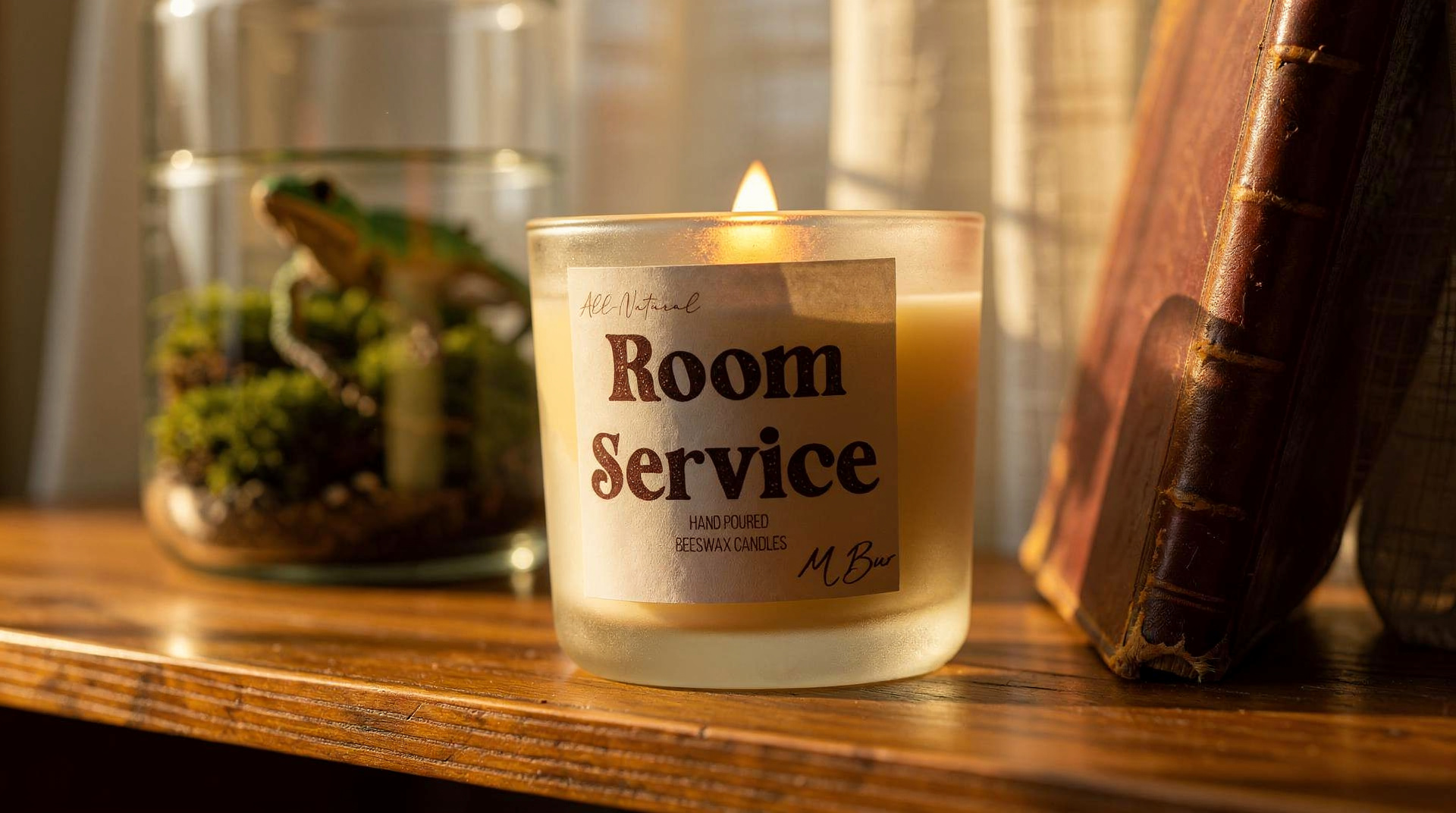
For the cleanest candle options to use in a small-pet household, browse the full MBur beeswax candle collection.
The Quick Answer
Paraffin candles and aggressively scented candles should be avoided in rooms with reptiles or small pets. 100% beeswax candles are generally fine in the same household with normal precautions: kept several feet from the enclosure, used in well-ventilated rooms, ideally with the pet in a different room during burning. Rabbits, chinchillas, and birds are the most sensitive of common small pets and warrant the most caution. Reptiles vary by species but are also more sensitive than mammals on average. Hamsters, guinea pigs, ferrets, and gerbils are less sensitive but still at higher risk than humans.
Why Small Pets Are More Vulnerable
Three factors compound to make small pets more vulnerable to indoor air pollutants than humans are.
First, the dose-per-body-weight is higher. A rabbit weighing 5 pounds breathing the same room air as a 150-pound human is processing roughly the same atmospheric pollutant concentration through a body 30 times smaller. The amount of compound per unit of tissue is meaningfully higher.
Second, respiratory rates are usually faster. Small mammals breathe more frequently than humans. A hamster takes about 35 to 135 breaths per minute. A rabbit takes 30 to 60. Humans average 12 to 20. More breaths means more air contact with lung tissue per unit time, which means faster uptake of airborne compounds.
Third, some species have specifically sensitive respiratory systems. Rabbits and chinchillas have delicate respiratory tract anatomy that can be irritated by compounds humans tolerate. Many reptiles have respiratory systems adapted to specific environmental conditions (humid for tropical species, dry for desert species), and chemical irritants disrupt that balance.
Species-by-Species Considerations
Rabbits
Rabbits are among the more candle-sensitive common pets. Their respiratory systems are easily irritated, and respiratory infections are a leading cause of veterinary visits for pet rabbits. Paraffin candles in the same room as a rabbit enclosure aren't recommended, and even cleaner candles should be used at distance with ventilation. Some rabbits show stress at scent levels humans don't notice.
Chinchillas
Chinchillas have very dense fur and a respiratory system adapted to dry mountain environments. Synthetic fragrances and combustion byproducts can cause respiratory distress. Chinchilla owners on enthusiast forums generally recommend avoiding scented candles entirely in chinchilla rooms.
Hamsters, Gerbils, Mice, Rats
Smaller rodents are at risk proportionally but generally tolerate cleaner candles burned at distance with ventilation. Avoid burning candles right next to the cage, and skip paraffin candles in rooms where these animals live. Strong fragrances in small spaces can stress them.
Guinea Pigs
Guinea pigs are similar to rabbits in respiratory sensitivity, just slightly less. The same precautions apply: avoid paraffin in the room, use clean candles at distance, ventilate.
Ferrets
Ferrets are somewhat more tolerant than the other small mammals on this list. Normal household candle use with clean candles isn't a significant concern, but heavy fragrance and paraffin combustion still aren't ideal.
Snakes
Snakes have relatively low metabolic rates and breathing rates, which reduces their relative exposure compared to small mammals. But snakes are sensitive to specific chemical irritants and can develop respiratory infections from compromised air quality. Avoid burning candles directly above or beside a snake enclosure (heat is also a factor). Clean candles in a ventilated room at distance are generally fine.
Lizards (Geckos, Bearded Dragons, Iguanas)
Similar to snakes; tolerable with caution. Avoid paraffin and strong fragrance, especially for arboreal species that perch high in their enclosures where heat and airborne compounds concentrate. Bearded dragons and iguanas in larger setups generally tolerate clean candles in the same room. Smaller geckos in compact terrariums are more vulnerable.
Frogs and Amphibians
Amphibians have permeable skin that absorbs compounds from the environment, including airborne chemicals that dissolve into the moisture in their enclosure. They're more sensitive than reptiles to indoor air pollutants. Candles in amphibian rooms warrant extra caution: avoid paraffin, use only the cleanest candles, ventilate well.
Specific Candle Concerns for Small Pets
Paraffin combustion releases benzene, toluene, and other VOCs that small pets process more concentratedly than humans do. Synthetic fragrance, especially with phthalates, can trigger respiratory stress and may have endocrine effects in small mammals over time. Soot particles can settle on bedding, substrate, food, and water dishes inside cages and enclosures, which means the pet ingests them too. Dyed candles add to the soot load. Lead-core wicks (banned in US-made candles since 2003 but possible in imports) are especially concerning for small mammals that groom themselves and ingest whatever settles on their fur.
How to Use Candles Safely Around Small Pets
Choose 100% beeswax candles unscented or with phthalate-free fragrance from a brand that states it. Keep candles at least several feet from the enclosure (further is better). Ventilate the room when burning. Avoid daily candle burning in the same room as a small pet, especially in small rooms. Don't burn candles directly above any enclosure (heat is a factor in addition to air quality). For the most sensitive species (rabbits, chinchillas, amphibians, birds), consider keeping candles in different rooms entirely.
Frequently Asked Questions
Is unscented better than scented for small pets?
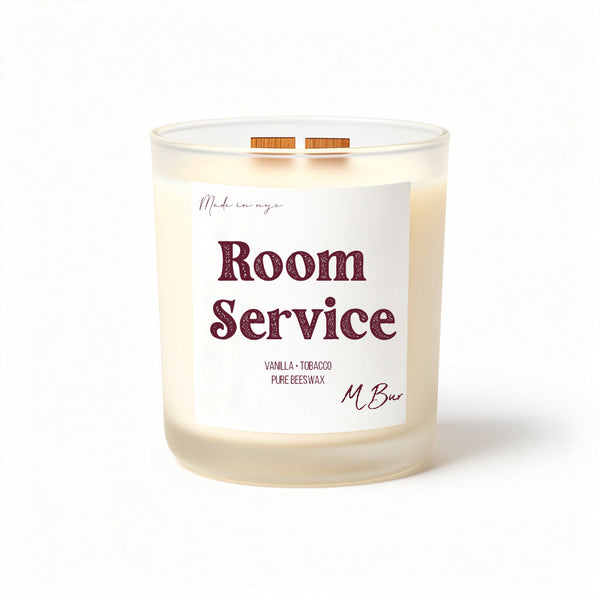
Yes, especially for sensitive species. Unscented removes the fragrance variable (no phthalates, no aggressive aroma chemicals). Unscented 100% beeswax is the safest candle option for any small-pet household.
What about essential oil candles?
Essential oils can actually be more dangerous than synthetic fragrance for many small pets. Tea tree, peppermint, eucalyptus, and citrus oils are toxic to multiple species (cats, birds, small mammals, reptiles) at very low concentrations. Don't assume "natural" means safe. Single-note essential oil candles aren't automatically pet-safe.
Are warming wax melts safer than candles?
Not particularly. Wax melts heat wax to release fragrance into the air, which produces the same airborne fragrance compounds as candles. The lack of an open flame removes the heat-near-cage risk but the air quality concern remains identical. Wax melts with paraffin or synthetic fragrance are no safer than equivalent candles for small pets.
Will my pet show symptoms if a candle is bothering them?
Sometimes yes (wheezing, sneezing, lethargy, reduced eating), sometimes no until significant damage has occurred. Small pets often hide symptoms instinctively. Watch for behavior changes, breathing patterns, and any reduced activity. If you suspect a candle is affecting your pet, remove the source first and consult a vet.
Is incense safer or worse than candles?
Worse, generally. Incense produces significantly more soot and combustion byproducts than candles do, including specific compounds (acrolein, polycyclic aromatic hydrocarbons) that are notably irritating. Avoid incense in any small-pet household.

The Bottom Line
Small pets are more vulnerable to indoor air pollutants than humans are because of higher breathing rates, smaller body sizes, and (in some species) particularly sensitive respiratory systems. Paraffin candles and aggressively scented candles should be avoided in rooms with small pets. Clean beeswax candles with phthalate-free fragrance or unscented are generally fine with normal precautions: distance from the enclosure, ventilation, and ideally not daily use in the same room. Rabbits, chinchillas, amphibians, and birds are the most sensitive and warrant the strictest precautions.
Shop the full collection of clean-burning beeswax candles
What buyers say:
Related reading:

