

Benzene in Candles: Should You Be Worried?
Benzene in Candles: Should You Be Worried?
Paraffin wax is a direct byproduct of petroleum refining. The same industrial process that produces gasoline and diesel also produces paraffin, and yet for most of the 20th century, that waxy residue became the default material inside virtually every candle on the market. Nobody questioned it much. A candle was a candle.
Then researchers started measuring what those candles were actually putting into the air, and things got uncomfortable fast.
The question of benzene in candles is one of the most searched and least clearly answered topics in the candle world. Plenty of articles will tell you to panic. Plenty of others will tell you there is nothing to worry about. The truth, as usual, sits somewhere more specific and more useful than either extreme.
This post breaks down exactly what benzene is, which candles release it and why, how much exposure actually poses a risk, and what to do if you burn candles regularly. No fearmongering. Just the science, organized so it actually makes sense.
What Is Benzene and Why Does It Matter?
Benzene is a colorless, flammable liquid that occurs naturally in crude oil and is also produced during combustion processes. It has a faintly sweet smell, though most people cannot detect it at low concentrations.
The reason benzene gets attention from health researchers is that it belongs to a class of compounds called volatile organic compounds (VOCs), and it is classified as a Group 1 carcinogen by the International Agency for Research on Cancer (IARC). Long term, high dose exposure to benzene has been linked to leukemia and other blood cancers, according to the National Cancer Institute.
That sounds alarming. But context matters enormously here. High dose occupational exposure, the kind linked to blood cancers, typically involves industrial workers exposed to benzene for years in enclosed, poorly ventilated environments. Sitting next to a candle in your living room for an hour is a categorically different scenario.
The relevant question is not whether candles can theoretically release benzene. Some can and do. The relevant question is which ones, how much, and whether it is enough to matter inside a normal home. Those are the questions worth answering.
Do Candles Actually Release Benzene?
Yes, some candles do release benzene, but the amount varies significantly depending on the wax type, the fragrance ingredients, and the wick composition.
A study published in the journal Chemosphere analyzed emissions from paraffin candles and found that burning them indoors released measurable quantities of benzene, toluene, and formaldehyde, all classified as VOCs with varying degrees of health concern. A separate study from South Carolina State University compared paraffin and soy candles and found that paraffin candles released significantly higher levels of VOCs, including potential carcinogens.
The mechanism is fairly straightforward. Paraffin is a hydrocarbon chain derived from petroleum. When those chains combust incompletely, which is what happens in a typical candle flame, some of the carbon molecules do not fully oxidize. Instead, they break into smaller aromatic compounds including benzene, toluene, and ethylbenzene. This is the same basic chemistry that makes car exhaust and cigarette smoke problematic.
Soy candles perform better than paraffin on this metric, but there is an important caveat. Many soy candles on the market are not pure soy. They are soy blends, often containing 10 to 30 percent paraffin to improve texture and scent throw. A candle labeled "soy" is not necessarily a paraffin free candle. Blended candles carry blended risks.
The Wax by Wax Breakdown
Paraffin
The worst offender. Paraffin is petroleum waste, full stop. It has the lowest melting point of any common candle wax and produces the most incomplete combustion. Studies consistently show the highest VOC output from paraffin candles, including benzene, toluene, and formaldehyde. Paraffin also produces the black soot you sometimes see collecting on walls and jar rims. That soot is fine particulate matter, and breathing it regularly is not a great idea.
Soy
A meaningful improvement over paraffin, especially when it is genuinely pure soy rather than a blend. Soy wax produces less soot and fewer VOCs during combustion. The primary risk with soy candles comes not from the wax itself but from the fragrance compounds used alongside it. Soy wax is a good carrier, which means it releases fragrance more readily, including whatever toxic fragrance compounds might be in that fragrance oil.
Coconut Wax
A cleaner option that has grown in popularity. Coconut wax burns slowly and relatively cleanly, though it is expensive to produce and most commercially available coconut wax candles are also blended with other waxes to manage costs and texture.
Beeswax
The oldest candle material on earth, used continuously since roughly 3000 BCE, and still the cleanest burning option available. Beeswax has the highest melting point of any candle wax, which means it burns more slowly and more completely than any of its alternatives. Complete combustion means fewer unburned hydrocarbon fragments, which means dramatically lower VOC output.
Beeswax is also the only candle wax that is not a manufactured or processed material. It is a natural secretion produced by honeybees as a byproduct of honey production. There are no solvents, no petroleum derivatives, and no chemical processing involved in its production.
Some sources claim that beeswax candles emit negative ions that actively purify the air. The evidence for that specific claim is limited and largely anecdotal, so we will not overstate it here. What the evidence does support clearly is that beeswax produces substantially less combustion related pollution than paraffin, and that it does not require any chemical additives to function as a candle wax.
Fragrance Is Often the Bigger Variable
Here is something that does not get enough attention in conversations about benzene in candles: the wax is not always the primary source of concerning emissions. The fragrance is.
Conventional fragrance oils used in candles can contain dozens to hundreds of individual chemical compounds. Some of those compounds, including certain aldehydes and aromatic hydrocarbons, can release VOCs when burned. The fragrance industry in the United States operates under a self regulatory body called the Research Institute for Fragrance Materials (RIFM), but disclosure requirements are limited. A single ingredient listed as "fragrance" on a label can legally represent a complex mixture of compounds, some of which have not been independently assessed for safety in combustion scenarios.
This is why the combination of paraffin wax plus toxic fragrance is the worst case scenario in the candle world. You have a petroleum derived wax that already produces VOCs, combined with a fragrance blend that can add its own cocktail of airborne compounds when heated. For a deeper look at why that combination matters, see our paraffin vs beeswax vs soy comparison.
Phthalates specifically are worth flagging. These are synthetic plasticizers sometimes used as fragrance fixatives to help scent last longer. Phthalates are endocrine disruptors, meaning they interfere with hormone signaling, and they are listed as chemicals of concern by the European Chemicals Agency. Not all candle brands disclose whether their fragrance oils contain phthalates. The brands that do disclose, and that use phthalate free fragrance, are doing something meaningfully different from the mainstream.
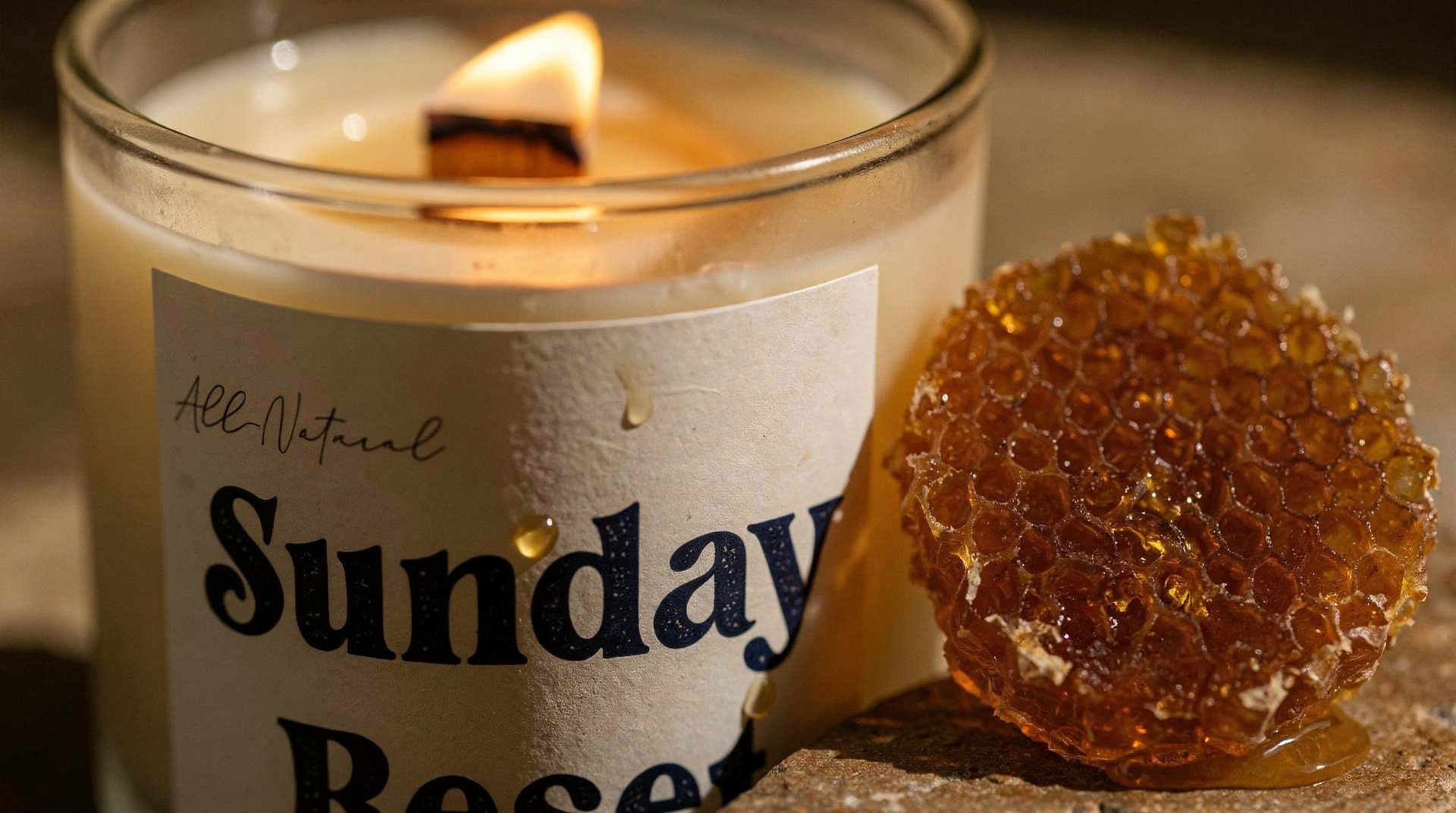
"I absolutely love these candles! I instantly notice the difference in the air quality, in comparison to the Bath and Body scented candles. I love Bath and Body's candles but I acknowledge that it caused a slight headache and other minor respiratory discomfort. Awesome products. Totally addicted." Jason H., Sunday Reset Candle
That kind of switch, from conventional scented candles to beeswax candles with non toxic fragrance, is what many customers describe after they start paying attention to what is actually in their candles. If you have ever noticed that certain candles leave you with a dull headache or a scratchy throat, the fragrance chemistry is often the first place to look.
Metal Core Wicks: The Third Variable Nobody Talks About
Wax and fragrance get most of the attention, but the wick is a real factor too. Older candles, and some budget candles still on the market today, use wicks with metal cores, typically zinc or tin. Lead core wicks were banned in the United States in 2003 by the Consumer Product Safety Commission after research confirmed they released lead particles during burning.
Cotton wicks and wooden wicks avoid this entirely. Wooden wicks in particular have grown in popularity for reasons beyond the satisfying crackle sound they produce. They tend to create a wider, more even melt pool, which supports more complete wax combustion and a cleaner burn overall.
How Much Exposure Actually Comes From Candles?
This is where the framing matters most. The studies that identify VOC emissions from paraffin candles are real and worth knowing about. But it is also worth putting them in perspective.
A 2007 study published in Environmental Health Perspectives examined VOC exposure in typical households and found that candles, while a measurable source, were far below occupational exposure thresholds and generally comparable to or lower than other common indoor sources like cleaning products, air fresheners, and pressed wood furniture.
The risk profile of candles changes substantially depending on three factors: how often you burn them, how well ventilated the space is, and what kind of candles you are burning. Burning one paraffin candle occasionally in a large, well ventilated room is a very different scenario from burning multiple paraffin candles daily in a small, sealed bedroom.
Chronic, high frequency exposure in poorly ventilated spaces is where the risk calculus shifts. If candles are a regular part of your daily environment, the type of candle you choose starts to matter more than it would for occasional use.
A Practical Checklist for Choosing a Cleaner Candle
Based on the material science, here is what actually moves the needle:
- Wax type: Beeswax or pure soy over paraffin or paraffin blends. Beeswax is the cleanest option for combustion chemistry.
- Fragrance disclosure: Look for brands that specify phthalate free fragrance. If a brand does not mention it, assume the worst.
- Wick material: Cotton or wood over metal core. Wooden wicks are a solid choice for even, clean burning.
- Dyes: Skip them. Chemical dyes are combustion additives with no benefit and potential VOC contribution.
- Ventilation: Regardless of candle type, burn in reasonably ventilated spaces and avoid extended burns in sealed, small rooms.
- Wick maintenance: Trim your wick to about a quarter inch before each burn. A long wick creates a larger, more turbulent flame that burns less efficiently and produces more soot and particulates.
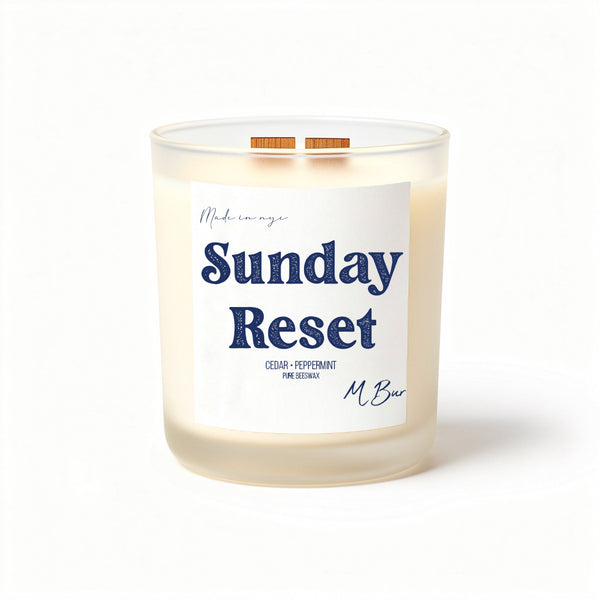
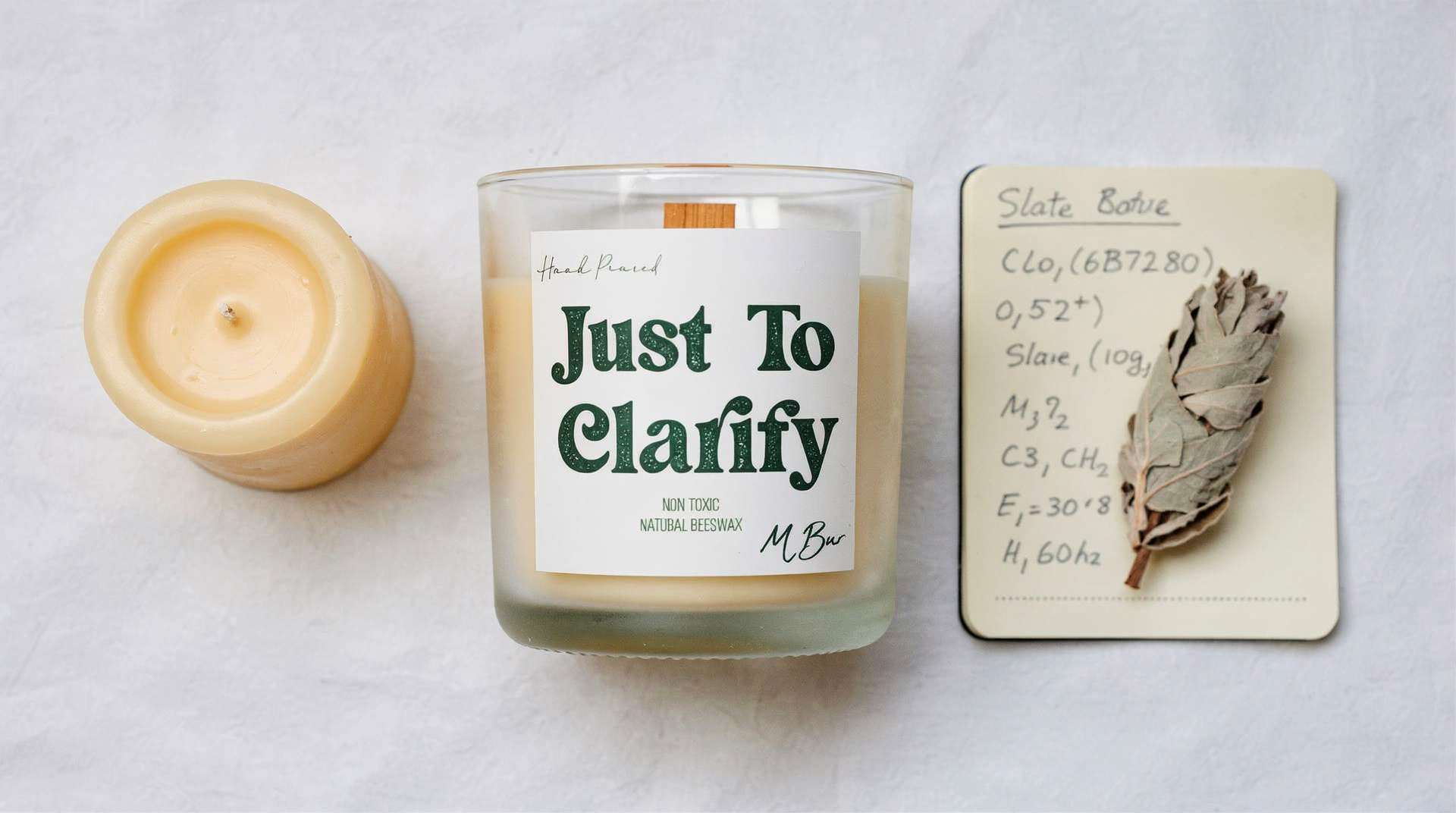
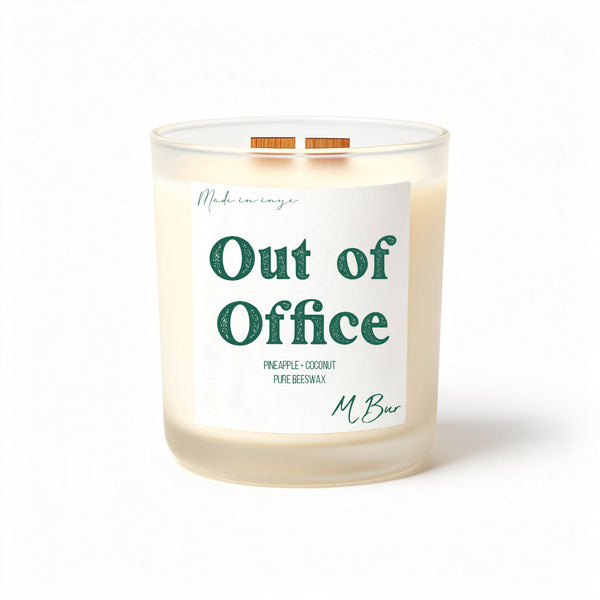
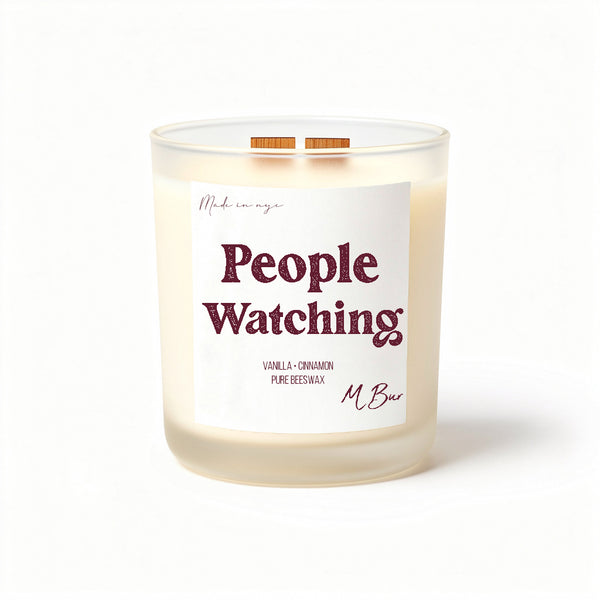
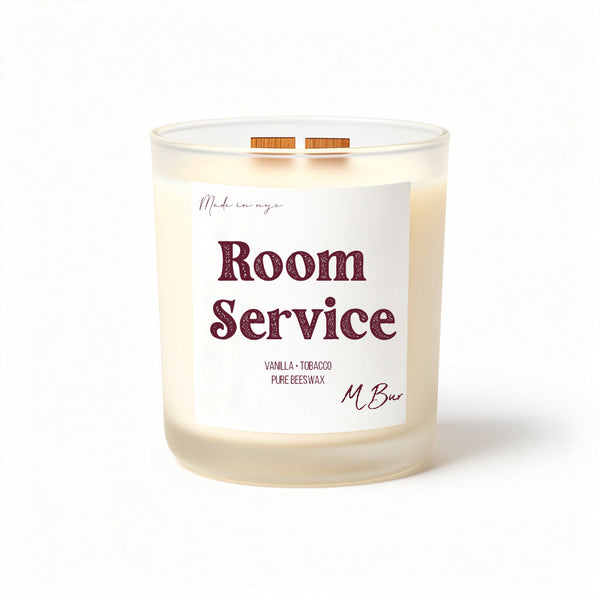
MBur candles check every one of those boxes. The wax is 100 percent beeswax, not a blend. The wooden wicks produce a cleaner, more even burn than cotton alternatives. The fragrance is phthalate free. There are no chemical dyes. Everything is handmade in Queens, NY from a short list of ingredients you can actually account for.
FAQ: Benzene in Candles
Do all candles release benzene?
Not at the same levels. Paraffin candles release the most benzene and other VOCs due to incomplete combustion of petroleum derived hydrocarbons. Beeswax candles, which burn at a higher temperature and more completely, release substantially less. The fragrance blend also matters significantly. Candles with toxic fragrance formulations can introduce additional aromatic compounds beyond what the wax itself produces.
How long do beeswax candles actually burn?
Longer than any other wax type. Because beeswax has the highest melting point of common candle waxes, it burns more slowly. MBur's 12oz beeswax candles are rated at 80 hours of burn time. A typical paraffin candle of the same size usually tops out around 40 to 50 hours.
Are soy candles safe from benzene?
Pure soy candles produce fewer VOCs than paraffin. The complication is that most commercially available soy candles are blended with paraffin, which reintroduces the same combustion chemistry concerns. Check whether a soy candle is genuinely 100 percent soy, and pay close attention to what fragrance ingredients are used alongside the wax.
Is the benzene from candles actually dangerous?
The research shows measurable benzene emissions from paraffin candles, but indoor candle use in typical, ventilated spaces is far below occupational exposure thresholds associated with disease. Occasional use of even conventional candles is unlikely to represent a significant health risk. Regular, daily use in small, poorly ventilated rooms with paraffin candles is the scenario where the risk calculation starts to shift. Switching wax type and improving ventilation are the two most effective adjustments you can make.
Do wooden wicks burn cleaner than cotton wicks?
Yes, in general. Wooden wicks create a wider, more even melt pool, which encourages more complete combustion and less soot output compared to a high, turbulent cotton wick flame. They also eliminate any risk associated with metal core cotton wicks.
The Bottom Line
Benzene in candles is a real phenomenon, not a myth, and not something to brush off entirely. But it is also not a reason to throw out every candle in your home. The risk is specific. It is tied to paraffin wax, toxic fragrance compounds, and metal core wicks, not to candles as a category.
Beeswax candles with phthalate free fragrance and wooden wicks represent the cleanest end of the spectrum. If you burn candles regularly, the type of candle you choose matters more than if you light one occasionally for a dinner party.
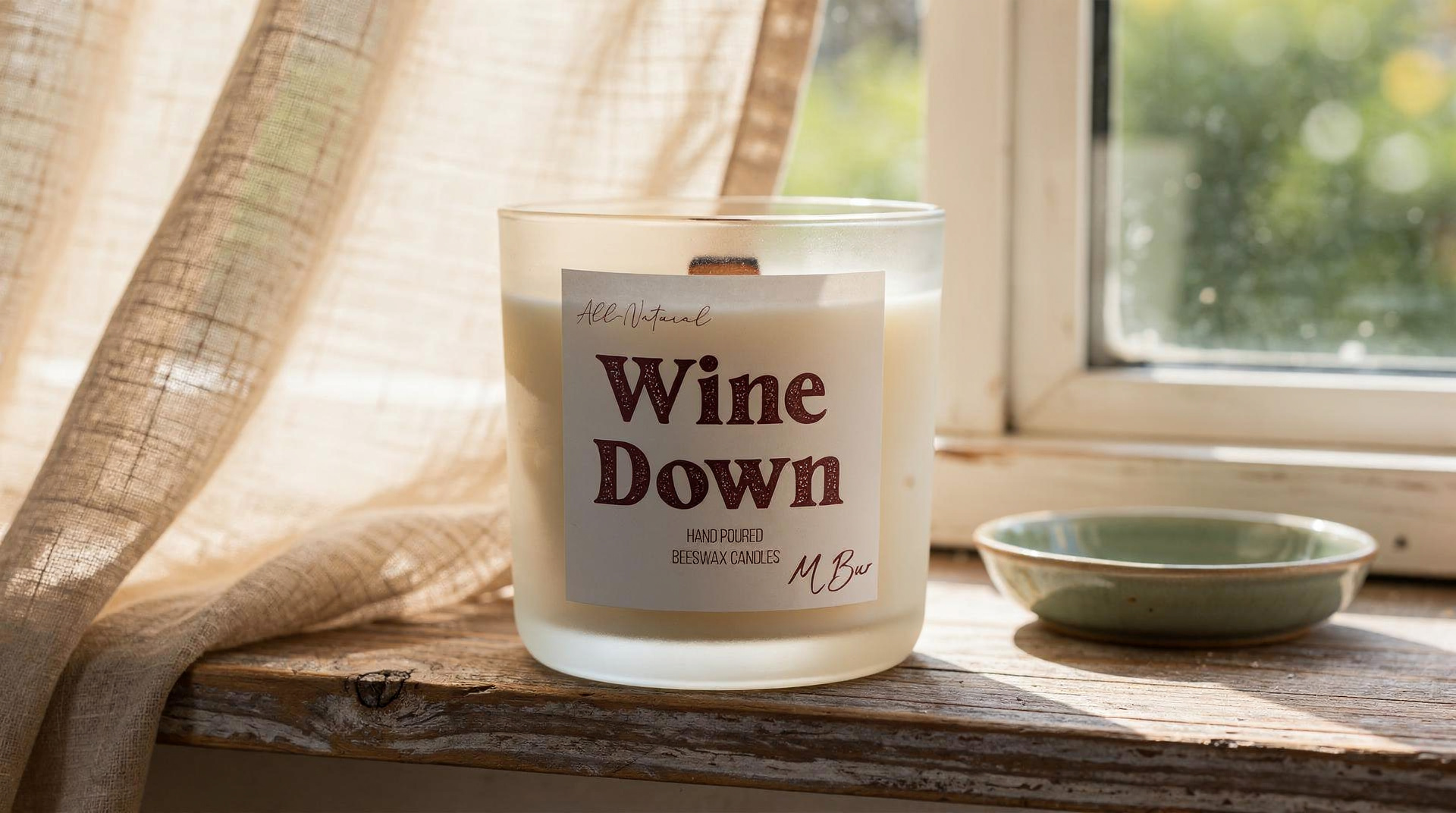
If you are ready to make the switch, the Wine Down beeswax candle (from $20 for the 20 hour size) is one of the most popular starting points for people moving away from conventional scented candles, especially those who have noticed sensitivity to heavy fragrance.
Shop the full MBur beeswax candle collection
What buyers say:
Related reading:

