

Formaldehyde in Candles: What the Research Actually Shows
Formaldehyde in Candles: What the Research Actually Shows
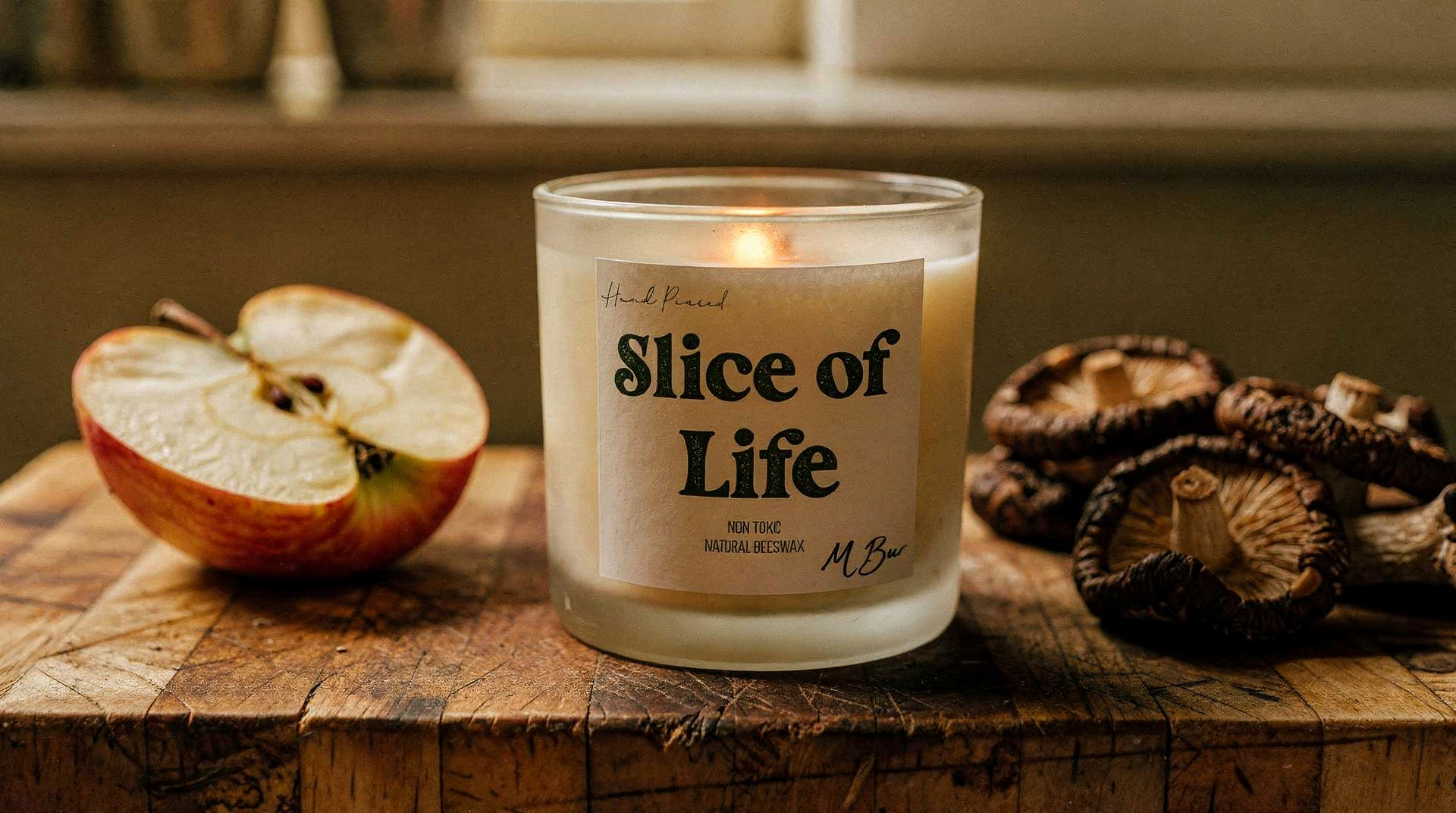
Formaldehyde is classified as a Group 1 human carcinogen by the World Health Organization. It is also naturally present in apples, pears, and shiitake mushrooms. Context, as it turns out, matters enormously when we talk about chemical exposure, and nowhere does that nuance get lost faster than in conversations about candles.
If you have spent any time in candle adjacent corners of the internet, you have probably seen some version of the claim that burning a candle in your home is basically the same as breathing in car exhaust. That is not quite right. But the concern is not entirely invented either. Some candles do release formaldehyde during combustion, and the research is specific enough about which types and under what conditions that it is worth actually understanding, rather than dismissing or panicking about.
This post breaks down what the studies actually found, which candle ingredients are implicated, and what a genuinely lower emission candle looks like. If you want the broader picture on what chemicals candles release and how different waxes compare, that post goes deep on the full spectrum. Here we are focusing specifically on formaldehyde.
What Formaldehyde Actually Is
Formaldehyde (chemical formula CH2O) is a colorless gas with a sharp smell that most people associate with biology labs and preservatives. It is produced through combustion, which means any time something burns, including wood in a fireplace, a gas stove, or a candle, there is potential for formaldehyde to be released.
The question is not whether formaldehyde can be produced. It is how much is produced, under what conditions, and whether those levels are meaningful relative to what is already present in your home.
For reference, the EPA notes that indoor formaldehyde levels in most American homes typically range from 0.02 to 0.04 parts per million (ppm). The Occupational Safety and Health Administration sets a permissible exposure limit of 0.75 ppm over an eight hour workday. The concentrations found in most candle studies fall well below occupational thresholds, but that does not mean all candles are equivalent.
The Studies Worth Actually Citing
A frequently referenced study published in the journal Chemosphere analyzed the combustion byproducts of paraffin and beeswax candles under controlled conditions. The researchers found that paraffin candles produced measurably higher levels of volatile organic compounds (VOCs), including formaldehyde, benzene, and toluene, compared to beeswax candles burned under the same conditions.
A separate analysis conducted by researchers at South Carolina State University found that paraffin candles released potentially harmful chemicals including alkanes, alkenes, and toluene. The lead researcher stated that unburned chemicals from paraffin can be released as a visible soot, which contains particulate matter with carcinogenic properties.
It is worth noting that several industry funded reviews have pushed back on this framing, arguing that under normal use conditions, even paraffin candles do not produce VOC levels that exceed EPA or OSHA thresholds. A 2007 report commissioned by the European Candle Association concluded that candles, when used correctly in ventilated spaces, do not pose a meaningful health risk.
Both positions can be partially true. The levels released may be low enough to fall under regulatory thresholds during normal use. That does not mean all wax types perform equally, or that the source of those emissions is irrelevant.
Why Paraffin Is the Specific Problem
Paraffin wax is a petroleum byproduct. It is what is left over after crude oil is refined to produce gasoline and other fuels. When paraffin burns, it releases a cocktail of combustion byproducts that can include acetaldehyde, formaldehyde, acrolein, and particulate soot, depending on the wick type, fragrance additions, and burn conditions.
The formaldehyde concern with paraffin is not imaginary. A 2001 study in the journal Atmospheric Environment measured carbonyl compound emissions from several types of candles and found that paraffin candles produced significantly higher formaldehyde concentrations than non paraffin alternatives during combustion.
Two factors amplify the problem. First, most mass market candles are not just paraffin. They contain toxic fragrance compounds, synthetic dyes, and sometimes metal core wicks. Each of those additions introduces additional combustion chemistry. Second, paraffin candles tend to produce more soot than beeswax or properly formulated soy candles, and that soot contains fine particulate matter that can penetrate deep into lung tissue.
The picture that emerges is not that candles are universally dangerous. It is that paraffin specifically, especially when combined with other synthetic additives, is the category with the most documented emission concerns.
What About Soy Candles?
Soy candles occupy a complicated middle ground that their marketing rarely acknowledges. Pure soy wax does burn cleaner than paraffin, producing fewer VOCs and less soot under most conditions. If you have ever switched from a Bath and Body Works candle to a soy alternative and noticed fewer headaches, that is probably why.
The problem is that most commercially sold soy candles are not pure soy. They are soy blends, meaning soy wax is combined with paraffin to improve scent throw, hardness, or jar adhesion. When you are burning a soy blend, you are still burning paraffin. You just do not know how much.
There is also the fragrance question. A candle made from pure soy wax but loaded with phthalate containing toxic fragrance compounds will still release those chemicals during combustion. Wax type alone does not determine how clean a candle burns. The fragrance formulation matters just as much.
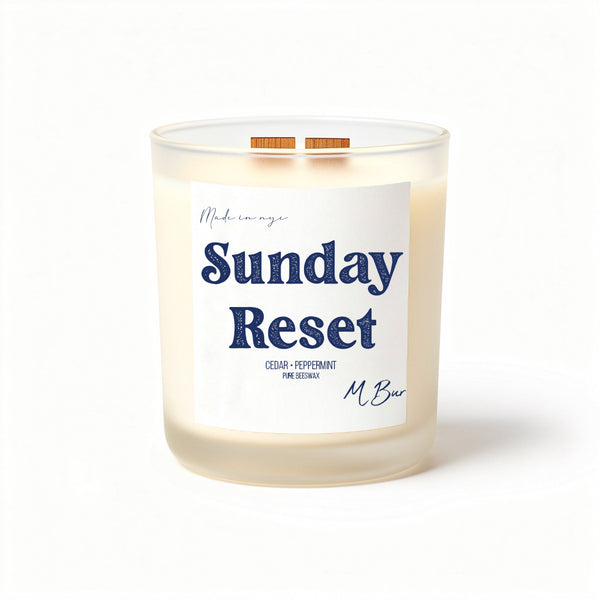
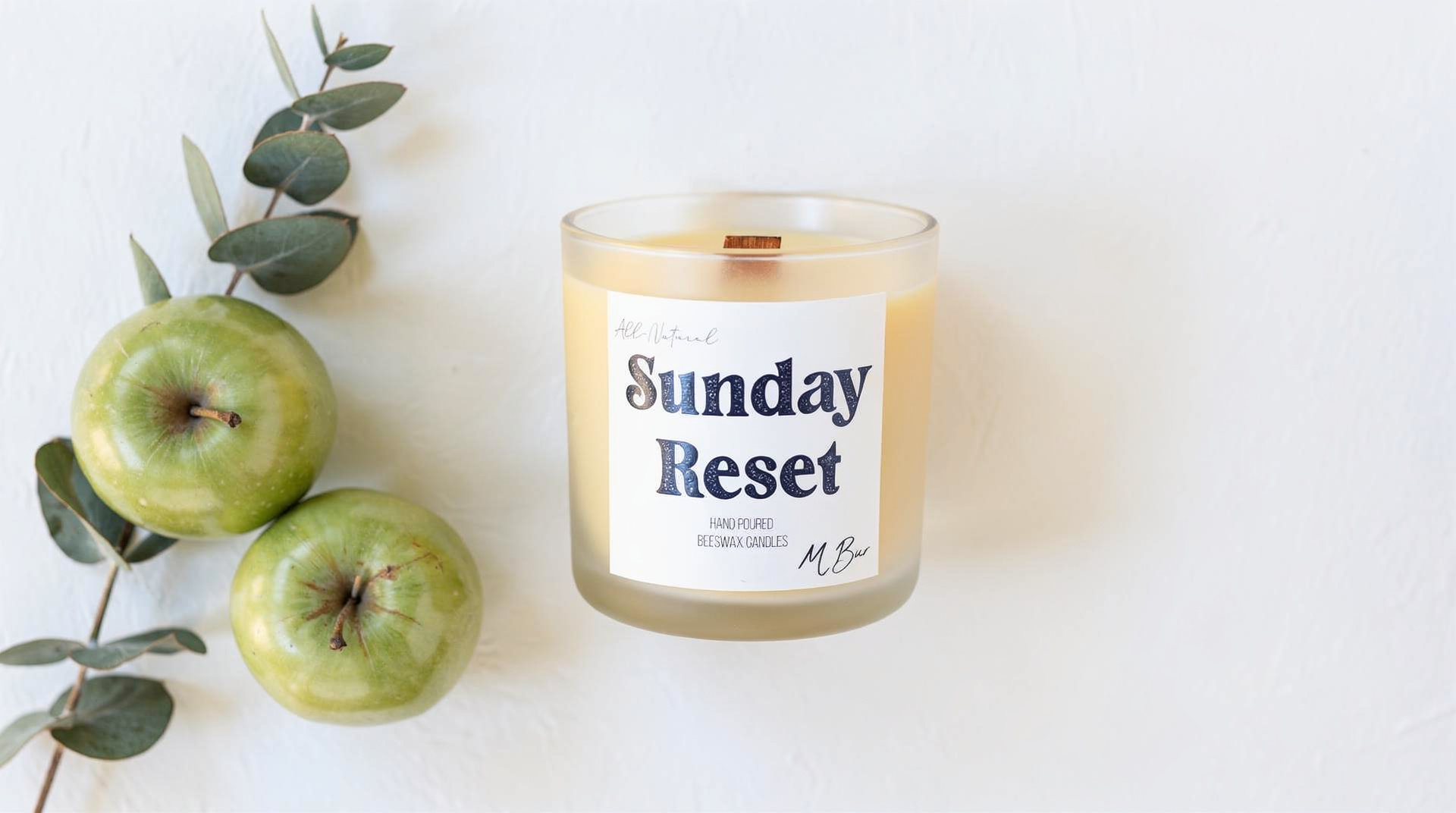
"I absolutely love these candles! I instantly notice the difference in the air quality, in comparison to the Bath and Body scented candles. I love Bath and Body's candles but I acknowledge that it caused a slight headache and other minor respiratory discomfort. Awesome products. Totally addicted." Jason H., Sunday Reset Candle
Beeswax: Why the Chemistry Is Genuinely Different
Beeswax is not just a cleaner sounding marketing term. Its combustion chemistry is fundamentally different from petroleum derived waxes, and the reason comes down to molecular composition.
Beeswax is composed primarily of long chain esters, fatty acids, and hydrocarbons that are biologically produced by honeybees. Because it is not a petroleum derivative, it does not carry the same precursor compounds that generate benzene, toluene, and formaldehyde during combustion in the way paraffin does.
Beeswax also has the highest melting point of any common candle wax, around 62 to 65 degrees Celsius, which is why beeswax candles burn significantly longer than paraffin or soy alternatives. A slower, hotter burn means more complete combustion and less unburned material released as soot or vapor into the air.
Some proponents of beeswax candles go further and claim that beeswax emits negative ions during combustion that actively clean the air. The negative ion claim is frequently cited but remains largely anecdotal in the candle context. It is probably not a significant air purifier. What it likely is: a candle that does not add meaningful pollution to the air it burns in, which is a meaningfully different standard from most of what is on the market.
Wick Type Matters More Than Most People Realize
The formaldehyde and VOC conversation almost always focuses on wax type, but wick composition is a legitimate variable that gets underreported.
Lead core wicks were banned in the United States in 2003 by the Consumer Product Safety Commission after research linked their use to elevated lead levels in indoor air. Some imported candles sold in the US still contain metal core wicks, though they are typically zinc or tin rather than lead.
Cotton wicks are the most widely used alternative and perform cleanly in most contexts. Wooden wicks, which MBur uses across its entire candle line, offer a specific advantage: they tend to self regulate their burn, producing a consistent flame with minimal soot. The crackling sound is a side benefit. The cleaner combustion is the actual story.
If a candle produces a tall, flickering flame and visible black smoke when you blow it out, those are signals of incomplete combustion regardless of what the wax is made from. Trim your wick to about one quarter inch before each burn. It makes a real difference in what you are inhaling.
The MBur Difference
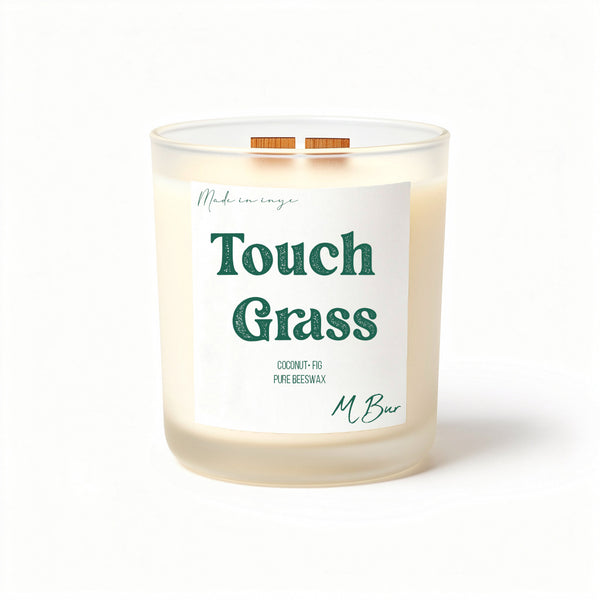
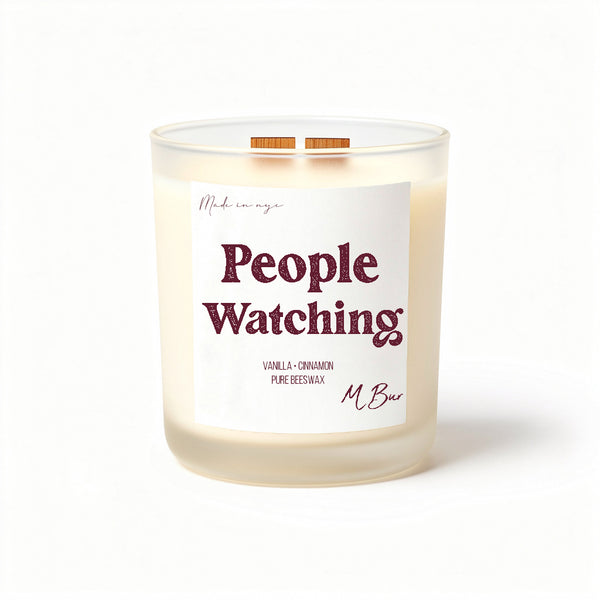
MBur candles are made from 100% beeswax, single ingredient wax with no paraffin blending, no chemical dyes, and phthalate free fragrance. They are hand poured in Queens, NY, with wooden wicks and a burn time of up to 80 hours for the 12oz size, which is longer than virtually anything else on the market at a comparable price point.
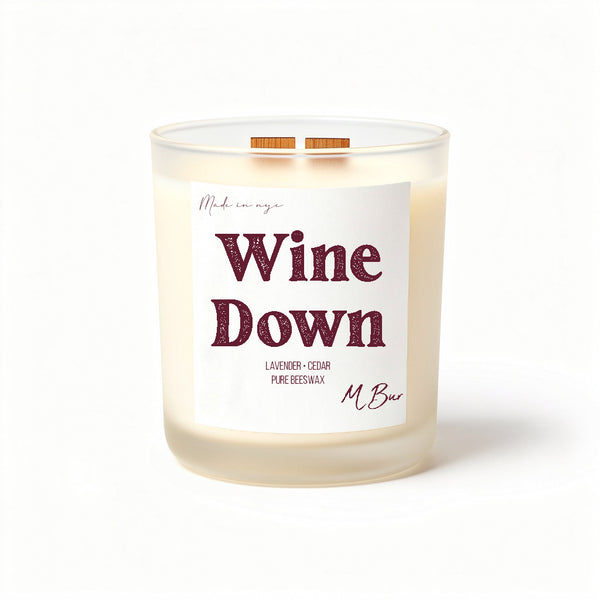
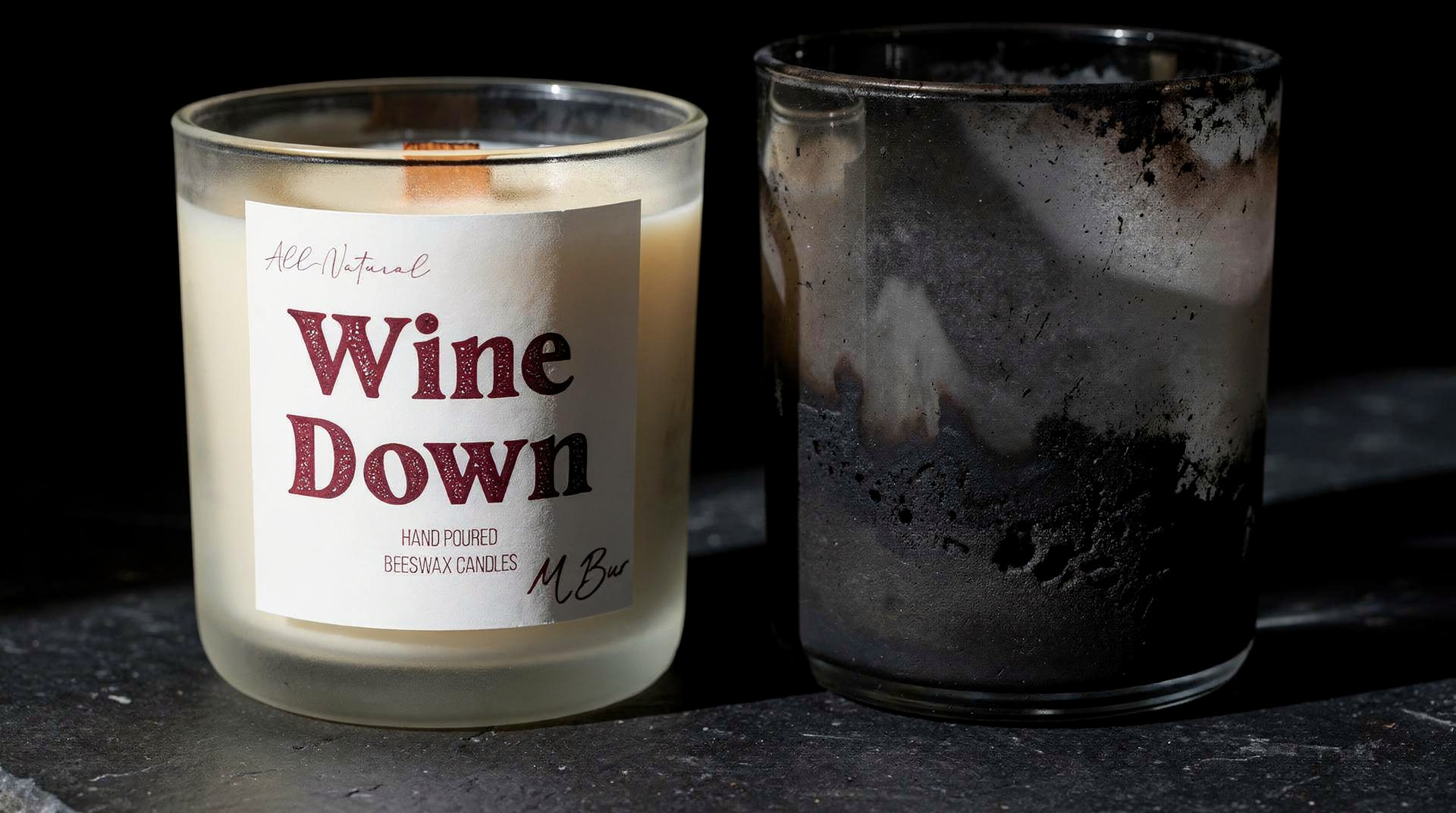
The Wine Down beeswax candle, with lavender, chamomile, sage, cedar, and sandalwood, is one of the most recommended options for people who have had sensitivity issues with other candle brands. It starts at $20 for the 20 hour size.
Frequently Asked Questions
Do all candles release formaldehyde?
Most candles produce some formaldehyde during combustion because formaldehyde is a byproduct of burning organic material. The levels vary significantly by wax type, wick type, and fragrance composition. Paraffin candles have been consistently shown in research to produce higher VOC emissions, including formaldehyde, compared to beeswax alternatives. Proper ventilation and wick trimming reduce emissions from any candle type.
How long do beeswax candles actually burn?
Beeswax has the highest melting point of any candle wax, which means it burns slower and longer. MBur's 12oz beeswax candles are rated for 80 hours of burn time. Their 5oz candle provides 40 hours. By comparison, most paraffin candles of similar size burn for 30 to 50 hours.
Are soy candles actually safer than paraffin?
Pure soy wax does produce fewer VOCs than paraffin under controlled conditions. The complication is that most commercially sold soy candles are soy and paraffin blends, and brands are not required to disclose the exact ratio. If a candle is labeled "soy blend" rather than "100% soy wax," it contains paraffin. The fragrance formulation also matters as much as the wax choice.
Can candles really cause headaches?
Yes, and the mechanism is well documented. VOCs from paraffin combustion, combined with phthalates and aldehydes from toxic fragrance compounds, can irritate the upper respiratory tract and trigger headaches in sensitive individuals. Switching to a beeswax candle with phthalate free fragrance, like the Do Not Disturb beeswax candle, is the most direct intervention.
Does beeswax candle wax have any scientific backing for being cleaner?
Yes. The Chemosphere study and the South Carolina State University research both found measurable differences between paraffin and non paraffin candles in terms of VOC output. Beeswax's molecular composition, derived from biological rather than petrochemical processes, means it does not carry the precursor hydrocarbons that generate benzene and toluene during combustion. The evidence for meaningful air purification via negative ions is weaker and should be treated as anecdotal until better controlled studies are published.
The Takeaway
Formaldehyde in candles is a real phenomenon, not internet hysteria, but it is also not a universal candle problem. It is primarily a paraffin problem, and it is made worse by toxic fragrance additives, metal core wicks, and poor burn conditions. The research is consistent enough on this point that "all candles are the same" is not a defensible position.
Choosing a 100% beeswax candle with phthalate free fragrance and a wooden wick is the most direct way to reduce your exposure without giving up candles entirely.
Shop the full MBur beeswax candle collection
What buyers say:
Related reading:

