

Why Your Candle Wick Flame Looks Detached From the Wax: A Simple Fix
That gap between your flame and the wax is trying to tell you something
A flame that appears to float above the wick, flickering and dancing like it can't decide whether to stay or go, is one of those candle problems that looks more alarming than it actually is. You might assume the candle is defective. You might wonder if the wick is about to go out entirely. Or you might just stare at it and think, "That doesn't look right."
You're correct. It doesn't look right. But the fix is almost always simple, and understanding why it happens will make every candle you own burn better. Whether you're working with a jar candle from the drugstore or a pure beeswax candle with a wooden wick, the physics are the same. The solutions just land differently depending on what your candle is made of.
What's actually happening when a flame looks "detached"
A candle flame isn't a single thing. It's a visible chemical reaction happening in layers. Solid wax melts into liquid, liquid wax travels up the wick through capillary action, and heat converts that liquid into a gas. The gas ignites where it meets oxygen, and that ignition point is the flame you see.
The small gap between the wick and the bright golden part of the flame? That's a zone of unburned fuel vapor. Wax has already vaporized there, but it hasn't yet reached the temperature or oxygen concentration needed to combust visibly. The blue section at the very base of the flame is where combustion is most complete and temperatures are highest.
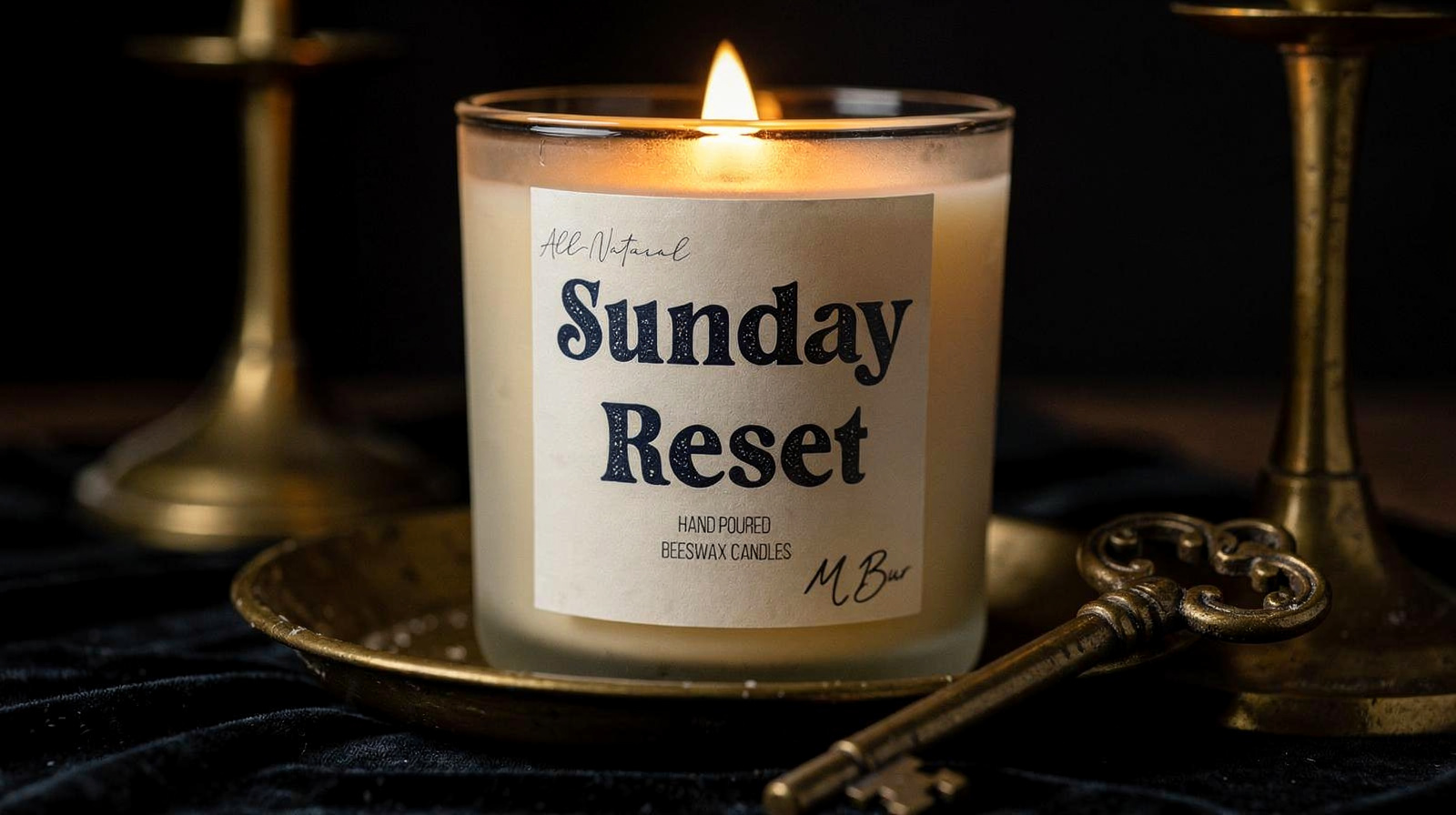
So a visible gap doesn't necessarily mean something is broken. A small one is normal combustion doing its thing. The problem starts when that gap becomes exaggerated, when the flame dances wildly, or when it looks like it's about to detach and float away. That's when one of three culprits is almost certainly at work.
Culprit #1: Your wick is too long
This is the most common cause by a wide margin, and the easiest to fix. An untrimmed wick draws more liquid wax than the flame can efficiently burn. The result is an oversized, unstable flame that sputters, flickers, and produces excess soot. The flame appears to "jump" because the fuel supply is inconsistent. Too much wax vapor floods the combustion zone at once, then the supply dips, then it surges again.
The fix: trim your wick to roughly 1/4 inch (about 5mm) before every single lighting. Not just the first time. Every time. For cotton wicks, sharp scissors or a dedicated wick trimmer work well. For wooden wicks, you can snap off the charred tip with your fingers once the candle has cooled. That blackened, mushroom shaped carbon buildup at the top of the wick is spent fuel, and leaving it there guarantees an uneven flame.
If you've been burning a candle for weeks without trimming, the accumulated carbon on the wick is acting like a dam, disrupting the smooth flow of wax up the fibers. One trim will often solve the detached flame problem immediately.
Culprit #2: Drafts you can't feel
Candle flames respond to air movement that's far too subtle for your skin to register. An HVAC vent across the room, a ceiling fan on low, someone walking past, a cracked window two rooms away. Any of these can create just enough airflow to disrupt the combustion triangle of fuel, oxygen, and heat.
When oxygen supply becomes inconsistent, the flame chases it. It leans, stretches, dances, and sometimes appears to separate from the wick entirely as it reaches toward the oxygen source. This is also a safety concern: a flame that's being pushed sideways by a draft can overheat one side of the container, produce excessive soot, or ignite something nearby.
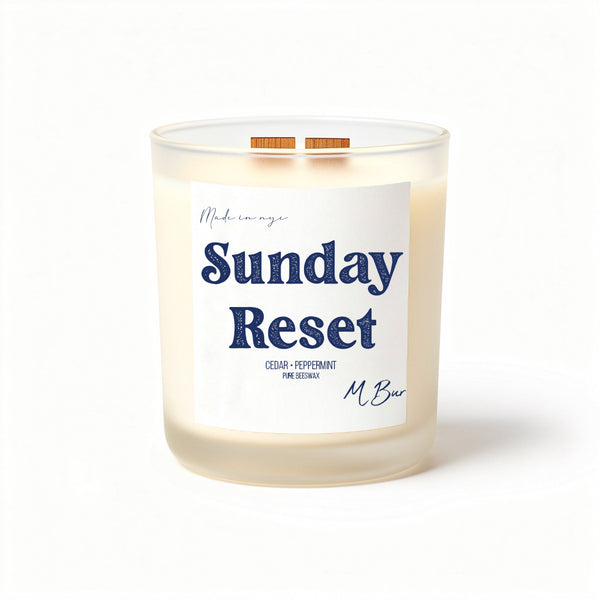
The fix: move the candle. Place it on a stable, heat resistant surface away from vents, fans, open windows, and high traffic walkways. If the flame settles into a steady, upright burn after you relocate it, drafts were your problem.

Culprit #3: Your wax or wick pairing is off
This one is less about what you're doing and more about what the candle maker did. Every wax type has a different melting point, density, and viscosity when liquid. The wick has to be precisely matched to the wax so it draws fuel at the right rate. Too thin a wick in a dense wax and the flame starves. Too thick and it drowns in fuel.
Cheap candles often get this pairing wrong because they're optimized for cost, not performance. Paraffin blends with heavy fragrance loads are especially prone to inconsistent fuel delivery, because the additives and oils can accumulate in the melt pool and clog the wick over time. When the wick can't draw wax smoothly, the flame flickers, shrinks, surges, and looks detached.
Beeswax is naturally denser than soy or paraffin and has the highest melting point of any candle wax. That density means it needs a wick that can generate enough heat to maintain a full melt pool. When the pairing is right, beeswax delivers an exceptionally steady flame because the fuel supply is consistent. The wax melts slowly, feeds the wick evenly, and the flame stays put.
This is one of the reasons wooden wicks pair so well with beeswax. A wooden wick draws wax across a wider surface area than a cotton wick, which helps it keep pace with beeswax's higher melting point. The result is a broad, stable flame that sits right where it should.
The tunneling connection most people miss
A detached or erratic flame is sometimes a downstream symptom of tunneling, and tunneling is almost always caused by short cycling. If you light a candle for 30 minutes and blow it out before the melt pool reaches the edges of the container, the wax develops a "memory ring." The next time you light it, the wax only melts within that ring, creating a tunnel that gets deeper with each burn.
Once the tunnel is deep enough, the wick is essentially sitting at the bottom of a well. The walls of unmelted wax block airflow, starve the flame of oxygen, and eventually the wick starts drowning in pooled wax it can't burn off fast enough. The flame shrinks, sputters, and looks like it's barely hanging on.
The prevention: on your first burn, and ideally every burn after that, let the candle stay lit long enough for the entire surface to become liquid wax from edge to edge. The general rule is about one hour per inch of candle diameter. A 3 inch candle needs roughly 3 hours. This is especially important for your very first burn, which sets the memory for every burn that follows.
If tunneling has already happened, don't dig the wax out with a knife or spoon. That destroys the structural ratio between wax and wick. Instead, use a hair dryer on low heat to gently melt and level the surface, then let it resolidify before your next lighting.
When a "detached" flame is actually a safety issue
Most of the time, a flame that looks a little floaty is a maintenance issue with a quick fix. But there are situations where you should extinguish the candle immediately:
- The flame exceeds 3 inches in height. Industry safety standards consider this unsafe.
- The flame is producing visible black smoke (not occasional wisps, but a steady stream).
- The glass container feels dangerously hot to the touch, especially near the top rim.
- The flame is repeatedly leaning hard to one side, which can overheat the container wall.
In any of these cases, blow out the candle, let it cool completely, trim the wick, check for drafts, and try again. If the problem persists after trimming and relocating, the candle itself may have a wick that's poorly matched to its wax, and that's a manufacturing issue worth contacting the brand about.

Why wax type matters more than you'd think
The wax your candle is made from determines how evenly fuel reaches the flame. Paraffin, a petroleum byproduct, melts at the lowest temperature and burns fastest. That sounds efficient until you realize it also means the fuel supply fluctuates more, the flame is less stable, and the candle throws off more soot. Paraffin candles are the ones most likely to leave black residue on your walls and ceilings.
Soy wax is a step up in stability, but many soy candles are actually soy blends cut with paraffin to reduce cost. Unless the label specifically says "100% soy," you may be getting a mix that behaves unpredictably.
Beeswax burns the slowest and steadiest of any natural wax because of its high melting point and dense molecular structure. That slow, even fuel delivery is why beeswax candles are known for clean, consistent flames with minimal soot. It's also why they last significantly longer. An 80 hour beeswax candle outlasts most paraffin candles of the same size by a wide margin.
"I absolutely love these candles! I instantly notice the difference in the air quality, in comparison to the Bath & Body scented candles. I love Bath & Body's candles but I acknowledge that it caused a slight headache and other minor respiratory discomfort. Awesome products. Totally addicted." Jason H.
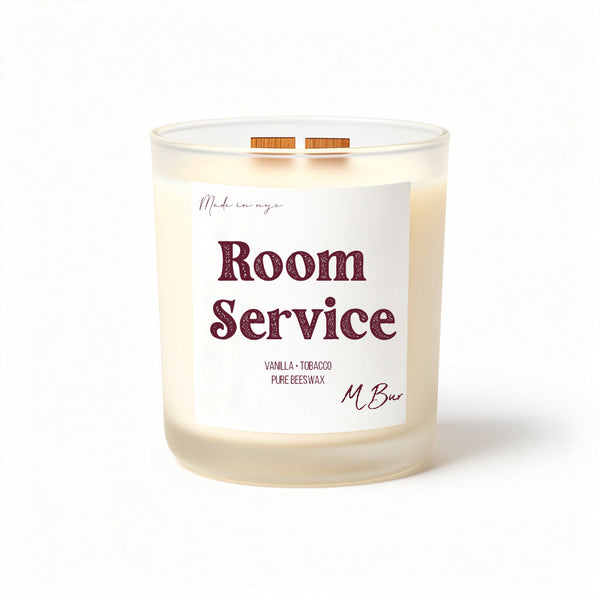
MBur's Room Service candle is a good example of what a well paired wick and wax combination looks like in practice. Pure beeswax, wooden wick, non toxic phthalate free fragrance. The flame sits low and steady, the melt pool forms evenly, and the crackling sound from the wooden wick is a nice bonus that also tells you the wick is drawing fuel correctly. A consistent, quiet crackle means consistent fuel delivery.
A quick checklist for a steady, well behaved flame
- Trim before every lighting. 1/4 inch for cotton wicks. Snap off the char for wooden wicks.
- Eliminate drafts. Move the candle away from vents, fans, windows, and doorways.
- Burn long enough. One hour per inch of diameter, minimum. Let the full surface melt.
- Check the wax type. Pure beeswax and 100% soy burn steadier than paraffin or unmarked blends.
- Watch the flame height. If it exceeds 3 inches, extinguish, cool, trim, relight.
- Keep the melt pool clean. Remove any wick debris, match tips, or foreign objects from the wax surface.
Frequently asked questions
Is it normal to see a small gap between the wick and the flame?
Yes. The flame ignites where vaporized wax meets oxygen, which occurs slightly above the physical wick. A small gap at the base is standard combustion. It only becomes a problem when the gap is large, the flame is dancing erratically, or you see heavy soot. Trimming the wick and removing drafts will resolve most cases. If you're burning a beeswax candle with a wooden wick, the broad, flat flame shape makes this gap less noticeable than it is with cotton wicks.
How do I fix a candle that's already tunneled?
Use a hair dryer on a low setting to gently melt the wax surface until it's level across the entire diameter. Let it resolidify completely, then relight and burn long enough for a full edge to edge melt pool. Do not carve or scoop wax out, as that disrupts the wick to wax ratio and makes the problem worse.
Why does my wooden wick candle flame look different from a cotton wick flame?
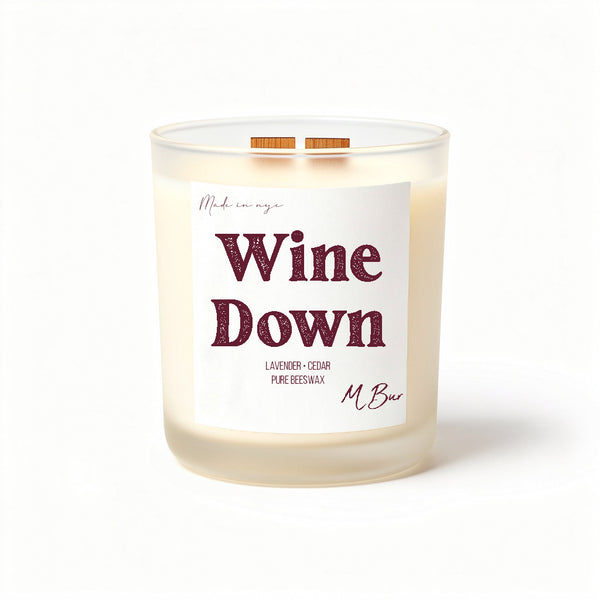
Wooden wicks produce a wider, shorter flame compared to the taller, narrower flame of a cotton wick. The wider draw surface pulls wax more evenly, which is why wooden wick candles tend to have steadier flames and more consistent melt pools. The crackling sound you hear is actually a good sign. It means the wood fibers are releasing moisture and drawing fuel properly. MBur's Wine Down candle is a good one to experience this with, especially in a quiet room where you can hear the crackle clearly.
Does the type of fragrance in a candle affect flame stability?
It can. Heavy fragrance loads, especially those using toxic fragrance oils containing phthalates and parabens, can accumulate in the melt pool and interfere with how the wick draws wax. Candles made with non toxic, phthalate free fragrance oils at appropriate concentrations are less likely to cause wick clogging and erratic flames.
When should I actually be worried about my candle flame?
If the flame is taller than 3 inches, producing steady black smoke, or causing the container to become dangerously hot, extinguish it immediately. Let it cool, trim the wick, and check your placement for drafts. If the problem continues after those steps, the candle may have a wick that's improperly sized for its wax, which is a quality issue with the product itself.
The short version
A "detached" candle flame is almost always telling you one of three things: trim the wick, move me away from the draft, or this wax and wick weren't matched well. The first two are on you. The third is on whoever made the candle. Choosing candles built with the right materials, pure beeswax, properly sized wooden wicks, clean fragrance, eliminates the most common causes of erratic flames before you even strike a match.
If you want to see what a steady, well engineered flame actually looks like, browse MBur's full beeswax candle collection. Every candle is handmade in New York with 100% beeswax, wooden wicks, and phthalate free fragrance. The 20 hour size starts at $20, and the 80 hour size burns long enough that you'll forget what an unstable flame even looks like.
Related reading

